Last updated: April 22, 2026
Key Takeaways
- High-protein drinks without artificial sweeteners like sucralose or aspartame support clean eating, digestion, and muscle preservation, especially for GLP-1 users who often need higher daily protein.1
- Whey protein isolate absorbs faster than concentrates and works well for recovery and weight management when paired with low-calorie servings under 150 calories.1
- In 2026, 12 notable options span carbonated protein sodas, clear ready-to-drink bottles, plant-based choices, and powders, with Bucked Up Protein Soda providing 25g protein with zero sugar and zero carbs.
- GLP-1 medication users often do better with light, non-milky formats such as carbonated protein sodas that feel easier on the stomach during appetite suppression.1
- Ready-to-drink options simplify consistent intake; get Bucked Up Protein Soda for a refreshing 25g whey isolate serving at 100 calories to support your protein targets.1
Why High-Protein Drinks Without Artificial Sweeteners Matter
High-protein drinks without artificial sweeteners offer clear advantages over conventional options. They provide steady energy without the digestive issues some people experience with sucralose or aspartame and can support long-term adherence to nutrition plans.1 Research shows that sucralose significantly alters gut microbiome composition and impairs glycemic responses in healthy volunteers, which makes naturally sweetened products more appealing for many consumers.
Whey protein isolate, featured in several products below, offers specific benefits over whey concentrate. The isolation process removes most lactose and fat, creating a purer protein source that the body absorbs more rapidly.1 For individuals on GLP-1 medications who may experience reduced appetite or difficulty with solid foods, liquid protein sources can help prevent muscle loss while supporting strength during weight reduction.1
With these benefits in mind, the products below highlight a range of formats in 2026, including carbonated protein sodas, clear RTDs, creamy shakes, plant-based options, and mixable powders so you can match your choice to your taste and lifestyle.
12 High Protein Drinks Without Artificial Sweeteners in 2026
1. Bucked Up Protein Soda
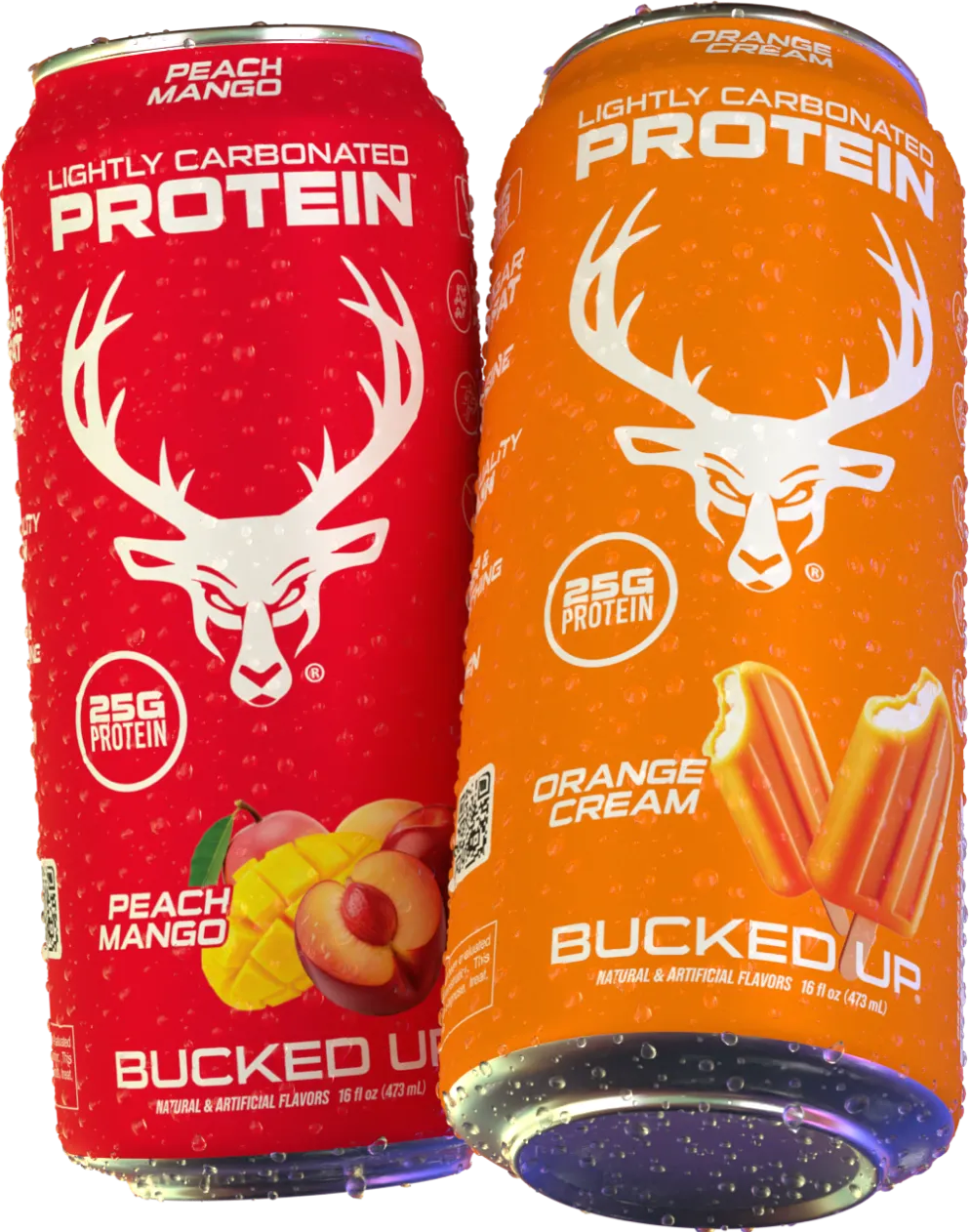
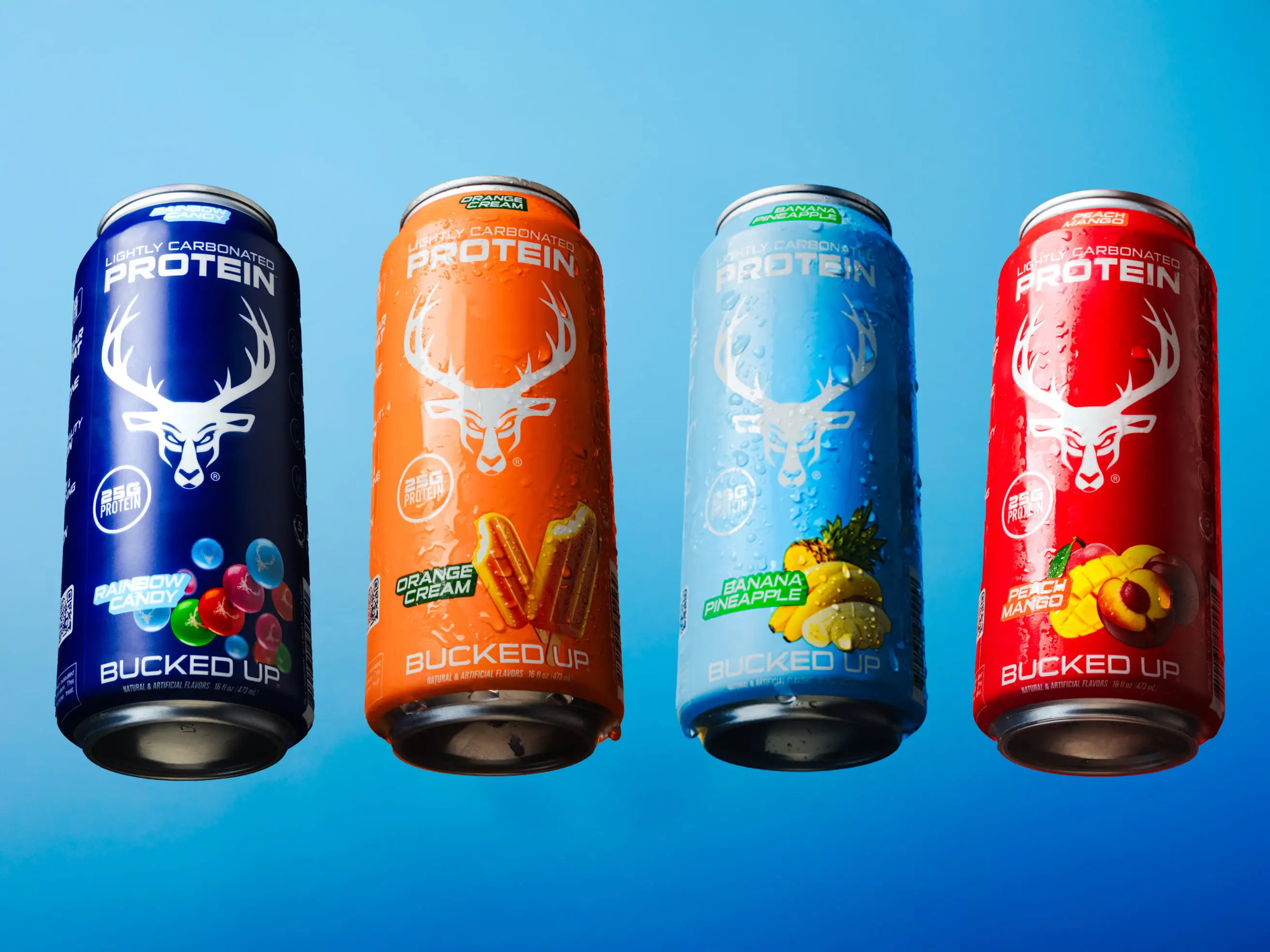
Bucked Up offers a lightly carbonated, crystal-clear whey protein isolate soda. This drink delivers 25g of high-quality protein in just 100 calories, with zero sugar, zero carbs, and zero caffeine. Unlike traditional milky protein shakes, Bucked Up Protein Soda provides a refreshing, energy drink-like taste without chalky texture or heavy mouthfeel.
The carbonated format appeals to people who dislike thick shakes and want a lighter option. Made in GMP-certified facilities in the USA, this product uses 100% whey protein isolate. Try Bucked Up Protein Soda for a unique protein experience.
2. Protein2O Clear Whey Protein Isolate Drink
Protein2O Strawberry Watermelon provides 20g of whey protein isolate per 500mL serving. Protein2O has 70 or 90 calories per 500mL serving depending on the flavor, using erythritol and stevia leaf extract as natural sweeteners. The clear, non-milky format includes electrolytes for hydration support, which suits post-workout recovery.1 Some consumers may notice the characteristic aftertaste associated with stevia-based formulations.
3. BOOST High Protein Nutritional Drink
BOOST High Protein delivers 20g of protein per 250-calorie serving, sweetened with sugar, glucose syrup, and stevia leaf extract. It is doctor-recommended and fortified with 27 vitamins and minerals. The higher calorie content and added sugars may not fit every weight management plan.
4. Fairlife Core Power
Fairlife uses ultra-filtered milk technology to concentrate protein while reducing sugar content. Core Power provides high protein for muscle support and recovery through dairy-based ready-to-drink beverages.1 The creamy texture works well for people who enjoy traditional shakes, though it may feel heavy for those who prefer lighter options.
5. Premier Protein Shakes
Premier Protein shakes provide high protein for on-the-go lifestyles and typically deliver 30g of protein per serving. The brand has expanded its naturally sweetened options, although availability can vary by flavor and region.
6. Orgain Organic Protein Drinks
Orgain focuses on plant-based protein sources with organic certification. The ready-to-drink line usually provides 20g of protein from pea, brown rice, and chia proteins, sweetened with organic cane sugar and stevia. The plant-based profile serves vegan consumers, though it may not match the amino acid completeness of whey isolate.
7. OWYN Plant-Based Protein Drinks
OWYN (Only What You Need) offers allergen-friendly protein drinks with 20g of plant protein from pea, pumpkin seed, and flax. OWYN plant-based protein drinks are sweetened with cane sugar and monk fruit, supporting multiple dietary restrictions while maintaining a short, recognizable ingredient list.
8. Koia Plant-Based Protein Drinks
Koia combines plant proteins with natural fruit flavors and delivers 18–20g of protein per serving. The brand uses coconut sugar and monk fruit for sweetness, creating smooth, creamy textures that resemble dairy-based shakes.
9. Naked Whey Protein Powder
Naked Whey offers pure whey protein concentrate with no additives, artificial sweeteners, or flavors. Users can customize sweetness with natural options such as stevia or monk fruit. The powder format requires mixing and a bit of planning compared with grab-and-go bottles.
10. Nuzest Clean Lean Protein Powder
Nuzest provides plant-based protein powder from European golden peas. Nuzest Clean Lean Protein Powder offers around 20g of protein per serving, with content varying between 18g and 21g by flavor and contains no artificial additives. The neutral flavor works in smoothies, oatmeal, or baked goods, though it still requires preparation time.
11. Slate Milk
Slate Milk offers lactose-free, high-protein chocolate milk with 20g of protein per serving. Using natural flavors and monk fruit, it delivers a nostalgic chocolate milk experience while aligning with higher-protein nutrition goals.
12. Yoplait Protein Smoothies
Yoplait Protein Smoothies are positioned as healthy snacks for busy lifestyles with high protein. They typically provide 15–20g of protein per serving through dairy-based formulations with natural sweeteners.
The table below compares four popular options across key decision factors such as protein type, calories, sweeteners, and format so you can quickly see which product fits your priorities.
| Brand | Protein (g/Type) | Calories | Sweeteners | Format | Best For |
|---|---|---|---|---|---|
| Bucked Up Protein Soda | 25g Whey Isolate | 100 | None | Carbonated RTD | GLP-1 users, convenience |
| Protein2O | 20g Whey Isolate | 70 or 90 | Erythritol, Stevia | Clear RTD | Hydration, post-workout |
| BOOST High Protein | 20g Mixed Proteins | 250 | Sugar, Stevia | Creamy RTD | Nutritional support |
| Fairlife Core Power | 26g Milk Protein | 170 | Monk fruit juice concentrate, stevia, acesulfame potassium, sucralose | Ultra-filtered RTD | Traditional shake preference |
GLP-1 Users: Choosing Protein Drinks on Ozempic or Tirzepatide
Individuals using GLP-1 medications often struggle to maintain adequate protein intake because of reduced appetite and digestive sensitivities. Many clinicians recommend higher protein targets during active weight loss to help protect lean muscle mass.
Bucked Up Protein Soda can work well for this group. Its light, carbonated format feels refreshing rather than heavy, and the 100-calorie serving provides 25g of protein without a large volume of liquid. The crystal-clear, non-milky texture avoids the thickness that can trigger nausea in some GLP-1 users, which can make regular protein intake more realistic.1 Find your GLP-1-friendly protein solution to support muscle preservation during weight management.1
Buyer Guide: How to Choose a High-Protein Drink
Start with protein content and quality when comparing drinks. Aim for products with at least 25g of protein per serving when possible, preferably from whey protein isolate if you tolerate dairy and want faster absorption.1
Once you identify high-protein options, look at calories next. Options under 150 calories per serving usually support weight management goals while still delivering meaningful protein.1 Then review the sweeteners and choose natural options that match your taste, since some people dislike the flavor of stevia or monk fruit.
Format should match your routine. SPINS data shows protein-rich shots and sodas are emerging formats drawing significant consumer interest, and carbonated options can help people who do not enjoy thick shakes. Powders offer flexibility at home, while ready-to-drink bottles work better for commuting or travel.
Timing also influences results. Many people use protein drinks within about 30 minutes after workouts to support recovery, or as meal replacements when whole-food options are not practical.1 Always check ingredient labels carefully, because some products marketed as “natural” may still include artificial flavors or preservatives that do not match strict clean-eating preferences.
Common Questions About High-Protein Drinks Without Artificial Sweeteners
Does carbonation affect protein absorption?
Carbonation does not reduce protein absorption. The whey protein isolate in carbonated drinks like Bucked Up Protein Soda is rapidly absorbed regardless of bubbles.1 Carbonation can improve taste and enjoyment for some people, which may support more consistent daily protein intake.
Is Bucked Up Protein Soda compatible with keto and paleo diets?
Bucked Up Protein Soda fits many keto and paleo approaches with zero carbs, zero sugar, and whey protein isolate as the primary ingredient. The absence of artificial sweeteners and additives aligns with common paleo guidelines, while the macronutrient profile supports ketogenic carb limits.
Are protein drinks better than traditional protein shakes?
Protein drinks can offer advantages over traditional shakes in convenience and digestibility.1 Ready-to-drink options remove prep time and provide consistent nutrition. Carbonated formats like Bucked Up Protein Soda give a crisp, soda-like experience that many people find easier to drink regularly than thick, milky shakes.
Is it safe to consume high-protein drinks daily?
Daily use of high-protein drinks is generally considered safe for healthy individuals when they form part of a balanced diet. People with kidney disease, liver disease, or other medical conditions should speak with a healthcare professional before significantly increasing protein intake.
Do these drinks taste like traditional protein shakes?
Many newer protein drinks intentionally avoid the classic shake taste and texture. Bucked Up Protein Soda, for example, tastes more like a crisp, refreshing energy drink and has no milky mouthfeel or chalky residue. This shift helps remove one of the main barriers to consistent protein supplementation.
Are protein drinks safe for individuals on GLP-1 medications?
Protein drinks can work well for GLP-1 users who struggle with solid food intake because of appetite suppression. The liquid format is often easier to tolerate during nausea or early fullness while still providing essential protein for muscle maintenance during weight loss.1 Light, carbonated options like Bucked Up Protein Soda are frequently well tolerated.1
The landscape of high-protein drinks without artificial sweeteners has expanded in 2026, with innovative formats such as carbonated protein sodas gaining attention. Bucked Up Protein Soda provides 25g of whey protein isolate in a refreshing, 100-calorie format that can serve busy professionals, fitness enthusiasts, and GLP-1 users focused on weight management.
The combination of convenience, taste, and straightforward ingredients turns these drinks into practical tools for meeting daily protein needs without drifting from health goals. Order Bucked Up Protein Soda to experience 25g of whey isolate in a refreshing soda format and see how this style of protein fits your routine.
1 The content provided in this article is for informational purposes only and is not medical advice. Consult with a medical professional before implementing any changes to your diet, health, or exercise routines.
Individual results will vary and are based on a combination of each individual’s diet, exercise, age, and health circumstances.
These statements have not been evaluated by the Food and Drug Administration. This product is not intended to diagnose, treat, cure or prevent any disease.
This article was written by Ryan Gardner, CEO of Bucked Up. As the maker of Bucked Up Protein Soda, we have a financial interest in this information. The views expressed are our own and should be read with that context in mind.