Last updated: April 22, 2026
Key Takeaways
- Ready-to-drink high-protein beverages provide fast, portable nutrition for busy fitness enthusiasts aiming for 100g or more of daily protein.
- Strong options typically deliver 20-30g whey protein isolate per serving, under 150 calories, zero sugar, and easy on-the-go portability.
- Bucked Up Protein Soda can stand out with 25g whey isolate, 100 calories, and zero sugar or carbs in a refreshing carbonated format.
- GLP-1 users on tirzepatide may benefit from lighter textures, fast absorption, and low-carb profiles that help protect lean muscle.1
- Upgrade your daily routine with Bucked Up’s carbonated protein soda for convenient protein support without bloating or prep time.1
Why Ready-to-Drink High-Protein Drinks Fit Busy Fitness Lifestyles
Ready-to-drink protein fits real life for people juggling work, training, and family. RTD protein beverages show growing household penetration with strong repeat purchase rates, which suggests many consumers now treat them as daily staples instead of occasional supplements.
These grab-and-go options remove the hassle of scoops, shakers, and cleanup. That convenience matters during commutes, between meetings, or right after a workout. Timing also matters for recovery, as endurance athletes and people building muscle often need 15g to 20g of protein within an hour after intense training to support muscle repair.1
The category has expanded beyond thick, milky shakes into lighter formats such as carbonated protein sodas and clear protein drinks. Clear RTD shakes, protein waters, shots, and sodas have gained traction as more people look for crisp, refreshing options instead of heavy, dessert-like shakes.
Evaluation Criteria for High-Protein RTDs
Busy fitness enthusiasts can simplify choices by focusing on five practical criteria. First, consider protein content and quality. Look for 20-30g of protein per serving and favor whey protein isolate over concentrate because isolate absorbs faster and contains less fat and lactose.1
Second, check calorie efficiency. Seek options that deliver solid protein with fewer than 150 calories per serving and little to no sugar or carbohydrates. This efficiency matters even more if you drink multiple servings per day to reach your protein target.
Third, pay attention to digestibility and taste. A product only helps if you can finish it consistently, so lighter, refreshing flavors that sit well at any time of day work better than heavy shakes that cause discomfort.1
Fourth, weigh convenience factors such as portability, shelf stability, and no-prep packaging. These details often determine whether you actually keep up with your protein plan during busy weeks.
Finally, consider how well each drink fits specific dietary needs. Low-carb compatibility and options that suit GLP-1 medication users, who often need easily digestible, nutrient-dense choices, can make a meaningful difference.1
The 4 Best High-Protein Drinks for Busy Fitness Enthusiasts in 2026, Ranked
1. Bucked Up Protein Soda
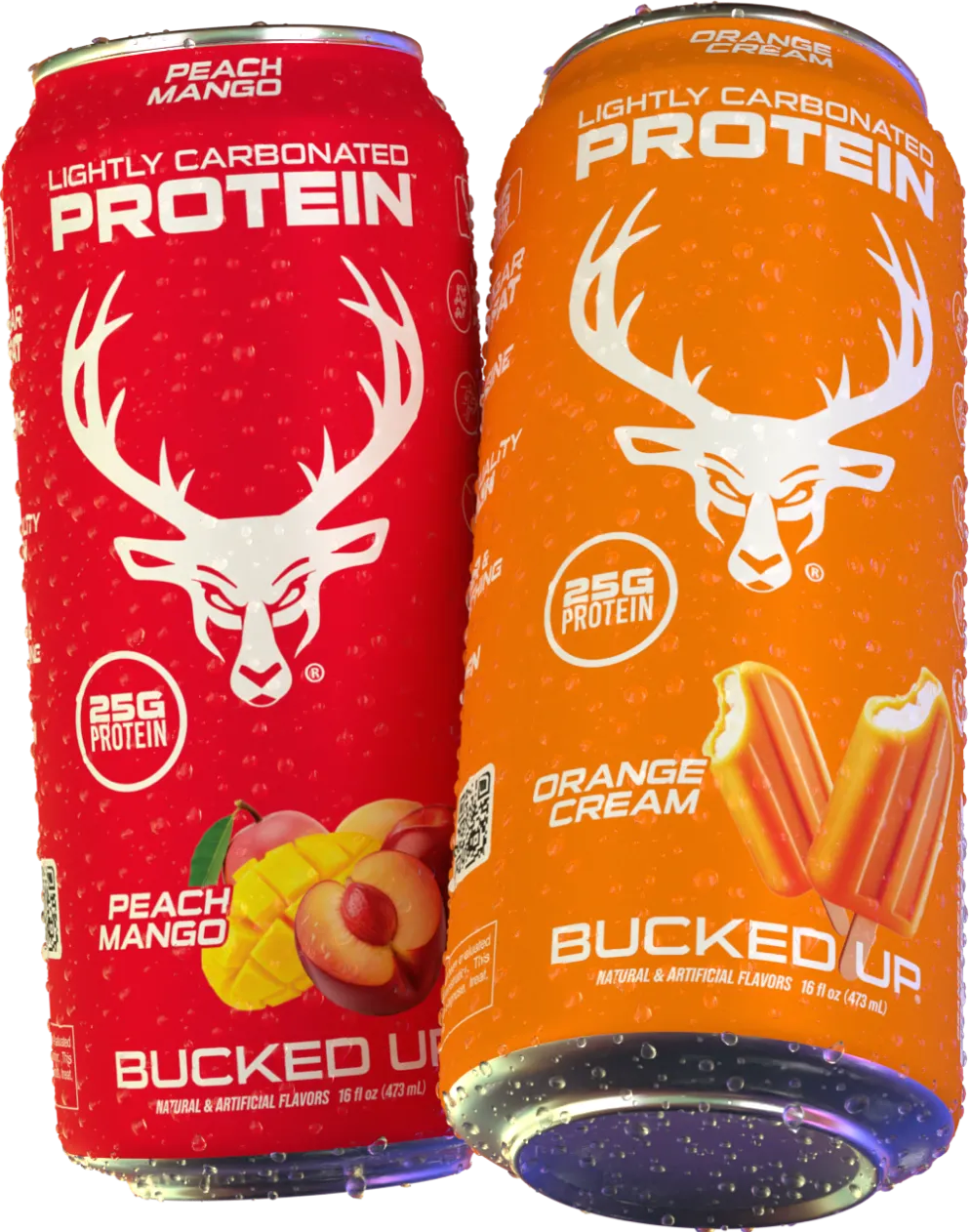
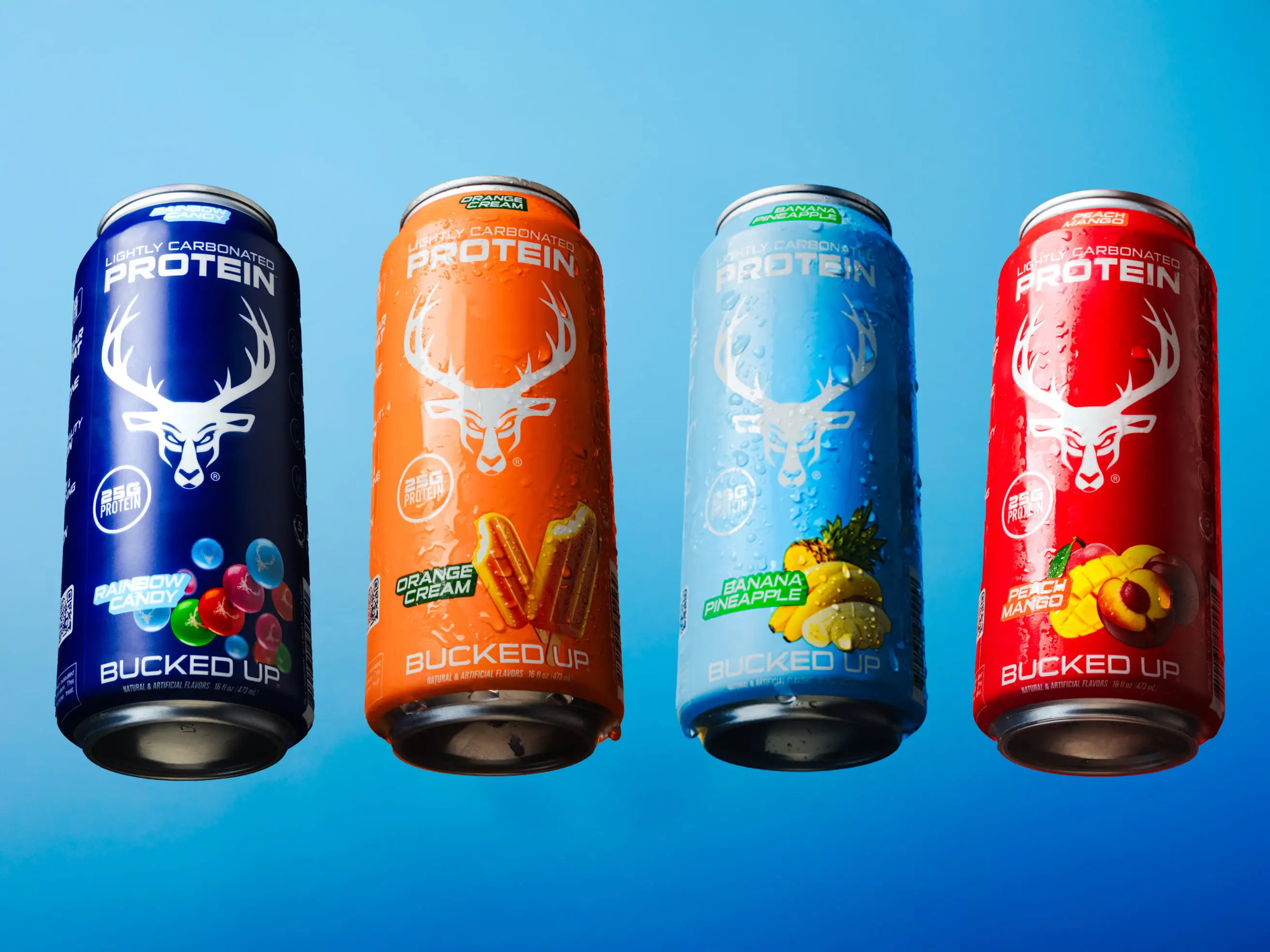
Bucked Up Protein Soda offers a modern take on protein that addresses common complaints about traditional shakes. Each can delivers 25g of whey protein isolate in a lightly carbonated, refreshing format with only 100 calories, zero sugar, and zero carbs. The flavor profile feels closer to an energy drink than a thick shake, which can make daily use easier.
The caffeine-free formula works morning, afternoon, or evening without affecting sleep.1 The carbonation adds a crisp, satisfying feel that many users may prefer over creamy, dessert-style shakes.
2. Premier Protein Shakes
Premier Protein provides 30g of protein per serving from a blend of milk protein concentrate, calcium caseinate, and whey protein concentrate (1% or less) per the product label. Each shake contains 3–5g of carbs, depending on flavor, and 160 calories per product information. The thicker, milkier texture can feel more filling, which some people like, although others may find it heavy compared with lighter RTD options.
3. Fairlife Core Power
Fairlife Core Power Chocolate 26g Protein Shake delivers 26g of protein from ultrafiltered milk. Each 14 fl. oz. (414 mL) serving has 170 calories and 8g total carbohydrates per the product label. The rich, dairy-based texture can work well for those wanting a more indulgent shake, though it may feel less aligned with strict weight management or low-carb approaches.
4. Muscle Milk Pro Series
Muscle Milk Pro Series shake supplies 32–40g of protein per product label. Its thicker texture and higher calorie density make it feel closer to a meal replacement than a light, anytime protein drink, which can suit some goals but may not fit frequent daily use.
The following table compares the top four options on core metrics so you can quickly see how protein, calories, and carbs stack up.
| Brand | Protein (g) | Calories | Carbs/Sugar (g) | Key Feature |
|---|---|---|---|---|
| Bucked Up Protein Soda | 25 | 100 | 0/0 | Carbonated isolate |
| Premier Protein | 30 | 160 | 3-5/1 | Creamy shake |
| Fairlife Core Power | 26 | 170 | 8/5 | Dairy-based |
| Muscle Milk Pro | 32-40 | 160 | 17-18/3 | Thicker texture |
8 More High-Protein RTD Options Worth Considering
The remaining eight products serve specific niches within the RTD protein space. Orgain Organic Protein (21g protein per serving, plant-based per product details) appeals to those who prefer plant-based formulas. Pure Protein Complete Protein Shakes (30g of protein per serving, budget-friendly per product label) focus on affordability.
Atkins Protein Shakes such as the Milk Chocolate Delight Shake (15g protein per 325mL serving, keto-focused per product details) target low-carb and keto lifestyles. Quest Protein Shakes (30g of protein per serving, low-carb per product details) also cater to carb-conscious users.
Dymatize ISO100 Clear (20g protein per serving, clear formula per product details) and Isopure Infusions (20g protein, fruit-flavored) offer lighter, juice-like experiences. Optimum Nutrition Gold Standard RTD (24g protein, classic formula) provides a familiar shake-style option. CytoSport Complete Whey Protein Drink Mix (18g protein, recovery-focused per nutrition facts) suits post-workout recovery needs. Each product can fit particular preferences, budgets, and dietary priorities.
Best for GLP-1 Users on Tirzepatide or Zepbound
Beyond general fitness use, certain RTD proteins work especially well for specialized dietary needs. Individuals using GLP-1 receptor agonists often face appetite suppression and delayed gastric emptying, which can make hitting protein targets more challenging. Newly revised federal dietary guidelines recommend 1.2 to 1.6 grams of protein per kg of body weight daily, or roughly 0.54-0.73g per lb, to help prevent muscle loss during weight reduction.
Bucked Up Protein Soda’s light, carbonated format and whey protein isolate base can suit GLP-1 users who dislike heavy, milky textures. Its previously noted zero-sugar, zero-carb profile also aligns with goals related to blood glucose management.1 Explore Bucked Up’s carbonated protein option if you need GLP-1-compatible protein support.
Head-to-Head: Bucked Up Protein Soda vs Traditional Shakes
Bucked Up Protein Soda differs from many traditional shakes in protein type, calorie density, and overall drinking experience. As noted in the evaluation criteria, whey isolate’s higher purity, often 90% or more compared with 70-80% in concentrate, means more protein and less lactose and fat per serving. That difference supports faster absorption and easier digestion than many concentrate-heavy formulas.1
Calorie efficiency also separates these options. Bucked Up provides 25g of protein in 100 calories, while many traditional shakes deliver similar protein amounts at 160-200 calories per product labels. The carbonated, caffeine-free format offers a crisp alternative to heavy, milky textures while preserving the zero-sugar, zero-carb profile mentioned earlier, which can support weight management and low-carb plans.1
Portability and ease of use further enhance Bucked Up’s appeal. Powder-based products require measuring, mixing, and cleanup, whereas a canned RTD fits directly into the same grab-and-go habits already discussed for RTDs in general. The carbonation can also improve perceived refreshment, which may encourage consistent daily use.
Frequently Asked Questions
What is the difference between whey isolate and concentrate?
Whey protein isolate goes through additional filtration to reach 90% or more protein content with very little fat, lactose, or carbohydrates. This process creates faster absorption, easier digestion, and higher protein density per calorie compared with whey concentrate, which usually contains 70-80% protein and more fats and carbs.1 For people who want efficient protein in fewer calories, isolate often provides stronger nutritional value.
Is Bucked Up Protein Soda keto-friendly?
Bucked Up Protein Soda fits ketogenic diets because it contains zero carbohydrates, zero sugar, and only 100 calories from protein. This profile supports ketosis while still supplying essential amino acids for muscle maintenance.1 The whey protein isolate base keeps carbs low while delivering meaningful protein.
Can I drink protein sodas every day?
Daily use of protein sodas can work well when they fit within a balanced nutrition plan. Bucked Up Protein Soda is formulated with high-quality whey protein isolate, zero artificial additives, and no caffeine, which supports regular use.1 Many people choose one or two cans per day to help reach their protein goals in a convenient way.
Does Bucked Up taste like a traditional protein shake?
Bucked Up Protein Soda tastes closer to a crisp, premium energy drink than a classic protein shake. The light carbonation and clear texture avoid the chalky, milky mouthfeel that some users dislike. This different experience creates a new style of protein drink that many people may find easier to enjoy consistently.
What are good protein drinks for people on tirzepatide?
People using tirzepatide often do best with easily digestible, low-calorie, high-protein drinks because of appetite changes and slower gastric emptying. Whey protein isolate-based options like Bucked Up Protein Soda provide concentrated protein without a heavy feel. The carbonated format may also help some users manage nausea while still delivering protein that supports muscle preservation.1
Conclusion
Ready-to-drink protein can simplify life for busy fitness enthusiasts who want reliable, effective protein support. Bucked Up Protein Soda combines whey protein isolate, a zero-sugar formula, refreshing carbonation, and strong calorie efficiency to address many common drawbacks of traditional shakes. Experience Bucked Up’s carbonated protein soda if you want a convenient, modern way to increase daily protein intake.
1 The content provided in this article is for informational purposes only and is not medical advice. Consult with a medical professional before implementing any changes to your diet, health, or exercise routines.
Individual results will vary and are based on a combination of each individual’s diet, exercise, age, and health circumstances.
These statements have not been evaluated by the Food and Drug Administration. This product is not intended to diagnose, treat, cure or prevent any disease.
This article was written by Ryan Gardner, CEO of Bucked Up. As the maker of Bucked Up Protein Soda, we have a financial interest in this information. The views expressed are our own and should be read with that context in mind.