Last updated: April 22, 2026
Key Takeaways
- Post-workout recovery works best with 20–40g of protein within 30 minutes to 2 hours, with calories kept under about 150 for lean goals.
- Carbonated protein sodas like Bucked Up Protein Soda provide a refreshing, bloat-free alternative to heavy shakes with zero carbs and zero sugar.
- Convenient ready-to-drink options include Bucked Up Protein Soda, Fairlife Core Power, and Premier Protein Classic, each with different calorie and carb profiles.
- Whey isolate offers high protein purity and rapid absorption, which supports muscle recovery and lean body composition goals.1
- Bucked Up Protein Soda can support keto-style eating patterns and help GLP-1 users meet elevated protein needs for muscle preservation.1
Quick Comparison of Top Ready-to-Drink Options
The table below compares several ready-to-drink protein choices by protein content, carbs, calories, and format so you can quickly see which option aligns with your recovery goals and taste preferences.
| Product | Protein (g) | Carbs (g) | Calories | Format | Best For |
|---|---|---|---|---|---|
| Bucked Up Protein Soda | 25 | 0 | 100 | Carbonated | Refreshing recovery |
| Fairlife Core Power | 26 | 8 | 170 | Shake | High protein |
| Premier Protein Classic | 30 | 3-5 | 160 | Shake | Variety |
| Muscle Milk | 25 | 9 | 180 | Shake | Creamy texture |
1. Bucked Up Protein Soda: Light, Carbonated Post-Workout Protein
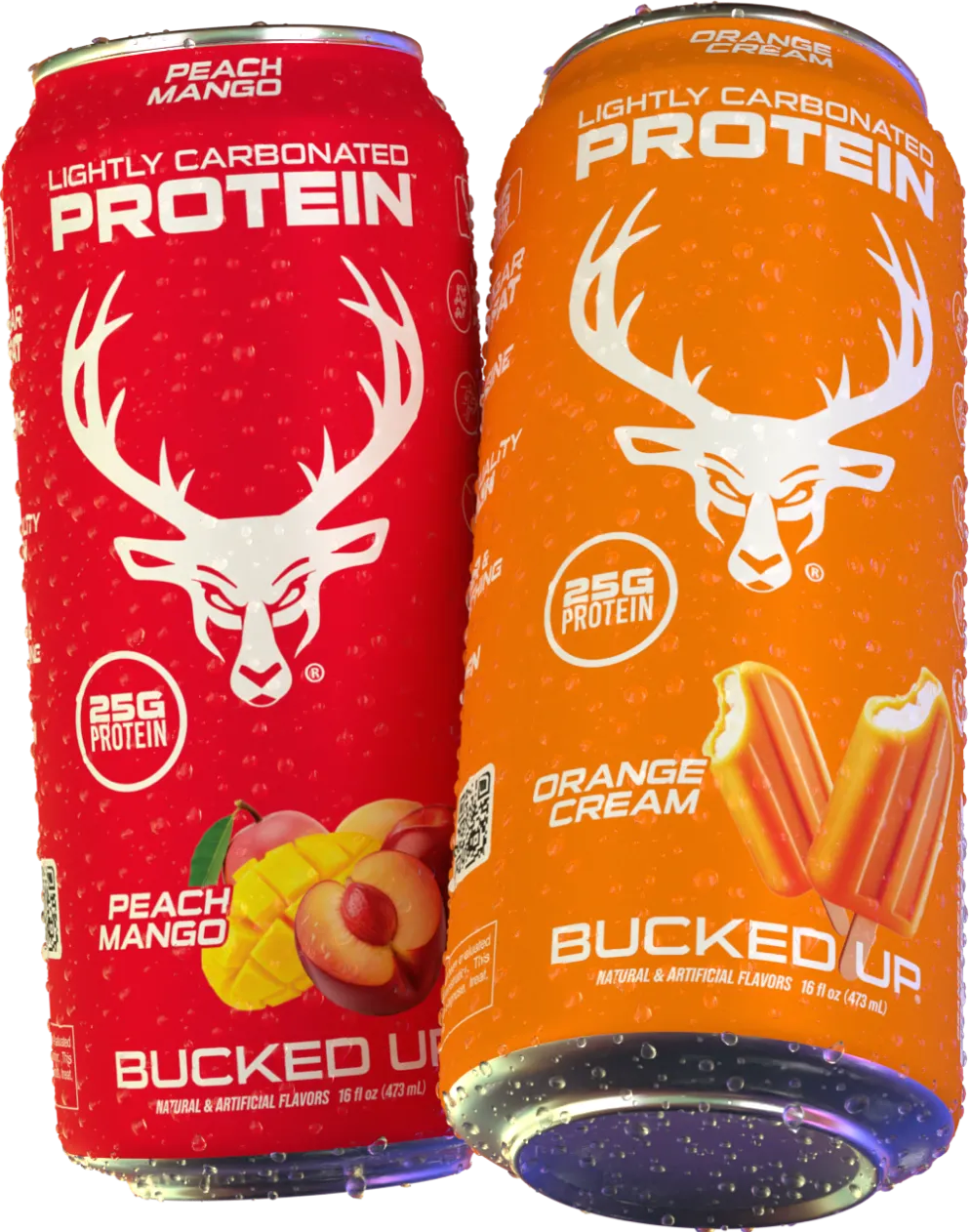
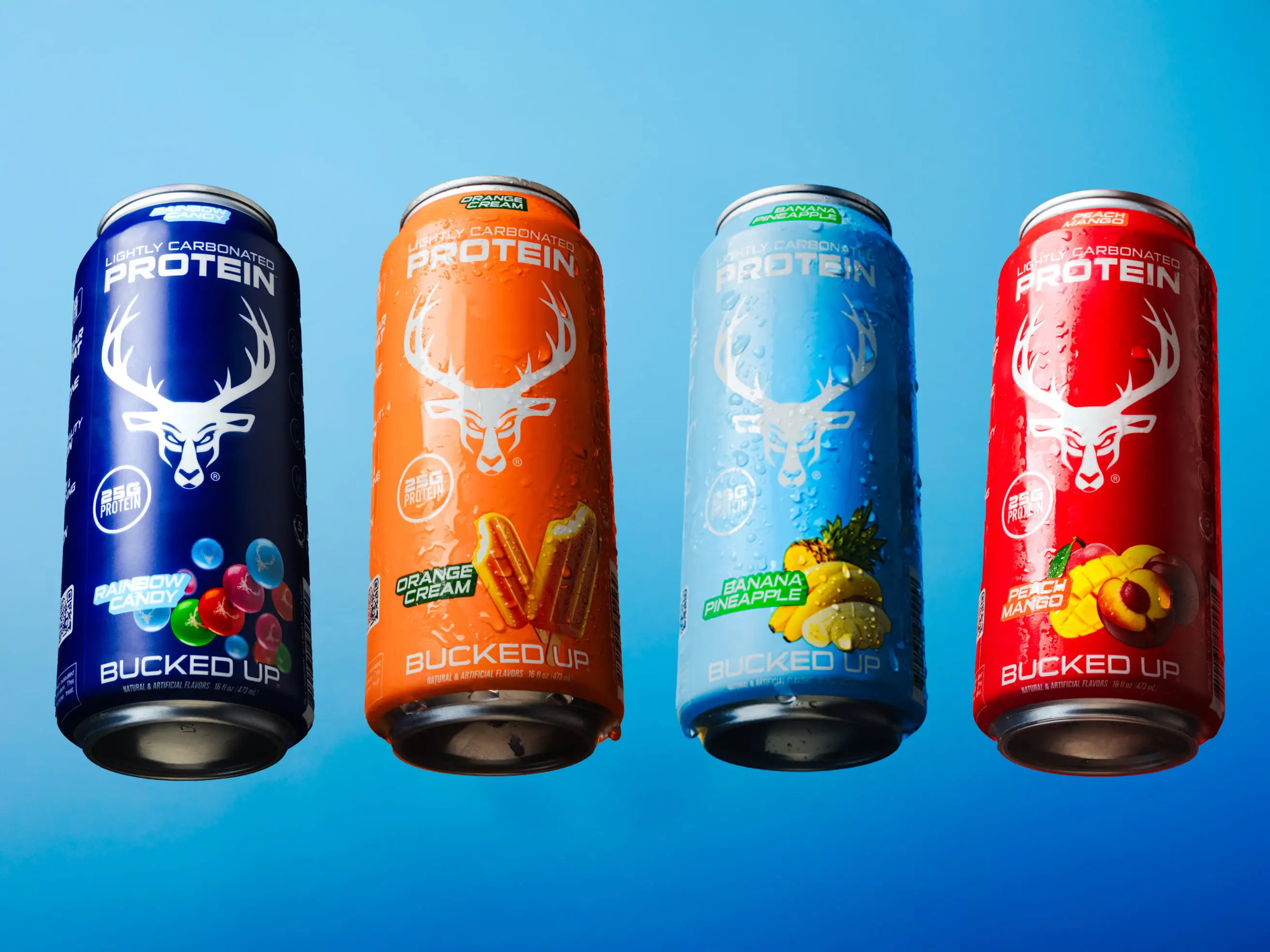
Bucked Up Protein Soda delivers 25g of whey protein isolate in a carbonated drink that addresses common complaints about thick, milky post-workout shakes. Whey protein isolate provides faster absorption than concentrate due to its higher protein purity with minimal carbohydrates and fats.1 As shown in the comparison above, this profile comes in at just 100 calories with zero sugar and zero carbs, which supports lean muscle recovery without a heavy, dessert-like shake.1
The carbonated format tastes closer to an energy drink than a traditional protein shake, which can help if you dislike creamy textures or feel full after training. This lighter feel makes it easier to drink within the early post-workout window when muscles respond strongly to protein. For individuals using GLP-1 medications, the low-calorie liquid format supports muscle preservation targets of 1.2–1.6g protein per lb-equivalent of body weight without overwhelming a reduced appetite.1
The product fits common low-carb approaches such as keto and paleo and is manufactured in GMP-certified facilities. Try Bucked Up’s carbonated protein soda to see how this lighter format feels in your own recovery routine.
Post-Workout Recovery Shakes (Traditional RTDs)
While Bucked Up offers a carbonated alternative, traditional milk-based protein shakes remain popular for their familiar texture and higher calorie content, which some people prefer after intense sessions. According to product labels, Fairlife Core Power provides 26g protein with 8g of total carbohydrates in a 170-calorie milk-based shake. Premier Protein Classic Protein Shakes deliver 30g of protein with 3–5g of carbs per 11.5 oz serving, depending on flavor at 160 calories. Muscle Milk offers 25g protein with added vitamins at 180 calories. These traditional options provide ready-to-drink nutrition with a creamy shake experience.
When Meal Replacements Make Sense, Not Just Recovery
Some products focus on full-meal style nutrition rather than rapid post-workout recovery. Ka’Chava, for example, provides 25g plant-based protein with superfoods and broader micronutrient support. Plant proteins can digest more slowly than whey protein due to added fiber, which can feel more filling but may not match the speed of whey for immediate recovery. Slate offers low-sugar chocolate milk alternatives with moderate protein content and a familiar chocolate milk taste.
These options work better as meal replacements or general nutrition support rather than as primary choices for fast post-workout protein delivery. They can still play a role in your overall diet, especially when you want more calories, fiber, and vitamins in one drink.
Why Liquid Formats Outperform Solid Options for Immediate Recovery
Liquid protein formats usually reach your muscles faster than solid foods or bars. Protein bars like Quest provide convenient portable nutrition but require digestion time that delays amino acid availability compared to liquid options. Whole food combinations face the same limitation, because even though they offer complete nutrition, they do not match the rapid absorption needed for tight post-workout timing.
This digestion delay explains why ready-to-drink formats often work better for immediate post-workout needs. They support faster gastric emptying and quicker amino acid delivery when your muscles are most responsive. Get the most efficient liquid protein delivery system with Bucked Up’s carbonated format if you want a lighter alternative to thick shakes.
Why Carb-to-Protein Ratios Shape Recovery Goals
Betts et al. (2024) report that 2:1 to 4:1 carbohydrate-to-protein ratios support glycogen replenishment for endurance activities, while strength training places more emphasis on protein for muscle repair. Given whey isolate’s rapid absorption discussed earlier, many lifters focus on getting enough high-quality protein first, then adjusting carbs based on training style and body-composition goals.
This approach can be especially helpful for people aiming for lean muscle gain without large calorie surpluses. Lower-carb, higher-protein drinks can fit that strategy, while higher-carb shakes may suit endurance athletes who need to refill glycogen stores.
Considerations for Weight Management and GLP-1 Users
This focus on lean muscle development without excess calories becomes especially important for people managing weight loss or using GLP-1 medications. Low-calorie protein options like Bucked Up Protein Soda can help support GLP-1 users’ elevated protein needs of 1.2–1.6g per lb-equivalent of body weight.1 The light, easily digestible format works with reduced appetite while still delivering essential amino acids for muscle preservation during weight loss phases.
How to Choose Your Post-Workout Drink
Start with your main goal, such as lean muscle gain, weight loss, or endurance performance. Then look at protein content, calories, and carb levels to see how each drink fits that goal. Taste and digestion also matter, so compare how you feel after carbonated options versus traditional shakes.
Track your energy, recovery, and stomach comfort for a week or two with each style. This simple experiment helps you find a post-workout option you can use consistently, which matters more than any single serving.
Frequently Asked Questions
What is the difference between whey isolate and concentrate for post-workout recovery?
Whey protein isolate contains a higher percentage of protein with less lactose and fat than concentrate, which typically contains less total protein per serving. This difference can support faster absorption and a leaner macronutrient profile.1
Is Bucked Up Protein Soda suitable for immediate post-workout consumption?
Yes. As discussed earlier, the 25g whey isolate content supports effective protein intake within the early post-workout window.1 The carbonated format provides a refreshing drink that supports rapid muscle protein synthesis without the heaviness some people experience with thick shakes.1
Does carbonation affect protein absorption rates?
Light carbonation does not reduce whey protein’s rapid absorption.1 It mainly affects taste and mouthfeel. The effervescence can make the drink more enjoyable when appetite feels low after training, which can help you stay consistent with daily protein intake.
What makes this helpful for GLP-1 medication users?
The low-calorie liquid format fits reduced appetite while still providing substantial protein for muscle preservation.1 At 100 calories with 25g protein, it helps meet elevated protein requirements without adding a large, heavy meal that may feel difficult to finish.
How does this compare to traditional protein shakes for recovery?
Traditional shakes often feel thicker and creamier, which some people enjoy but others find heavy or bloating. The carbonated format offers a lighter, more refreshing experience with faster gastric emptying for many users. The zero-carb profile also supports lean muscle goals, while the energy drink-like taste can encourage consistent post-workout use.
Conclusion
Bucked Up Protein Soda provides a carbonated delivery of 25g whey isolate in a refreshing, low-calorie format that fits many post-workout routines. Experience this innovative approach to post-workout recovery and see how it compares to your usual shake.
1 The content provided in this article is for informational purposes only and is not medical advice. Consult with a medical professional before implementing any changes to your diet, health, or exercise routines.
Individual results will vary and are based on a combination of each individual’s diet, exercise, age, and health circumstances.
These statements have not been evaluated by the Food and Drug Administration. This product is not intended to diagnose, treat, cure or prevent any disease.
This article was written by Ryan Gardner, CEO of Bucked Up. As the maker of Bucked Up Protein Soda, we have a financial interest in this information. The views expressed are our own and should be read with that context in mind.