Last updated: April 22, 2026
Key Takeaways
- Heavy, milky protein shakes often cause bloat. Whey isolate RTDs support fast absorption and smoother digestion after training.1
- Aim for 20–40g of protein within 30–60 minutes post-workout to support muscle protein synthesis through the 2.5–3g leucine threshold.1
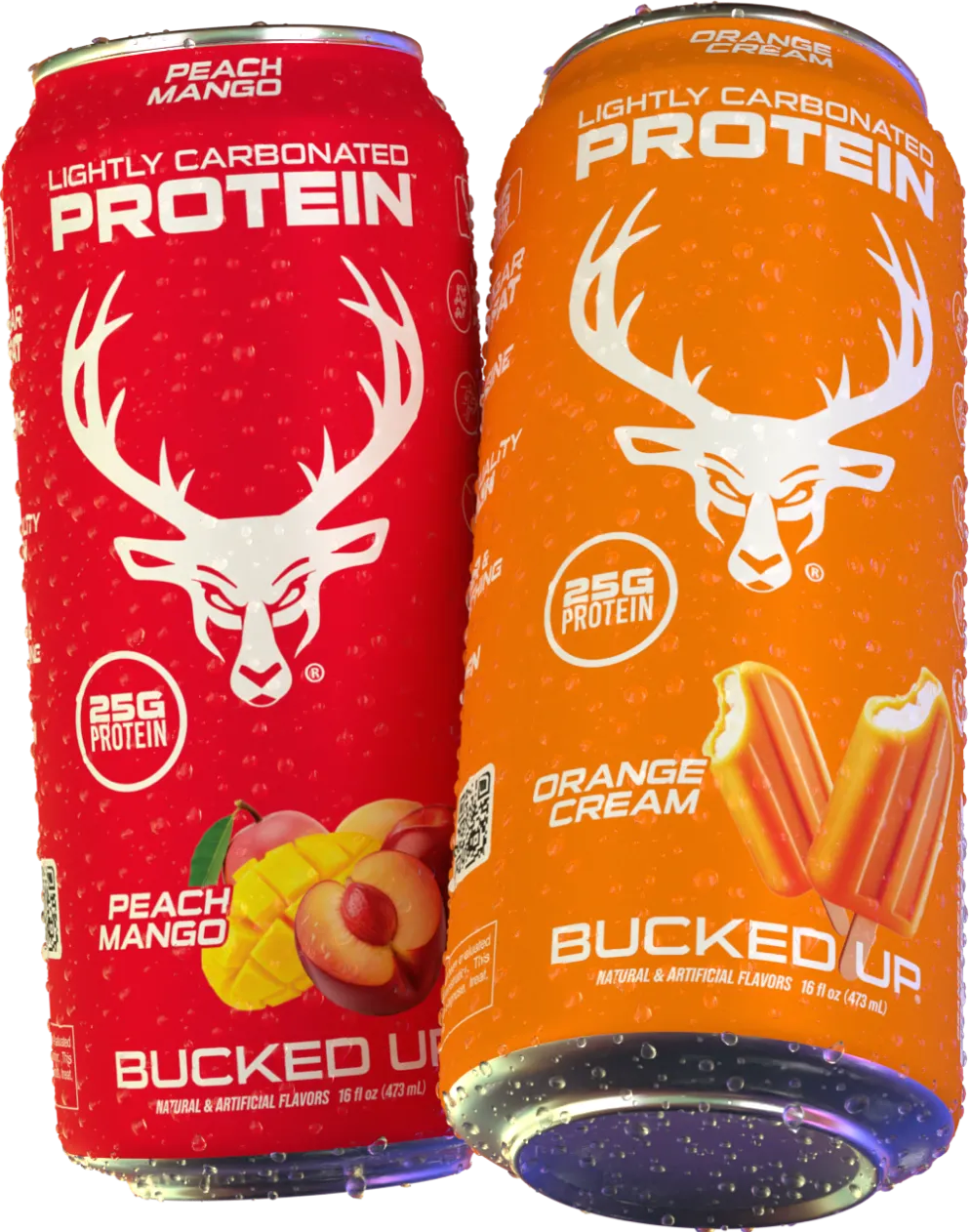
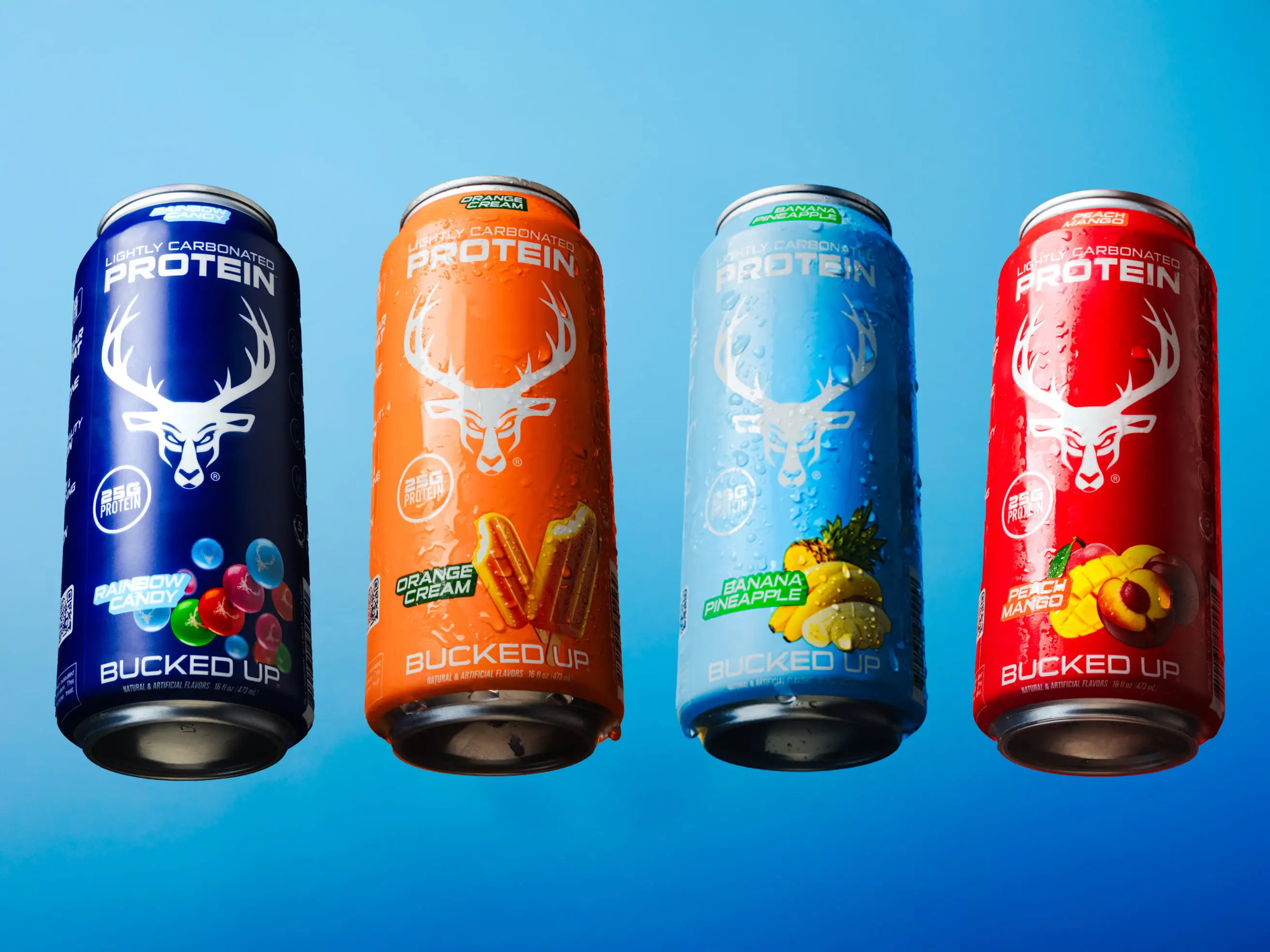
- Bucked Up Protein Soda provides 25g whey isolate, 100 calories, and a light carbonated format that feels less heavy than traditional shakes.
- This style of drink can work well for GLP-1 users and athletes who need light, convenient protein to preserve muscle during weight loss or gains.1
- Upgrade your recovery with a bloat-free, zero-carb protein option designed for convenience.1
The Problem: Why Traditional Post-Workout Shakes Fall Short
Traditional protein shakes create multiple barriers to effective post-workout nutrition. Whey protein concentrate (WPC) typically contains 70–80% protein by weight with small amounts of lactose and fat, which can cause digestive discomfort and slower absorption. For individuals with lactose sensitivity experiencing bloating, gas, or GI discomfort, whey protein isolate is recommended due to its near-elimination of lactose (often under 1g per serving).1
The science behind post-workout protein timing supports quick, high-quality intake. Performance and clinical dietician Renee McGregor recommends consuming a protein shake within 30 minutes post-run during the “magic window” when the body takes up nutrients at a quicker rate to kick-start post-run repair and recovery. Whey isolate has a DIAAS score of 1.09 and is often chosen to support this post-workout muscle protein synthesis trigger.1
| Metric | Whey Isolate | Whey Concentrate |
|---|---|---|
| Protein Content | 90% or more protein by weight per scoop | about 70–80% protein per scoop |
| Lactose Content | Under 1g per serving | Up to 3.5 grams of lactose per serving |
| Absorption Rate | Rapid absorption | Slower digestion and absorption |
Post-workout protein shakes support muscle recovery and performance.1 A two-month study on well-trained endurance athletes found that supplementing with 30g of whey protein per day during this critical window led to leg muscle gains, body fat loss, improved aerobic speed, and less fatigue compared to a control group with no supplementation.1 For individuals using GLP-1 medications, protein intake becomes even more critical, because liquid formats are often easier to consume when solid food tolerance is reduced.
Given these needs for fast absorption, lower lactose, and simple delivery, it helps to look at how leading ready-to-drink protein options compare for post-workout recovery.
High-Protein Drinks That Support Post-Workout Recovery
Focus on protein content, absorption speed, calorie load, and drink format when you compare ready-to-drink protein options for post-workout recovery.
1. Bucked Up Protein Soda
This carbonated protein beverage delivers 25g of whey protein isolate in just 100 calories with zero sugar and zero carbs. The lightly carbonated format feels less heavy than traditional shakes while still supporting rapid protein absorption.1 Try this carbonated protein innovation for yourself.
2. Fairlife Core Power
This option contains 26g of a protein blend with 170 calories. The milky consistency and higher calorie content may not suit people who want a lighter post-workout drink.
3. Premier Protein
This drink provides 30g of protein in 160 calories. The higher protein content can appeal to serious athletes, though the thick texture can feel heavy immediately after training.
4. Muscle Milk
This product offers 25g of protein with higher fat content and calories. That profile can work better as a meal replacement than as a light, immediate post-workout option.
5. Oikos Fusion
Danone launched Oikos Fusion, a yogurt drink targeting GLP-1 users, in August 2025 with 23 grams of complete protein, leucine, and vitamin D per bottle to support muscle retention.1 The yogurt-based format offers solid nutrition but does not provide the same crisp, refreshing feel as carbonated options.
6–10. Additional RTD Options
Other market options include various protein waters, plant-based RTDs, and traditional shake formats. Each category carries specific trade-offs in protein quality, taste, and digestibility.
The table below highlights how these featured options compare on protein type, calories, and drink format, which are key factors for post-workout recovery.
| Product | Protein Content/Type | Calories | Format |
|---|---|---|---|
| Bucked Up Protein Soda | 25g Whey Isolate | 100 | Carbonated |
| Fairlife Core Power | 26g Protein Blend | 170 | Milky RTD |
| Premier Protein | 30g Protein | 160 | Thick RTD |
| Oikos Fusion | 23g Complete Protein | Varies | Yogurt Drink |
Who Benefits Most: GLP-1 Users, Athletes, and Busy Professionals
For Weight Loss and GLP-1 Users
Bucked Up Protein Soda’s light, carbonated format aligns with the needs of people managing weight or using GLP-1 medications. The American College of Lifestyle Medicine states that about a fifth of the weight lost by people on GLP-1 drugs is muscle mass, which increases demand for high-protein products like RTD beverages. The liquid format with 25g of high-quality protein helps support muscle preservation while staying easy to drink when solid food feels challenging.1
For Athletes, Gym-Goers, and Busy Professionals
The post-workout window calls for immediate, convenient nutrition. Bucked Up’s ready-to-drink format removes prep time and supports fast-absorbing whey isolate intake.1 The carbonated texture offers a refreshing alternative to heavy shakes that can feel uncomfortable right after intense training sessions.
How to Choose a Post-Workout Drink and Where Bucked Up Fits
When selecting post-workout protein drinks, start by prioritizing whey isolate over concentrate for faster absorption, so amino acids reach your muscles during the key recovery window. Next, look for lower-calorie options that support your body composition goals without unnecessary energy intake. Then factor in format preferences, because the way a drink feels and tastes affects how consistently you will use it.
Bucked Up Protein Soda aligns with these criteria through its carbonated delivery system for format variety, 100-calorie profile for calorie control, and whey isolate formulation for absorption speed. It also follows USA GMP manufacturing standards and uses transparent labeling for all ingredients, which supports informed choices.
Frequently Asked Questions
What is the difference between whey isolate and concentrate?
Whey protein isolate goes through additional filtration that removes more fat and lactose, which results in 90% or more protein content compared to concentrate’s 70–80%. Isolate typically absorbs faster and tends to cause less digestive discomfort.1 Many people choose it for post-workout recovery when rapid amino acid delivery matters most.
What timing works well for post-workout protein?
Many experts recommend 20–40g of high-quality protein within 30–60 minutes after exercise to support muscle protein synthesis.1 During this period, your muscles are especially receptive to amino acid uptake for repair and growth. Faster-absorbing protein sources can help support this muscle-building process.
Is protein supplementation safe while using GLP-1 medications like Zepbound?
Protein drinks can be helpful for GLP-1 users who struggle with solid food intake. The liquid format is often easier to consume when appetite is suppressed, and adequate protein intake supports muscle preservation during weight loss.1 Always consult your healthcare provider before making significant dietary changes while on medication.
How does Bucked Up compare to other RTD proteins?
Bucked Up Protein Soda uses a unique carbonated format with the same 25g dose mentioned earlier in just 100 calories. Compared with traditional milky RTDs, it offers a lighter, more refreshing texture that many people find easier to drink after training. The carb-free profile discussed earlier can also align with keto and other low-carb approaches.
Does carbonation affect protein digestion?
Current evidence does not show that carbonation harms protein absorption. The light fizz can make the drink more enjoyable and easier to finish when you do not feel like having a thick shake. This different format can also make regular protein intake feel less like a chore.
Conclusion: A Lighter Way to Support Recovery
Traditional heavy protein shakes are no longer the only option for post-workout recovery. Bucked Up Protein Soda addresses common issues like bloating, taste fatigue, and prep time with its innovative carbonated format and high-quality whey isolate content.1 In 2026, consumers expect 20 grams or more of protein per serving, with products meeting this threshold significantly outperforming lower-protein competitors. Experience this refreshing alternative to traditional shakes and see how it fits into your own recovery routine.
1 The content provided in this article is for informational purposes only and is not medical advice. Consult with a medical professional before implementing any changes to your diet, health, or exercise routines.
Individual results will vary and are based on a combination of each individual’s diet, exercise, age, and health circumstances.
These statements have not been evaluated by the Food and Drug Administration. This product is not intended to diagnose, treat, cure or prevent any disease.
This article was written by Ryan Gardner, CEO of Bucked Up. As the maker of Bucked Up Protein Soda, we have a financial interest in this information. The views expressed are our own and should be read with that context in mind.