Last updated: April 22, 2026
Key Takeaways
- Low calorie protein drinks work best when they provide at least 20 grams of whey protein isolate and stay under 150 calories.
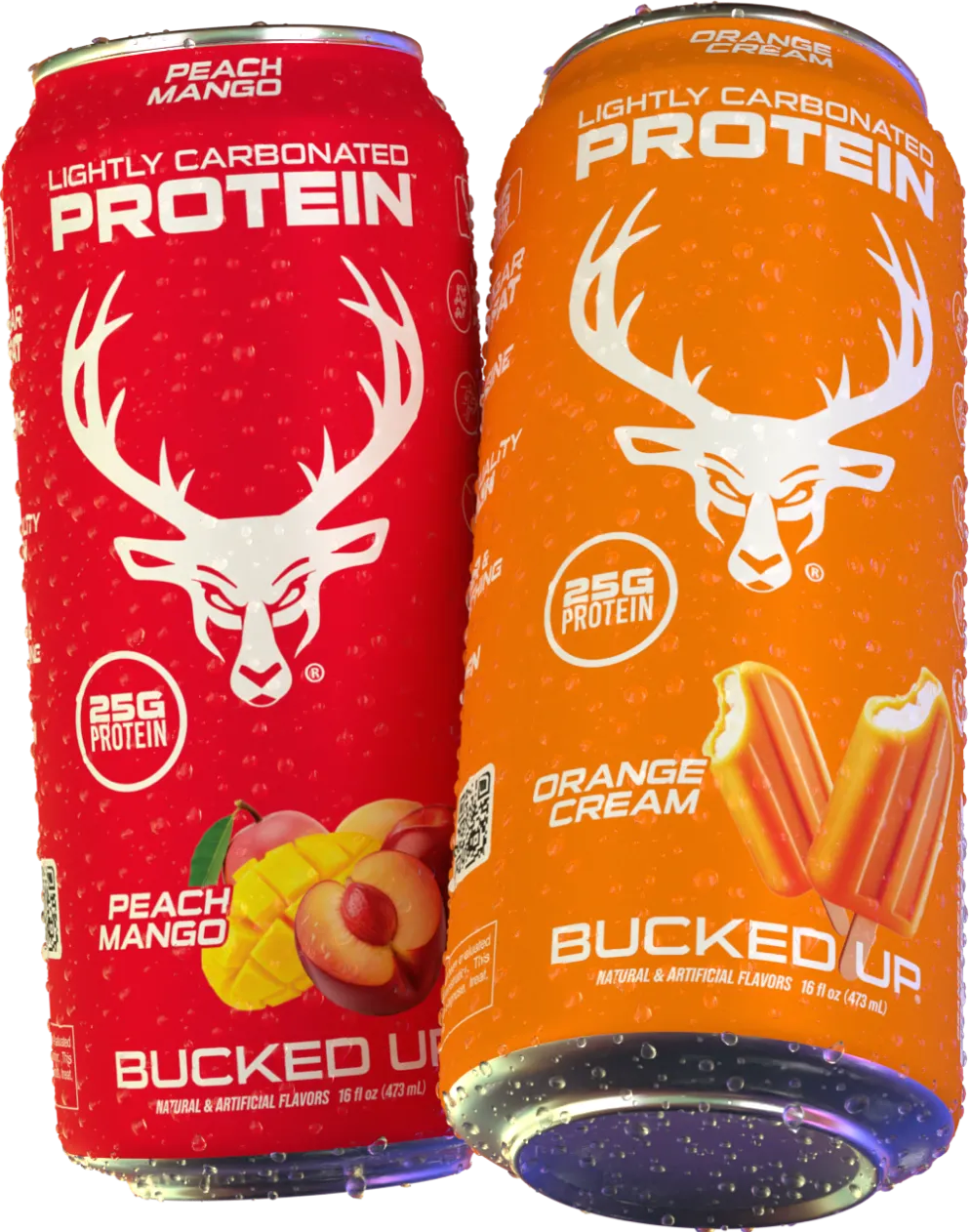
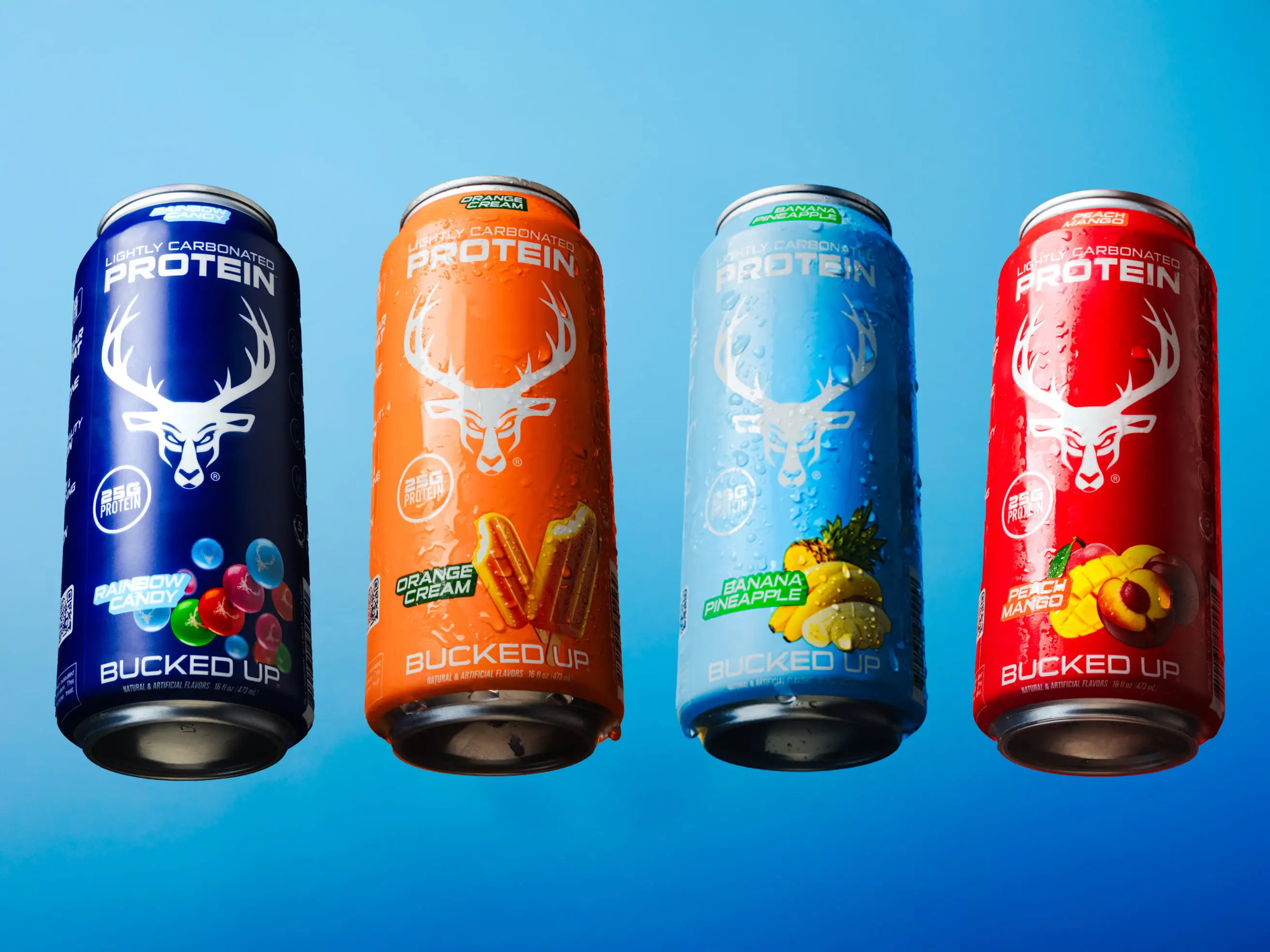
- Bucked Up Protein Soda offers 25 grams of whey isolate in 100 calories with zero sugar and light carbonation that feels similar to an energy drink.
- Whey isolate digests faster than concentrate, which reduces lactose exposure and supports post-workout recovery and muscle preservation for GLP-1 users.1
- Traditional shakes like Fairlife and Premier Protein have a creamy texture but usually land around 160 to 170 calories per serving.
- Bucked Up Protein Soda can make daily protein intake both enjoyable and effective, so discover the refreshing difference.
Low Calorie Protein Drinks Comparison
The following table compares leading low calorie protein drinks by calories, protein type, and flavor profile so you can quickly see which style fits your routine.
| Brand/Product | Calories/Protein(g)/Type | Key Flavors | Taste Notes | Price per Serving |
|---|---|---|---|---|
| Bucked Up Protein Soda | 100/25/Whey Isolate | Banana Pineapple | Refreshing fizz, energy drink-like | approximately $3.33 |
| Premier Protein | 160/varies/varies | Chocolate, Vanilla | Milky, creamy | not available |
| Fairlife Core Power | 170/26 (80% casein, 20% whey)/Milk | Chocolate, Vanilla | Thick, dairy-forward | approximately $3.92 |
| Isopure Ready to Drink | 130/32/Whey Isolate | Alpine Punch, Blue Raspberry | Clear, can taste watery or artificial | $5.24 |
Low Calorie Protein Drinks to Consider
1. Bucked Up Protein Soda
Bucked Up Protein Soda delivers 25 grams of 100% whey protein isolate in 100 calories with zero sugar and zero carbs. The lightly carbonated format creates a crisp, refreshing experience instead of the heavy, milky texture common in many shakes. The tropical Banana Pineapple flavor provides an energy drink-like taste without any caffeine. The caffeine-free formula works well morning, afternoon, or evening, while the whey isolate supports rapid amino acid delivery after training.1 This lighter style can also help GLP-1 users who struggle with solid foods and need an easy-to-drink protein source.
2. Fairlife Core Power
Fairlife Core Power 26g Protein Shake has 170 calories per 14 fl. oz. serving. It provides 26 grams of complete protein from ultra-filtered milk, with 80% casein and 20% whey. The ultra-filtered milk base creates a rich, creamy texture that feels like a traditional dairy shake. This thicker, dairy-forward profile can feel heavy compared with lighter or carbonated options.
3. Premier Protein
Premier Protein shakes have 160 calories per serving. Premier Protein 100% Whey Protein Powder contains 20% whey protein concentrate (7.8 grams per 39-gram serving). This concentrate-based formula digests slower than isolate, which may delay amino acid availability after workouts.1 The milky texture reinforces a classic shake experience and contrasts with the lighter feel of carbonated drinks.
4. Isopure Ready to Drink
Isopure Ready to Drink 32g Zero Carb Protein Drink has 130 calories per bottle and delivers 32 grams of 100% pure whey protein isolate with fruit-inspired flavors such as Alpine Punch and Blue Raspberry. The clear liquid format avoids dairy heaviness and keeps the drink light. Some people describe the taste as watery or artificial, even though the isolate still offers absorption benefits.1
5. Muscle Milk Pro Series
Muscle Milk Pro Series Protein Powder contains 50 grams of protein per serving and has 310 calories per serving. The blend of whey and casein proteins supports sustained amino acid release over several hours.1 The higher calorie count and thicker shake style may feel too heavy for people focused on lower calorie, lighter-feeling options.
6. OWYN High Protein
OWYN High Protein Complete Nutrition Shake has 180 calories per serving and provides 26 grams of plant-based protein from pea protein, pumpkin seed protein, and flaxseed oil. This option fits plant-based and dairy-free diets. The higher calorie content and different amino acid profile can make it less comparable to whey isolate for muscle protein synthesis.1
7. Koia Plant Based
Koia Cacao Bean Nutrition Shake has 180 calories per 11 fl oz bottle and delivers 20 grams of plant-based protein from brown rice, pea, and chickpea proteins. Monk fruit provides sweetness without traditional sugar. The calorie density and plant blend support general nutrition but may not match whey isolate for fast post-workout absorption.1
8. Dymatize ISO100
Dymatize ISO100 provides 25 grams of hydrolyzed whey protein isolate. Dymatize ISO100 Gourmet Vanilla has 110 calories per serving. The hydrolyzed format supports very fast digestion, which many athletes value after intense training.1 Flavor choices remain more traditional, and the texture can feel thinner than newer, more experiential formats.
9. Optimum Nutrition Gold Standard
ON Gold Standard 100% Whey provides 24 grams of protein per serving with whey protein isolate as the primary source in 120 calories. The brand offers a familiar, reliable shake experience. The standard creamy format lacks the sparkling, soda-like quality that can make protein breaks feel more refreshing.
10. Quest Protein Shake
Quest Protein Shake has 170 calories per 325mL serving and delivers 30 grams of protein from milk protein concentrate and milk protein isolate with minimal carbs. The brand focuses on macro-friendly formulations that support higher protein intake. The taste and texture stay close to conventional ready-to-drink shakes rather than newer carbonated styles.
When you compare these options side by side, test a carbonated format against traditional creamy shakes to see which you enjoy more. Try the carbonated format today to experience this different take on protein.
Low Calorie Protein Drinks for Weight Loss and GLP-1 Users
Individuals managing weight loss, especially those using GLP-1 medications like Ozempic, face unique challenges with protein intake. Studies show that roughly 20–40% of weight lost may come from lean mass without sufficient protein intake during GLP-1 therapy.
Bucked Up Protein Soda can stand out for this group because the light, easily digestible format does not overwhelm a reduced appetite. The carbonation can make each sip feel more palatable when solid foods seem unappealing. Fella Health recommends 1.0–1.5 grams of protein per kilogram of ideal body weight daily for GLP-1 users, so a 25-gram serving can play a useful role in meeting that target.
Other options such as Fairlife Core Power and Isopure Ready to Drink also provide quality whey protein, though their thicker or more intense textures may feel less comfortable for some users. The priority is finding drink formats that support consistent daily intake instead of creating taste fatigue or aversion.
Whey Isolate vs. Concentrate Explained
Protein type directly affects digestion, comfort, and how quickly your muscles receive amino acids. Whey protein isolate contains about 85% to 90% pure protein with almost zero lactose and very little carbohydrate or fat, while concentrate usually contains 70% to 80% protein with more lactose.
Isolate digests somewhat faster than concentrate because less fat and lactose slow gastric emptying, so many people choose it for post-workout recovery.1 The lower lactose content can also reduce digestive discomfort for those who are sensitive. Bucked Up uses a 100% whey isolate formula and pairs it with carbonation to deliver these benefits in a lighter-feeling drink.
Buyer Guide: Choosing Low Calorie Protein Shakes That Fit Your Routine
Start by prioritizing whey protein isolate over concentrate when you want faster absorption and easier digestion.1 This protein threshold matters because at least 20 grams per serving helps trigger muscle protein synthesis1, while staying under 150 calories keeps each drink focused on protein instead of extra fillers. Zero sugar formulations support this approach by limiting unnecessary carbohydrate intake during weight management phases.
Next, think about texture and drinking experience, since that often determines whether you stay consistent. Traditional creamy shakes and innovative carbonated formats like Bucked Up feel very different in the mouth. The carbonated approach can make daily protein breaks feel more like a treat, especially for people who dislike heavy, milky textures. Experience this category-defining innovation and see how it fits into your day.
Frequently Asked Questions
What are low calorie protein drinks to consider?
Bucked Up Protein Soda offers 25 grams of whey protein isolate in a 100-calorie, carbonated format that feels light and refreshing. Other options include Fairlife Core Power 26g Protein Shake, which has 170 calories per 14 fl. oz. serving and 26 grams of complete protein from ultra-filtered milk with 80% casein and 20% whey, and Isopure Ready to Drink, which provides 130 calories and 32 grams of 100% whey protein isolate per bottle.
What is a refreshing protein drink for weight loss?
Bucked Up Protein Soda delivers a bright, refreshing taste with its Banana Pineapple flavor and light carbonation. This style can help people on GLP-1 medications who experience appetite suppression and need easy, appealing protein options. The zero sugar and zero carb formula supports weight loss goals while still tasting like a flavored beverage instead of a heavy shake.
Are protein drinks that taste like soda effective for muscle building?
Carbonated protein drinks such as Bucked Up can support muscle building as long as they contain enough high-quality protein.1 The 25-gram whey isolate serving mentioned earlier supplies all essential amino acids needed for muscle protein synthesis.1 The enjoyable taste can also encourage consistent daily intake, which matters just as much as the protein amount on the label.
How much protein do I need daily for muscle preservation during weight loss?
Most adults need 1.2 to 1.6 grams of protein per kilogram of body weight daily during weight loss to help preserve muscle mass. For a 154-pound person, this equals roughly 84 to 112 grams per day. This range aligns with the guidance for GLP-1 users discussed earlier, who often benefit from the higher end due to increased muscle loss risk during rapid weight reduction.
Can I drink low calorie protein drinks every day?
High-quality low calorie protein drinks can fit into daily routines as part of a balanced nutrition plan. Products like Bucked Up Protein Soda, which focus on clear ingredient lists and meaningful protein servings, support daily protein goals without adding many extra calories. The caffeine-free formula also makes it suitable for evening use without affecting sleep.
Low calorie protein drinks that still taste good combine quality protein sources with formats you actually look forward to drinking. Bucked Up Protein Soda offers a refreshing carbonated option with a strong protein-to-calorie ratio. Explore Bucked Up’s carbonated protein soda and see how it fits your goals.
1 The content provided in this article is for informational purposes only and is not medical advice. Consult with a medical professional before implementing any changes to your diet, health, or exercise routines.
Individual results will vary and are based on a combination of each individual’s diet, exercise, age, and health circumstances.
These statements have not been evaluated by the Food and Drug Administration. This product is not intended to diagnose, treat, cure or prevent any disease.
This article was written by Ryan Gardner, CEO of Bucked Up. As the maker of Bucked Up Protein Soda, we have a financial interest in this information. The views expressed are our own and should be read with that context in mind.