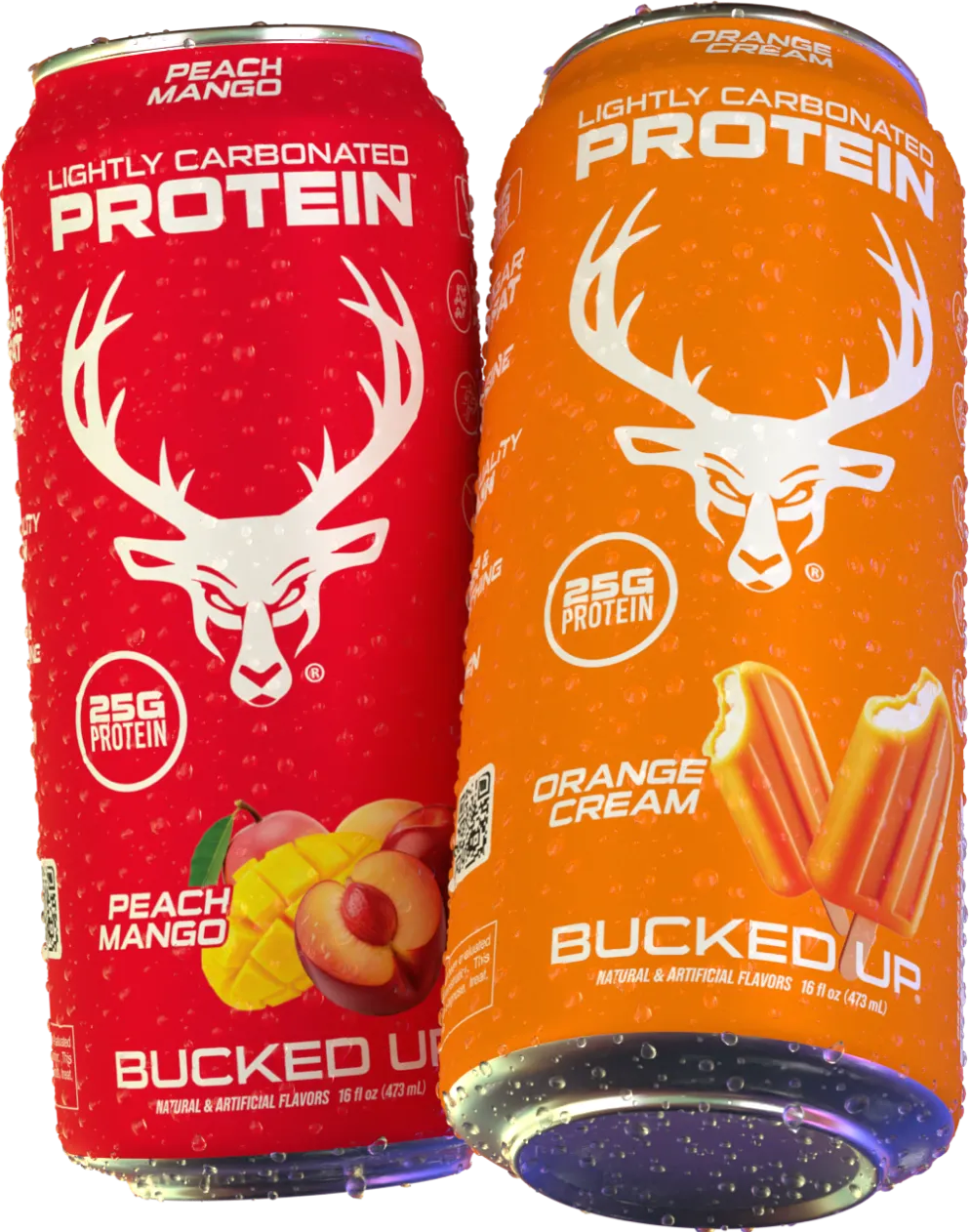
Last updated: April 22, 2026
Traditional protein shakes often feel thick, heavy, and hard on your stomach. Many people want fast recovery without bloating or a chalky texture. This guide walks through seven lighter protein options that support muscle repair while feeling more like a refreshing drink than a dense shake.1
Key Takeaways
- Heavy protein shakes can cause bloating and slower absorption, while light formats like carbonated protein sodas deliver amino acids in about 20–30 minutes per ISSN research.1
- Bucked Up Protein Soda provides 25g whey isolate, zero sugar, zero carbs, and 100 calories in a refreshing ready-to-drink format for rapid recovery.1
- Whey isolates digest faster than concentrates and often reduce soreness and digestive discomfort for athletes, GLP-1 users, and busy professionals.1
- Ready-to-drink options like Bucked Up remove prep time, which supports post-workout timing and muscle preservation during weight loss when intake reaches 1.2–2.0g protein per kg body weight.1
- You can upgrade your recovery with Bucked Up Protein Soda, a carbonated option that focuses on convenience and taste.
To compare your choices at a glance, review the table below. It highlights protein content, format, and calories so you can quickly see how Bucked Up stacks up against other light recovery options.
Quick Comparison of Top Light Recovery Proteins
| Product | Protein per Serving | Type | Format/Calories |
|---|---|---|---|
| Bucked Up Protein Soda | 25g | Whey Isolate | Carbonated RTD/100 cal |
| ISO100 Clear Whey | 20g | Whey Isolate | Powder/90 cal |
| SEEQ Clear Protein | 22g | Whey Isolate | Powder/100 cal |
| Isopure Clear Protein | 20g | Whey Isolate | RTD/90 cal |
Now move from the overview into each product so you can see how they differ on taste, format, and use cases.
#1: Bucked Up Protein Soda
Bucked Up Protein Soda is a carbonated ready-to-drink protein beverage that delivers 25g of clear whey protein isolate with rapid absorption.1 The light, fizzy texture replaces the milky, chalky feel of traditional shakes while providing zero sugar and zero carbs in 100 calories per can.
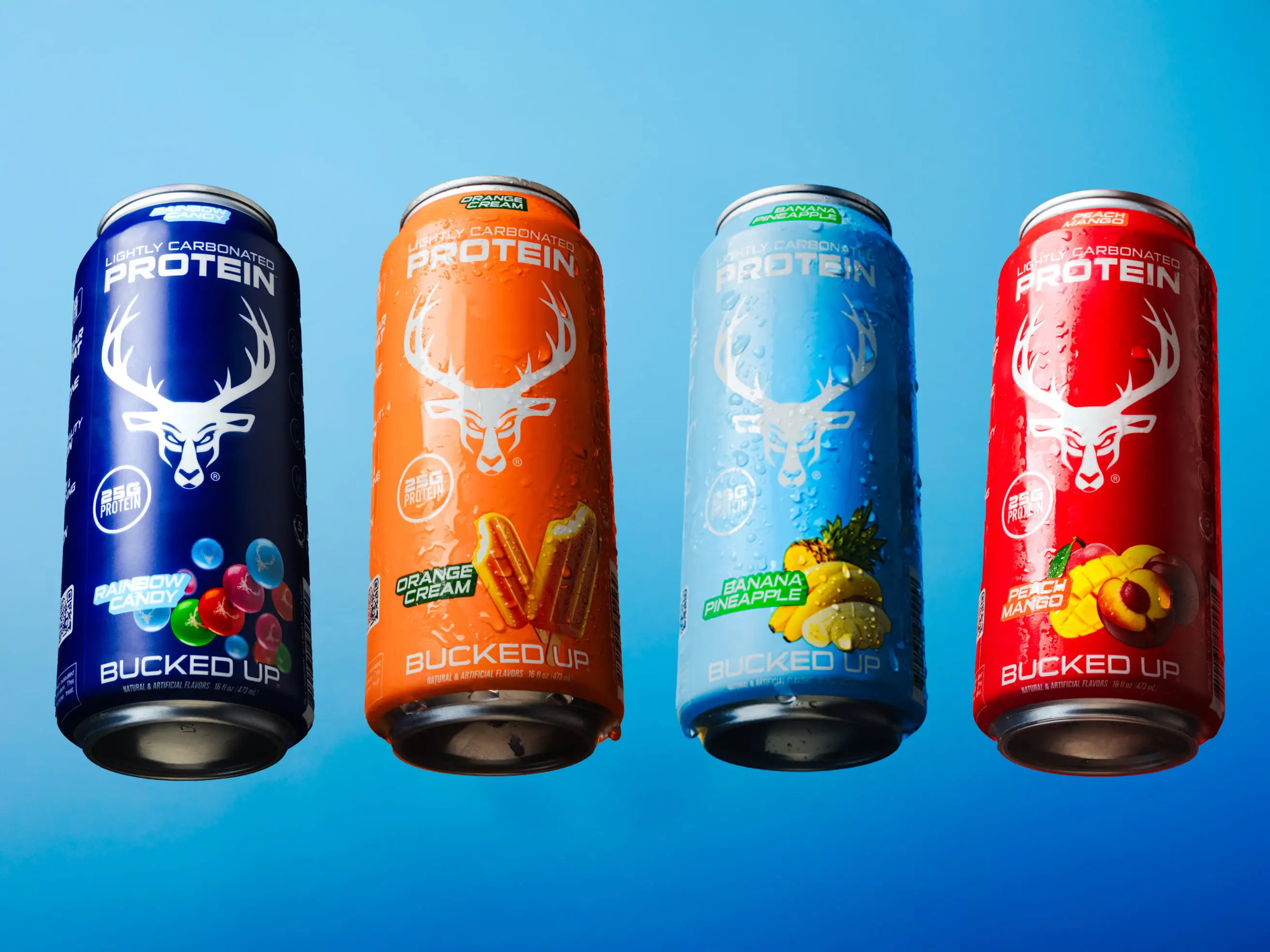
This format supports several groups. Athletes can drink it within the 30-minute post-workout window for recovery.1 Busy professionals get no-prep convenience they can keep at their desk or in a bag. GLP-1 users gain easy-to-digest protein that helps preserve muscle during weight loss when appetite is low.1
For GLP-1 users specifically, meeting daily protein targets becomes harder because appetite suppression often reduces whole-food intake. Research recommends 1.2–1.6g protein per kg body weight for GLP-1 users to maintain lean mass, which equals roughly 0.54–0.73g per lb body weight.1
Customer testimonials emphasize taste and ease of use. One user shared, “These are seriously delicious! They taste like an energy drink, but healthier and with no caffeine. I will definitely be buying a bunch.” Another user noted, “The protein sodas far exceeded my expectations. They taste similar to an energy drink and don’t have any weird aftertaste like some other clear whey protein drinks do.”
Try Bucked Up Protein Soda to experience this lighter style of protein supplementation.
#2: ISO100 Clear Whey
Dymatize ISO100 Clear provides 20g of hydrolyzed whey protein isolate in a light, juice-like drink when mixed with water. It offers fast absorption and minimal lactose, which can support recovery for people who tolerate powders well.1 The powder format still needs mixing and cleanup, so it feels less convenient than ready-to-drink cans for travel or work.
#3: SEEQ Clear Protein
SEEQ delivers 22g of whey protein isolate with natural flavoring and stevia for sweetness. The clear mixing formula avoids the thick texture of many traditional protein powders. It still requires preparation time, and some users may notice a stevia aftertaste that differs from naturally flavored carbonated options.
#4: Isopure Clear Protein RTD
Isopure offers a ready-to-drink clear protein option with 20g of whey protein isolate and about 90 calories. The light texture and RTD format support quick use after workouts or during the day. The lower protein per bottle means some users may need more than one serving to hit the 20–40g post-workout range from ISSN.
#5: Premier Protein Clear
Premier Protein’s clear variant provides 20g of protein in a lighter drink. It typically uses protein blends instead of pure whey isolate. These mixed sources can digest more slowly than isolated whey, which may delay amino acid delivery compared with isolate-focused products.
#6: Bloom Nutrition Clear Whey
Bloom offers a clear whey isolate powder with 20g of protein and added probiotics for digestive support. The probiotic blend may support gut health for some users. The powder still needs mixing and may not feel as crisp or refreshing as a chilled carbonated drink.
#7: Hydrolyzed Whey Isolate Powders
Several brands sell hydrolyzed whey isolate powders that contain pre-digested proteins for rapid absorption. These products often perform well on bioavailability and speed.1 Many have a more bitter taste and always require preparation, which can feel less convenient than ready-to-drink carbonated options.
Now that you have seen the seven main options, you can look at why whey isolate and lighter textures often feel better than heavy shakes for recovery.
Why Fast-Absorbing Whey Isolate Supports Recovery Better Than Heavy Shakes
Whey protein isolate goes through advanced filtration that removes most lactose and fat.1 This process leads to faster digestion and absorption than concentrate forms.1 Faster delivery of amino acids helps support quicker recovery and may reduce soreness.1
Traditional heavy shakes can slow gastric emptying and cause discomfort, fullness, or nausea when large doses hit the gut at once. Light-textured options such as carbonated protein sodas provide a similar amino acid profile while feeling easier on digestion.1
GLP-1 Users: Light Protein for Muscle Preservation
Individuals using GLP-1 medications like Ozempic or Wegovy often struggle to eat enough protein because appetite drops. The 2025 Joint Advisory from ASN, OMA, and The Obesity Society recommends 1.2–2.0g protein per kg body weight for muscle preservation during weight loss, which equals roughly 0.54–0.91g per lb body weight.
Light, easily digestible protein formats like Bucked Up Protein Soda can help GLP-1 users reach these targets without the heaviness that might further reduce appetite.1 Research shows that up to 25–40% of weight lost on GLP-1 medications can come from lean mass when protein intake and resistance training are not addressed.1
Post-Workout Benefits for Athletes
Athletes need rapid amino acid delivery after training to support muscle protein synthesis. Studies show that about 20g of protein shortly after exercise supports muscle repair and recovery, and higher amounts may not add much immediate benefit.1
Carbonated protein sodas combine hydration with fast-absorbing protein, which fits well into that post-workout window.1 Many athletes prefer a crisp, light drink when a thick shake feels too heavy right after intense effort.
Convenient Protein for Busy Lifestyles
Ready-to-drink protein options remove mixing, measuring, and cleanup, which helps busy professionals, parents, and students stay consistent. The global RTD beverage market reached USD 238.7 billion in 2026, which reflects strong demand for grab-and-go nutrition.
Get grab-and-go protein if you want a light option you can keep in your fridge, gym bag, or office.
How to Pick Protein Without Heavy Shakes
When you choose light protein options, start with whey isolate instead of concentrate for faster absorption and lower lactose.1 Look for ready-to-drink formats if you want to avoid prep time, and consider carbonated styles for a more refreshing feel. Aim for 20–25g of protein per serving to align with research-backed recovery ranges.1
Test a few products to see which flavors and textures you enjoy and which ones your stomach tolerates well. Match your choice to your goals: athletes may focus on rapid absorption and timing, while GLP-1 users might prioritize easy digestion and lower calorie counts.
FAQ
What is the difference between whey protein isolate and concentrate?
Whey protein isolate goes through more filtration, which yields 90% or more protein with very little lactose and fat. Concentrate contains 25% to 89.9% protein and higher lactose. Isolate usually absorbs faster and often causes fewer digestive issues for people who are sensitive to lactose.1
How does Bucked Up Protein Soda compare to other protein drinks?
Bucked Up uses a carbonated format with 25g of pure whey protein isolate and zero sugar in each can. It offers a refreshing, energy drink-like experience without caffeine or the heavy mouthfeel of many shakes, and it also provides the highest protein content per serving in the comparison table above.
Is it safe to drink protein soda daily?
Protein sodas can fit into a daily routine as part of a balanced diet. They supply high-quality protein without excessive calories for most users. If you have medical conditions or specific dietary needs, speak with your healthcare provider before making them a daily habit.
Are protein sodas compatible with keto and paleo diets?
Bucked Up Protein Soda contains zero carbs and zero sugar, which aligns with many ketogenic and paleo approaches. The whey protein isolate offers a straightforward protein source that does not interfere with ketosis or common paleo guidelines.
Does carbonation affect protein absorption?
Carbonation does not reduce protein absorption.1 Whey protein isolate in carbonated drinks maintains its bioavailability and absorption speed.1 Some users also feel that carbonation helps reduce the heavy sensation they experience with traditional shakes.
Start your light recovery journey with Bucked Up’s carbonated protein soda.
1 The content provided in this article is for informational purposes only and is not medical advice. Consult with a medical professional before implementing any changes to your diet, health, or exercise routines.
Individual results will vary and are based on a combination of each individual’s diet, exercise, age, and health circumstances.
These statements have not been evaluated by the Food and Drug Administration. This product is not intended to diagnose, treat, cure or prevent any disease.
This article was written by Ryan Gardner, CEO of Bucked Up. As the maker of Bucked Up Protein Soda, we have a financial interest in this information. The views expressed are our own and should be read with that context in mind.