Last updated: April 22, 2026
Key Takeaways
- High-protein meal replacements typically provide 20-35g of protein per serving. Whey isolate offers strong absorption and very low lactose compared with concentrates or many plant proteins.1
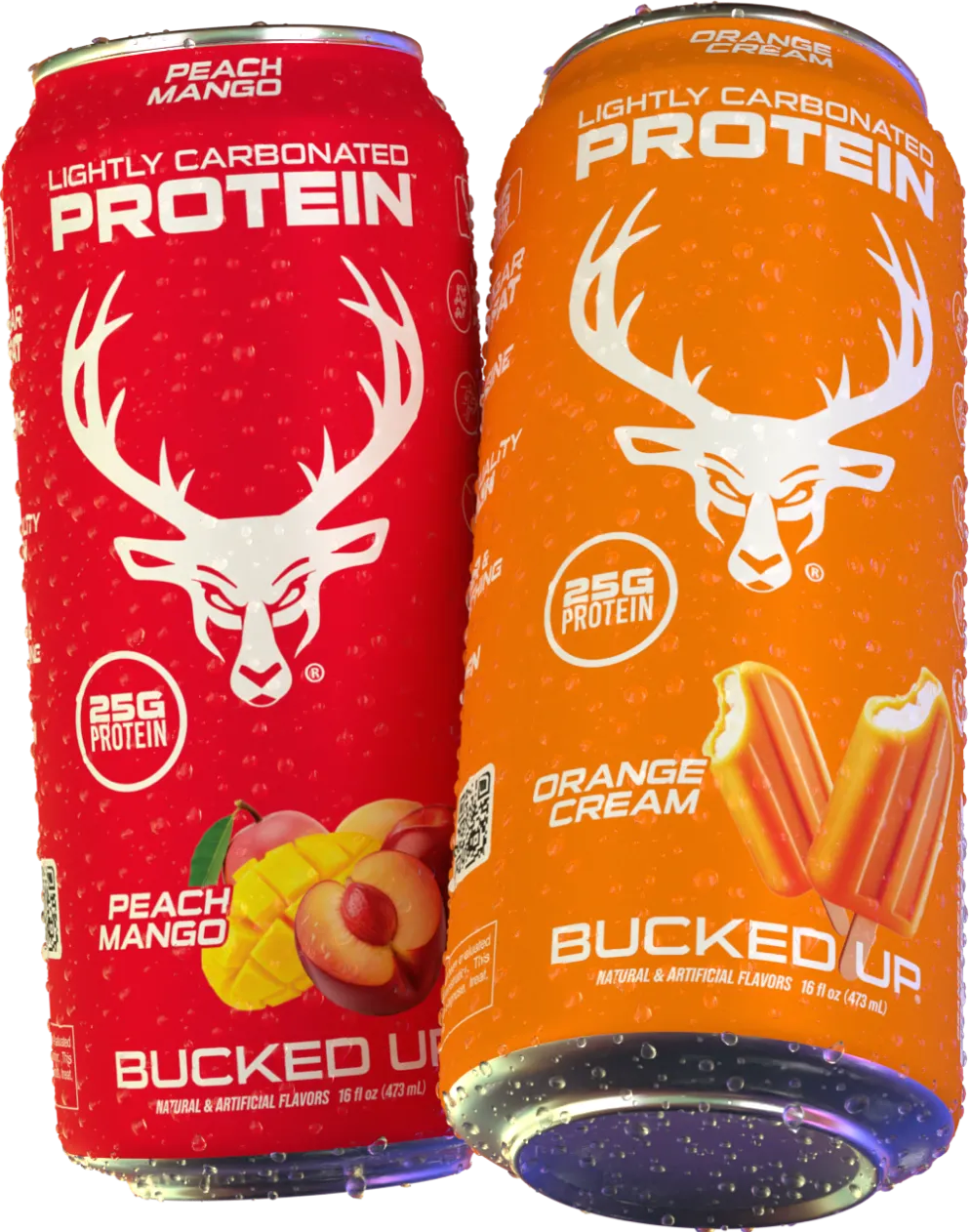
- Bucked Up Protein Soda delivers 25g whey isolate in a 100-calorie, zero-sugar carbonated drink, which can help reduce shake fatigue and digestive discomfort.1
- Huel Black Edition works well as a complete meal with 400 calories and plant-based protein, while Premier Protein offers a budget-friendly 30g milk protein shake.
- Whey isolate supports muscle recovery through high leucine content and suits weight loss, GLP-1 users, and busy lifestyles that need light, refreshing protein.1
- You can upgrade your protein routine with Bucked Up Protein Soda, a tasty, caffeine-free option that fits into most daily schedules.
High Protein Meal Replacement Drinks Comparison Table
The following table compares leading high-protein drinks by protein type, calories, and ideal use case so you can match each option to your goals.
| Brand/Product | Protein (g/type) | Calories | Carbs/Sugar (g) | Best For |
|---|---|---|---|---|
| Bucked Up Protein Soda | 25g whey isolate | 100 | 0g/0g | Light, refreshing alternative |
| Huel Black Edition RTD | 35g plant-based | 400 | 29g/5-6g | Complete meal replacement |
| Premier Protein Shake | 30g milk protein | 160 | 4-5g/1g | Budget-friendly option |
| Fairlife Core Power | 26g ultra-filtered milk | 170 | 8g/5g | Natural dairy protein |
When you compare high-protein meal replacements, focus on products that use whey protein isolate instead of concentrate for better absorption.1 This advantage comes from isolate’s advanced filtration, which yields 90-95% protein by weight with virtually zero fat and typically 0.5-1.0% lactose, while whey concentrate contains less protein and more lactose. The higher purity supports faster absorption and can reduce digestive discomfort for many people.1
Leucine content plays a central role in muscle protein synthesis. Whey protein isolate delivers about 3.0 grams of leucine per 25 g serving, which can help activate the mTORC1 pathway that drives muscle protein synthesis.1
Top Picks: Leading High Protein Meal Replacement Drinks
1. Bucked Up Protein Soda: Carbonated Whey Isolate Option
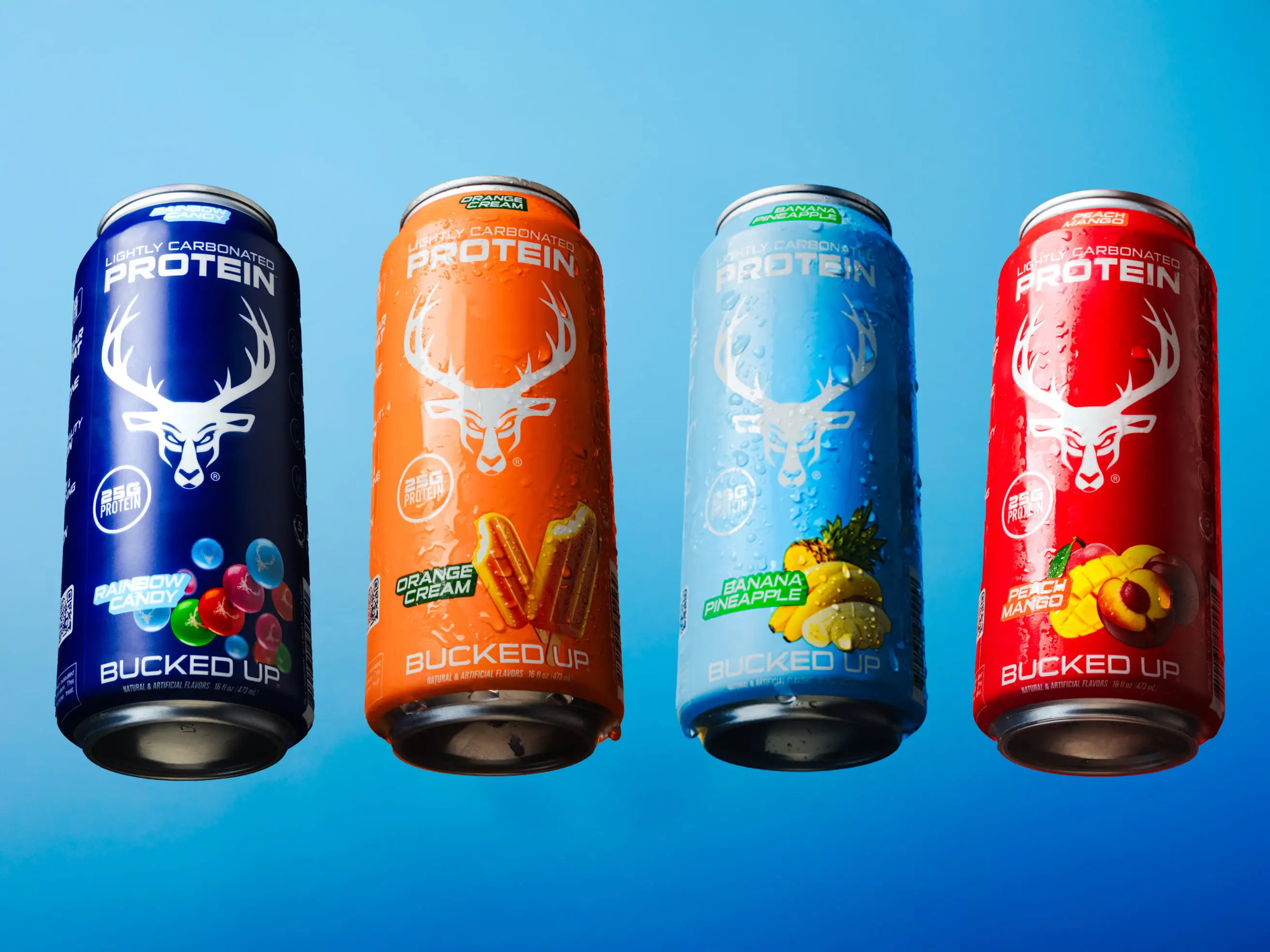
Bucked Up Protein Soda uses a lightly carbonated format that delivers 25g of whey protein isolate in just 100 calories. The zero-sugar, zero-carb profile can support weight management and GLP-1 users who need protein without heavy texture.1 Explore Bucked Up Protein Soda.
Pros:
- Refreshing carbonated format helps prevent shake fatigue1
- Whey isolate supports relatively rapid absorption1
- Caffeine-free, so it fits morning, afternoon, or evening use
- Zero sugar can support many weight management plans1
Cons:
- Lower total calories than full meal replacement drinks
- Fewer flavors than many long-standing shake brands
2. Huel Black Edition Ready-to-Drink: Higher-Calorie Vegan Meal
Huel Black Edition Ready-to-drink provides 35g of plant-based protein from pea, faba bean, and hemp seed protein in a 400-calorie serving. This profile positions it as a complete meal replacement for people who want a vegan option.
Pros:
- High protein content that can cover a full meal
- Plant-based and suitable for many vegan diets
- Includes a broad micronutrient blend
Cons:
- Higher calorie count may not match some weight loss targets
- Plant proteins can have lower bioavailability than whey
3. Premier Protein Shake: Accessible Milk-Protein Shake
Premier Protein delivers 30g of milk protein in 160 calories with only 1g sugar. This combination makes it a widely available and budget-conscious choice.
Pros:
- Relatively affordable and easy to find in many stores
- Balanced protein-to-calorie ratio for general use
- Offered in several familiar flavors
Cons:
- Uses a milk protein blend instead of pure isolate
- Traditional shake texture can contribute to taste fatigue over time
Category Winners by Goal
After looking at the leading products, it helps to see which options fit specific situations such as muscle recovery, weight loss, or plant-based needs. Use these category highlights to match a drink to your main goal.
High-Protein Drinks for Muscle Recovery
Whey isolate formulations can support post-workout recovery when paired with resistance training.1 A 2025 meta-analysis found that whey protein supplementation combined with resistance exercise increased myofibrillar fractional synthetic rate by 1.3-1.6 folds compared with exercise alone when consumed immediately after training.
Carbonated whey isolate drinks can feel especially refreshing after intense sessions and can support amino acid delivery to muscles without a heavy, creamy texture.1
Best Fits for Weight Loss and GLP-1 Users
People managing weight or using GLP-1 medications often do well with lower-calorie, high-protein drinks. Bucked Up’s calorie level aligns with expert guidance for options that provide 20-30 grams of protein with 200-400 calories total, while still feeling light. The non-milky, soda-like format can be easier to drink when appetite feels low.
GLP-1 medications reduce appetite and can cause gastrointestinal side effects, which has increased interest in nutrient-dense, protein-rich beverages that help cover nutritional needs when food intake drops.
Best Budget-Friendly Plant-Based Choices
Huel Black Edition and similar plant-based drinks serve people who want vegan protein sources. Plant proteins often show lower digestibility because of fiber and anti-nutrients, but combining sources such as pea and rice can create a complete, higher-quality protein profile.
Light-Tasting, Non-Milky Alternatives
Bucked Up’s energy drink-like flavor profile removes much of the chalky, milky taste that often causes shake fatigue. The carbonation adds a crisp, refreshing feel that many traditional protein drinks do not provide.
Protein Science and Everyday Use Cases
Whey protein isolate offers strong bioavailability, with a DIAAS score of 1.09-1.30, which indicates near-complete amino acid absorption.1 This high absorption rate makes isolate useful for busy parents replacing afternoon sodas, athletes who need efficient post-workout recovery, and GLP-1 users who rely on easily digestible protein in smaller volumes.1
High protein intake stimulates satiety hormones such as GLP-1 and peptide YY more effectively than carbohydrates or fats.1 This effect helps support weight management while also preserving lean muscle mass when paired with resistance training.1
Discover Bucked Up’s carbonated whey isolate if you want a lighter-feeling way to reach your daily protein target.
FAQ
What is a good protein drink to replace a meal?
A good meal-replacement drink provides enough calories, protein, and other nutrients to stand in for a full meal. For a lighter option with 25g of whey protein isolate in a carbonated format, you can consider Bucked Up Protein Soda. For full meal replacement, look for drinks that offer 300-400 calories with balanced macronutrients. Weight management often calls for lower-calorie options, while muscle gain can require higher-calorie choices.
What is a healthy high protein shake for weight loss?
Healthy weight loss shakes usually provide 20-30g protein, minimal added sugar, and roughly 100-200 calories per serving. Many people prefer whey protein isolate over concentrate because it tends to absorb efficiently and may cause fewer digestive issues.1 Bucked Up’s zero-sugar, 100-calorie profile with 25g whey isolate fits these guidelines and offers a refreshing alternative to thick, creamy shakes.
What is a good ready-to-drink meal replacement?
A strong ready-to-drink meal replacement balances convenience with solid nutrition. Look for a complete amino acid profile, moderate processing, and clear labeling that lists ingredients and macros in detail. Busy professionals may favor portable, lighter drinks, while people seeking full nutrition coverage may choose higher-calorie options that include added vitamins and minerals.
How do carbonated protein drinks compare to traditional shakes?
Carbonated protein drinks can reduce taste fatigue, feel lighter on the stomach, and improve overall palatability for many users. The carbonation changes the drinking experience while still delivering protein. These drinks usually contain fewer calories than classic meal replacement shakes, so they often work better as protein supplements rather than full meals.
Are high-protein drinks safe for daily use and GLP-1 users?
High-quality protein drinks made in GMP-certified facilities are generally considered safe for daily use for most healthy adults. GLP-1 users often benefit from easily digestible protein sources that do not feel heavy or cause extra discomfort.1 Always speak with a healthcare provider for guidance that fits your medications, health history, and specific goals.
Conclusion
High-protein meal replacement drinks now include traditional shakes, higher-calorie vegan meals, and newer formats like Bucked Up Protein Soda. By delivering 25g of whey protein isolate in a refreshing, carbonated drink with zero sugar and only 100 calories, Bucked Up addresses common issues such as taste fatigue and a heavy, creamy feel.1
Whether you are a busy professional who needs convenient nutrition, an athlete focused on post-workout recovery, or someone managing weight with or without GLP-1 support, the right high-protein drink can support your plan.1 Make the switch to a carbonated protein option if you want a lighter way to hit your daily protein target.
1 The content provided in this article is for informational purposes only and is not medical advice. Consult with a medical professional before implementing any changes to your diet, health, or exercise routines.
Individual results will vary and are based on a combination of each individual’s diet, exercise, age, and health circumstances.
These statements have not been evaluated by the Food and Drug Administration. This product is not intended to diagnose, treat, cure or prevent any disease.
This article was written by Ryan Gardner, CEO of Bucked Up. As the maker of Bucked Up Protein Soda, we have a financial interest in this information. The views expressed are our own and should be read with that context in mind.