Last updated: April 22, 2026
Key Takeaways
- Many traditional protein shakes feel heavy and can cause bloating, so this guide highlights 10 lighter options with 20–30g protein and better digestibility.
- High-protein choices include Greek yogurt (20g protein), cottage cheese (25g), tuna pouches, protein bars, and Bucked Up Protein Soda (25g whey isolate, 100 calories).
- People focused on weight loss or using GLP-1 medications often do well with low-calorie, zero-sugar options that support higher daily protein needs without heaviness.
- Bucked Up Protein Soda can support post-workout recovery with fast-absorbing whey isolate, leucine threshold support, and a refreshing carbonated format.1
- Try Bucked Up Protein Soda as a convenient, zero-carb protein option that fits goals from muscle gain to everyday nutrition.
10 Protein-Focused Meal Replacements Instead of Shakes in 2026
Use these alternatives when you want 20–30g of protein, reasonable calories, under 5 minutes of prep, and easier digestion than many traditional shakes. Compare each option on protein per serving, calorie density, convenience, and how it feels on your stomach.
10. Greek Yogurt
A 7-ounce (200g) serving of low-fat plain unsweetened Greek yogurt delivers 20g protein and 146 calories with probiotics that can support gut health for people with digestive sensitivities. It needs no mixing and offers natural thickness without artificial thickeners.
Pros: Ready-to-eat, probiotic benefits, easy to customize with toppings
Cons: Dairy-based, shorter shelf life, must stay refrigerated
9. Hard-Boiled Eggs with Nuts (25g protein, 250 calories)
Two hard-boiled eggs (about 12g protein) plus a handful of almonds (about 6g protein) create a portable, whole-food option that works well when you prep ahead.
Pros: Complete amino acid profile, healthy fats, meal-prep friendly
Cons: Higher calorie density, needs advance preparation
8. Cottage Cheese
1 cup, small curd (not packed) (225g) of cottage cheese (creamed) contains 25g protein and 221 calories with a slower, sustained amino acid release.
Pros: Slow-release protein, high satiety, minimal processing
Cons: Texture can be polarizing, dairy-based, can be higher in sodium
7. Protein Bars (20g protein, 200 calories)
Quality protein bars provide grab-and-go convenience and avoid the liquid texture of shakes. Many newer bars focus on simpler ingredient lists and more whole-food components.
Pros: Extremely portable, no prep, long shelf life
Cons: Some contain added sugars, processing concerns, higher cost per serving
6. Homemade Smoothies
Homemade smoothies use protein powder plus ingredients like berries, greens, or nut butter to create a filling, nutrient-dense meal replacement tailored to your taste.
Pros: Fully customizable, easy to add fiber, can pack in micronutrients
Cons: Requires a blender, prep time, and cleanup, ingredient costs add up
5. Tuna Pouches
StarKist 2.6 oz. Light Tuna in Water pouch (1 serving) contains 17g protein and 70 calories. Single-serve tuna pouches offer lean, shelf-stable protein without the thickness of shakes, and flavored versions remove the need for extra seasoning.
Pros: Lean protein, source of omega-3s, no refrigeration needed
Cons: Mercury considerations, sodium content, flavor variety can feel limited
4. Premier Protein Shake (30g protein, 160 calories)
Ready-to-drink protein shakes like Premier Protein are convenient but still have the thick, milky texture that some people find heavy or hard to digest, especially around workouts.
Pros: High protein content, easy to find, consistent nutrition
Cons: Thick consistency, may contain artificial ingredients, can feel heavy
3. Huel Ready-to-Drink
Huel Ready-to-Drink has 20–22g protein and 400 calories per 500ml bottle. These complete meal drinks supply balanced macros but bring significantly more calories than protein-focused options, which can be challenging for strict weight control.
Pros: Complete nutrition profile, plant-based choices, true meal replacement
Cons: High calorie load, higher price per serving, thicker texture
2. Fairlife Core Power (26g protein, 170 calories)
Ultra-filtered milk protein drinks provide high protein with reduced lactose. They still keep a creamy, milk-based texture that may feel heavy during activity or for sensitive digestion.
Pros: High-quality milk protein, reduced lactose, good flavor for many users
Cons: Dairy-based, creamy mouthfeel, fewer flavor options
1. Bucked Up Protein Soda (25g protein, 100 calories)
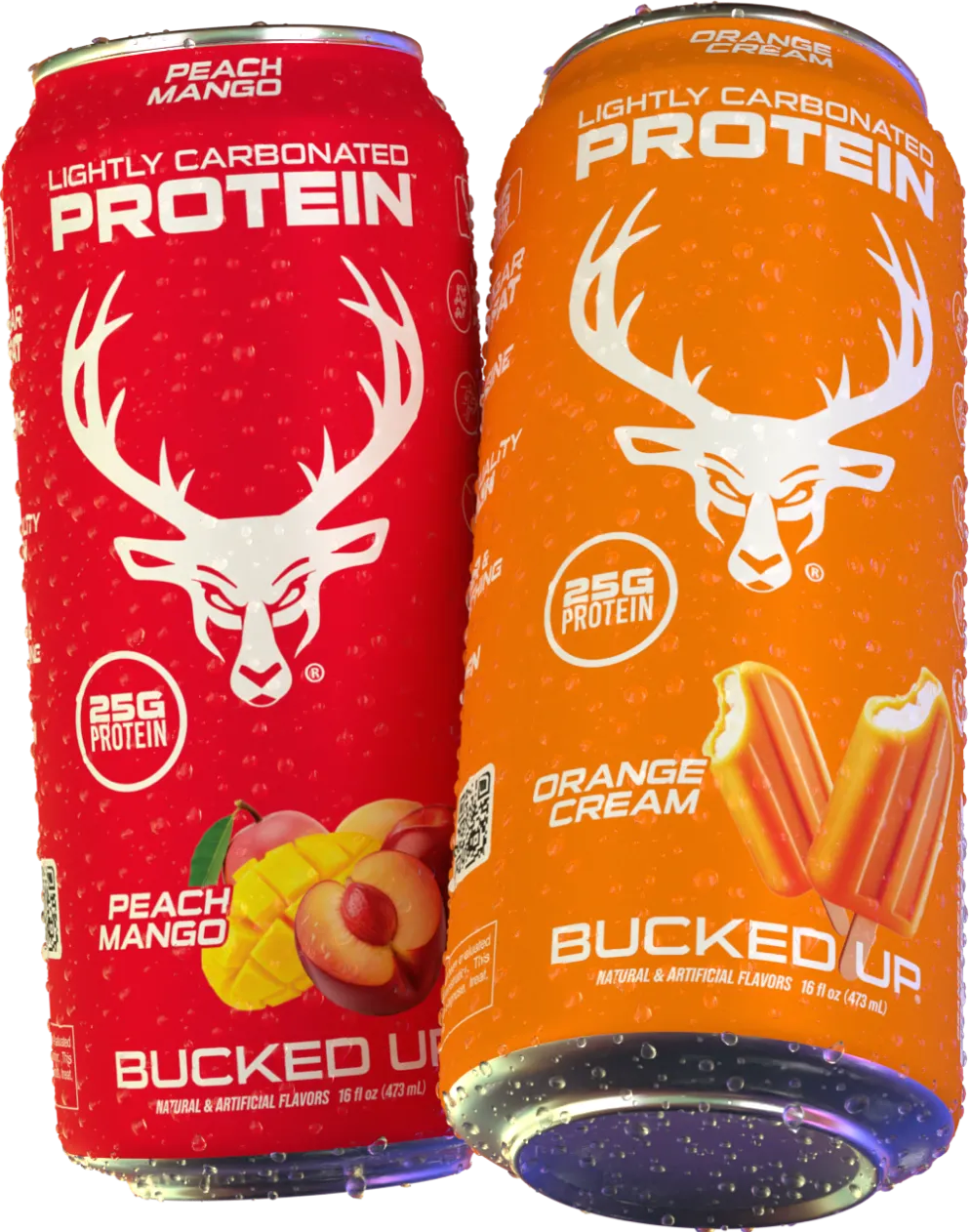
Bucked Up Protein Soda delivers 25g of whey protein isolate in a light, carbonated drink with zero sugar and zero carbs. Whey protein isolate absorbs faster with minimal lactose and is easier on digestion than whey concentrate, and the carbonated format avoids the heavy, milky feel that can cause discomfort.1
Pros: Light carbonated texture, rapid absorption, zero sugar and carbs, USA GMP-certified1
Cons: Newer product category, more limited retail presence
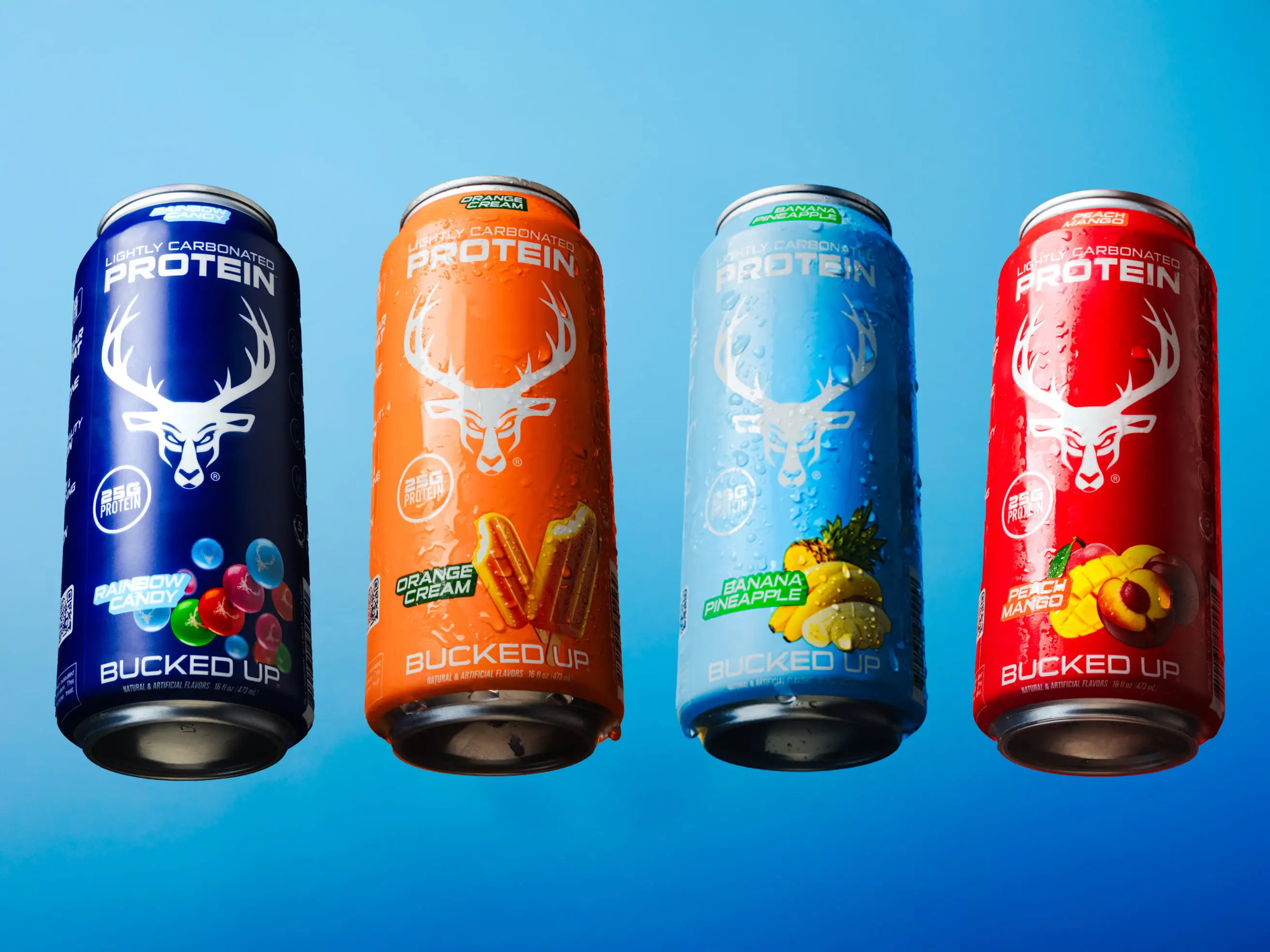
Customer testimonial: “I could knock back multiple cans a day and actually enjoy doing it. I’ve probably just replaced all my sodas for good.” Try the carbonated protein drink that customers use in place of soda.
The table below highlights protein content, calories, and ideal use case so you can quickly scan which option fits your goals, whether that means portability, low calories, or complete meals.
| Option | Protein (g) | Calories | Prep Time/Best For |
|---|---|---|---|
| Greek Yogurt | 20 | 146 | 0 min/Gut health |
| Eggs + Nuts | 25 | 250 | 0 min/Meal prep |
| Cottage Cheese | 25 | 221 | 0 min/Sustained release |
| Protein Bars | 20 | 200 | 0 min/Portability |
| Homemade Smoothies | Varies | Varies | 3 min/Customization |
| Tuna Pouches | 17 | 70 | 0 min/Shelf stable |
| Premier Protein | 30 | 160 | 0 min/High protein |
| Huel RTD | 20-22 | 400 | 0 min/Complete meal |
| Fairlife Core Power | 26 | 170 | 0 min/Filtered milk |
| Bucked Up Protein Soda | 25 | 100 | 0 min/Light & carbonated |
Meal Replacement Support for Weight Loss and GLP-1 Users
People managing weight or using GLP-1 medications like semaglutide or tirzepatide often face low appetite but still need adequate protein. Bucked Up Protein Soda can help fill that gap with its 100-calorie, zero-sugar profile. Whey protein isolate digests within 1–2 hours, which suits situations where appetite is limited but protein intake remains a priority.1
The carbonated format removes much of the heaviness associated with thicker protein sources, which can feel unappealing when appetite is suppressed. The clear, refreshing taste can make daily use easier. GLP-1 users are often advised to target at least 1.5g protein per kg of body weight daily, so each can contributes meaningfully toward that target without adding many calories.
Customer testimonial: “These are seriously delicious! They taste like an energy drink, but healthier and with no caffeine. I will definitely be buying a bunch.” Use this ready-to-drink option as part of your weight management routine.
Meal Replacement Support for Muscle Gain and Recovery
Bucked Up Protein Soda uses whey isolate to support post-workout recovery and muscle maintenance.1 The light, carbonated drink fits easily in a gym bag and can be consumed right after training without feeling heavy.
Research indicates a “Leucine Threshold” of 2.5–3g leucine per meal triggers muscle protein synthesis, and a typical scoop of whey isolate provides roughly that amount.1 The ready-to-drink can format removes mixing and cleanup, which can support more consistent protein timing for muscle development.1
The caffeine-free formula works well at night without affecting sleep, and the zero-carb profile supports lean muscle goals while keeping calories controlled. Pair this approach with resistance training two to three times per week to support muscle preservation and growth.
Simple 7-Day High-Protein Meal Replacement Plan
Day 1–2: Bucked Up Protein Soda + Greek yogurt with berries (~45g protein)
Day 3–4: Cottage cheese + tuna pouch + almonds (~50g protein)
Day 5–6: Homemade smoothie + hard-boiled eggs (~40g protein)
Day 7: Bucked Up Protein Soda + protein bar + Greek yogurt (~65g protein)
This rotation averages around 100g protein per day while changing textures, flavors, and nutrient profiles. The variety helps reduce boredom and supports a broad amino acid intake.
Frequently Asked Questions
What can I eat instead of protein shakes?
Strong alternatives include Greek yogurt (20g protein per 7-oz serving), cottage cheese (25g protein per cup), hard-boiled eggs with nuts (about 25g protein), protein bars (around 20g protein), homemade smoothies with added protein, tuna pouches (17g protein per serving), and newer options like Bucked Up Protein Soda with a light, carbonated format. Choose the mix that fits your schedule, taste preferences, and digestion.
What is a good ready-to-drink option for weight loss?
Bucked Up Protein Soda can stand out for weight management because it combines whey protein isolate, only 100 calories, no sugar, and no carbs in a refreshing carbonated drink. Many traditional RTD shakes feel thicker and may include added sugars, while this lighter texture can encourage consistent daily use during calorie restriction.
What is the difference between whey isolate and concentrate?
Whey protein isolate goes through more filtration, which raises protein content to around 90 percent or more and reduces lactose, fats, and carbohydrates. Whey concentrate usually contains 70–80 percent protein and more lactose, which can bother sensitive stomachs. Isolate absorbs faster and often feels easier to digest, which works well right after workouts or when appetite is low.1
Is it safe to consume protein alternatives daily?
For most people, taking in 20–30g protein from quality sources at meals supports muscle maintenance, fullness, and general health. Options like Bucked Up Protein Soda, Greek yogurt, or cottage cheese can replace traditional shakes within a balanced diet. Check with your healthcare provider if you have medical conditions or specific dietary needs.
Are these options keto-friendly?
Several of these choices fit ketogenic diets, especially Bucked Up Protein Soda (zero carbs), cottage cheese with modest carbs, hard-boiled eggs with nuts, and plain Greek yogurt in moderate portions. Watch for added sugars or higher carb counts in some protein bars and fruit-heavy smoothies if you follow a strict keto approach.
Heavy, chalky protein shakes are no longer your only option. Whether you want easier weight control, better recovery, or simple daily nutrition, these 10 alternatives give you flexible ways to hit your protein goals. Bucked Up Protein Soda provides the protein density discussed above in a crisp, refreshing can that can make daily targets feel more achievable. Explore flavors and see how this carbonated protein fits your routine.
1 The content provided in this article is for informational purposes only and is not medical advice. Consult with a medical professional before implementing any changes to your diet, health, or exercise routines.
Individual results will vary and are based on a combination of each individual’s diet, exercise, age, and health circumstances.
These statements have not been evaluated by the Food and Drug Administration. This product is not intended to diagnose, treat, cure or prevent any disease.
This article was written by Ryan Gardner, CEO of Bucked Up. As the maker of Bucked Up Protein Soda, we have a financial interest in this information. The views expressed are our own and should be read with that context in mind.