Last updated: April 22, 2026
Key takeaways for using meal replacement drinks
- Meal replacement drinks can support short-term weight loss by increasing satiety through higher protein intake and hormones like GLP-1, while lowering hunger hormones such as ghrelin.1
- Most people see better results with 25–30g protein per serving, which helps preserve muscle, control appetite, and maintain a calorie deficit.1
- Limitations include nutritional gaps, taste fatigue, and long-term weight regain, so these drinks work best as a short-term tool with a plan to return to whole foods.
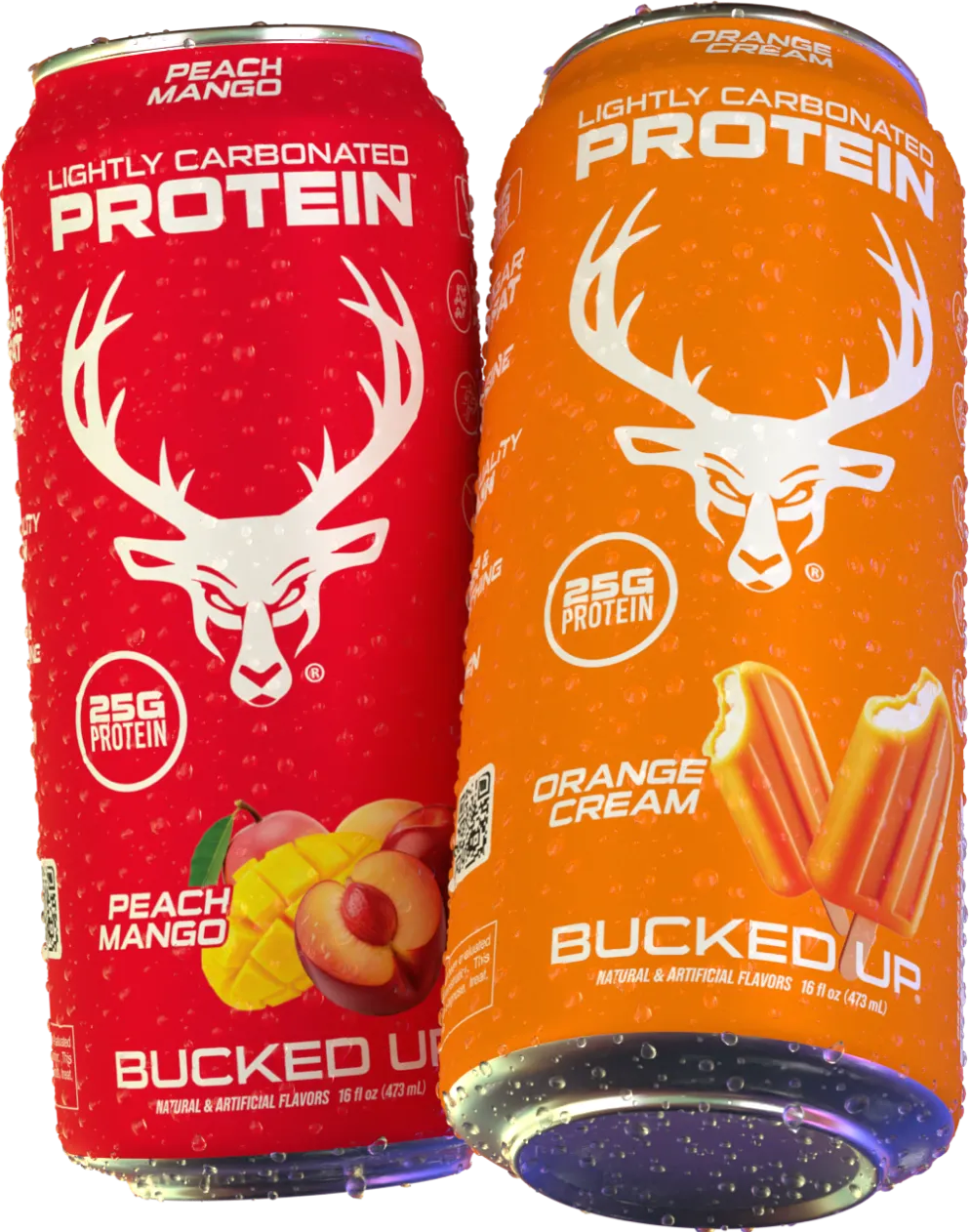
- Carbonated protein options like Bucked Up Protein Soda can improve consistency by offering a refreshing taste, zero sugar, and lighter digestion compared with creamy shakes.1
- Try Bucked Up Protein Soda, which provides 25g whey isolate in 100 calories, to support a structured meal replacement plan.1
The science behind how meal replacement drinks support weight loss
Meal replacement drinks support weight loss through several documented mechanisms.1 Protein from shakes can increase satiety hormones like GLP-1 and peptide YY while lowering ghrelin, the primary hunger hormone, which extends feelings of fullness.1 This hormonal shift makes it easier for many people to maintain a calorie deficit than with traditional dieting alone.
Protein content plays a central role in this effect, with research defining both per-meal and daily targets. One study found that participants consuming 25–30 grams of protein per meal reported better appetite control, less late-night snacking, greater weight loss, and improved weight maintenance than those consuming less protein.1 This per-meal range aligns with a daily intake of about 0.54–0.73 grams of protein per pound of body weight, which increases fullness compared with lower intakes.
Protein intake also matters for muscle preservation during weight loss. Higher protein intake from shakes, especially when paired with resistance training, helps maintain lean muscle mass during a calorie deficit, and muscle tissue burns more calories at rest than fat tissue.1
Implementation determines how well these mechanisms translate into results. Many adults aiming for 1–2 pounds of weekly weight loss can consider replacing two meals with protein shakes of about 300–400 calories each, plus one balanced meal of roughly 600–800 calories, to keep daily intake below about 1,800 calories while still meeting protein needs.
Benefits, limitations, and side effects of meal replacement drinks
Meal replacement drinks offer several practical benefits for weight loss. Many people experience faster early weight loss, easier on-the-go nutrition, and better satiety when protein intake increases.1 Good Housekeeping Institute dietitians suggest 15–25 grams of protein per serving to support fullness, muscle maintenance, and steady energy.1
These advantages come with clear limitations. Long-term reliance on shakes can feel hard to sustain, less satisfying than whole foods, and limited in variety, while also reducing chances to practice skills like portion awareness and meal planning. Many people eventually drift back to old habits if they never build those skills.
Extended use can also create nutritional gaps. Compared with whole foods such as fruits, vegetables, grains, and whole protein sources, many shakes provide less fiber, fewer antioxidants, and lower levels of some micronutrients. Some products also rely on artificial ingredients, preservatives, and added sugars to improve flavor and shelf life.
Side effects can appear when calorie intake drops too low or when ingredient quality is poor. Very low-calorie shake routines can contribute to fatigue, poor concentration, hair thinning, and more frequent illness.1 Consumer Reports testing of 23 protein powders and ready-to-drink shakes found detectable lead in some products, which highlights the value of choosing brands with transparent testing and labeling.
Try Bucked Up’s clean-label protein soda if you want a whey isolate option that avoids artificial additives.1
Best practices for using meal replacements in a weight loss plan
Effective meal replacement plans address both short-term results and long-term sustainability. Given the nutritional gaps and adherence challenges described above, structure your approach around a few clear principles that protect muscle, support fullness, and build real-world eating skills.
Use these four connected practices as your base strategy:
1. Replace one or two meals per day, not all three, to avoid extreme calorie cuts that can trigger fatigue and muscle loss.
2. Within those replacements, choose options with at least 20g protein and under 400 calories so each shake meaningfully supports satiety and your daily protein target.1
3. Add vegetables and regular exercise, especially resistance training, to cover fiber and micronutrient gaps while helping preserve lean muscle.
4. From the start, plan how you will transition back to mostly whole foods so you build portion control and meal planning habits that keep weight off.
A simple four-week hybrid plan can make this easier. During weeks one and two, replace breakfast and lunch with protein shakes and eat a balanced whole-food dinner. During weeks three and four, replace only one meal with a shake and gradually reintroduce more whole-food meals. This type of phased approach supports adequate protein intake while you practice sustainable eating patterns.
Many studies that show early weight loss with meal replacement shakes follow participants for only 6–12 months, and weight regain often appears by 36 months. These findings reinforce the idea that meal replacements work best as a temporary tool within a broader lifestyle change, not as a permanent solution.
Comparing Bucked Up Protein Soda with other popular options
Choosing a meal replacement drink starts with the label. Focus on protein quality, calorie level, sugar and carb content, and whether the ingredient list feels straightforward and transparent. Bucked Up Protein Soda can stand out here with its carbonated format and a formulation that provides 25g whey protein isolate in 100 calories with zero sugar and zero carbs, according to the product label.
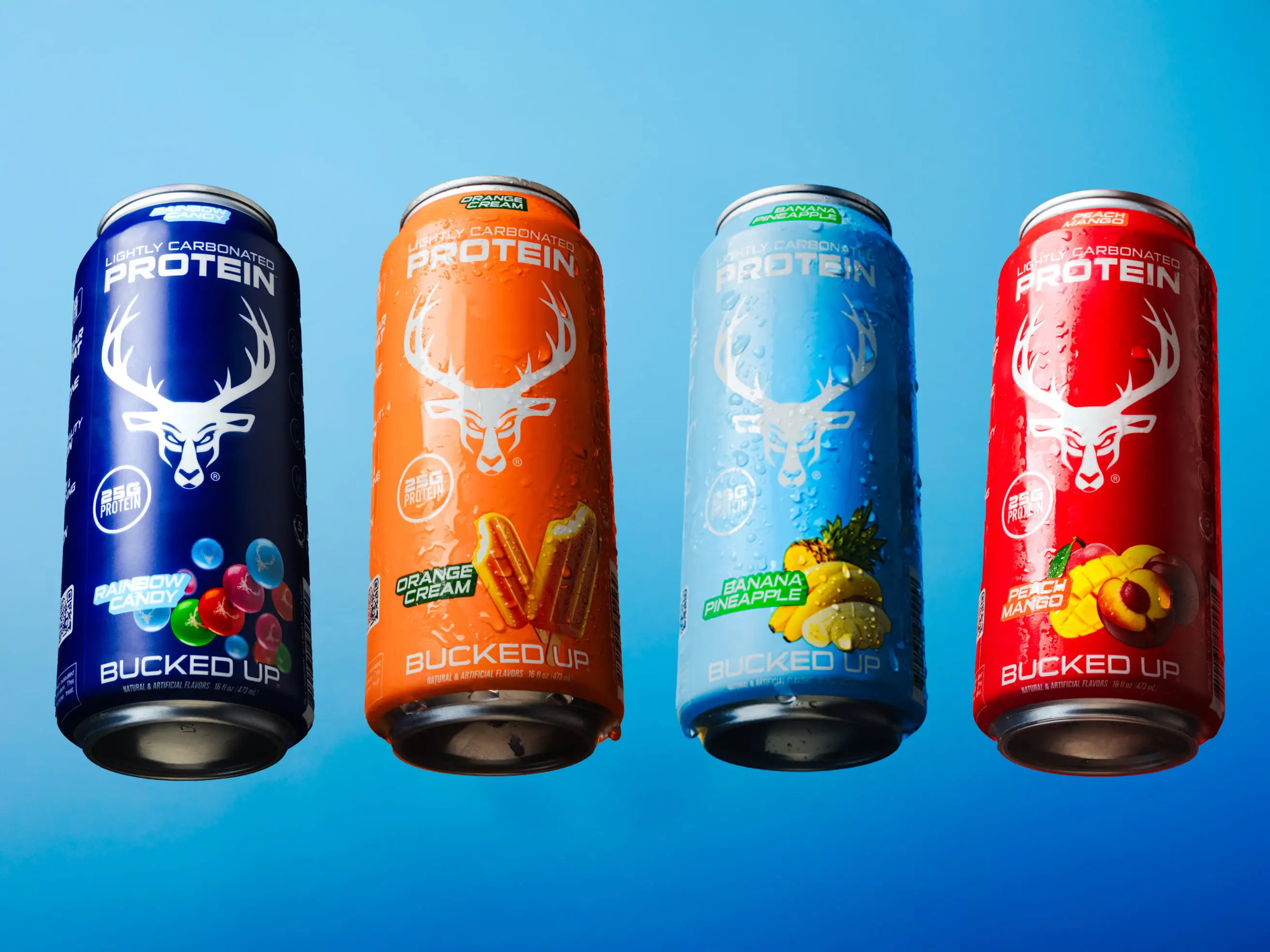
Bucked Up’s lightly carbonated texture offers a crisp, soda-like experience that some people may prefer over thick, creamy shakes, especially when drinking protein daily.
The comparison table below highlights key nutritional details and formats so you can see how Bucked Up stacks up against several well-known ready-to-drink options and decide which profile fits your goals.
| Product | Protein Source/Amount | Calories | Taste Format | Carbs/Sugar |
|---|---|---|---|---|
| Bucked Up Protein Soda | Whey isolate/25g | 100 | Carbonated soda | 0g/0g |
| Premier Protein | Whey concentrate/30g | 160 | Creamy shake | 5g/1g |
| Muscle Milk | Milk protein/25g | 160 | Creamy shake | Varies/2–4g |
| Fairlife | Ultrafiltered milk/30g | 150 | Milky drink | 4g/2g |
The carbonated format can also help reduce taste fatigue for people who struggle with thick shakes over time. SPINS data shows that within ready-to-drink protein beverages, clear protein shakes drove 34% sales growth in 2025, followed by dairy-based shakes at 25%, and protein waters, shots, and sodas at 12%, reflecting growing interest in lighter, more refreshing protein formats.
Support for GLP-1 users who rely on meal replacements
People using GLP-1 receptor agonists often have unique needs when choosing meal replacement drinks. While the products above can work for general weight loss, GLP-1 users frequently experience reduced appetite, nausea, and difficulty tolerating heavy foods, which makes format and protein density especially important.
A joint advisory from the American College of Lifestyle Medicine, American Society for Nutrition, Obesity Medicine Association, and The Obesity Society recommends the same 0.54–0.73 grams of protein per pound of body weight per day discussed earlier, with a focus on preserving muscle mass during GLP-1–related weight loss.
A meta-analysis also found that GLP-1 RA treatment can significantly reduce muscle mass. Bucked Up Protein Soda’s light, carbonated format may feel easier to tolerate for some GLP-1 users who struggle with solid foods or rich shakes, while its 25g whey protein isolate serving helps move daily intake toward that recommended protein range.1
Try Bucked Up’s light, carbonated protein if you need GLP-1-friendly nutrition that supports muscle maintenance without a heavy, creamy texture.1
Frequently asked questions about meal replacement drinks
Do meal replacement drinks work for long-term weight loss?
Meal replacement drinks often support short-term weight loss over about 6–12 months. Long-term success usually depends on a gradual shift toward whole foods and sustainable eating habits. Many people regain weight when they stop using shakes without building skills like portion control, meal planning, and consistent activity.
What are the main side effects of meal replacement shakes?
Common side effects include bloating, gas, and other digestive discomfort, especially with some dairy-based products or high-sugar formulas.1 Nutritional gaps can develop with long-term use because many shakes provide limited fiber, antioxidants, and certain micronutrients compared with whole foods. Some products may also contain heavy metals or artificial additives that raise additional health concerns.
Are meal replacement drinks suitable for people on GLP-1 medications?
High-protein meal replacement drinks can support GLP-1 users who struggle to eat enough solid food. The priority is choosing options with around 25–30g of easily absorbed protein per serving to help protect muscle while the medication drives weight loss.1 Lighter liquid formats often work better for people dealing with nausea or digestive sensitivity.
How does Bucked Up Protein Soda compare to traditional protein shakes?
Bucked Up Protein Soda offers a different experience than many traditional shakes. It uses whey protein isolate for faster absorption and lower lactose, provides a refreshing carbonated taste that can reduce flavor fatigue, contains zero sugar and carbs, and delivers 25g protein in just 100 calories.1 The energy drink-style flavor profile can feel easier to drink daily than thick, creamy alternatives for some users.
Can I lose weight drinking two shakes and eating one meal per day?
A plan that includes two shakes and one meal per day can support weight loss when calories and protein are set thoughtfully. Using two 300–400 calorie protein shakes plus one balanced 600–800 calorie meal often creates a calorie deficit that aligns with about 1–2 pounds of weekly weight loss for many adults. This approach generally works best for 8–12 weeks, followed by a gradual return to more whole-food meals to maintain results and reduce the risk of nutrient shortfalls.
Conclusion: using Bucked Up Protein Soda in a sustainable plan
Meal replacement drinks can provide effective short-term support for weight loss through calorie control, increased satiety, and convenience.1 Success depends on choosing high-quality products with enough protein and pairing them with a clear plan to transition back to mostly whole foods over time.
Bucked Up Protein Soda helps address common complaints about traditional meal replacements, such as taste fatigue and digestive heaviness, through its lightly carbonated format.1 With its 25g whey isolate serving, zero sugar formulation, and crisp flavor, it can support busy professionals, fitness enthusiasts, and GLP-1 users who want convenient protein as part of a broader weight management strategy.1
Start your weight loss journey with Bucked Up Protein Soda and see how a lighter protein drink can fit into your daily routine. For a deeper look at this format, explore our guide on Introducing Bucked Up’s Lightly Carbonated Protein Drink.
1 The content provided in this article is for informational purposes only and is not medical advice. Consult with a medical professional before implementing any changes to your diet, health, or exercise routines.
Individual results will vary and are based on a combination of each individual’s diet, exercise, age, and health circumstances.
These statements have not been evaluated by the Food and Drug Administration. This product is not intended to diagnose, treat, cure or prevent any disease.
This article was written by Ryan Gardner, CEO of Bucked Up. As the maker of Bucked Up Protein Soda, we have a financial interest in this information. The views expressed are our own and should be read with that context in mind.