Last updated: April 22, 2026
Key Takeaways: Light, High-Protein Drinks
- Clear, carbonated protein drinks like Bucked Up Protein Soda provide 25g whey isolate with zero sugar and zero carbs at 100 calories, which can help reduce bloating.1
- GLP-1 users on Ozempic or Wegovy often need higher protein intake, and whey isolate digests faster with less lactose than concentrates or many plant proteins.1
- Across these options, Bucked Up stands out for lightness with its fizzy, crystal-clear texture compared with the thicker, milky textures of Premier Protein or Fairlife Core Power.
- Look for under 120 calories per serving, whey isolate, and carbonation to support easier digestion, better taste, and hydration in meal replacements.1
- Try Bucked Up Protein Soda for a GLP-1-friendly, refreshing protein option that avoids the heaviness of traditional shakes.
6 Light High-Protein Meal Replacement Drinks for 2026
1. Bucked Up Protein Soda
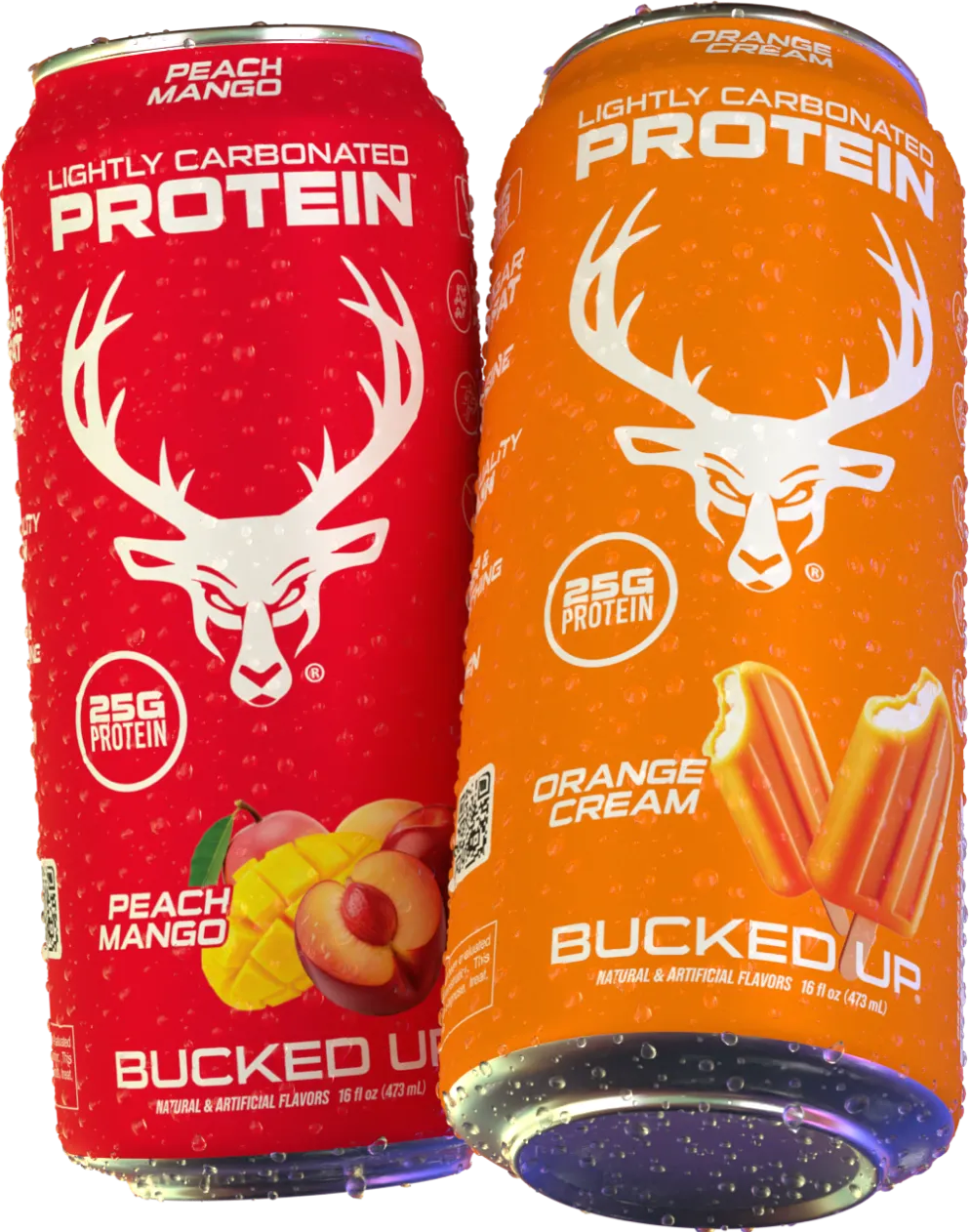
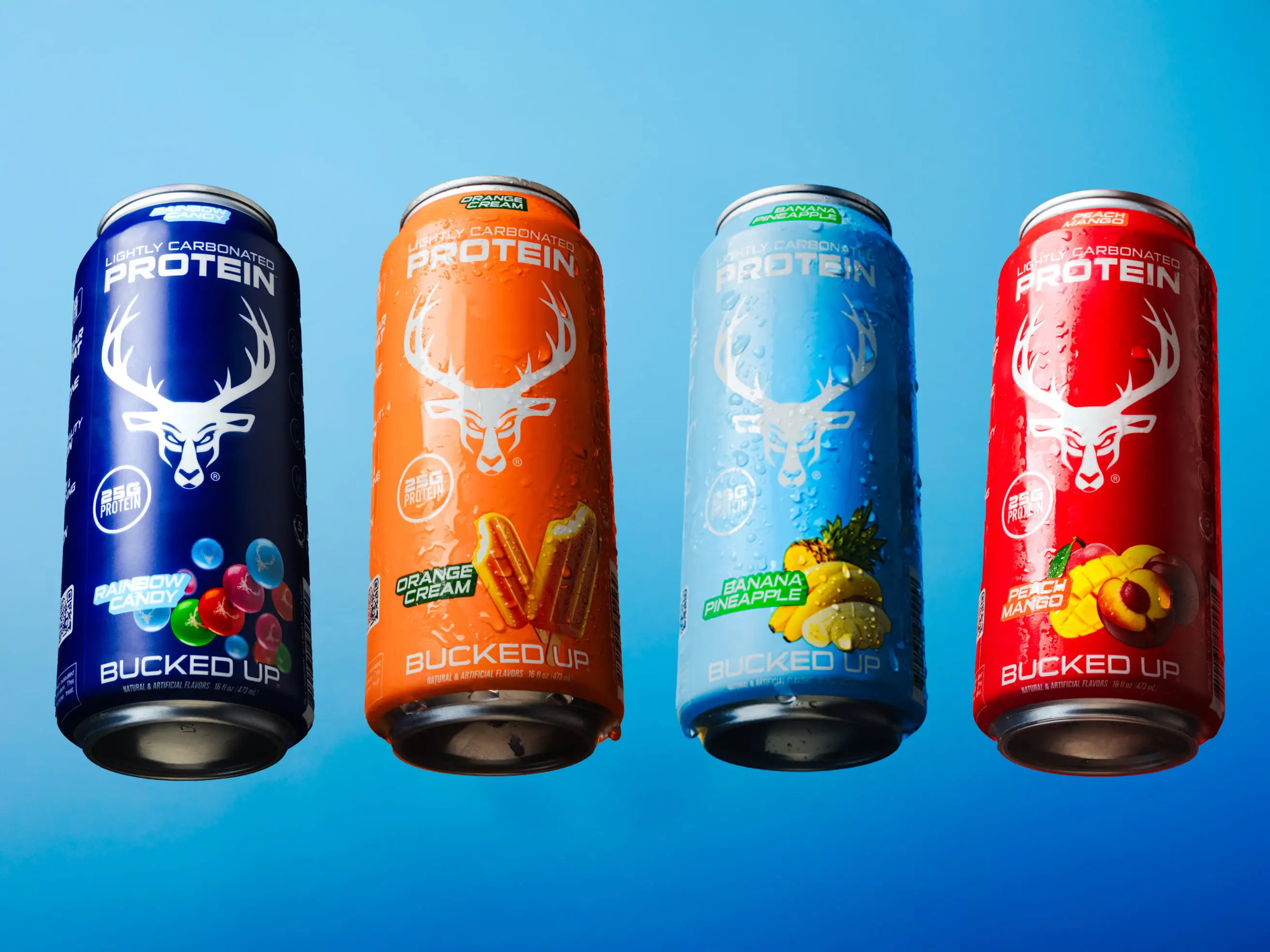
Bucked Up uses a lightly carbonated, crystal-clear format that delivers 25g of whey protein isolate in each can. The caffeine-free formula has zero sugar, zero carbs, and only 100 calories, which supports weight management and lighter digestion.1 The carbonated delivery creates an energy drink-like experience without the milky texture that often feels heavy. Whey protein isolate contains less lactose and fat than concentrate, which can make it a practical choice for GLP-1 users who experience slowed gastric emptying.1 This clear, fizzy format also aligns with the growing interest in protein sodas and shots as emerging formats in active nutrition.
Pros: Carbonated for lighter mouthfeel, zero sugar and zero carbs, whey isolate for easier digestion, caffeine-free flexibility1
Cons: Smaller flavor range than many traditional shakes
Best for: GLP-1 users, anyone wanting a light meal replacement, people who dislike thick or creamy textures
Try this carbonated protein format if you want a shake alternative that feels more like a refreshing soda.
2. Premier Protein Shakes
After looking at a clear, carbonated option, it helps to compare a more traditional dairy-based shake. Premier Protein offers 30g of protein in a ready-to-drink carton with 160 calories and 1g sugar. The texture feels thicker than carbonated alternatives, although the brand has refined its formula to reduce the chalky feel common in older protein shakes. The milk-based formula supplies complete amino acids but can still cause digestive issues for people sensitive to lactose.
Pros: High protein content, easy to find in most stores, long-standing brand recognition
Cons: Milky texture, contains lactose, higher calories than lighter options
Best for: General protein support for people comfortable with dairy-based drinks
3. Orgain Organic Protein Shakes
Orgain offers 20g of plant-based protein with organic ingredients in each shake. This plant protein blend gives a dairy-free alternative for people avoiding milk or whey. However, plant proteins often have slightly lower digestibility scores compared with whey isolate, which can matter for users focused on efficient absorption. The texture tends to feel creamier and a bit heavier than clear, isolate-based drinks.
Pros: Organic certification, fully plant-based, no dairy
Cons: Lower protein bioavailability than whey isolate, thicker consistency
Best for: Plant-based eaters and people with dairy sensitivities who still want a ready-to-drink shake
4. OWYN Plant-Based Protein Shakes
OWYN provides 20g of plant protein and 180 calories in its High Protein Complete Nutrition Shakes. The formula avoids common allergens, which can help people with multiple food sensitivities. The tradeoff comes from the plant-based protein sources, which usually digest more slowly than whey isolate and can feel denser in the stomach.
Pros: Allergen-friendly, short and recognizable ingredient list, focus on sustainable sourcing
Cons: Higher calorie density, plant protein limitations for digestibility
Best for: People with several food allergies and those who prioritize environmental considerations
5. Fairlife Core Power
Fairlife Core Power Chocolate 26g Protein Shake delivers 26g of protein from ultra-filtered milk with 170 calories and 5g total sugars per 14 fl. oz. serving. The ultra-filtration process concentrates protein and reduces lactose, which can help some users tolerate it better than standard milk. Even with this process, the drink still feels heavier than clear, isolate-based alternatives.
Pros: High protein per bottle, reduced lactose compared with regular milk
Cons: Contains added sugars, retains a thick, milk-like texture
Best for: Post-workout recovery for people who tolerate dairy well
6. Muscle Milk Pro Series
Muscle Milk Pro Series offers 50g of protein with 310 calories per serving. It relies on a blend of milk proteins that creates a noticeably thick consistency. The formula targets serious athletes who want higher calories and protein, yet that same density can feel heavy for casual users or people focused on weight management.
Pros: Designed for athletes, broad amino acid profile
Cons: Thick texture, higher fat and calorie content
Best for: Intense training phases and users prioritizing muscle gain over lightness
Comparison Table: Lightness and Nutrition at a Glance
This table highlights protein per serving, calories, and texture so you can quickly see which drinks feel lighter versus heavier. Notice how the clear, carbonated format pairs moderate calories with a less creamy mouthfeel, while traditional shakes trend thicker and higher in calories.
| Product | Protein (g) | Calories | Texture Notes |
|---|---|---|---|
| Bucked Up Protein Soda | 25 | 100 | Fizzy, crystal clear |
| Premier Protein | 30 | 160 | Smooth, milky |
| Orgain Organic | 20 | 140 | Plant-based, creamy |
| Fairlife Core Power | 26 | 170 | Ultra-filtered, thick |
Why Lightness Matters for GLP-1 Users on Ozempic, Wegovy, or Zepbound
GLP-1 medications slow gastric emptying, which can make protein intake harder because of increased fullness and digestive sensitivity. Dietitians recommend around 1.6 grams of protein per kilogram of body weight for people actively losing weight to help protect muscle during treatment. As noted earlier, isolate’s reduced lactose and fat content means it processes faster and often causes less discomfort than concentrate.1 This faster processing becomes even more relevant when paired with carbonation, since Bucked Up’s light, clear texture may reduce nausea or reflux that thick shakes can trigger.1 The zero-carb formulation supports weight management goals, and the high protein content mentioned earlier helps with muscle preservation.1
Find GLP-1-friendly protein that supports your plan without adding heavy, creamy shakes.
How to Choose Non-Heavy Protein Drinks
Lightweight protein drinks start with the right protein source and calorie range. Prioritize whey protein isolate over concentrate, since additional processing removes more lactose and fat that can contribute to digestive heaviness. This processing also concentrates the protein, which helps many isolate-based products stay under 120 calories per serving while still delivering meaningful protein. Clear or lightly colored drinks usually contain fewer thickeners and gums, which keeps the texture from feeling heavy.
Carbonation can also make protein drinks feel more refreshing and easier to sip throughout the day. Plain carbonated water hydrates as effectively as still water, so carbonated protein drinks can still support hydration. Consider when you plan to drink your protein. Faster-digesting options often work better right after workouts, while slightly slower, creamier shakes may help with staying full when used as a meal replacement.
Frequently Asked Questions About Light Protein Drinks
What is a good protein shake for tirzepatide users?
Bucked Up Protein Soda can stand out for tirzepatide users because its light, carbonated format may reduce discomfort linked to slowed gastric emptying.1 The whey protein isolate formula supplies complete amino acids with minimal lactose, and the zero-carb profile aligns with common weight management goals among GLP-1 users.1
Are carbonated protein drinks safe for daily consumption?
Carbonated protein drinks are generally safe for daily use for most people. Studies show plain carbonated water has equivalent hydration value to still water, and carbonation does not interfere with protein absorption. The lighter texture can even improve consistency for people who avoid traditional thick shakes.
Does Bucked Up Protein Soda taste like a traditional protein shake?
Bucked Up Protein Soda does not taste like a standard milky protein shake. The clear, carbonated format feels closer to an energy drink experience without caffeine, sugar, or a chalky aftertaste. This style can help users who struggle with the flavor and mouthfeel of conventional shakes.
Should I drink protein shakes while on Zepbound?
Maintaining adequate protein intake while on Zepbound supports muscle retention during weight loss. Many people on GLP-1 medications find that light options such as carbonated protein drinks work better than thick shakes because they fit more comfortably with slowed digestion while still supplying essential amino acids.1
What makes a protein shake a healthier ready-to-drink option?
Health-focused ready-to-drink protein options often combine high-quality protein sources like whey isolate with minimal additives and moderate calories. Zero-sugar or low-sugar formulas can help reduce blood glucose spikes1, and production in GMP-certified facilities supports quality standards. A balance of nutrition, taste, and digestibility encourages consistent use over time.
Conclusion: Moving Toward Lighter Protein Options
Many people now look for lighter, more digestible protein drinks instead of heavy, milk-like shakes. Bucked Up Protein Soda can stand out in this shift by pairing an isolate-based formula with a refreshing carbonated delivery that avoids common digestive complaints.1 For users who want high-protein meal replacement drinks that do not feel heavy, especially those on GLP-1 medications or focused on weight loss, clear carbonated protein options can offer a practical alternative to thick, creamy shakes.
Make protein supplementation easier with a drink designed to feel light while still delivering meaningful protein.
1 The content provided in this article is for informational purposes only and is not medical advice. Consult with a medical professional before implementing any changes to your diet, health, or exercise routines.
Individual results will vary and are based on a combination of each individual’s diet, exercise, age, and health circumstances.
These statements have not been evaluated by the Food and Drug Administration. This product is not intended to diagnose, treat, cure or prevent any disease.
This article was written by Ryan Gardner, CEO of Bucked Up. As the maker of Bucked Up Protein Soda, we have a financial interest in this information. The views expressed are our own and should be read with that context in mind.