Last updated: April 22, 2026
Key Takeaways
- Protein sodas like Bucked Up use zero-carb whey isolate, avoiding the hidden lactose often found in whey concentrate shakes.
- GLP-1 users can benefit from the light, non-bloated format, which supports muscle preservation without nausea or heavy textures.1
- Carbonated protein sodas offer fast grab-and-go convenience, strong portability, and gentler GI impact than thick, milky shakes.1
- Nutrition comparisons show Bucked Up’s 25g protein at 100 calories and 0g net carbs delivers strong keto compatibility and calorie efficiency.1
- Upgrade your low-carb routine with Bucked Up Protein Soda for precise protein intake without carb creep or extra prep work.
Why Protein Choice Shapes Low-Carb Results
Protein selection directly affects low-carb success through hidden carbs, digestive comfort, and day-to-day consistency. Many traditional protein shakes use whey concentrates that can include undisclosed lactose, while protein sodas provide clearer carb control for people maintaining ketosis.1 The key evaluation criteria include protein quality (isolate versus concentrate), net carbs per serving, calorie efficiency per gram of protein, absorption speed, taste, preparation convenience, and cost per gram of protein.
These criteria matter especially for groups with higher protein needs and tighter calorie limits. GLP-1 medication users shift their food consumption toward protein and fresh produce while moving away from sugar and processed snacks, and about a fifth of their weight loss comes from muscle mass rather than fat. This pattern makes protein source selection critical for muscle preservation during weight loss. SPINS market insights indicate that consumers are establishing higher protein baselines per serving in 2026, and products that meet these higher baselines tend to outperform alternatives.
Are Protein Sodas Good for You? Nutrition Matchup With Shakes
The comparison below shows how protein sodas stack up against popular shakes for protein content, net carbs, calories, and protein source quality. These metrics matter most for people following low-carb or keto plans who want efficient protein without unnecessary sugars.
| Product | Protein (g) | Net Carbs (g) | Calories | Source |
|---|---|---|---|---|
| Bucked Up Protein Soda | 25 | 0 | 100 | Whey Isolate |
| Premier Protein | 30 | 2-3 | 160 | blend of milk protein concentrate and calcium caseinate |
| Muscle Milk | ~30 | 5 | ~160 | Whey Concentrate |
| Fairlife | 30 | 3 | 150 | Milk Protein |
Bucked Up’s 100% whey isolate can provide a cleaner protein source and tighter calorie profile than shakes using whey concentrates or milk proteins.1 Whey protein concentrate contains 5-8% lactose that can accumulate with multiple servings on strict low-carb diets, while isolates reduce this carb creep risk.1 The zero-carb formulation supports ketosis maintenance by avoiding the hidden lactose sometimes present in concentrate-based products.1
Experience the isolate advantage with zero hidden carbs. Try Bucked Up today
Protein Sodas vs Shakes: Low-Carb & GLP-1 Metrics
Beyond basic label numbers, real-world performance depends on how each option fits specific diets and medical protocols. The next comparison focuses on keto compatibility, GLP-1 suitability, and likely metabolic response so you can match your protein choice to your daily routine.
| Metric | Bucked Up | Premier Protein | Muscle Milk |
|---|---|---|---|
| Keto Compatibility | Yes (0g carbs) | Borderline (<1g) | No (5g carbs) |
| GLP-1 Suitability | High (light, no bloat) | Medium | Low (heavy) |
| Insulin Response | Minimal | Moderate | Higher |
Zero sugar and carb content makes Bucked Up a strong fit for ketogenic and paleo plans, while some traditional shakes can push carb intake high enough to affect ketosis when used frequently.1 The muscle loss challenge mentioned earlier creates demand for easily digestible protein sources that do not trigger nausea or uncomfortable fullness for GLP-1 users.
The carbonated format can feel easier to tolerate for GLP-1 users with reduced appetite, because it avoids heavy, creamy textures.1 At the same time, households using GLP-1 medications outspend non-users by 25% on protein shakes, which suggests a willingness to invest in protein options that match their needs.
Low-Carb Protein in Real Life: Prep, Bloat, and Portability
This practical comparison looks at how protein sodas and traditional shakes fit into daily life. Prep time, bloating risk, cost, and portability often determine whether people actually hit their protein targets.
| Factor | Bucked Up | Traditional Shakes |
|---|---|---|
| Prep Time | 0 minutes (RTD) | 5+ minutes (mixing) |
| Bloating Risk | Low (carbonated isolate) | High (milky texture) |
| Cost per gram | ~$0.17 | $0.02+ |
| Portability | Excellent (canned) | Poor (powder/mixing) |
The “low bloating risk” advantage in the table has support beyond user stories. Icon Foods’ research shows that low-viscosity formulations in carbonated systems maintain excellent GI tolerance while minimizing bloating or digestive discomfort, which backs up the digestibility benefits of protein sodas compared with thick shakes.
Real-world scenarios show how this plays out: Busy parents can grab a ready-to-drink can during school pickup without measuring or shaking powders. Athletes can take in protein within about 30 minutes after training without the gut heaviness that can affect performance.1 GLP-1 users who struggle with appetite can sip a refreshing protein drink throughout the day without the nausea that heavy, milky textures sometimes cause.1
Customer testimonials also highlight the taste difference. One user shared, “The protein sodas far exceeded my expectations. They taste similar to an energy drink and don’t have any weird aftertaste like some other clear whey protein drinks do.” Another user noted, “It’s lightly carbonated, smooth, and genuinely delicious. Not overly sweet, not artificial-tasting, and zero of that gritty protein mouthfeel.”
Protein Shakes on Zepbound: Absorption, Comfort, and Flavor
Whey protein isolate has a high biological value, which means the body can absorb and use more of the protein compared with concentrates.1 This absorption edge matters for GLP-1 users who often eat fewer total calories and need each serving of protein to count.1 The carbonated soda format also removes the thick, milky texture that can trigger nausea when appetite tolerance is already reduced.
This difference supports a simple decision framework. Choose protein sodas when you want strict low-carb adherence, GLP-1 compatibility, grab-and-go convenience, and lighter digestion. Traditional shakes can still fit meal replacement situations where higher calories and volume are helpful, but sodas tend to shine when the goal is focused protein intake without extra carbs.
PwC’s analysis shows GLP-1 users reduce their calorie intake, so a profile of 25g protein at about 100 calories can help maintain protein intake without adding a large calorie load.1
Is Protein Soda Healthy? Cost, Value & Everyday Use
Ready-to-drink convenience and an easy-to-enjoy flavor profile can make it simpler to stay consistent with protein goals over time. Time savings from skipping mixing, cleaning, and measuring remove small daily barriers that often cause people to skip a serving. This adherence advantage grows when you can drink your protein at any time of day.
The caffeine-free formulation supports evening or late-night use without affecting sleep, which opens more windows to fit protein into a busy schedule.1 The energy drink-like taste also removes common compliance barriers by avoiding the chalky or artificial flavors that cause many people to abandon traditional shakes.
Together, these factors create versatility that extends beyond post-workout use. People can use protein soda for midday protein boosts, travel days when blenders are not available, and appetite-challenged situations where a heavy shake feels unappealing.
FAQ
What makes Bucked Up different from other protein drinks?
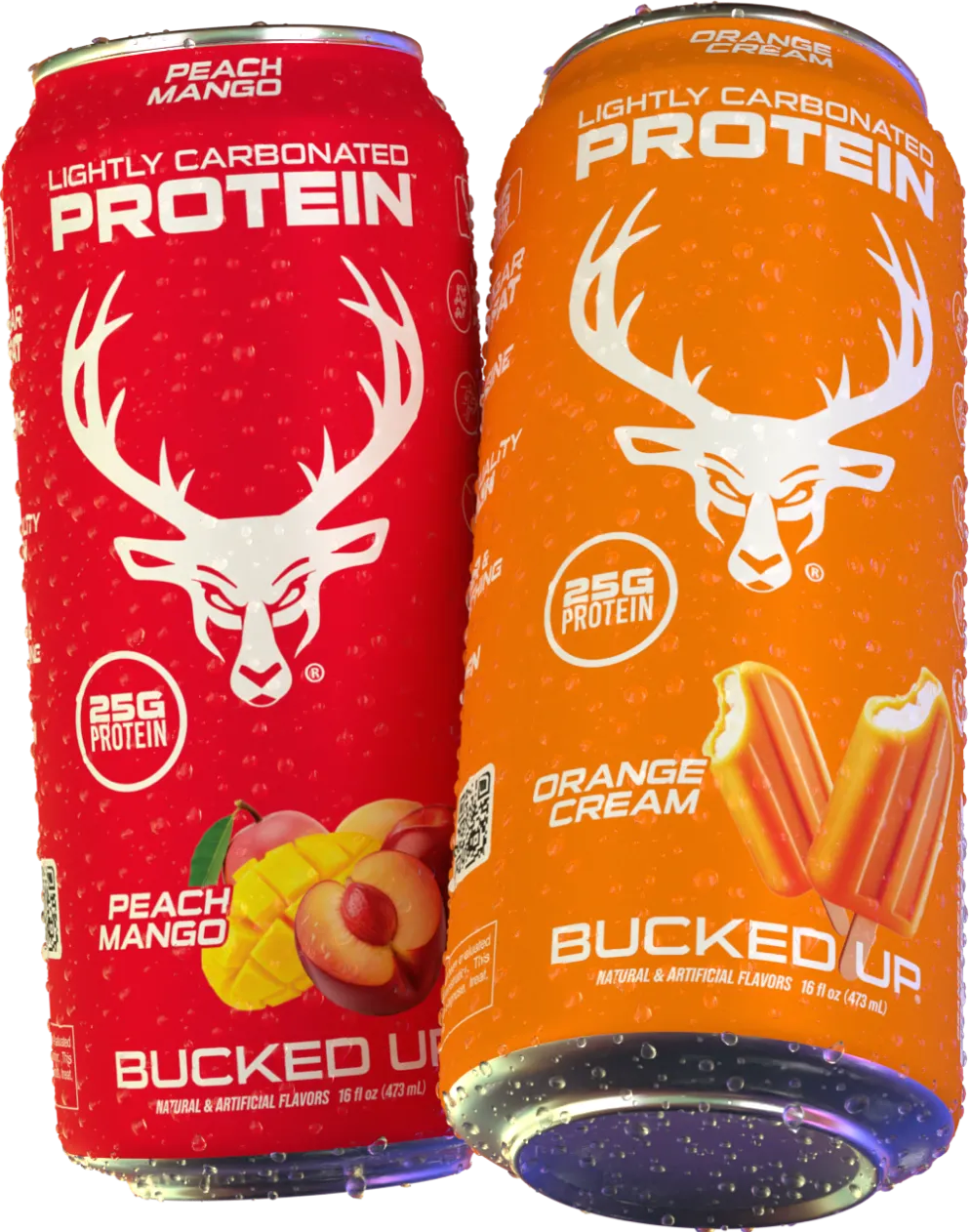
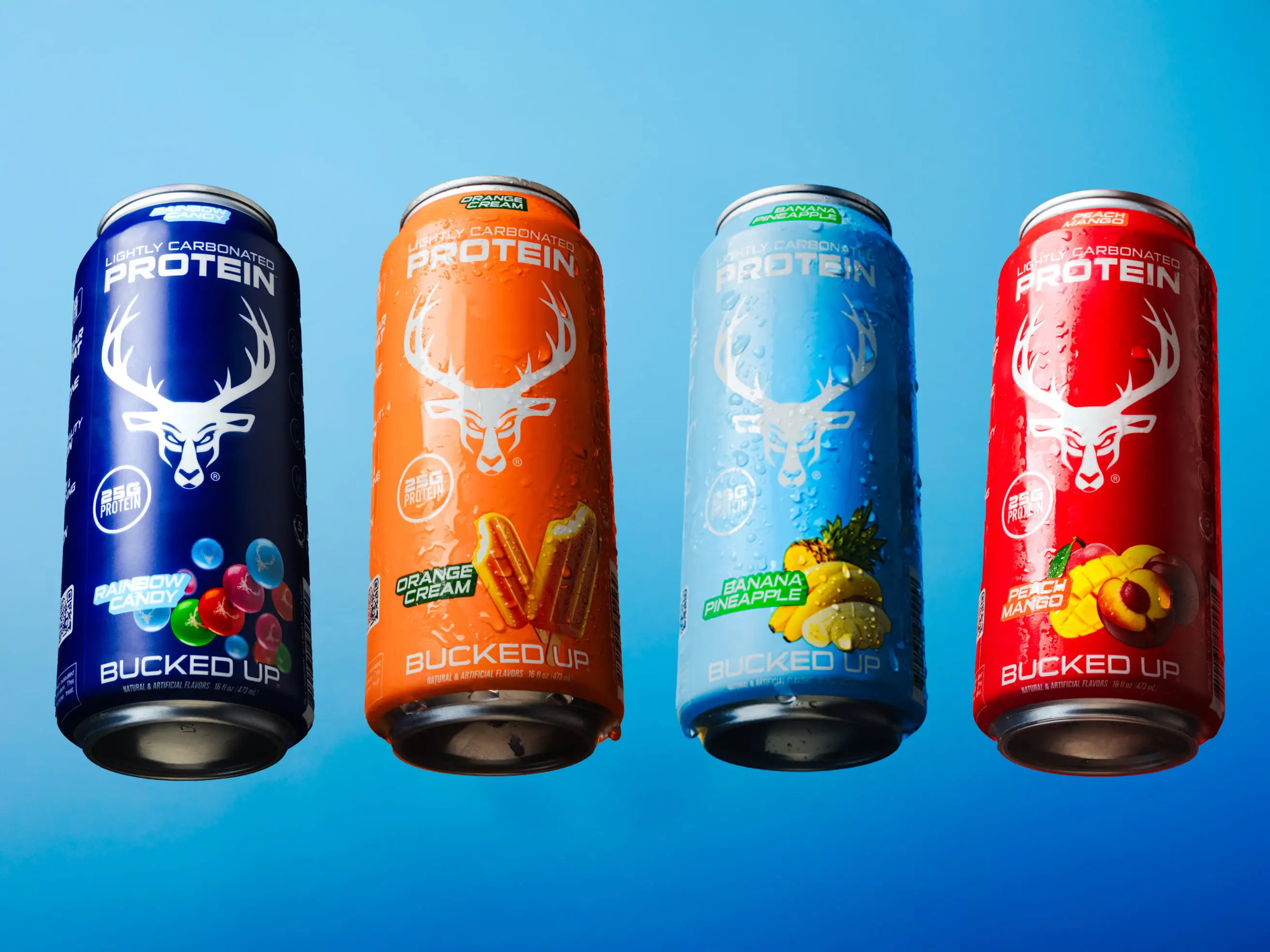
Bucked Up Protein Soda is lightly carbonated, crystal clear, and non-milky, delivering 25g of pure whey protein isolate without the thick texture common in many shakes. The carbonated format creates an energy drink-like experience while maintaining the zero-carb profile described earlier for strict low-carb compliance.
Is Bucked Up keto and paleo friendly?
Yes, Bucked Up Protein Soda contains no carbs or added sugar, which aligns with both ketogenic and paleo approaches. Unlike some protein shakes that can include hidden lactose or fillers, the same isolate-focused formulation mentioned above helps support ketosis maintenance.1
Is it safe for daily use with GLP-1 medications?
Yes, the light, easily digestible format can suit many individuals on GLP-1 medications who experience reduced appetite or nausea with heavier protein sources. Each can provides 25g of high-quality protein that can support muscle preservation during weight loss.1 Always check with your healthcare provider before making significant dietary changes while on medication.
Does it taste like a protein shake?
No, Bucked Up Protein Soda tastes crisp and refreshing, more like an energy drink than a traditional protein shake. The carbonated format avoids the thick mouthfeel and lingering artificial aftertaste that many people associate with protein beverages.
How does absorption compare to whey concentrates?
Whey protein isolate generally absorbs faster and more completely than whey concentrates because processing removes more fats, lactose, and other compounds.1 The clear, liquid carbonated format can further support quick digestion compared with thick shakes that feel heavier and may take longer to process.1
Conclusion: When Bucked Up Fits Your Low-Carb Plan
Protein sodas can offer meaningful advantages over traditional shakes for low-carb dieters through their zero-carb formulation, fast-absorbing isolate, gentler digestion, and grab-and-go convenience.1 Bucked Up Protein Soda reduces hidden carb exposure from lactose, removes preparation steps, and provides a refreshing taste that can make daily protein intake easier to maintain.1
Make the smart switch to effortless protein intake. Get your first case of Bucked Up
1 The content provided in this article is for informational purposes only and is not medical advice. Consult with a medical professional before implementing any changes to your diet, health, or exercise routines.
Individual results will vary and are based on a combination of each individual’s diet, exercise, age, and health circumstances.
These statements have not been evaluated by the Food and Drug Administration. This product is not intended to diagnose, treat, cure or prevent any disease.
This article was written by Ryan Gardner, CEO of Bucked Up. As the maker of Bucked Up Protein Soda, we have a financial interest in this information. The views expressed are our own and should be read with that context in mind.