Last updated: April 22, 2026
Key Takeaways for Lactose-Sensitive Redcon1 Fans
- Many Redcon1 protein shakes use whey concentrate with 1–3 g lactose, which can cause bloating for a large share of lactose-intolerant adults worldwide.
- Whey protein isolates like Bucked Up Protein Soda use advanced filtration to remove nearly all lactose (<1%), which supports easier digestion.1
- Top lactose-conscious alternatives include RTD shakes (Premier, Alani Nu), plant-based powders (Ghost Vegan, Orgain), and whole-food options (MRE Lite), all delivering about 20–30 g protein per serving.
- RTD protein beverages continue to grow in popularity for convenience, with carbonated formats like Bucked Up offering zero-sugar, 100-calorie options that can work well for GLP-1 users.
- Upgrade your recovery without digestive issues and try this carbonated whey isolate option for a refreshing, lactose-conscious protein source.1
Top 8 Lactose-Free Redcon1 Protein Shake Alternatives
1. Bucked Up Protein Soda: Carbonated Whey Isolate RTD
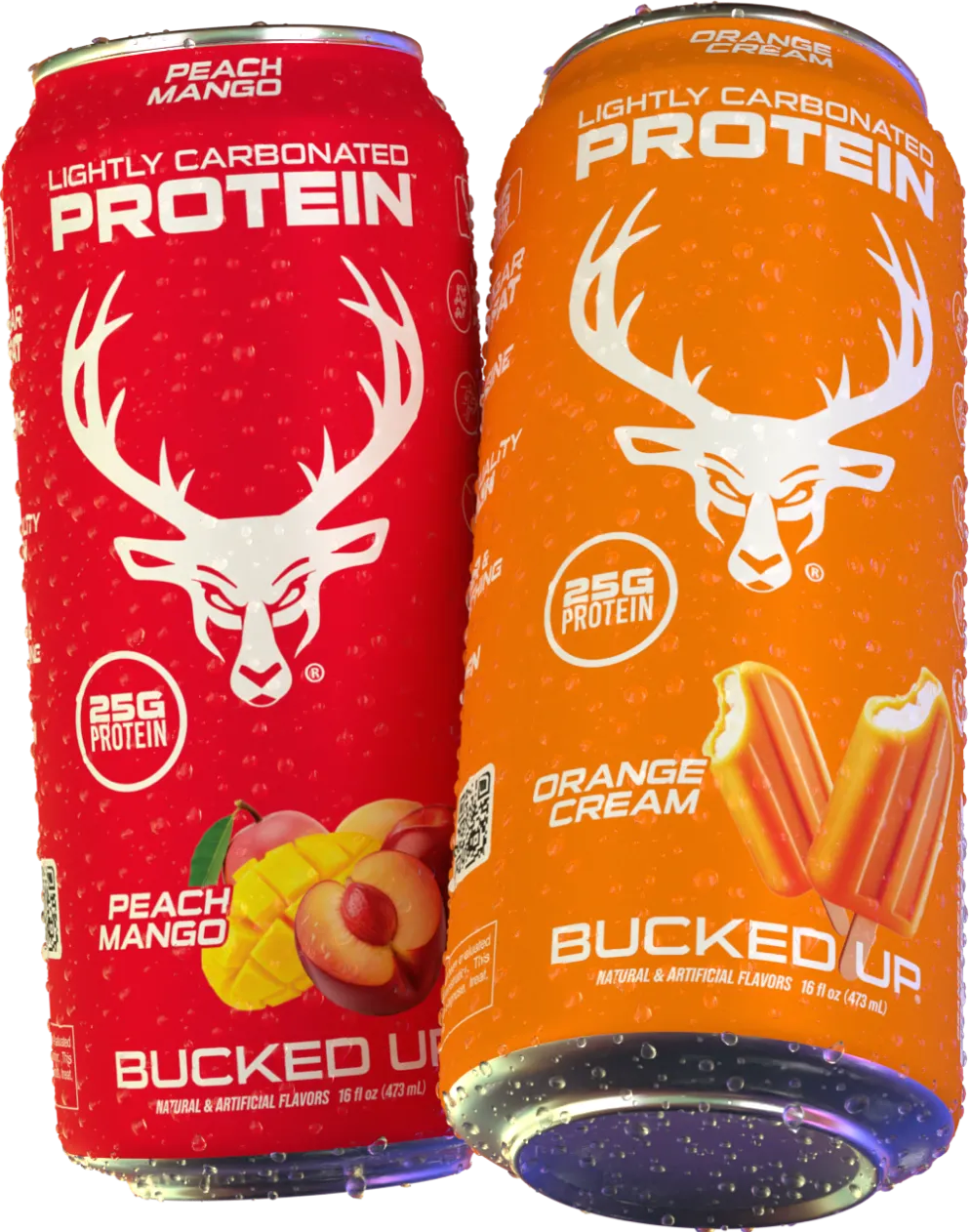
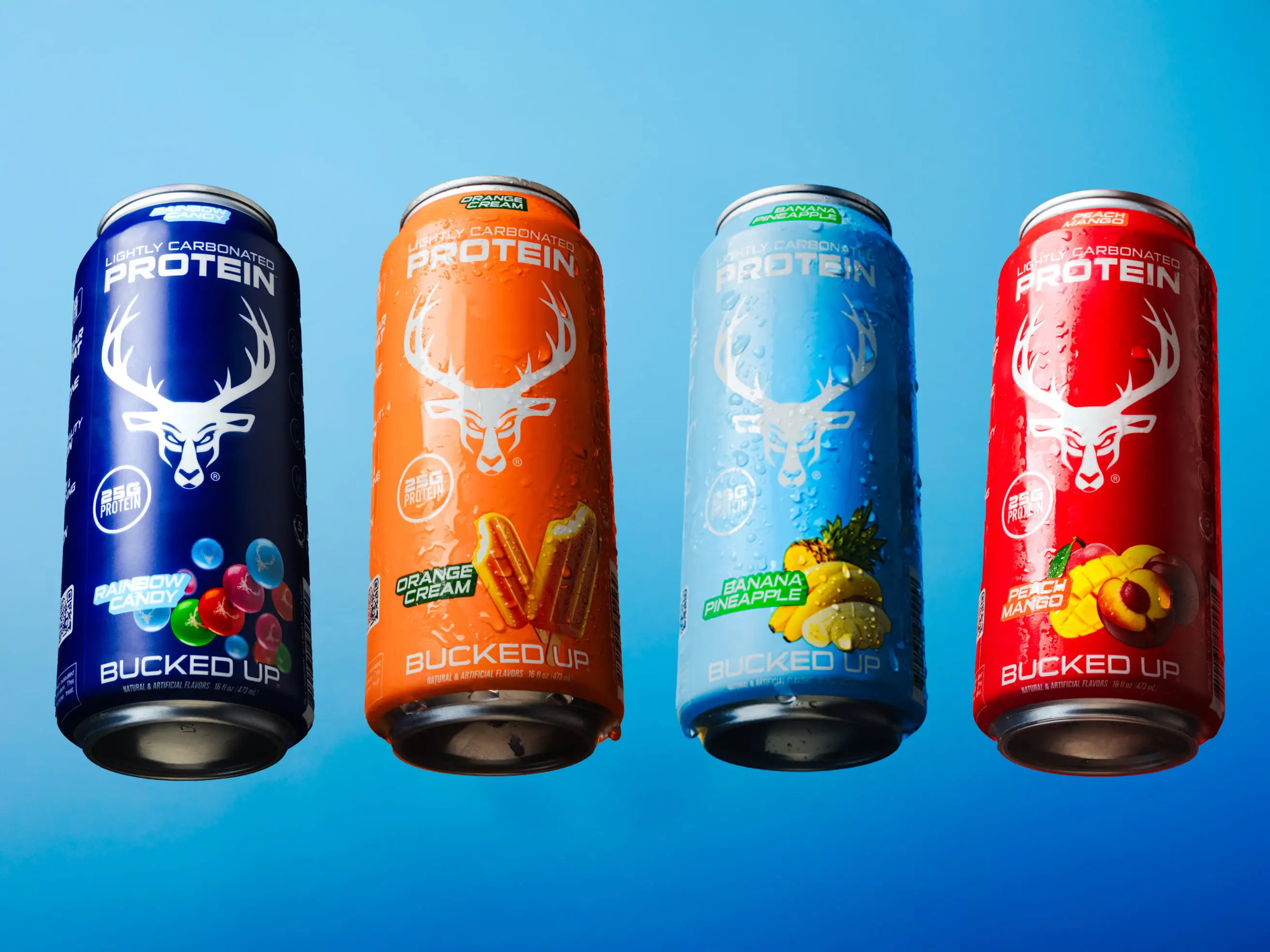
Bucked Up Protein Soda offers a lactose-conscious alternative to traditional protein shakes. Unlike Redcon1’s heavier, milk-style formulations, this lightly carbonated beverage delivers 25 g of 100% whey protein isolate in a crystal-clear, refreshing format that tastes closer to an energy drink. Whey protein isolate undergoes additional filtration to remove nearly all fat and lactose, containing less than 1% lactose, which supports comfort for many lactose-sensitive individuals.1
Each can provides 100 calories with zero sugar and zero carbs, which suits GLP-1 users who want muscle-preserving protein without a heavy shake. This low-calorie profile pairs with the carbonated format to support rapid post-workout absorption while avoiding the fats and carbs that often add bulk to traditional shakes.1 The caffeine-free formulation extends flexibility, so you can drink it morning, afternoon, or evening without affecting sleep or overlapping with pre-workout stimulants.
Manufactured in GMP-certified USA facilities, Bucked Up Protein Soda avoids the chalky residue and thick mouthfeel common with many ready-to-drink shakes. Explore Bucked Up Protein Soda on the official site if you want a clear, fizzy whey option instead of a creamy shake.
2. Alani Nu Protein Shake: RTD Whey and Collagen Blend
Alani Nu offers ready-to-drink protein shakes that combine whey and collagen. The Alani Nu 30 g Protein Shake – Cookies & Cream contains 30 g of protein per 12 fl oz (355 mL) serving from this blend. The collagen portion supports joint and skin health, while the whey portion uses isolate-style processing to help reduce lactose content.
Each bottle contains 160 calories per 12 fl oz serving with 3 g of sugar, which fits a moderate-calorie post-workout or snack. The brand leans into female-focused branding with flavors such as Cosmic Stardust and Breezeberry, which can appeal if you prefer dessert-inspired options.
3. Premier Protein Shake: Filtered Whey RTD
Premier Protein delivers 30 g of protein using filtered whey protein that significantly reduces lactose content. Premier Protein Shake is available in 11 oz and 11.5 oz bottles, which makes it easy to grab and go.
Each shake provides 160 calories and 1 g of sugar, so it fits well as a convenient meal component or post-workout drink. The filtration process removes most lactose while keeping the complete amino acid profile that supports muscle recovery.1 Premier offers familiar flavors like Chocolate and Vanilla for people who prefer classic shake taste.
4. Orgain Organic Nutrition Shake: Plant-Based RTD
Orgain’s organic nutrition shakes use plant-based protein from pea, brown rice, and chia seeds, which makes them naturally lactose-free. Each bottle contains 200 calories per carton with 32 g total carbs per 11 fl oz serving, including dietary fiber.
The organic certification avoids synthetic pesticides and GMOs, which appeals to health-conscious shoppers who want a clean-label alternative to dairy-based proteins. This option works well if you want a plant-based RTD shake with more calories and carbs to support overall energy intake.1
5. Isopure Zero Carb Whey Isolate: Pure Powder Form
Isopure Zero Carb provides 25 g of 100% whey protein isolate per scoop with zero carbohydrates and very low lactose. It goes through a filtration process that removes virtually all lactose and fat, resulting in 86% protein by weight (25 g protein per 29 g serving).
Each serving offers 100 calories and mixes easily with water, which creates a lighter consistency than many milk-based shakes. This powder suits people who want a simple, uncreamy whey isolate they can adjust by changing scoop size or liquid volume.
6. Ghost Vegan Protein: Plant-Based Powder
Ghost Vegan Protein combines pea protein isolate and brown rice protein to deliver 25 g of complete plant-based protein per serving. With 120 calories and 6 g of total carbohydrates per 1 scoop (35 g) serving, this powder supports those who avoid all dairy products.
Ghost emphasizes transparent labeling and offers playful flavors such as Cereal Milk and Pancake Batter. This approach attracts younger lifters and lifestyle users who want a fun, dairy-free protein that still covers essential amino acids.
7. Legion Plant+ Protein: Plant-Based Powder for Serious Training
Legion’s Plant+ protein provides 24 g of protein from pea and rice protein isolates in powder format. The powder format allows flexible serving sizes, so you can scale up or down based on daily protein targets.
Legion highlights third-party testing and transparent ingredient sourcing, which appeals to serious athletes who avoid dairy but still want rigorous quality standards.
8. MRE Lite: Whole Food Protein Powder
MRE Lite delivers 26 g of protein per serving from whole food sources including beef, salmon, chicken, and egg whites, which keeps it naturally lactose-free. With 130 calories per serving and 4 g of carbohydrates per 1 scoop (29 g), this powder appeals to paleo and carnivore diet followers who avoid both dairy and most plant proteins.
The whole food blend also contributes extra micronutrients beyond basic protein content, which can support overall nutrition when used regularly.1
The table below compares all eight whey-based, plant-based, and whole-food options so you can quickly scan protein, calories, and how each product keeps lactose low.
| Product | Protein (g) | Calories | Type | Lactose-Free Method |
|---|---|---|---|---|
| Bucked Up Protein Soda | 25 | 100 | RTD Whey Isolate | Isolate filtration <1% lactose |
| Alani Nu Protein Shake | 30 | 160 | RTD Whey/Collagen | Whey isolate processing |
| Premier Protein | 30 | 160 | RTD Filtered Whey | Filtration process |
| Orgain Organic | 20 | 200 | RTD Plant-Based | No dairy ingredients |
| Isopure Zero Carb | 25 | 100 | Whey Isolate Powder | Cross-flow micro-filtration |
| Ghost Vegan Protein | 25 | 120 | Plant-Based Powder | No dairy ingredients |
| Legion Plant+ Protein | 24 | Approx. 140* | Plant-Based Powder | No dairy ingredients |
| MRE Lite | 26 | 130 | Whole Food Powder | No dairy ingredients |
*Calories approximate based on typical Legion Plant+ label; check current packaging for exact values.
Lactose-Free Whey Protein for Redcon1 Fans
Redcon1 users who want to stay with whey often do well with whey protein isolates. Whey protein isolate undergoes additional filtration beyond whey protein concentrate to remove nearly all fat and lactose, typically containing 90%+ protein by weight with very low fat and little to no lactose. This process usually makes isolates more tolerable for lactose-sensitive individuals than concentrates.
Bucked Up Protein Soda and Isopure Zero Carb both use this type of isolate processing, which keeps lactose content very low while preserving the complete amino acid profile that supports muscle recovery.1 Whey protein isolate is absorbed more quickly than whey protein concentrate due to its lower fat and lactose content, so it fits well in the post-workout window when you want fast digestion.1
Lactose-Free RTD Protein Shakes
The ready-to-drink protein market continues expanding rapidly, with ready-to-drink protein beverages holding the second largest market share in the global protein drink category. This substantial position exists because consumers increasingly prioritize convenience and on-the-go nutrition solutions, which drives strong growth projections.
Within RTDs, Bucked Up Protein Soda offers carbonation and a clear texture instead of a creamy shake, which can feel lighter on the stomach. Alani Nu, Premier Protein, and Orgain provide additional lactose-conscious RTD choices, each with different calorie levels and protein sources. Ready-to-drink beverage trends include functional formulations for hydration, energy, cognitive performance, gut health, low-sugar and naturally sweetened options, and protein claims in grab-and-go products.
Check out this carbonated RTD whey option if you want something lighter than a standard shake.
Plant-Based Protein Choices for Complete Dairy Avoidance
People who avoid dairy completely often choose plant-based proteins to remove lactose concerns entirely. Plant-based protein powders are in high demand due to the growing popularity of plant-based foods and work well for people allergic to dairy. Legion Plant+ and Ghost Vegan Protein both build complete amino acid profiles by blending complementary plant proteins.
Plant proteins usually require slightly larger serving sizes to match the biological value of whey. While Orgain Organic provides 20 g of plant protein per RTD serving, many athletes combine multiple servings or pair plant powders with other protein sources across the day to reach higher daily protein goals.
How Fairlife Fits into the Lactose Conversation
Beyond the alternatives above, many lactose-sensitive consumers consider Fairlife, a popular brand that markets ultra-filtered milk products. Understanding how Fairlife’s processing compares with true isolates helps clarify which option fits your tolerance level.
Fairlife protein shakes use ultra-filtered milk that significantly reduces lactose content but does not remove it completely. Fairlife exemplifies premium positioning in the U.S. dairy beverages market through strategic branding and fortification messaging, particularly in high-protein, lactose-free ultra-filtered milk formats. Individual tolerance varies, so some lactose-sensitive people still report discomfort.
For more predictable lactose-free experiences, whey protein isolates such as those in Bucked Up Protein Soda usually offer more reliable digestibility. The additional filtration in isolate processing keeps lactose below typical tolerance thresholds for many people with lactose sensitivity.
FAQ
What is a good lactose-free protein shake option?
Bucked Up Protein Soda provides an innovative lactose-conscious protein experience, delivering 25 g of whey protein isolate in a refreshing carbonated format with zero sugar and 100 calories. The isolate processing removes virtually all lactose while keeping rapid absorption and a complete amino acid profile for muscle recovery.1
Are Fairlife protein shakes actually lactose free?
Fairlife protein shakes use ultra-filtered milk that significantly reduces lactose content but does not remove it entirely. Many lactose-sensitive individuals tolerate Fairlife products, yet people with severe lactose intolerance may still experience digestive discomfort. Whey protein isolates generally provide more consistently lactose-free alternatives.
Can I use lactose-free protein shakes while on GLP-1 medications?
Yes. Lactose-free protein shakes can help GLP-1 users maintain protein intake for muscle preservation while appetite remains lower.1 Light, easily digestible options such as Bucked Up Protein Soda supply essential protein without the heaviness that can worsen nausea or digestive sensitivity linked with these medications.
How much protein should I look for to replace Redcon1 shakes?
Many Redcon1 protein products provide 20–30 g of protein per serving. Choose lactose-conscious alternatives in the same range, such as Bucked Up Protein Soda at 25 g, Premier Protein at 30 g, or Alani Nu at 30 g. Focus on products with complete amino acid profiles so your muscle-building and recovery support stays comparable.1
What is the difference between whey isolate and concentrate for lactose intolerance?
Whey protein concentrate retains more lactose and can cause bloating or discomfort for lactose-sensitive individuals. Whey protein isolate goes through extra filtration that removes nearly all lactose content. Isolates typically contain less than 1% lactose compared to about 1–3 g per serving in many concentrates, which makes isolates more tolerable for most people with lactose sensitivity.1
Conclusion: Switch from Redcon1 Without the Lactose Bloat
Lactose sensitivity does not need to limit your protein intake or recovery. The eight alternatives here offer easier digestion while keeping the high protein levels that attract many people to Redcon1 products.
Bucked Up Protein Soda can stand out with its carbonated delivery system, providing 25 g of whey protein isolate in a clear, energy drink-style format that avoids the heavy, milky texture of many shakes. Whether you use GLP-1 medications, manage lactose intolerance, or simply want a lighter protein experience, these options support muscle-building nutrition without the usual digestive trade-offs.1 Ditch the bloat and explore a lactose-conscious Redcon1 protein shake alternative from Bucked Up.
1 The content provided in this article is for informational purposes only and is not medical advice. Consult with a medical professional before implementing any changes to your diet, health, or exercise routines.
Individual results will vary and are based on a combination of each individual’s diet, exercise, age, and health circumstances.
These statements have not been evaluated by the Food and Drug Administration. This product is not intended to diagnose, treat, cure or prevent any disease.
This article was written by Ryan Gardner, CEO of Bucked Up. As the maker of Bucked Up Protein Soda, we have a financial interest in this information. The views expressed are our own and should be read with that context in mind.