Last updated: April 22, 2026
Key Takeaways for Low-Lactose Protein
- Whey protein isolates contain less than 1g lactose per serving due to advanced filtration, which supports sensitive stomachs better than whey concentrates with 4–8% lactose.1
- Plant-based proteins like pea and rice blends provide 0g lactose naturally and can match whey’s muscle-building support when the amino acid profile and total protein are sufficient.1
- Carbonated whey isolate sodas deliver 25g of protein in 100-calorie, zero-sugar formats for easy digestion and grab-and-go convenience without mixing.
- GLP-1 users benefit from light, non-milky protein sources to preserve muscle during weight loss, aiming for about 0.73g of protein per lb of body weight daily.1
- Bucked Up’s carbonated protein soda offers a bloat-conscious, refreshing protein option that supports gains while reducing gut irritation for many users.1
How Low-Lactose Proteins Support Sensitive Stomachs
Low-lactose protein choices can reduce bloating, gas, and discomfort for people with dairy sensitivity.1 Whey concentrate, a common form, retains higher lactose levels and digests more slowly due to minimal processing. Whey protein isolate undergoes filtration to contain at least 90% protein on a dry matter basis with most lactose removed, which makes it a frequent choice for those with dairy sensitivities. Whey hydrolysate represents a more processed form, with pre-digested proteins that support rapid absorption.1 Plant-based options like pea, rice, and hemp contain zero lactose naturally and avoid dairy altogether. Beyond protein source, additives like gums, thickeners, and artificial sweeteners can cause bloating in sensitive individuals, so checking ingredient lists closely supports better digestive comfort.1
| Protein Type | Typical Lactose Content | Digestion Speed | Best For |
|---|---|---|---|
| Whey Isolate | <1g per serving | Fast | Sensitive stomachs |
| Whey Concentrate | Higher levels per serving | Moderate | No lactose issues |
| Plant Proteins | 0g | Moderate | Severe intolerance |
Low-Lactose Protein Options at a Glance
| Product Type | Lactose Level | Protein per Serving | Best For |
|---|---|---|---|
| Bucked Up Protein Soda | Minimized isolate | 25g | GLP-1/convenience |
| Whey Isolate Powders | <1g | 25–30g | Post-workout |
| Plant Protein Blends | 0g | 20–25g | Severe intolerance |
| Traditional RTD Shakes | Varies by formula | 20–30g | Basic convenience |
Whey Isolate Powders for Sensitive Stomachs
Whey protein isolates provide low lactose content with fast absorption, which supports recovery for people who tolerate dairy poorly.1 Jacked Factory Authentic ISO Grass-Fed Whey Protein Isolate contains 25g of protein per 30.1g serving, approximately 83% protein by weight with most lactose removed, which can make it less likely to cause digestive issues.1 This grass-fed option delivers a high protein percentage with relatively few processing additives. Ascent Native Whey is minimally processed, mixes well, and digests easily1, while KLEAN Athlete KLEAN Isolate offers NSF Certified for Sport verification trusted by competitive athletes.
Starting with half-scoop servings mixed with water helps you assess individual tolerance before moving to full servings. After you confirm that your stomach handles the protein, focus on product quality by choosing items labeled as whey isolate rather than concentrate and checking for third-party testing. Some isolates include digestive enzymes like ProHydrolase that aid protein absorption1, which may ease any remaining discomfort. Use ingredient labels and your own digestion experience as the main guides, instead of relying only on marketing language.
Try carbonated protein soda for convenient protein alternatives that eliminate powder preparation entirely.
Plant-Based Low-Lactose Protein Choices
Plant-based proteins remove lactose completely, which supports people with severe dairy intolerance.1 Plant-derived protein sources such as pea, soy, rice, hemp, and quinoa offer allergen-free and lactose-free alternatives to dairy-based proteins. Well-formulated pea-rice or multi-plant blends can rival animal proteins like whey in outcomes when the amino acid profile and total grams are sufficient.1 KOS Organic Plant Protein delivers approximately 20g of protein per serving with zero lactose content, although users should confirm amino acid completeness in single-source plant proteins.
Designs for Health PurePea and plant blends are functional-medicine-grade options that are gentle on digestion.1 Many plant proteins require slightly larger serving sizes to match whey’s amino acid profile, yet they remove dairy-related digestive concerns entirely. This tradeoff often works well for people who value comfort and allergen avoidance over smaller scoop sizes.
RTD Carbonated Whey Isolate Sodas for Low Lactose
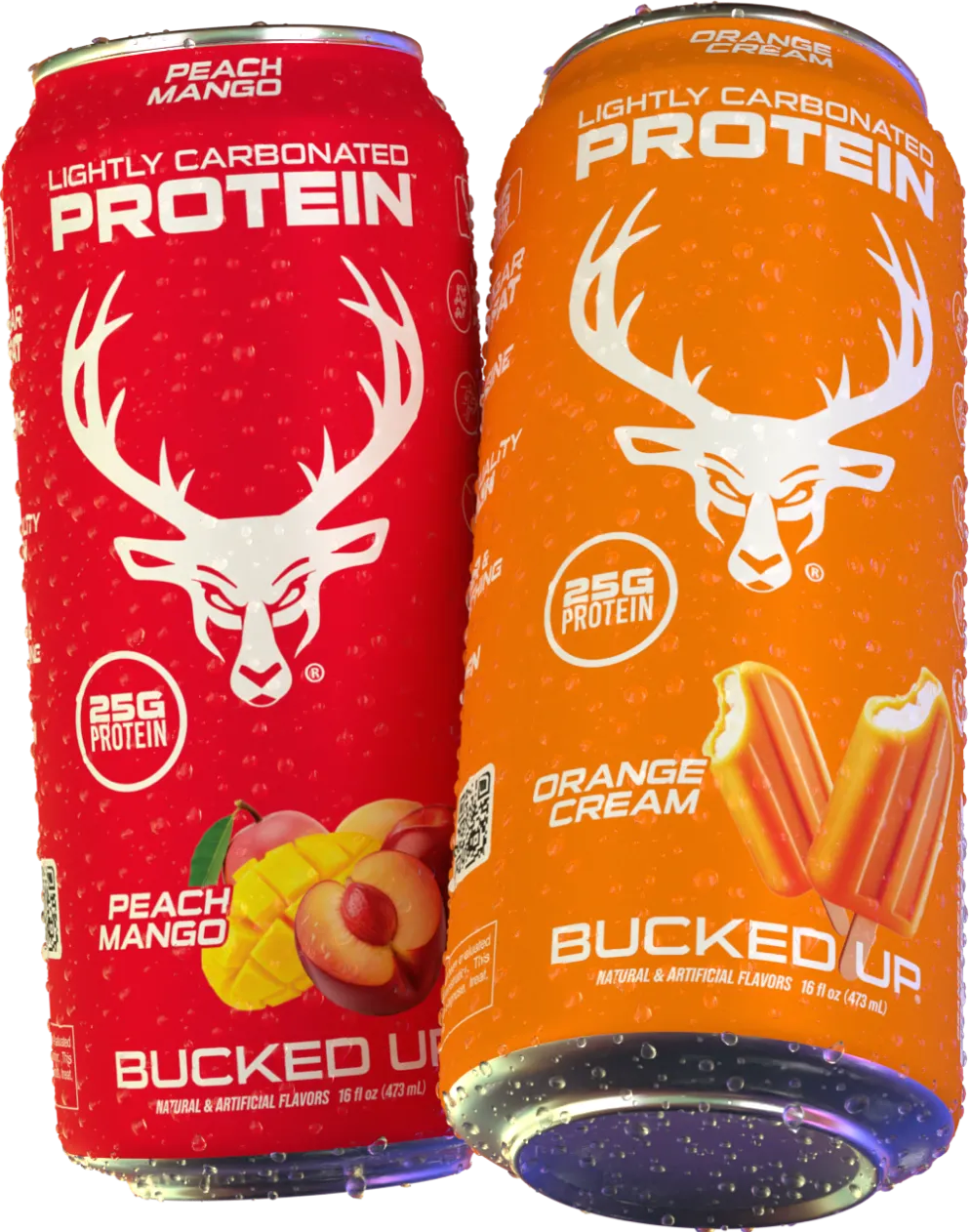
Ready-to-drink innovations now give lactose-sensitive users lighter options than traditional shakes. Bucked Up Protein Soda utilizes pure whey protein isolate with lactose and gluten removed through specialized processing, delivering 25g of protein per serving in a clear, carbonated format that avoids the milky texture associated with many protein drinks. This 100-calorie beverage maintains the zero-sugar profile mentioned earlier while also eliminating carbs and caffeine, which supports flexible use at any time of day. Some conventional RTD shakes may use whey concentrate or protein blends, while this carbonated approach supports rapid protein delivery in a drink that feels closer to an energy beverage than a thick shake.

The carbonated delivery system can help GLP-1 users and people with low appetite because the light, effervescent texture often feels easier to sip. This innovation narrows the convenience gap between powder preparation and heavy RTD shakes by offering portable protein that needs no mixing or cleanup. These convenient formats are particularly valuable for specific groups with unique protein needs, such as individuals using GLP-1 medications.
Experience carbonated protein innovation that combines convenience with digestibility.
Low-Lactose Protein for GLP-1 Users and Weight Loss
GLP-1 receptor agonist users often struggle to eat enough protein because of reduced appetite and difficulty with heavier foods. Maintaining adequate protein intake supports muscle preservation during weight loss, with recommendations typically around 0.73g of protein per lb of body weight to help prevent sarcopenia.1 Bucked Up Protein Soda’s light, carbonated format addresses these needs by providing easily digestible protein without the heaviness that can trigger nausea or early fullness with GLP-1 medications.1
The clear, non-milky formulation reduces texture aversions while still supplying a complete amino acid profile for muscle maintenance. This style of drink allows users to move toward their protein targets without forcing down solid foods or thick shakes that may feel overwhelming during periods of low appetite.
Tips to Choose and Use Protein Without Gut Irritation
Thoughtful selection and gradual introduction of protein products can reduce digestive issues. Start with half servings to assess individual tolerance before increasing to full doses. Once you know your body handles the product, look for items specifically labeled as whey isolate rather than concentrate and confirm third-party testing for purity. Avoid products containing gums, thickeners, and artificial sweeteners that can cause bloating in sensitive individuals.
If you still notice minor discomfort, consider digestive enzyme supplements or products with added enzymes to support protein breakdown. Support your digestion further by staying hydrated and spreading protein intake across the day instead of consuming large amounts at once. NSF Certified for Sport products provide additional quality assurance for competitive athletes who must avoid banned substances.
Frequently Asked Questions
Can I have protein powder if I am lactose intolerant?
Many people with lactose intolerance can use protein powders by choosing whey protein isolates that contain less than 1g of lactose per serving or plant-based proteins that are naturally lactose-free. Whey isolates go through filtration that removes most lactose, which makes them workable for many people with lactose sensitivity. Ready-to-drink options like Bucked Up Protein Soda use pure whey isolate with lactose removed, providing the protein content mentioned earlier without the same level of digestive discomfort that some dairy products cause.
What protein powder works well for sensitive stomachs?
Protein options that often work for sensitive stomachs include whey protein isolates, plant-based proteins, and newer RTD formats like carbonated protein sodas. Whey isolates contain minimal lactose and digest quickly, while plant proteins avoid dairy entirely. Products without artificial additives, gums, or thickeners tend to cause fewer digestive issues. Bucked Up Protein Soda combines whey isolate purity with a light, carbonated delivery system that many people find easier to digest than traditional thick shakes.
What protein supports people on tirzepatide or other GLP-1 medications?
GLP-1 users often do well with easily digestible, light protein sources that do not trigger nausea or early fullness. Liquid proteins, especially clear formulations like carbonated protein sodas, usually feel less filling than solid foods or dense shakes. The serving size in Bucked Up Protein Soda provides muscle-supporting nutrition in a format that many GLP-1 users tolerate during periods of reduced appetite.
Does Bucked Up Protein Soda contain lactose?
Bucked Up Protein Soda uses whey protein isolate that has undergone processing to remove lactose and gluten, which significantly lowers lactose content compared with many whey concentrate products. The specialized filtration process used in creating whey isolate removes most dairy components that often cause digestive issues, so it can work for many individuals with lactose sensitivity. The clear, carbonated format also sets it apart from milk-based protein drinks that may contain higher lactose levels.
How much protein do I need daily for muscle maintenance?
Daily protein needs depend on activity level, age, and health goals, but general recommendations range from 0.36g to 0.73g of protein per lb of body weight. Active individuals and those trying to preserve muscle during weight loss usually need amounts toward the higher end of that range. For a 150-pound person, this equals approximately 80–110g of protein daily. GLP-1 users may need to prioritize easily digestible protein sources to reach these targets despite reduced appetite.
Conclusion: Building a Low-Lactose Protein Routine
Low-lactose protein strategies now allow you to support muscle without sacrificing taste, convenience, or comfort.1 Whey protein isolates, plant-based options, and innovative RTD choices like carbonated protein sodas give lactose-sensitive individuals several workable paths for muscle maintenance and recovery. Bucked Up Protein Soda can stand out for stomach-friendliness through its pure whey isolate formulation, manufacturing in GMP-certified USA facilities, and keto-friendly zero-carb profile that pairs a complete amino acid profile with a light, refreshing experience.1
Transform your protein routine with carbonated protein innovation.
1 The content provided in this article is for informational purposes only and is not medical advice. Consult with a medical professional before implementing any changes to your diet, health, or exercise routines.
Individual results will vary and are based on a combination of each individual’s diet, exercise, age, and health circumstances.
These statements have not been evaluated by the Food and Drug Administration. This product is not intended to diagnose, treat, cure or prevent any disease.
This article was written by Ryan Gardner, CEO of Bucked Up. As the maker of Bucked Up Protein Soda, we have a financial interest in this information. The views expressed are our own and should be read with that context in mind.