Last updated: April 22, 2026
Key Takeaways for Lactose‑Sensitive and GLP‑1 Users
- Whey protein isolate suits many lactose-sensitive stomachs because it contains at least 90% protein with very low lactose per serving.1
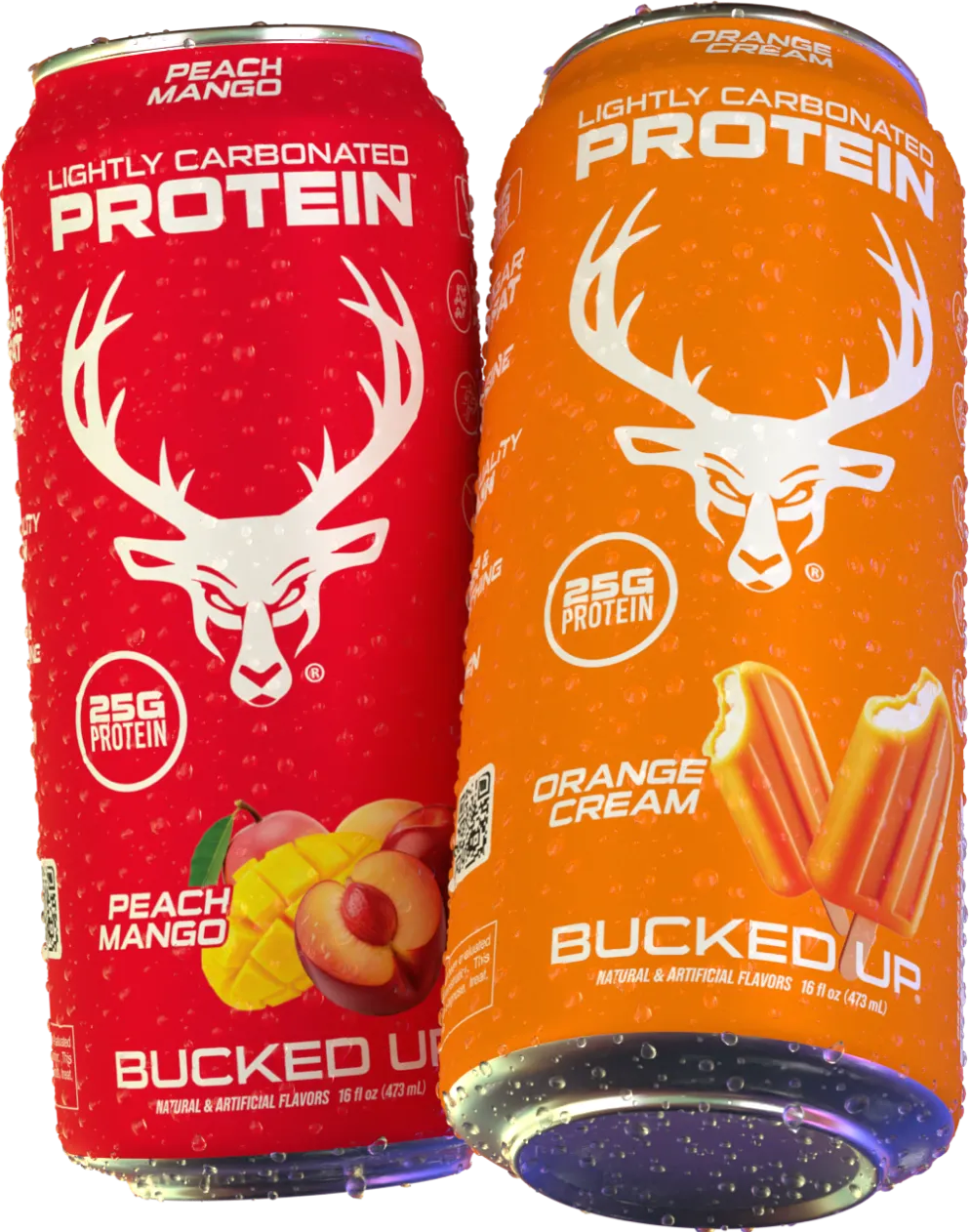
- RTD lactose-free whey isolate drinks like Bucked Up Protein Soda provide 25g protein, 100 calories, zero sugar, and zero carbs for lighter digestion.1
- GLP-1 users on Ozempic or tirzepatide often benefit from 1–2 daily servings of whey isolate to help preserve muscle mass with less bloating.1
- Top picks in this guide focus on clear texture, low calories, and strong tolerance reviews, with Bucked Up offering a carbonated, energy-drink-style format.
- Bucked Up Protein Soda can feel especially light for sensitive stomachs and pairs well with GLP-1 treatment plans.1
Why Whey Protein Isolate Works Well for Lactose Intolerance
Whey protein isolate and whey concentrate differ mainly in processing and lactose content. Whey protein concentrate contains varying levels of protein by weight along with lactose and fat per serving. Whey protein isolate contains at least 90% protein on a dry matter basis, with much less lactose and fat.
Whey protein isolate is processed using advanced microfiltration or ion-exchange techniques to contain 90% or more pure protein with minimal to near-zero lactose (often below 1%), which can improve digestibility and reduce bloating for lactose-intolerant individuals.1 By removing nearly all lactose during processing, whey isolate helps prevent undigested lactose from reaching the colon where bacterial fermentation causes gas, bloating, and discomfort.1
For GLP-1 users managing reduced appetite, 1–2 servings of whey protein isolate per day can help limit muscle loss while keeping digestion comfortable.1 Whey protein isolate digests faster, absorbs more rapidly, and typically creates less digestive stress than whey protein concentrate, which makes it useful for post-workout recovery and for people who are sensitive to lactose.1
How to Choose RTD Lactose-Free Whey Isolate for Sensitive Stomachs
Focus on clear nutritional specs first when selecting ready-to-drink whey protein isolate beverages. Look for a 100% isolate formulation rather than blends with concentrate, at least 20g protein per serving, under 150 calories, zero added sugar, zero or very low carbs, and GMP-certified USA manufacturing.
Then review tolerance factors. Prioritize a clear or light texture and products with positive digestive tolerance reviews, since these traits often signal easier digestion. After you narrow your list to drinks that meet these criteria, test your own tolerance by starting with half servings consumed chilled. Track any bloating or discomfort over 24–48 hours before moving up to full servings.
Top 4 Lactose-Free Whey Isolate RTD Drinks for Sensitive Stomachs in 2026
| Rank/Product | Key Specs | Digestion Benefits | Notes |
|---|---|---|---|
| 1. Bucked Up Protein Soda | 25g clear isolate, 100 cal, 0g sugar/carb | Lightly carbonated, caffeine-free, energy drink taste | Clear, carbonated format, available on Amazon |
| 2. Isopure Infusions | 20g isolate, 90 cal per scoop (25g), 1g sugar | Fruit-flavored, clear liquid | Limited flavor variety |
| 3. Core Power Elite | 42g protein, 230 cal per bottle (414 ml), 7g total sugars | Filtered for purity | Higher calorie, contains sugar |
| 4. Premier Protein Clear | 20g isolate, 90 cal, 0g sugar | Light texture | Lower protein content |
Bucked Up Protein Soda can stand out as a lightly carbonated option that delivers 25g of protein in a 100-calorie drink with zero sugar and zero carbs.
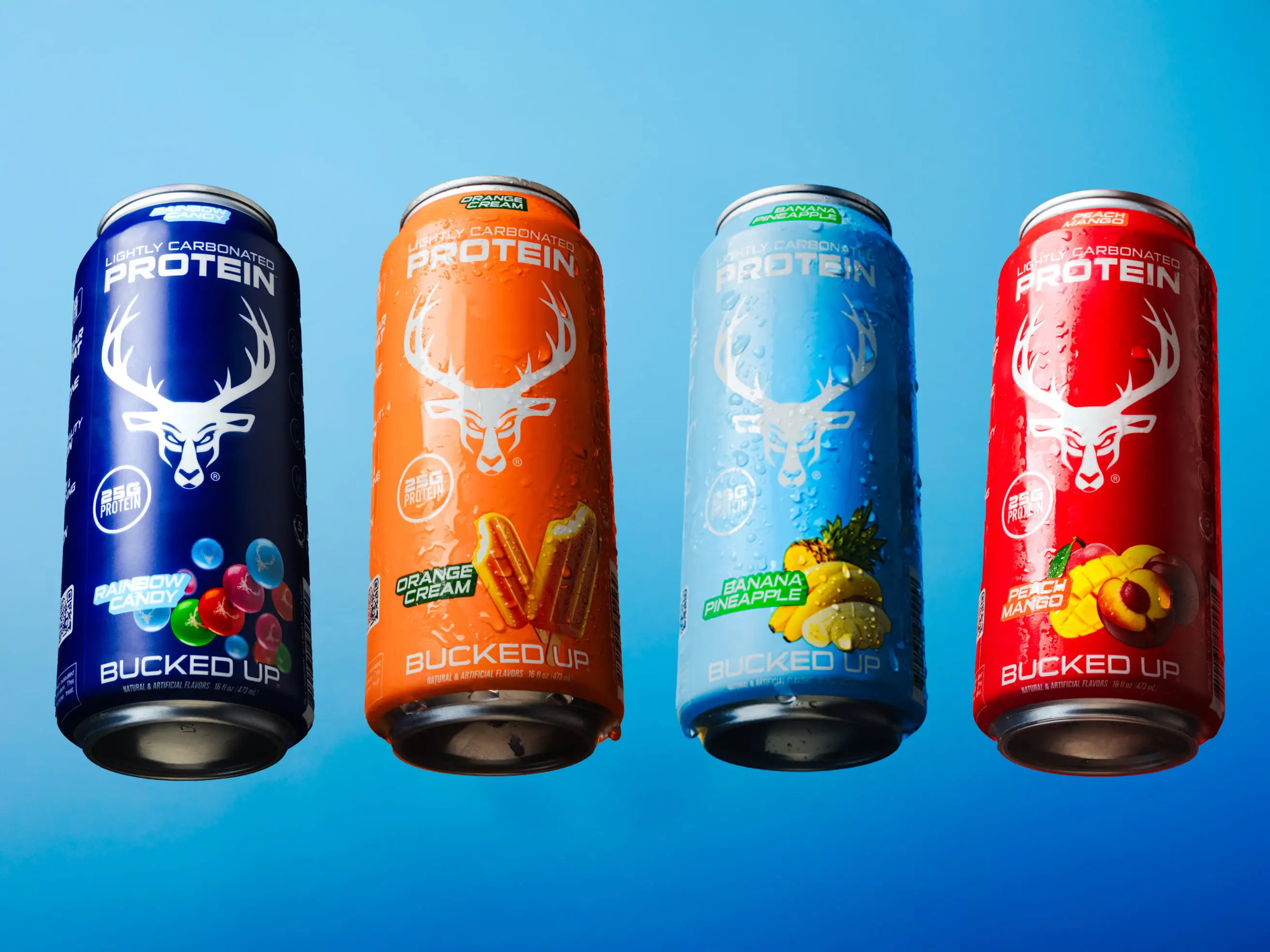
A typical scoop of whey protein isolate provides about 25 grams of protein with minimal carbs and under 1 gram of fat, which many lactose-sensitive people tolerate better than whey concentrate.1 The carbonated format of Bucked Up Protein Soda creates a thinner, sparkling texture that often feels lighter on the digestive system than traditional thick shakes.1
Best Protein Drinks for GLP-1 Users Focused on Muscle Preservation
GLP-1 receptor agonist users can usually include whey protein isolate drinks safely, and 1–2 servings daily often support muscle preservation during weight loss.1 Approximately 12% of Americans use GLP-1 medications like Ozempic and Wegovy, and healthcare providers frequently pair these treatments with whey protein to help offset an estimated 25–40% lean muscle mass loss during aggressive weight reduction.
| Drink | GLP-1 Compatibility | Why Helpful for GLP-1 Users |
|---|---|---|
| Bucked Up Protein Soda | Excellent | Light, palatable, easier to finish when appetite is reduced1 |
| Traditional RTD Shakes | Moderate | Can feel heavy and may trigger nausea for some users |
| Protein Powders | Poor | Require preparation and often feel too filling |
Growth in high-protein beverage intake and GLP-1–related behavior shifts has increased demand for clean, clear, high-functionality proteins. This trend makes products like Bucked Up Protein Soda especially relevant for people using GLP-1 medications who still need convenient protein.
Digestion Tips for Using Whey Isolate with a Sensitive Stomach
Simple changes in how you drink whey isolate can improve tolerance. Sip slowly instead of chugging, and keep beverages chilled to improve taste and comfort. Stay well hydrated throughout the day, and consider carbonated options like Bucked Up Protein Soda, which many people find lighter on the stomach.1
Start with a half scoop mixed with water post-workout or mid-day, avoid pairing it with heavy meals, and monitor for bloating or discomfort over 24 hours. If you tolerate that well, you can gradually increase your serving size.
RTD Isolate Drinks Compared to Traditional Shakes and Powders
These format differences matter once you understand how serving size and pacing affect digestion. Ready-to-drink isolates, traditional shakes, and powders each bring different levels of lactose, texture, and convenience, which can change how your stomach feels after drinking them.
| Format | Lactose Content | Texture | Convenience |
|---|---|---|---|
| RTD Isolate (Bucked Up) | <1g | Light, carbonated | Ready-to-drink |
| Traditional Shakes | Contains lactose | Thick, creamy | No preparation needed |
| Protein Powders | Variable | Depends on mixing | Requires preparation |
Shop Bucked Up Protein Soda now for a convenient, ready-to-drink protein option that many people with sensitive stomachs find easier to handle.
Frequently Asked Questions
Which whey protein works well for a sensitive stomach?
Whey protein isolate can be a strong choice for sensitive stomachs because it contains much less lactose per serving than whey concentrate.1 Bucked Up Protein Soda adds a clear, carbonated format that often feels more digestible than traditional thick shakes.
Can you take protein while on tirzepatide?
Yes, protein supplementation is generally considered safe and often recommended for individuals on tirzepatide or other GLP-1 medications. Healthcare providers commonly suggest 1–2 servings of high-quality protein per day to help prevent muscle loss during weight reduction.1 Bucked Up Protein Soda offers a light, palatable format that can be easier to finish when appetite is low.1
Can I drink whey isolate if I am lactose intolerant?
Most lactose-intolerant individuals can tolerate whey protein isolate because advanced filtration reduces lactose to very low levels, often under 1%.1 As explained earlier, this minimal lactose content rarely triggers digestive symptoms, so whey isolate can be a practical protein source for many people who cannot tolerate regular dairy products.
How does Bucked Up compare to other protein drinks?
Bucked Up Protein Soda is currently positioned as a lightly carbonated whey protein isolate drink that provides 25g of protein in just 100 calories with zero sugar and zero carbs. Its clear, refreshing format removes the heavy, milky texture that can cause digestive issues with some traditional protein shakes.1
Is daily use of whey isolate drinks safe?
Daily consumption of whey protein isolate drinks is generally safe for healthy adults when total protein intake stays within recommended ranges. The 2025–2030 Dietary Guidelines suggest 1.2–1.6 grams of protein per kilogram of body weight per day, which equals roughly 82–109 grams for a 150-pound person. Talk with your healthcare provider if you have specific dietary concerns or medical conditions.
Bucked Up Protein Soda combines convenience with a lighter feel for sensitive stomachs.1 Shop Bucked Up Protein Soda now to see how protein can fit into your routine without as much digestive upset.
1 The content provided in this article is for informational purposes only and is not medical advice. Consult with a medical professional before implementing any changes to your diet, health, or exercise routines.
Individual results will vary and are based on a combination of each individual’s diet, exercise, age, and health circumstances.
These statements have not been evaluated by the Food and Drug Administration. This product is not intended to diagnose, treat, cure or prevent any disease.
This article was written by Ryan Gardner, CEO of Bucked Up. As the maker of Bucked Up Protein Soda, we have a financial interest in this information. The views expressed are our own and should be read with that context in mind.