Last updated: April 22, 2026
Key Takeaways
- Lactose intolerance affects millions, and whey protein isolate offers a practical option with under 1g lactose per serving for better digestibility than concentrates.1
- Leading low- or no-lactose choices include Bucked Up Protein Soda, Isopure, plant-based powders, and ready-to-drink shakes like Fairlife and Premier Protein.
- Ready-to-drink formats such as Bucked Up Protein Soda provide grab-and-go convenience, quick absorption, and a light, carbonated taste for workouts or daily use.1
- Plant-based proteins are fully lactose-free but usually deliver less protein per serving and lower biological value than whey isolates.
- Bucked Up Protein Soda offers a zero-sugar, low-calorie, ready-to-drink option that can work well for gym-goers, weight loss, and GLP-1 users.1
Why Whey Isolate Works for Lactose Intolerance
Whey protein isolate goes through extra filtration steps beyond standard whey concentrate, which removes nearly all lactose. Whey protein isolate contains 90% or more protein by weight with very low fat and little to no lactose, while whey protein concentrate has lower protein content and retains more lactose.
The filtration difference is significant. Whey protein isolate typically contains less than 1g lactose per scoop, while whey protein concentrate contains about 3–5g of lactose per serving. This reduction makes isolates workable for many lactose-sensitive individuals and still supports strong absorption for post-workout recovery.1
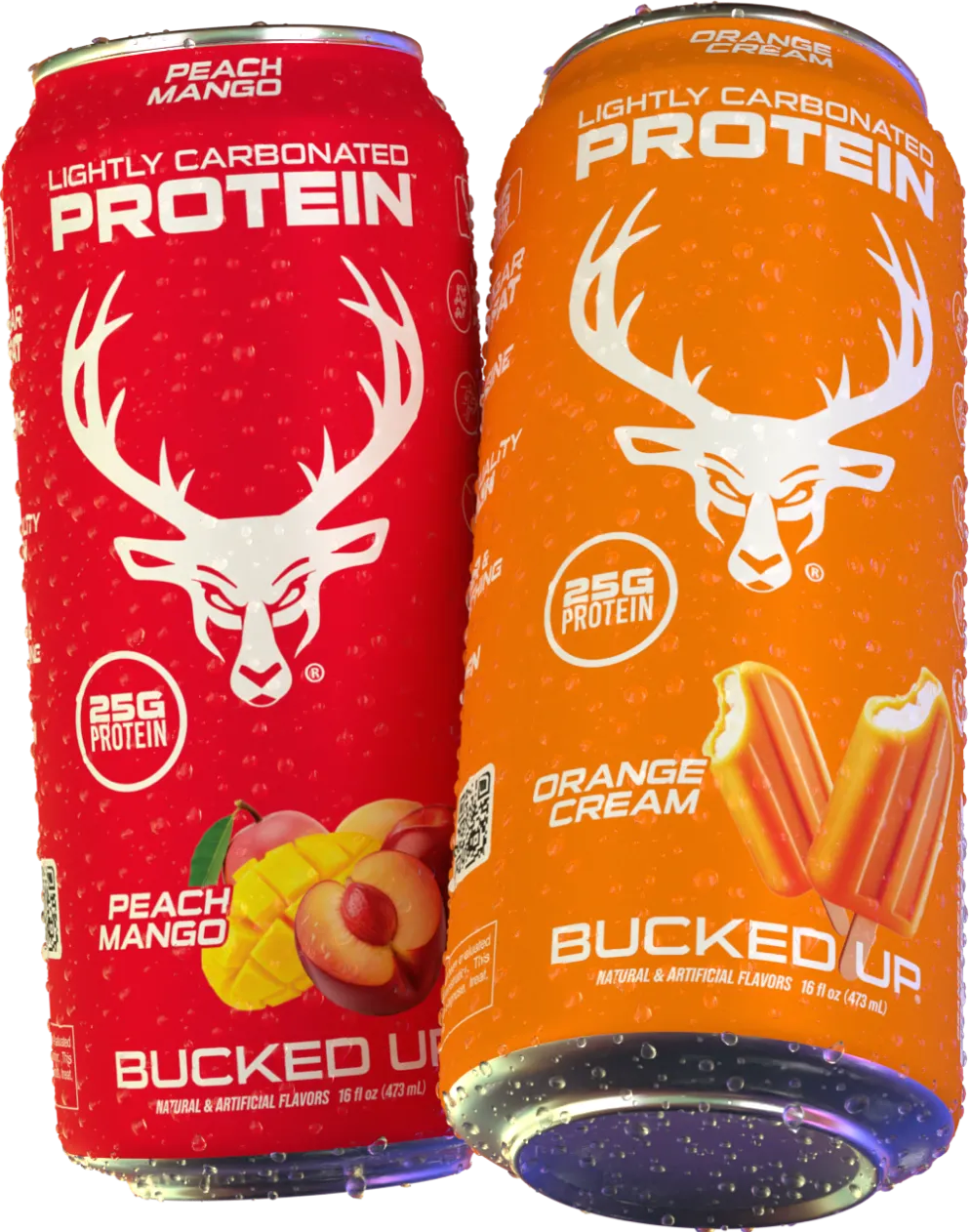
Bucked Up Protein Soda uses clear whey protein isolate to deliver a complete amino acid profile without the digestive issues many people experience with traditional concentrates.1 The carbonated format supports quick intake and offers a lighter, soda-like experience instead of a heavy, chalky shake.1
How Top Lactose-Free Protein Types Compare
The table below highlights how several popular lactose-free or low-lactose protein options compare on protein density, calories, carbohydrate and sugar content, and format. Use it as a quick snapshot before you dive into the detailed breakdowns of each product type.
| Product | Protein/Serving (g) | Source | Calories | Carbs/Sugar (g) | Format | Lactose Content |
|---|---|---|---|---|---|---|
| Bucked Up Protein Soda | 25 | Whey Isolate | 100 | 0/0 | RTD Carbonated | <1g |
| Isopure Zero Carb | 25 | Whey Isolate | 100 | 0/0 | Powder | <1g |
| Orgain Organic Plant | 21 | Pea/Rice | 241 | 21/1 | Powder | 0g |
| Fairlife Core Power | 26 | Filtered Milk | 170 | 8/5 | RTD | Lactose-free |
| Premier Protein RTD | 30 | Milk Isolate | 160 | 4/1 | RTD | low-lactose (~1g) |
9 Lactose-Free Alternatives to Traditional Protein Powder in 2026
The options below cover a range of formats, ingredients, and calorie levels. Together they give you choices for gym sessions, busy workdays, and weight management plans.
1. Bucked Up Protein Soda
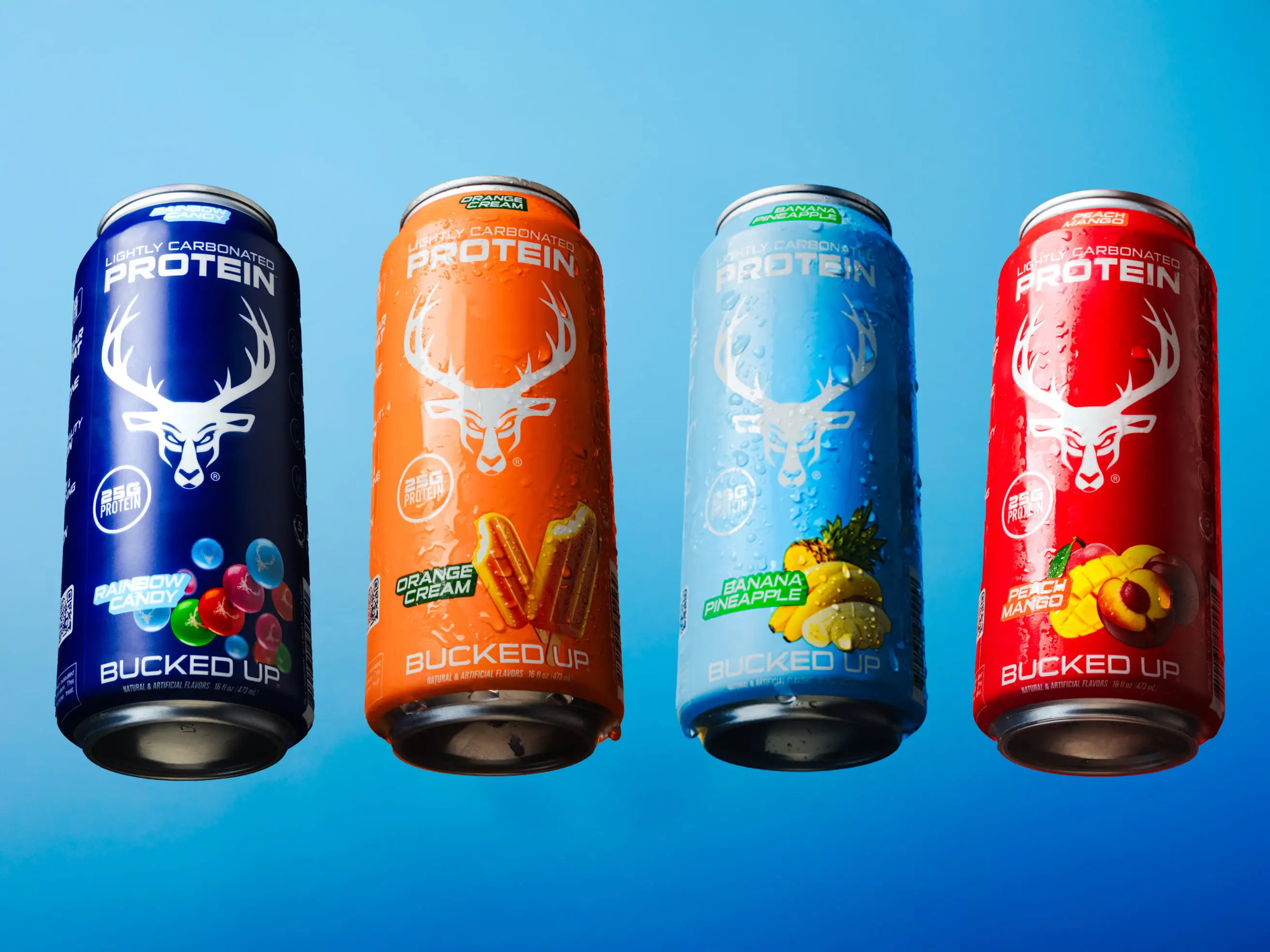
Bucked Up Protein Soda uses a carbonated format that drinks like an energy drink but stays caffeine-free. Its clear whey isolate delivers the complete amino acid profile shown in the table above in a light, refreshing texture that many people find easier to sip than thick shakes.1 The ready-to-drink can removes mixing, cleanup, and clumping, which helps you stay consistent with daily protein goals. Try Bucked Up’s carbonated protein soda if you want a grab-and-go option that fits in a gym bag or work fridge.
2. Isopure Zero Carb Whey Protein Isolate
Isopure provides 25g of whey protein isolate per scoop with zero carbohydrates and very low lactose. The powder format supports flexible serving sizes and easy stacking with other ingredients in smoothies. However, it still requires shaker bottles, water access, and time to mix, which can feel less convenient than ready-to-drink cans.
3. Orgain Organic Plant-Based Protein
Orgain combines pea, brown rice, and chia proteins to deliver 21g of protein per serving. The formula is completely lactose-free and certified organic, which appeals to people who prioritize plant-based and clean-label products. You may need larger scoops or more frequent servings to match the amino acid support of whey-based options.
4. Fairlife Core Power Protein Shakes
Fairlife uses ultra-filtered milk to remove lactose while concentrating protein to about 26g per bottle. The ready-to-drink format offers convenience and a creamy, milkshake-like texture. The higher calorie and sugar content can feel less aligned with strict calorie or carbohydrate targets.
5. Premier Protein Ready-to-Drink Shakes
Premier Protein shakes deliver 30g of protein in a shelf-stable carton with a low-lactose formulation containing about 1 gram of lactose per serving. The higher protein per serving can appeal to strength-focused athletes and heavy lifters. Some people report that the thicker texture and use of artificial sweeteners do not match their taste preferences.
6. Aloha Organic Plant Protein
Aloha blends pea and pumpkin seed proteins with organic ingredients to provide 18g of protein per serving. The short ingredient list and organic certification attract health-conscious shoppers who avoid artificial additives. The lower protein density means you may need larger scoops to hit higher daily protein targets.
7. Dymatize ISO100 Whey Protein Isolate
Dymatize ISO100 is a hydrolyzed whey isolate that supports rapid absorption with 25g of protein per scoop and very low lactose.1 Hydrolyzation can improve digestibility for some users by partially breaking down protein chains.1 This process can also create a slightly bitter taste that manufacturers often balance with flavoring and sweeteners.
8. Naked Pea Protein
Naked Pea Protein offers a single-ingredient pea protein source with 27g of protein per serving and no added flavors or sweeteners. The fully lactose-free profile works well for people with both dairy and soy sensitivities. The natural, earthy taste and gritty mouthfeel can feel challenging if you prefer smoother, dessert-style shakes.
9. Ripple Plant-Based Protein Shakes
Ripple’s pea protein-based ready-to-drink shakes provide 20g of protein with a creamy texture and several flavor options. The shelf-stable bottles support busy schedules and travel days. Plant-based proteins in general may not match the muscle-building efficiency of whey isolates, so some lifters pair them with higher total daily protein intake.
Choosing Lactose-Free Protein by Use Case
The nine options above serve different needs, from heavy lifting to appetite changes on medication. Use the guidance below to match your primary goal with a fitting product style.
For Gym-Goers and Post-Workout Recovery
Bucked Up Protein Soda can fit well after training sessions because the clear whey isolate supports amino acid delivery without a heavy, creamy texture.1 The carbonated format feels light and refreshing when you are hot and tired from a workout. The ready-to-drink can also saves time when you leave the gym or head back to work.
Best for Weight Loss and GLP-1 Users
People using GLP-1 medications often need higher protein intake to protect muscle while losing fat. Current guidance suggests 1.0–1.5 grams of protein per kilogram of ideal body weight per day, which equals roughly 0.45–0.68 grams per pound of ideal body weight. Bucked Up Protein Soda’s 100-calorie can with 25g of protein offers a high protein-to-calorie ratio that can feel manageable even with reduced appetite.1
Taste and Texture Preferences
Taste often determines whether you actually stick with a protein product. Carbonated options like Bucked Up provide an energy drink-like flavor and light mouthfeel that many people find easier to drink daily. Traditional plant proteins can taste more earthy, while many whey-based ready-to-drink shakes focus on creamy, dessert-style flavors.
Common Mistakes to Avoid When Choosing Lactose-Free Protein
Many consumers pick incomplete proteins such as collagen, which lacks the essential amino acids needed for muscle protein synthesis. This choice often comes from focusing only on total grams of protein instead of amino acid completeness. A related mistake involves choosing non-isolate dairy proteins that still contain meaningful lactose, which can trigger the same digestive issues you are trying to avoid.
Beyond ingredient selection, some people reach for high-calorie shakes that quietly add hundreds of extra calories and slow weight loss progress. Even when the nutrition looks solid, poor taste or unpleasant texture can cause inconsistent use and wasted tubs of powder. Checking lactose content, confirming a complete amino acid profile, and reading taste reviews together helps you avoid these common pitfalls.
Ready-to-Drink Protein Advantages in 2026
The ready-to-drink protein market continues to grow, with a projected CAGR of 9.36% from 2025 to 2032. This growth reflects rising demand for convenience that does not sacrifice protein quality or nutrition. Many people now prefer options that skip scoops, shakers, and refrigeration while still supporting training and recovery.
Bucked Up Protein Soda fits this shift by removing preparation time and offering a shelf-stable can that travels easily. Its clear whey isolate and zero-sugar formula provide a straightforward way to increase daily protein intake within a busy schedule.
FAQ
Is whey protein isolate truly lactose-free?
Most whey protein isolates contain under 1g of lactose per serving because of the extensive filtration described earlier. This small amount is usually tolerated well by many lactose-sensitive individuals, although people with severe intolerance should still monitor their own response.
What is the difference between whey isolate and concentrate?
Whey isolate goes through more filtration to reach 90% or higher protein purity with very low lactose, fat, and carbohydrates. Concentrate contains less protein and more lactose, along with additional milk components. Many people find isolate easier to digest and more suitable for lactose sensitivity.
Is Bucked Up Protein Soda suitable for daily use?
Bucked Up Protein Soda is designed for regular use, with 25g of whey protein isolate, zero sugar, and 100 calories per can. The caffeine-free formula works at any time of day and can help you meet consistent protein targets alongside whole-food meals.1
How does Bucked Up compare to other protein drinks?
Bucked Up Protein Soda stands out through its carbonated delivery system, which offers an energy drink-like taste without caffeine or sugar. Its clear whey isolate can support efficient absorption compared to many plant proteins or whey concentrates, and the 100-calorie serving supports common weight management plans.1
Is it keto and paleo-friendly?
Bucked Up Protein Soda contains zero carbohydrates and zero sugar, so it aligns with ketogenic diet guidelines. The whey protein isolate source can also fit into many paleo-style approaches that include high-quality dairy proteins.
Is it safe for GLP-1 users?
The liquid format can make protein intake easier for people who experience reduced appetite on GLP-1 medications. Each can provides 25g of protein with a low calorie load, which supports muscle preservation and weight management goals when combined with an overall balanced diet.1
Traditional protein powders no longer need to cause digestive discomfort for lactose-intolerant individuals. These nine lactose-free alternatives offer complete protein support without relying on high-lactose concentrates. Start with Bucked Up’s zero-sugar carbonated protein soda if you want a convenient option that supports your protein routine while staying gentle on digestion.
1 The content provided in this article is for informational purposes only and is not medical advice. Consult with a medical professional before implementing any changes to your diet, health, or exercise routines.
Individual results will vary and are based on a combination of each individual’s diet, exercise, age, and health circumstances.
These statements have not been evaluated by the Food and Drug Administration. This product is not intended to diagnose, treat, cure or prevent any disease.
This article was written by Ryan Gardner, CEO of Bucked Up. As the maker of Bucked Up Protein Soda, we have a financial interest in this information. The views expressed are our own and should be read with that context in mind.