Last updated: April 22, 2026
Key Takeaways
- Lactose intolerance affects 68% of the world’s population, so lactose-free whey isolate RTDs help many people get protein without discomfort.
- Whey isolate supplies all nine essential amino acids with strong absorption, which supports muscle maintenance more effectively than many plant-only options.1
- Top 10 alternatives include Bucked Up Protein Soda (25g protein, 100 calories, carbonated), Fairlife Core Power, Premier Protein Clear, and others that balance protein density, flavor, and calories.
- GLP-1 users on Ozempic or tirzepatide often need higher daily protein to protect muscle, and low-calorie RTDs can make those targets easier to hit.1
- Choose based on protein-to-calorie ratio, lactose under 1 gram, and preferred format; try the carbonated option that delivers 25g protein in just 100 calories for refreshing, bloat-free protein on the go.
Why Lactose-Free Whey Isolate Often Beats Plant-Based Drinks Like Aloha
Whey protein isolate goes through advanced filtration that removes almost all lactose, typically to less than 1 gram per serving, while keeping a full spectrum of essential amino acids for muscle support.1 In contrast, plant-based proteins such as pea and rice in many Aloha products can lack one or more essential amino acids or provide them in less efficient ratios.
This processing creates a purer protein source that mixes easily and absorbs faster than many plant alternatives, which helps people who need efficient nutrient delivery in smaller portions.1 Because GLP-1 medications reduce appetite and slow digestion, users benefit from fast-absorbing proteins that pack more nutrition into each sip.1 Fella Health recommends 1.0–1.5 grams of protein per kilogram of ideal body weight daily for GLP-1 users to help preserve lean muscle during weight loss.
Given this widespread lactose sensitivity and the fact that 70% of Americans actively seek protein foods, lactose-free whey isolate RTDs fill a gap for people who want both digestive comfort and robust amino acid support that many plant-based alternatives may not fully provide.1
Top 10 Lactose-Free Alternatives to Aloha Protein Drinks in 2026
The following drinks offer lactose-free or very low lactose options that focus on protein density, calories, and taste. After these brief reviews, a comparison table highlights key stats side by side so you can scan protein type, calories, and lactose status quickly.
1. Bucked Up Protein Soda
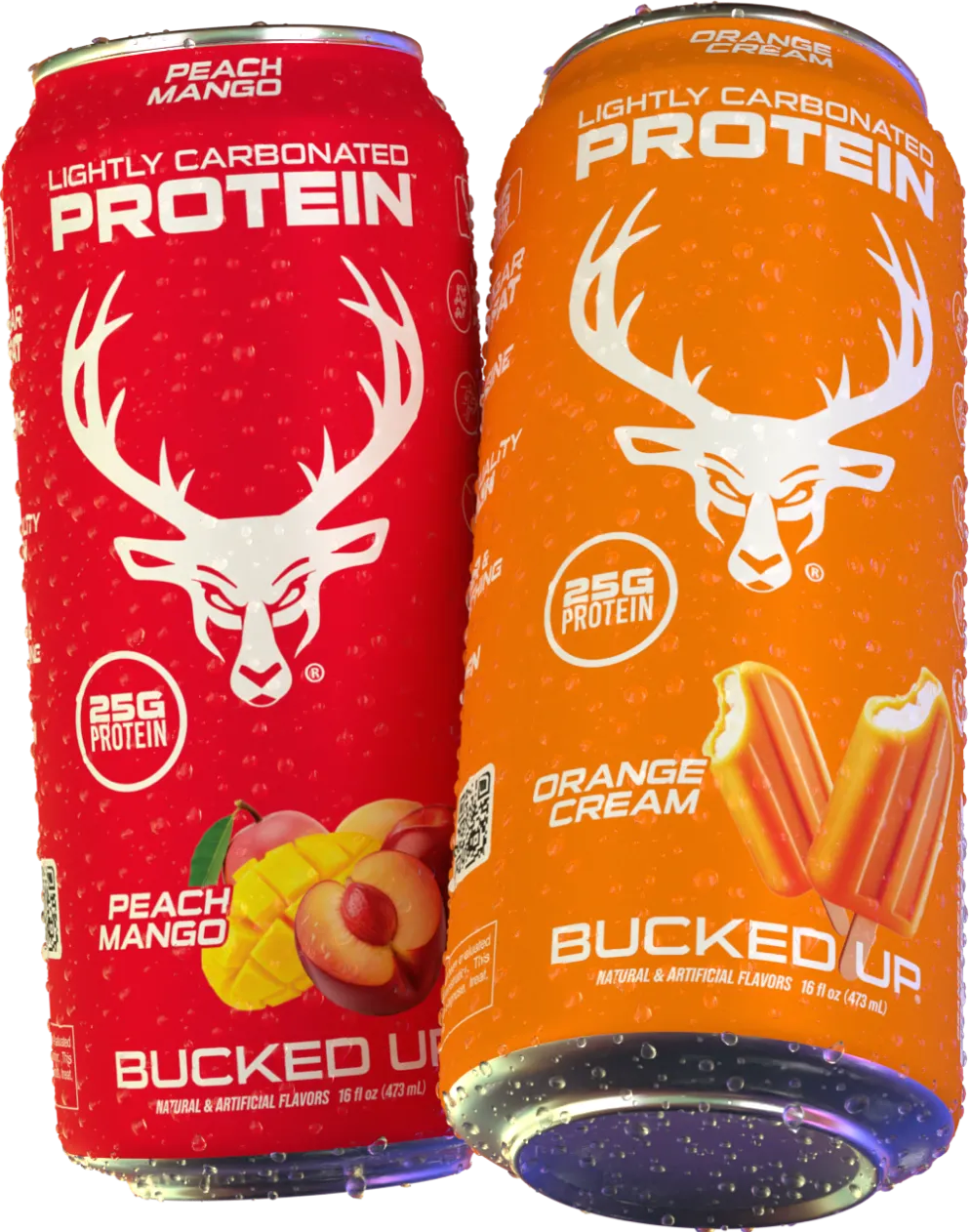
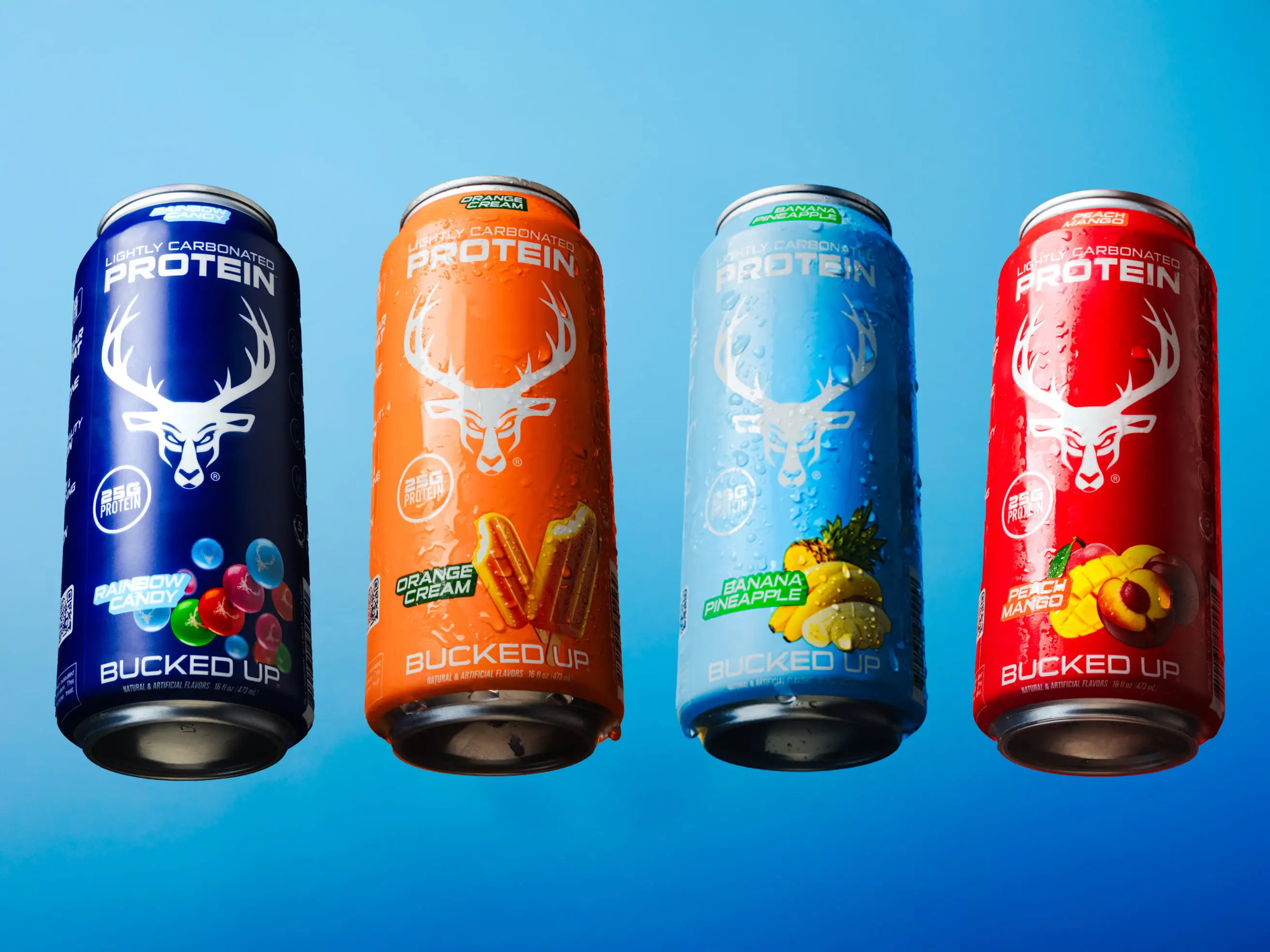
Bucked Up Protein Soda comes in a lightly carbonated format that delivers 25 grams of whey protein isolate in 100 calories. The caffeine-free formula contains zero sugar and zero carbohydrates, which supports use at any time of day without affecting sleep or blood sugar.1 This clean profile appears in an energy drink-style beverage that avoids the chalky texture common in many traditional shakes.
Pros: Minimal digestive discomfort for most users, refreshing carbonation, practical for GLP-1 users and post-workout recovery, robust amino acid support.1 Cons: Fewer flavors than many long-standing RTD shake lines.
Experience the carbonated difference with a lactose-free drink designed for easy digestion and convenient protein intake.1
2. Fairlife Core Power
Fairlife Core Power uses ultra-filtered milk to lower lactose content to about 0.5 grams per serving while providing 26 grams of protein in 140 calories. The cold-filtration process concentrates protein and removes most lactose, which can work well for many lactose-sensitive people.
Pros: High protein content, wide retail availability, smooth and creamy texture. Cons: Contains trace lactose, and the calorie count runs higher than pure isolates. The ultra-filtration process creates a rich mouthfeel that suits people who prefer classic shake-style drinks.
3. Premier Protein Clear
Premier Protein Clear offers select lactose-free varieties that use whey protein isolate blends and provide 20 grams of protein in 90 calories. The clear drink gives a lighter option compared with thicker, creamy shakes.
Pros: Low calorie count, light and clear consistency, lactose-free options in the line. Cons: Lower protein per serving than some competitors and limited flavors in the lactose-free range. The transparent look appeals to people who want a juice-like or sports-drink style beverage.
4. Iconic Protein Drink
Iconic uses grass-fed whey protein isolate to deliver 20 grams of protein in 120 calories. The brand focuses on clean sourcing and minimal processing while keeping lactose-free formulations.
Pros: Grass-fed sourcing, short ingredient list, lactose-free processing. Cons: Higher price point and moderate protein per serving. The grass-fed positioning attracts shoppers who prioritize sourcing and farming practices.
5. Muscle Milk Genuine
Some Muscle Milk Genuine varieties come in lactose-free formulations that provide 25 grams of protein in 160 calories. The brand uses multiple protein sources, including whey isolate, in certain product lines.
Pros: High protein content, strong brand recognition, many flavor and format options. Cons: Higher calorie density and not every variety is lactose-free. Shoppers need to check labels carefully to confirm lactose-free status.
6. Orgain Organic Plant-Based
Orgain Organic Plant-Based serves as a plant-based fallback, offering 20 grams of pea and rice protein in 150 calories. These drinks are naturally lactose-free, although plant proteins often differ from whey in amino acid balance.
Pros: Organic certification, dairy-free by design, suitable for vegans. Cons: Less robust amino acid balance than whey, possible grittiness, and a higher calorie-to-protein ratio. This option works well for people who avoid all dairy, not just lactose.
7. OWYN Plant-Based
OWYN (Only What You Need) provides 20 grams of plant protein in 180 calories using pea, pumpkin seed, and flax sources. The formula avoids several common allergens at once.
Pros: Free from many major allergens, straightforward ingredient list, plant-based formulation. Cons: Higher calories per serving, typical plant protein tradeoffs, and premium pricing. The broad allergen-free positioning fits people managing multiple dietary restrictions.
8. Naked Nutrition RTD
Naked Nutrition RTD uses whey protein isolate to supply 25 grams of protein in 150 calories. The brand highlights minimal ingredients and clear labeling.
Pros: Short ingredient list, solid protein content, whey isolate base. Cons: Limited flavors and more calories than some other isolate drinks. The simple formula appeals to people who want to recognize every ingredient.
9. Dymatize ISO100 Clear
Dymatize ISO100 Clear relies on hydrolyzed whey protein isolate for quicker digestion and delivers 25 grams of protein in 110 calories.1 Hydrolyzation partially breaks protein chains before bottling.
Pros: Designed for rapid absorption, high protein density, clear and light format.1 Cons: Premium price, narrower availability, and a possible slight bitterness from hydrolyzation. This option suits athletes who focus on fast recovery.
10. Evolve Plant-Based
Evolve offers 20 grams of pea protein in 150 calories as a straightforward plant-based drink. The formula keeps the ingredient list relatively short.
Pros: Simple ingredients, naturally lactose-free, moderate price. Cons: Typical plant texture issues, moderate protein content, and less complete amino acid support than whey. It works as an entry-level plant-based choice for budget-conscious shoppers.
Comparison Table: Bucked Up vs. Aloha and Top Alternatives
This table summarizes protein type, calories, and lactose status so you can compare Bucked Up, Aloha, and several leading alternatives at a glance.
| Brand | Protein (g/type) | Calories | Lactose-Free? | Carbs/Sugar (g) |
|---|---|---|---|---|
| Bucked Up Protein Soda | 25g whey isolate | 100 | Yes | 0/0 |
| Aloha Protein Shake | 18g pea/rice | 180 | Yes (plant) | 5/4 |
| Fairlife Core Power | 26g milk isolate | 140 | Low ~0.5g | 5/4 |
| Premier Protein Clear | 20g whey isolate | 90 | Select varieties | 4/1 |
While all these options can help lactose-intolerant consumers, one group faces especially tight protein and calorie constraints: people using GLP-1 medications.
Best Lactose-Free Protein Drinks for GLP-1 Users on Ozempic or Tirzepatide
Individuals using GLP-1 receptor agonists often experience reduced appetite and gastrointestinal side effects, which can make eating enough protein challenging. Research indicates that 20–40% of weight lost with GLP-1 medications may come from lean mass, including skeletal muscle, so protecting muscle becomes a priority.
Low-calorie, easy-to-digest RTDs such as Bucked Up Protein Soda help support lean tissue while still fitting within lower daily calorie targets.1 The carbonated format feels lighter than many creamy shakes, which can make it easier for GLP-1 users with low appetite to finish a serving and move toward the protein targets discussed earlier.
The protein density highlighted in the comparison table becomes especially useful for GLP-1 users who must manage strict calorie budgets while trying to maintain muscle during weight loss.1
How to Choose the Right Lactose-Free Protein Shake
Start by prioritizing whey protein isolate formulations that contain more than 90% protein content, since these typically support strong absorption and a broad amino acid range.1 Once you confirm the protein type, check that lactose content stays below 1 gram per serving to support comfort for sensitive stomachs.
Next, look at caloric efficiency by comparing grams of protein per 100 calories, because higher ratios usually mean more nutrition for fewer calories. Test each drink well chilled, since temperature can significantly change how sweet, thick, or refreshing a protein beverage feels.
Then match the format to your routine. Carbonated options like Bucked Up provide a soda-like experience, while clear formulations feel closer to flavored water or sports drinks. Ready-to-drink packaging removes mixing steps and helps you stay consistent on busy days.
Finally, sample two or three different products to find your preferred flavor, mouthfeel, and digestive response. Make Bucked Up’s carbonated format your first test, since its 25 grams of protein in 100 calories sets a useful benchmark for comparing other drinks.
Frequently Asked Questions
What is a good protein shake for lactose-intolerant people?
Bucked Up Protein Soda can stand out for lactose-intolerant individuals by providing 25 grams of whey protein isolate in a refreshing carbonated drink. Its filtration process removes nearly all lactose while keeping a broad amino acid spectrum that supports muscle maintenance.1 Many plant-based alternatives avoid dairy but may not match this combination of digestibility and amino acid support.1
What is the healthiest non-dairy protein shake?
Plant-based options are naturally dairy-free, yet lactose-free whey protein isolate often delivers more complete amino acid support than single-source plant proteins. Whey isolate supplies all nine essential amino acids in efficient ratios for the body, while some plant blends need careful formulation to reach similar coverage. The processing removes lactose but preserves the high biological value that makes whey effective for muscle recovery.1
Is Bucked Up Protein Soda actually lactose-free?
Yes. Bucked Up Protein Soda uses whey protein isolate that goes through advanced processing to reduce lactose to less than 1 gram per serving. This filtration keeps the underlying amino acid structure of whey while removing the lactose that commonly causes digestive issues, which makes the drink suitable for many people with lactose intolerance or sensitivity.
What are some good-tasting dairy-free protein shakes?
Bucked Up Protein Soda offers an energy drink-style flavor profile that avoids the thick, chalky texture many people associate with protein shakes. The light carbonation adds a crisp finish, and the zero sugar, zero carb formula keeps sweetness in check while still supporting nutrition goals.
Is it safe to drink protein shakes daily, especially for GLP-1 users?
Daily use of high-quality protein beverages such as Bucked Up Protein Soda can be appropriate for many people, including GLP-1 users who need steady protein intake to help protect muscle.1 Each can contributes a meaningful protein serving without a large calorie load or heavy texture. As noted earlier, GLP-1 users often benefit from higher protein targets, so convenient RTDs can make those goals more realistic.
How much protein should someone on tirzepatide consume?
Individuals using tirzepatide or other GLP-1 medications generally do well aiming for 1.0–1.6 grams of protein per kilogram of ideal body weight daily to help preserve muscle during weight loss.1 For a 154-pound person, that range equals roughly 70–112 grams of protein per day. Spreading this across meals and snacks, with about 20–30 grams at a time, supports muscle protein synthesis and reduces the risk of losing too much lean mass.
Conclusion
Lactose-free whey protein isolate RTDs give people an alternative to plant-based drinks like Aloha by pairing broad amino acid support with easier digestion.1 Bucked Up Protein Soda can stand out in this space with its carbonated format and high protein content in a relatively low-calorie serving.
For lactose-intolerant individuals, active gym-goers, and GLP-1 users who want convenient protein support, these drinks offer practical ways to meet daily goals while still enjoying flavor and texture. Exploring a few options helps you find the balance of taste, calories, and digestion that fits your routine.
Try Bucked Up Protein Soda today and see how a carbonated, lactose-free drink can fit into your daily protein plan without the bloat.
1 The content provided in this article is for informational purposes only and is not medical advice. Consult with a medical professional before implementing any changes to your diet, health, or exercise routines.
Individual results will vary and are based on a combination of each individual’s diet, exercise, age, and health circumstances.
These statements have not been evaluated by the Food and Drug Administration. This product is not intended to diagnose, treat, cure or prevent any disease.
This article was written by Ryan Gardner, CEO of Bucked Up. As the maker of Bucked Up Protein Soda, we have a financial interest in this information. The views expressed are our own and should be read with that context in mind.