Last updated: April 22, 2026
Key Takeaways
- Heavy protein shakes often cause bloating, while lighter whey isolate drinks can support faster absorption and easier digestion after workouts.1
- Top options in this guide include clear protein drinks, whey isolate with water, and carbonated protein sodas, ranked by protein content, calories, and convenience.
- Whey protein isolate can deliver amino acids more quickly than concentrate, which supports the 30-minute recovery window and helps GLP-1 users preserve muscle.1
- Ready-to-drink formats remove prep time, and zero-sugar, low-carb choices can support weight management and keto-focused lifestyles.1
- Try the top-ranked Bucked Up Protein Soda for 25g whey isolate in a refreshing, zero-carb carbonated format.
Why Lighter Post-Workout Drinks Can Feel Better Than Heavy Shakes
Lighter protein drinks can match post-workout needs while avoiding the heaviness of traditional shakes. Hydrolyzed whey protein powder delivers amino acids up to 30% faster than standard whey protein, so rapid delivery can support muscle protein synthesis during the recovery window.1 Heavy shakes often use whey concentrate, which contains more lactose and fat that slow digestion and may cause gas, bloating, or discomfort for some people.1 This slower digestion can work against the 30-minute post-workout window, when faster absorption supports recovery.1 The timing issue matters even more for GLP-1 users who need 1.2-2 grams of protein per kilogram of body weight to help prevent lean mass loss during weight management.1 Texture, prep time, and digestive comfort all play a role when choosing between thick shakes and lighter alternatives.
With these factors in mind, the next section ranks ten specific light post-workout drinks from least to most effective for recovery.
Top 10 Light Post-Workout Protein Drink Alternatives Ranked
10. Collagen Peptides in Fruit Juice
Mixing collagen peptides into fruit juice creates a light, easy-to-drink option with natural sweetness. Collagen supports joints and skin but does not provide the complete amino acid profile needed for maximal muscle protein synthesis.1 This choice suits people who want joint support with some protein, although the sugar and carbs from juice may not fit low-carb or keto goals. Here is how a typical serving compares nutritionally:
| Product | Protein (g) | Calories | Carbs (g) |
|---|---|---|---|
| Collagen + Orange Juice (8oz) | 20-25 | 140-150 | 25-30 |
9. Bone Broth
High-quality bone broth offers easily absorbed protein in a warm, savory format. The collagen and amino acids can support recovery, although protein content varies widely by brand.1 Bone broth works well for those who prefer a comforting drink, yet it usually needs heating and may not deliver enough protein per serving for serious training. The table below shows a typical nutrition profile:
| Product | Protein (g) | Calories | Carbs (g) |
|---|---|---|---|
| Bone Broth (8oz) | 10-15 | 50-80 | 0-1 |
8. Low-Fat Chocolate Milk
Low-fat chocolate milk combines whey and casein proteins with carbohydrates that help replenish glycogen.1 Research supports its use for endurance recovery, especially after long or intense sessions.1 The higher calorie and sugar content, however, can conflict with weight-loss or low-carb plans. The following numbers highlight that tradeoff:
| Product | Protein (g) | Calories | Carbs (g) |
|---|---|---|---|
| Low-Fat Chocolate Milk (8oz) | 8 | 143 | 24 |
7. Greek Yogurt Smoothie
Blending Greek yogurt with water or unsweetened almond milk creates a lighter smoothie that still delivers protein and probiotics. This option supports digestive health1 but keeps a somewhat thick texture that can feel heavy right after training. It also requires a blender and cleanup, which reduces convenience for immediate post-workout use. The table below outlines a typical range:
| Product | Protein (g) | Calories | Carbs (g) |
|---|---|---|---|
| Greek Yogurt Smoothie (8oz) | 15-25 | 130-200 | 8-15 |
6. Kefir
Kefir provides complete dairy proteins and probiotics in a naturally thin, drinkable consistency. Many people find it easier to digest than regular milk1, although the tangy flavor and remaining lactose can be a drawback for some. The ready-to-drink format makes it simple to keep in the fridge and use right after a workout. Here is a common nutrition breakdown:
| Product | Protein (g) | Calories | Carbs (g) |
|---|---|---|---|
| Plain lowfat Kefir (8oz) | 10 | 110 | 9 |
5. Core Power Protein Shake
Core Power offers a thinner shake than many traditional protein drinks while still delivering complete whey protein. The ready-to-drink bottle supports convenience for gym bags and office fridges. Some users may still find the milky texture and added ingredients a bit heavy, especially when they prefer a lighter, more refreshing feel. The table shows how a standard bottle compares:
| Product | Protein (g) | Calories | Carbs (g) |
|---|---|---|---|
| Core Power (14oz) | 26 | 170 | 8 |
4. Fairlife Core Power Elite
Fairlife Core Power Elite uses ultrafiltration to remove lactose and concentrate protein, which can improve digestibility.1 This lactose-free drink still feels like a milk-based shake, so it may not satisfy people who want a crisp, soda-like experience. The sweetness level can also feel high for those who prefer lighter flavors. The numbers below highlight its high protein density:
| Product | Protein (g) | Calories | Carbs (g) |
|---|---|---|---|
| Fairlife Core Power Elite (14oz) | 42 | 230 | 9 |
3. Premier Protein Clear
Premier Protein Clear removes the milky texture and offers a transparent, juice-like drink made with whey protein isolate. Many people enjoy the refreshing feel, although some report an artificial aftertaste. The grab-and-go bottle supports convenience, yet the flavor profile may not appeal to those who prefer more natural-tasting options. The table summarizes a typical bottle:
| Product | Protein (g) | Calories | Carbs (g) |
|---|---|---|---|
| Premier Protein Clear (16.9oz) | 20 | 90 | 1 |
2. Whey Protein Isolate Mixed with Water
Mixing whey protein isolate powder with water creates a light drink that focuses on protein without extra calories from fats or carbs. This approach gives full control over flavor, sweetness, and serving size, while supporting rapid amino acid delivery as discussed earlier.1 The tradeoffs include shaking, possible clumps, and carrying powder and a shaker when you are on the move. The table below shows a common serving range:
| Product | Protein (g) | Calories | Carbs (g) |
|---|---|---|---|
| Whey Isolate + Water (8oz) | 25 | 100-110 | 0-2 |
1. Bucked Up Protein Soda
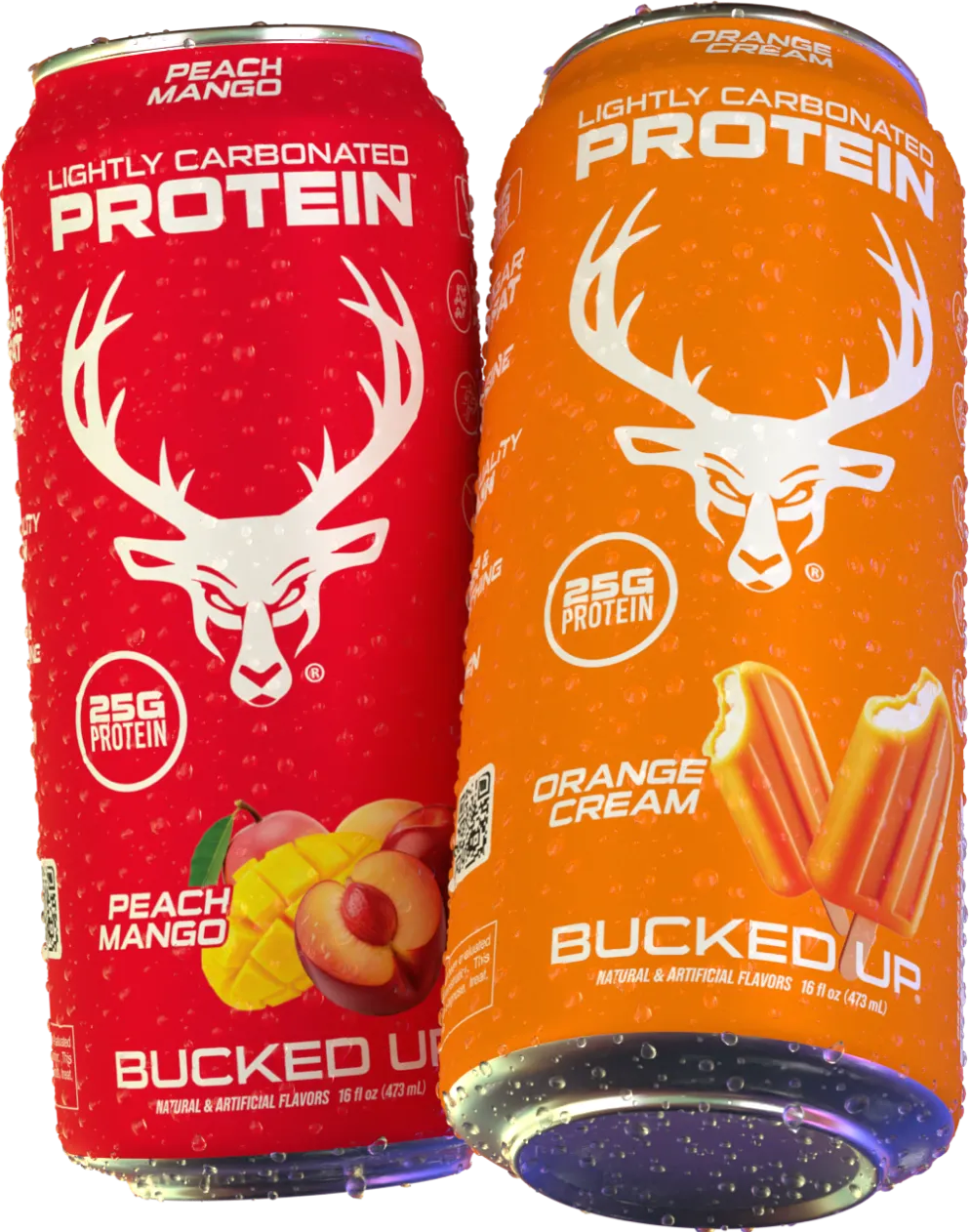
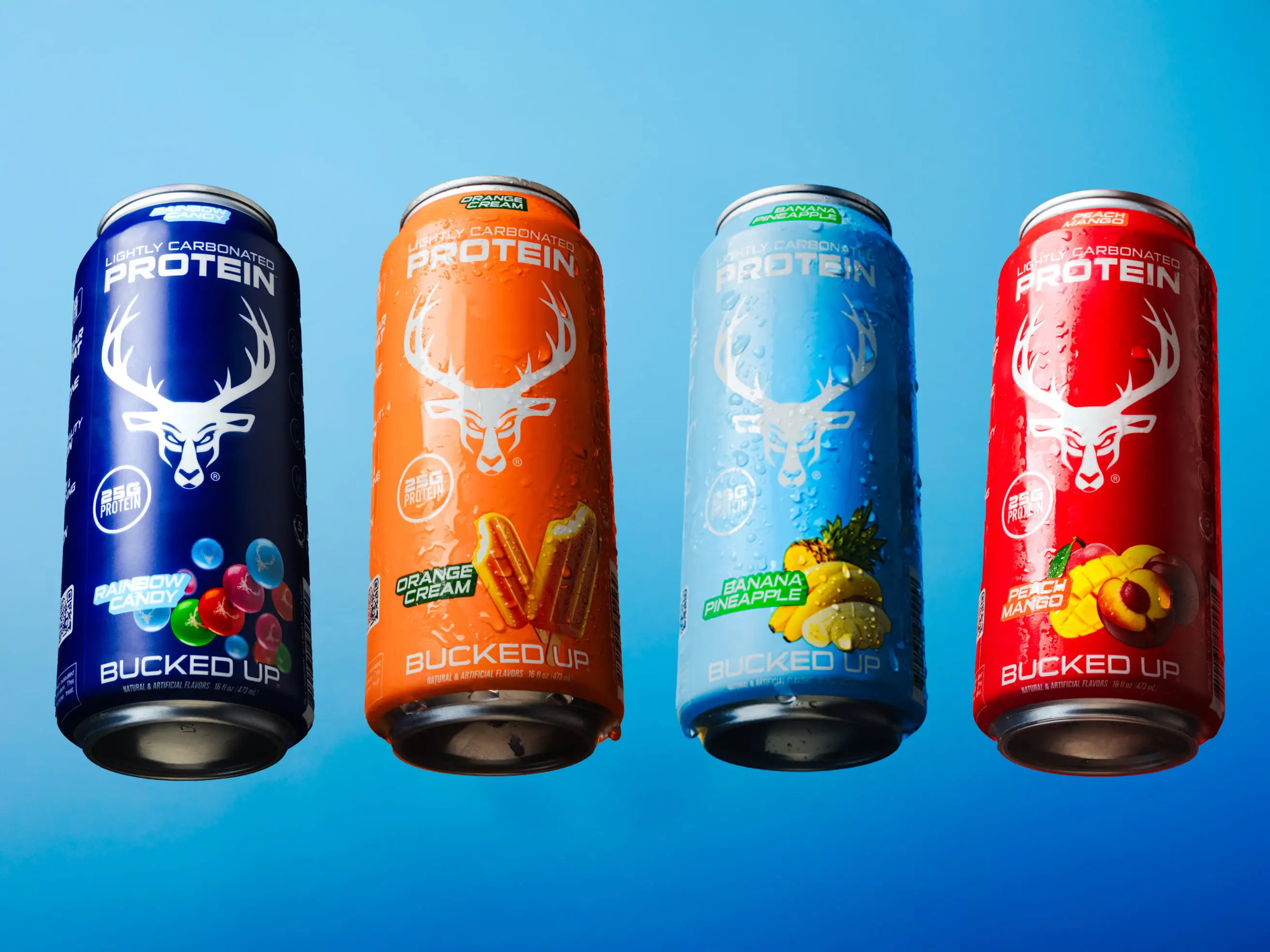
Bucked Up Protein Soda uses a carbonated format to deliver 25g of whey protein isolate in a drink that feels similar to an energy drink, without caffeine. The light carbonation supports a crisp, refreshing experience instead of a thick, milky shake. At 100 calories with zero sugar and zero carbs, it can align with weight management and low-carb goals while still providing complete amino acids for recovery.1 The ready-to-drink can removes prep work and fits easily into gym bags, work fridges, or coolers. See the full nutrition facts to confirm how it fits your daily macros.
| Product | Protein (g) | Calories | Carbs (g) |
|---|---|---|---|
| Bucked Up Protein Soda (12oz) | 25 | 100 | 0 |
Matching These Drinks to Your Goals
The ranking above outlines how each drink performs on protein content, calories, and convenience. This section connects those options to specific goals so you can choose the product that fits your training, schedule, and nutrition plan.
Gym-Goers and Athletes
People who focus on performance and recovery often prioritize rapid absorption within the 30-minute post-workout window. Whey protein isolate-based options from the top of the list, such as #2 and #1, support quick amino acid availability.1 High-protein drinks in this group are commonly used by serious lifters and athletes who want efficient recovery.1 Bucked Up Protein Soda can stand out here by combining isolate purity with carbonation for a lighter feel.
Weight Loss and GLP-1 Users
Individuals managing weight or using GLP-1 medications often look for protein sources that support muscle while keeping calories and carbs low.1 Research from the 2026 European Congress on Obesity found GLP-1 users consuming critically low protein at 0.6 g/kg/day, which falls well below levels that support muscle preservation. Options near the top of the ranking that offer higher protein with fewer calories, such as Bucked Up Protein Soda, can help close that gap without adding many extra calories.1
Busy Professionals
Busy professionals often need protein they can drink at their desk, in the car, or between meetings. Ready-to-drink choices like Premier Protein Clear, Fairlife Core Power Elite, and Bucked Up Protein Soda remove mixing and cleanup, which supports consistency. Bucked Up’s shelf-stable cans and soda-like taste can fit easily into office life without the mess or smell of shaker bottles.
Quick Evaluation Guide and Common Myths
A few simple criteria can make it easier to compare post-workout protein drinks. Focus on whey protein isolate content, total calories under about 150 per serving, and convenience factors such as ready-to-drink packaging. Carbonation can also matter if you prefer a crisp, refreshing feel instead of a creamy shake.
Many people still assume thick, traditional shakes work better simply because they feel more substantial. However, the faster absorption of hydrolyzed and isolate forms, described earlier, shows that lighter formats can perform well for recovery. Another common belief suggests carbonation interferes with protein absorption, yet no scientific evidence currently supports that claim. Pay attention to total protein quality, absorption speed, and how your stomach feels, rather than relying on old assumptions about what a protein drink should look like. See how carbonation changes protein supplementation if you want a different format.
Frequently Asked Questions
What’s better than protein shakes post-workout?
Light protein drinks that deliver rapid amino acids without causing bloating can work very well after training.1 Whey protein isolate-based options, especially those that feel more like water or soda, often sit more comfortably than thick shakes. Aim for 20–25g of complete protein in a format you enjoy enough to drink consistently after every workout.
Is Bucked Up Protein Soda keto-friendly?
Yes, Bucked Up Protein Soda fits keto-focused plans with its zero-carb, zero-sugar profile described in the ranking above. Each can provides 25g of pure whey protein isolate, and the 100 calories come entirely from protein. This structure can suit ketogenic, low-carb, or paleo approaches while helping you maintain daily protein targets.
Is it safe to drink protein soda daily?
Bucked Up Protein Soda can be part of a daily routine when used within an overall balanced nutrition plan. The whey protein isolate supplies essential amino acids that support muscle maintenance and recovery, and the caffeine-free formula allows use at any time of day.1 People with medical conditions or those taking medications should speak with a healthcare professional before making significant changes to their protein intake.
How does whey protein isolate differ from regular whey protein?
Whey protein isolate goes through extra filtration to remove most lactose, fat, and carbohydrates, which raises the protein percentage to around 90% or higher. This process usually makes it faster-absorbing and easier on digestion than whey concentrate. The lower lactose content can also help people who experience discomfort or bloating with standard whey shakes.1
Does Bucked Up Protein Soda taste like traditional protein shakes?
Bucked Up Protein Soda tastes very different from a typical protein shake. The flavor profile feels closer to a lightly sweetened energy drink, but without caffeine, sugar, or creamy heaviness. The carbonated format removes the milky mouthfeel and chalky residue that many people dislike, which can make it easier to look forward to your post-workout protein.
Conclusion
Lighter protein drinks give you more ways to support recovery without dealing with thick, heavy shakes. Bucked Up Protein Soda combines the muscle-supporting benefits of whey protein isolate with the crisp experience of a carbonated beverage.1 With the nutritional profile outlined above, including no sugar or carbs and 25g of protein in just 100 calories, it addresses many common complaints about traditional shakes. Make the switch from heavy shakes if you want a lighter post-workout option.
1 The content provided in this article is for informational purposes only and is not medical advice. Consult with a medical professional before implementing any changes to your diet, health, or exercise routines.
Individual results will vary and are based on a combination of each individual’s diet, exercise, age, and health circumstances.
These statements have not been evaluated by the Food and Drug Administration. This product is not intended to diagnose, treat, cure or prevent any disease.
This article was written by Ryan Gardner, CEO of Bucked Up. As the maker of Bucked Up Protein Soda, we have a financial interest in this information. The views expressed are our own and should be read with that context in mind.