Last updated: April 22, 2026
Key Takeaways for Seniors Choosing Protein Alternatives
- Muscle mass typically declines about 1% per year after age 60, so many adults need more daily protein to preserve strength.
- Traditional thick shakes can cause bloating and discomfort, while lighter options like whey isolate drinks or soft foods deliver 20–30g protein per meal.
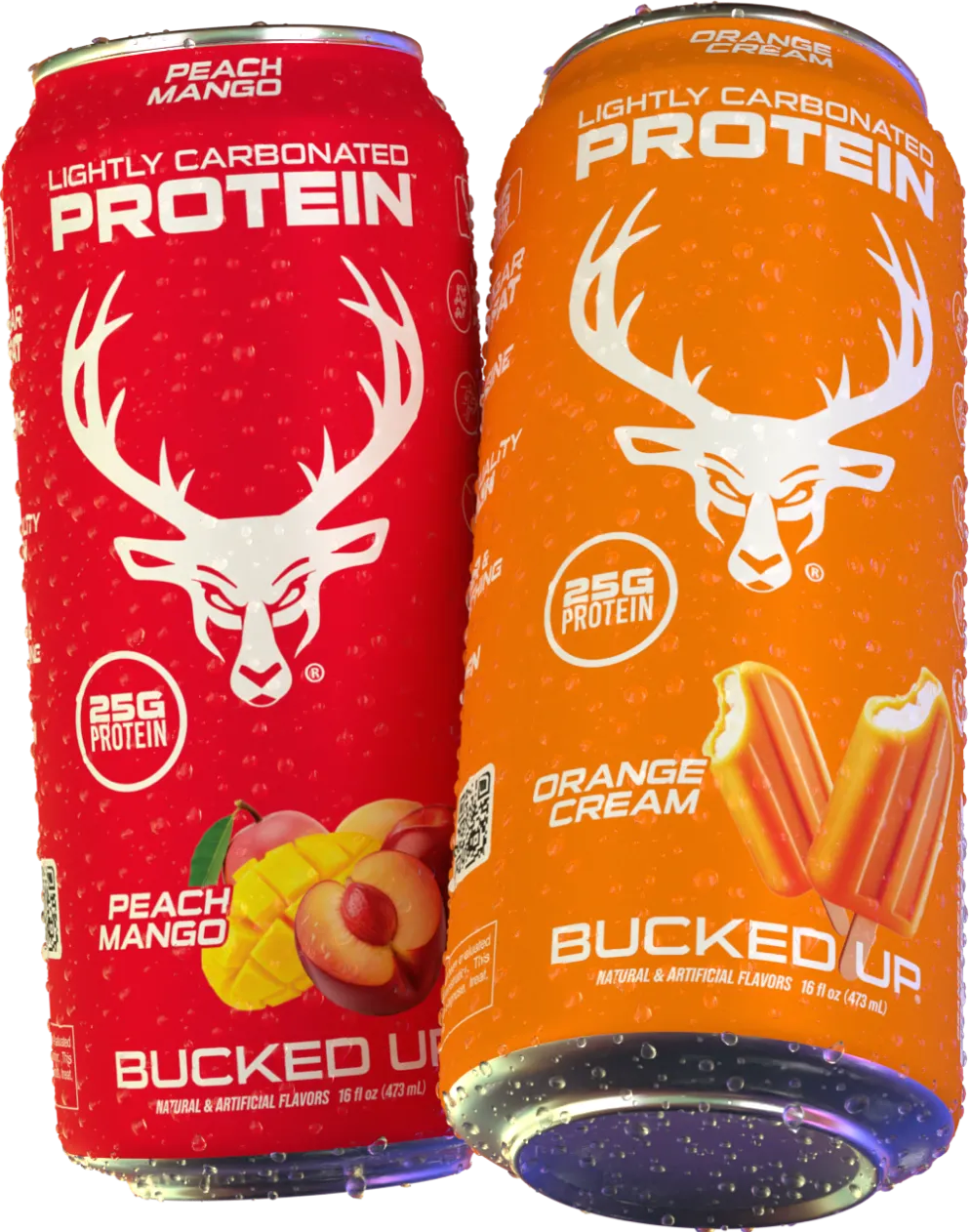
- Helpful choices include Bucked Up Protein Soda (25g protein, 100 calories, zero sugar), Greek yogurt, cottage cheese, eggs, and lentil-based dishes.
- Zero-sugar, caffeine-free options often work better with common medications and can support blood glucose control in seniors.1
- Bucked Up Protein Soda offers a light, carbonated 25g protein option that can fit many senior nutrition routines.
Why Seniors in Their 60s Benefit from High-Protein Shake Alternatives
Sarcopenia affects millions of older adults, with muscle strength decreasing approximately 3% per year after age 60. Many traditional protein shakes contain whey concentrate, which digests more slowly and can cause bloating in seniors with sensitive digestion. Protein sources that feature whey isolate, stay under 150 calories per serving, and contain zero added sugars can better support blood glucose management and comfort.1 Spreading protein across meals with 20–30 grams at each meal supports muscle repair while fitting reduced appetite and medication schedules.1
Top 10 High-Protein Shake Alternatives for Seniors in Their 60s
1. Bucked Up Protein Soda for Light, High-Protein Hydration
This carbonated beverage provides 25g of whey protein isolate in a refreshing, light format. The effervescent texture may make swallowing easier, and the caffeine-free formula allows flexible timing around sleep and medications.1 The table below highlights how its nutrition profile compares to many traditional shakes.
| Protein | Calories | Sugar | Key Benefit |
|---|---|---|---|
| 25g | 100 | 0g | Carbonated, whey isolate |
Pros: Zero sugar, whey isolate, light taste, flexible timing with medications
Cons: Higher cost per serving than many whole-food options
This option can work well for seniors managing weight or using GLP-1 medications who find solid foods challenging.1 Find Bucked Up Protein Soda on Amazon.

2. Greek Yogurt Parfait for Protein and Probiotics
Plain, full-fat Greek yogurt provides 15–20 grams of protein per cup and includes probiotic bacteria that support digestive health. Layer with berries and nuts to add fiber, antioxidants, and healthy fats without relying on added sugars. The table below summarizes a typical serving.
| Protein | Calories | Sugar | Key Benefit |
|---|---|---|---|
| 20g | 150 | 6g (natural) | Probiotics, calcium |
Pros: Probiotics for digestion, calcium for bones, flexible sweet or savory options
Cons: Natural milk sugars may affect blood glucose for some seniors
3. Cottage Cheese Bowl for Soft, High-Protein Dairy
Cottage cheese provides about 25 grams of protein per cup. Low-fat varieties reduce calories while keeping protein density high, and the soft texture can suit many chewing abilities. The table below outlines a typical serving.
| Protein | Calories | Sugar | Key Benefit |
|---|---|---|---|
| 25g | 180 | 8g | Dairy protein source |
Pros: High protein, calcium, easy to flavor sweet or savory
Cons: Texture may not appeal to every senior
4. Kefir Smoothie for Fermented, Gut-Friendly Protein
This fermented milk drink offers roughly 20g protein per cup and naturally contains probiotics. Blending kefir with frozen fruits creates a shake-like consistency without artificial thickeners. The table below shows a typical nutritional profile.
| Protein | Calories | Sugar | Key Benefit |
|---|---|---|---|
| 20g | 160 | 12g | Fermented, gut-friendly |
Pros: Probiotic support, smooth texture, familiar smoothie format
Cons: Higher natural sugar content than some other options
5. Lentil Soup for Warm, Plant-Based Protein
Cooked lentils provide about 18 grams of protein per cup and include fiber that supports digestion. Red lentils cook quickly and blend into smooth soups that suit seniors with chewing or swallowing difficulties. The table below highlights a typical serving.
| Protein | Calories | Sugar | Key Benefit |
|---|---|---|---|
| 18g | 230 | 4g | Plant-based, high fiber |
Pros: Plant-based protein, fiber for regularity, budget-friendly pantry staple
Cons: Requires cooking time and may cause gas for some individuals
6. Eggs & Veggie Scramble for Complete Protein Meals
Four large eggs provide about 25g complete protein with all essential amino acids. Scrambling eggs with vegetables adds vitamins and fiber while keeping the meal soft and easy to chew. The table below summarizes a typical serving.
| Protein | Calories | Sugar | Key Benefit |
|---|---|---|---|
| 25g | 280 | 2g | Complete amino profile |
Pros: Complete protein, many flavor options, relatively affordable
Cons: Cholesterol content may require monitoring for some seniors
7. Tuna Salad with Healthy Fats
One can of tuna in water delivers about 25g lean protein and provides omega-3 fatty acids that support heart and brain health. Mixing tuna with avocado instead of mayonnaise adds unsaturated fats and a creamy texture. The table below outlines a typical serving.
| Protein | Calories | Sugar | Key Benefit |
|---|---|---|---|
| 25g | 120 | 0g | Omega-3 fatty acids |
Pros: Lean protein, omega-3s, shelf-stable convenience
Cons: Mercury exposure can become a concern with very frequent intake
8. Edamame Pods for Simple Plant Protein Snacks
Edamame offers about 17 grams of protein per cup as a complete plant-based source. It also contains phytoestrogens that may support bone health in postmenopausal women. The table below shows a typical serving.
| Protein | Calories | Sugar | Key Benefit |
|---|---|---|---|
| 17g | 190 | 3g | Complete plant protein |
Pros: Plant-based complete protein, potential bone support, easy snack
Cons: Lower protein per cup than many animal-based options
9. Premier Protein Shake as a Conventional Ready-to-Drink Option
This ready-to-drink shake provides 30g protein and includes whey protein concentrate. Its thicker consistency can feel heavy for seniors with reduced appetite or digestive sensitivity. Always verify ingredients on the product label. The table below summarizes a typical serving.
| Protein | Calories | Sugar | Key Benefit |
|---|---|---|---|
| 30g | 160 | 1g | Convenient, shelf-stable |
Pros: High protein content, widely available, long shelf life
Cons: Thick texture, use of whey concentrate, presence of artificial ingredients
10. Bucked Up + Greek Yogurt Combo for Extra Protein Density
Combining half a can of Bucked Up Protein Soda with ½ cup Greek yogurt creates a refreshing, creamy treat. This hybrid approach increases total protein while keeping the texture lighter than many traditional shakes. The table below gives a general overview.
| Protein | Calories | Sugar | Key Benefit |
|---|---|---|---|
| High | Moderate | Low | High protein density |
Pros: High total protein, combines probiotics with whey isolate
Cons: Higher cost than single-source options, requires simple preparation
Choosing a Protein Shake Alternative for Seniors Over 60
With ten solid options available, the right protein alternative depends on taste preferences, digestion, and medication needs. For seniors who value digestibility and convenience, Bucked Up Protein Soda can stand out because of its carbonated format and whey isolate profile described earlier. The light, effervescent texture may feel more refreshing than thick shakes. Its zero-sugar, caffeine-free formulation can also fit many medication schedules and blood glucose goals. See flavors and nutrition details for Bucked Up Protein Soda.
Simple Recipes for Easy High-Protein Snacks
These quick ideas help seniors turn the options above into everyday snacks and treats.
Protein Soda Float: Pour Bucked Up Protein Soda over 2 scoops sugar-free vanilla ice cream for a nostalgic float that still delivers a meaningful protein boost.
Mediterranean Yogurt Bowl: Mix 1 cup Greek yogurt with diced cucumber, herbs, and a drizzle of olive oil for about 20g protein plus probiotics and healthy fats.
Quick Lentil Dip: Blend cooked red lentils with garlic and lemon juice, then serve with vegetables for roughly 15g protein per ½ cup serving.
Tips for Using Protein Alternatives Safely with Medications
Seniors on GLP-1 medications like Ozempic face appetite reduction while still needing adequate protein to protect muscle during weight loss. This situation makes easily digestible protein sources especially helpful. Whey protein isolate can offer faster absorption and reduced lactose content compared with concentrate, which may ease digestive discomfort when appetite is already low.1 Timing also matters, so space protein intake 30–60 minutes away from levothyroxine to reduce absorption interference. Distribute protein evenly across meals at about 25–30 grams per meal to support muscle protein synthesis throughout the day.1
Frequently Asked Questions
What is a good protein drink for elderly adults?
Bucked Up Protein Soda offers whey protein isolate in a light, carbonated drink that many seniors may find easier to sip than thick shakes.1 The 25g protein serving comes without the heavy texture common in traditional products. Its zero-sugar, caffeine-free formulation can also fit a range of health conditions and medication routines common after age 60.
Is protein supplementation safe for seniors on GLP-1 medications?
Protein supplementation often becomes especially helpful for seniors on GLP-1 medications, because these drugs can reduce appetite and increase the risk of muscle loss during weight reduction.1 Many clinicians suggest 1.2–1.5 grams of protein per kilogram of body weight daily in these situations, with a focus on easily digestible sources such as whey protein isolate. Light, liquid formats like protein sodas or kefir drinks are often better tolerated than large solid meals when appetite stays low.1
How does Bucked Up Protein Soda compare to other ready-to-drink protein options?
Bucked Up uses whey protein isolate and a carbonated format, which creates a different experience than many thick, creamy shakes that rely on whey concentrate. Its zero-sugar profile can support blood glucose management for many seniors.1 Always review the product page and compare with competitor labels to confirm ingredients and nutrition details.
Can seniors drink protein alternatives daily?
Daily protein supplementation usually supports muscle preservation and can help seniors meet higher protein needs.1 Rotating between options such as yogurt, lentils, eggs, and protein beverages encourages variety and reduces taste fatigue. Healthcare providers should always review new supplements, especially for seniors managing multiple medications or chronic conditions.
Does carbonation affect protein digestion in older adults?
Carbonation can make drinks feel lighter and more refreshing than thick liquids for many seniors.1 The bubbles may stimulate saliva production and make swallowing more comfortable, which can encourage consistent protein intake. Seniors with significant gastroesophageal reflux should discuss carbonated beverages with their healthcare provider, but many older adults tolerate carbonated protein drinks without issues.
Maintaining adequate protein intake becomes more critical with age, yet traditional shakes do not have to be the only answer. From Greek yogurt parfaits to lentil soups and carbonated protein sodas, seniors can choose options that match their tastes and digestion while still meeting daily protein goals. Bucked Up Protein Soda adds a light, refreshing choice to that toolkit. Explore Bucked Up Protein Soda to see whether a carbonated protein drink fits your routine.
1 The content provided in this article is for informational purposes only and is not medical advice. Consult with a medical professional before implementing any changes to your diet, health, or exercise routines.
Individual results will vary and are based on a combination of each individual’s diet, exercise, age, and health circumstances.
These statements have not been evaluated by the Food and Drug Administration. This product is not intended to diagnose, treat, cure or prevent any disease.
This article was written by Ryan Gardner, CEO of Bucked Up. As the maker of Bucked Up Protein Soda, we have a financial interest in this information. The views expressed are our own and should be read with that context in mind.