Last updated: April 22, 2026
Key Takeaways
- Staying below about 2.2 g of protein per kg of body weight helps protect kidney function, especially if you already have kidney issues.
- Poor-quality protein drinks often trigger bloating and SIBO; whey isolate in a lighter, carbonated format can feel easier on digestion.
- Some protein powders contain heavy metals like lead; dairy-based whey products generally show lower levels than many plant-based options.
- Hidden sugars and fats in shakes can quietly drive weight gain; low-calorie, zero-sugar options support safer daily use.
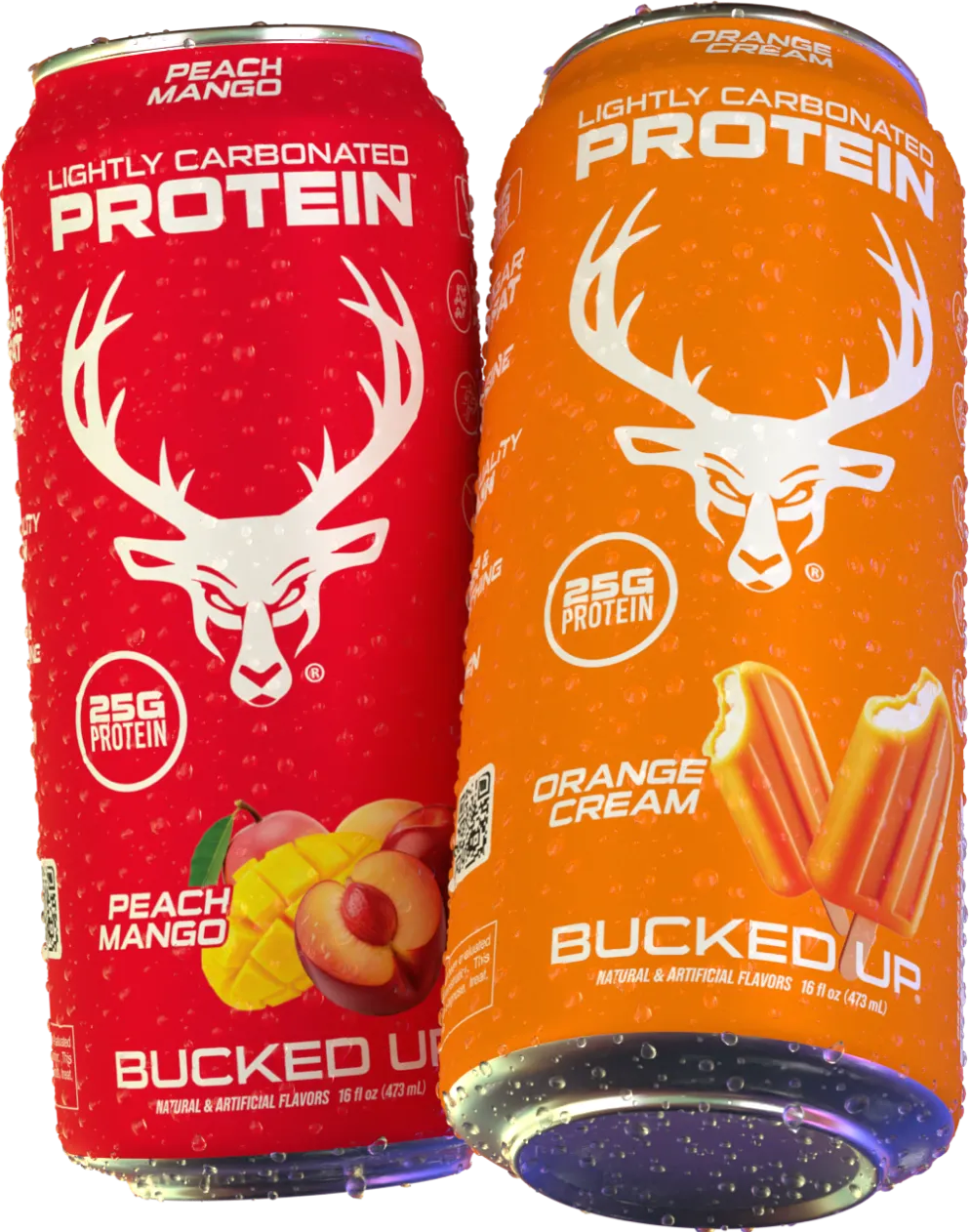
- Bucked Up Protein Soda provides 25 g whey isolate in a light, carbonated drink that supports muscle while addressing many common protein drink concerns.1
1. Kidney Strain from Excess Protein Load
Consistently eating more protein than your body can use places extra stress on your kidneys, especially if you already have kidney disease. Houston Methodist reports that dietary protein beyond 2.2 g/kg body weight per day rarely results in additional muscle synthesis and dramatically increases the likelihood of side effects.
Safe protein intake guidelines vary by population, and knowing where you fall in these ranges helps you avoid crossing that 2.2 g/kg line that increases side effect risk:
| Group | Safe Intake (g/kg) | Example (180 lbs person) | Source |
|---|---|---|---|
| Sedentary adults | 0.8-2.0 | about 65g daily | BodySpec |
| Active individuals | 1.6-2.5 | 126-180g daily | BodySpec |
| Adults 65+ | 0.75 | about 61g daily | BHF |
Common signs of excess protein include fatigue, dehydration, and digestive discomfort. BHF Senior Dietitian Tracy Parker states that regularly exceeding 2 g per kg of body weight per day can strain the kidneys, especially in individuals with pre-existing kidney issues. Products like Bucked Up Protein Soda use whey protein isolate, which may offer better absorption compared to some other forms.1
2. Gut Bloating and SIBO from Poor Digestion
Heavy, creamy protein shakes often sit in the stomach and can trigger gas, bloating, and discomfort. Dietitians at Houston Methodist note that high protein intake lacking dietary fiber leads to slower digestive transit time, causing bloating, gas, stomach pain, and severe constipation.
The carbonated format of Bucked Up Protein Soda provides a lighter alternative to thick protein shakes. This lighter format builds on an inherent advantage of liquid protein. Protein shakes and powders are easier to digest than whole food sources because they are already broken down. Whey protein isolate then takes that digestibility further by containing less lactose and fats, which can reduce digestive burden for many people.
3. Heavy Metal Contaminants in Daily Protein Use
Using protein supplements every day increases your total exposure to any contaminants in those products. Consumer Reports’ October 14, 2025, study found that some protein products contained high levels of lead, cadmium, and arsenic.
Plant-derived protein products contained higher lead levels than dairy proteins like whey, so many people prefer whey-based options such as Bucked Up Protein Soda for daily use. C. Michael White states that daily use of protein products with high heavy metal levels risks serious long-term health effects including nerve damage, softened bones, and raised blood pressure.
4. Unintended Weight Gain from Hidden Calories
Many protein drinks quietly add hundreds of calories through sugars, fats, and large serving sizes. Some protein powders contain up to 23 grams of added sugar per scoop and can result in drinks exceeding 1,200 calories.
Bucked Up Protein Soda keeps calories low at about 100 per serving while using a zero-sugar, zero-carb formula. This profile supports weight management and suits many GLP-1 users who need to watch calories closely while still hitting daily protein targets.1
5. Nutrient Imbalances from Over-Reliance on Shakes
Relying on protein drinks for most of your nutrition can crowd out fruits, vegetables, and other whole foods. Most people do not need protein supplements as whole foods provide superior nutrition including fiber, vitamins, minerals, and healthy fats.
A smarter approach treats protein drinks as a supplement to real meals, not a replacement. Bucked Up Protein Soda uses a straightforward formula with 100% whey protein isolate, so you can add protein without displacing the diverse nutrients that come from a balanced plate.1
6. Bone and Heart Concerns with Imbalanced Intake
Protein supports bone strength, yet very high or poorly balanced intake patterns may affect bone and heart health over time. The 2026 Weaver et al. RCT found that higher whey protein intake (1.2 g/kg body weight/day) increased hip bone strength by 3.8% compared to 0.5% in the standard protein group.
At the same time, Harvard Health Publishing states there is limited data on the long-term side effects of high protein intake from dietary supplements. Staying within the 2.2 g/kg threshold discussed earlier, while choosing high-quality sources like whey protein isolate, helps support bone benefits and may reduce the chance of unwanted effects.1
7. Allergies and Intolerances: Lactose and Gluten
Many traditional protein concentrates contain lactose or other ingredients that trigger digestive symptoms in sensitive people. Whey protein isolate contains more protein and fewer carbs and fats than whey protein concentrate and is safe for people who are lactose intolerant.
Bucked Up Protein Soda uses the isolate form mentioned earlier for digestive benefits, and this extra processing removes most lactose, which helps many people with lactose sensitivity.1 Always review the label for gluten and allergen information so you can match the product to your specific needs.
8. GLP-1 Specific Muscle Loss Risks
People using GLP-1 receptor agonists often struggle to eat enough protein to protect muscle while losing weight. A 2026 study found GLP-1 RA users reported lower protein intake compared to non-users, with weight-adjusted intake below recommended levels.
Clinical studies show that roughly 20–40% of weight lost on GLP-1 receptor agonists may come from lean mass. To counter this, GLP-1 receptor agonist users should aim for 1.0–1.5 grams of protein per kilogram of ideal body weight daily.
The light, carbonated format of Bucked Up Protein Soda can help GLP-1 users who feel full quickly or have food aversions, while still delivering meaningful protein to support muscle preservation.1
9. Nutritional Gaps in GLP-1 Users
GLP-1 users face a higher risk of missing key nutrients, even when they are not overusing protein drinks. A 2025 US study of GLP-1 RA users reported that intakes of several key nutrients were below recommended levels.
Using protein drinks strategically alongside vegetables, fruits, whole grains, and healthy fats helps fill protein gaps without worsening these deficiencies. This balanced pattern supports both weight loss and long-term health.
Smarter Daily Protein Strategies
You can enjoy daily protein drinks more safely by choosing high-quality whey protein isolate with minimal additives and pairing it with real food. Bucked Up Protein Soda offers a carbonated format that delivers protein without the heaviness many people notice with thick shakes. Compared to richer options such as Premier Protein or Muscle Milk, the lighter texture may feel easier to drink every day for some users.
Key advantages include 100% whey protein isolate, a zero-sugar, zero-carb profile that supports weight management, and a caffeine-free formula you can use morning or night.1 You can explore Bucked Up Protein Soda to see how this style of drink fits into your own protein routine.

Frequently Asked Questions
Are protein shakes safe for kidneys daily?
Protein shakes can be safe for kidneys when total intake stays below about 2 g per kg of body weight each day. Whey protein isolate may be easier on kidneys for some people because of its absorption profile.1 Anyone with existing kidney disease should talk with a healthcare professional before raising protein intake.
Can I drink protein shakes while on GLP-1 medications?
Many GLP-1 users tolerate light, easily digestible options such as Bucked Up Protein Soda better than heavy shakes. The carbonated format and pure whey isolate can help support muscle while working around reduced appetite and digestive sensitivity linked to these medications.1
Is it safe to drink protein shakes every day?
Daily protein shakes are generally safe when your total protein from food and supplements remains within recommended ranges. Track your intake, choose higher-quality products, and keep whole foods at the center of your diet for fiber, vitamins, and minerals.
How does Bucked Up compare to other protein drinks?
Bucked Up Protein Soda uses 100% whey protein isolate in a carbonated drink, which many people find less bloating than some concentrate-based shakes.1 Each can provides 25 g of protein with about 100 calories and a zero-sugar formula.
Can I have two protein drinks a day?
Two protein drinks a day can work if your total protein still falls within safe limits for your body weight and activity level. Space them out, and make sure the rest of your diet supplies enough fiber, micronutrients, and healthy fats.
Conclusion
Daily protein drinks can support muscle, bone, and weight goals, yet they also carry risks such as kidney strain, digestive issues, and contaminant exposure. Thoughtful product choices, attention to total intake, and a whole-food-focused diet help you capture the benefits while limiting those risks.
High-quality whey protein isolate options like Bucked Up Protein Soda offer a convenient, refreshing way to add protein without many common drawbacks of heavier shakes.1 Always consult your healthcare provider about your personal protein needs, especially if you have kidney disease, take GLP-1 medications, or manage other chronic conditions.
1 The content provided in this article is for informational purposes only and is not medical advice. Consult with a medical professional before implementing any changes to your diet, health, or exercise routines.
Individual results will vary and are based on a combination of each individual’s diet, exercise, age, and health circumstances.
These statements have not been evaluated by the Food and Drug Administration. This product is not intended to diagnose, treat, cure or prevent any disease.
This article was written by Ryan Gardner, CEO of Bucked Up. As the maker of Bucked Up Protein Soda, we have a financial interest in this information. The views expressed are our own and should be read with that context in mind.