Last updated: April 22, 2026
Key Takeaways
- Protein soda delivers 25g whey protein isolate in a light, zero-sugar, carbonated drink for fast absorption without heavy shake texture.
- Clear whey protein offers high solubility and rapid digestion, which supports post-workout recovery and muscle protein synthesis.
- Protein soda can support weight management by boosting satiety, helping preserve muscle during calorie restriction, and assisting GLP-1 users with reduced appetite.
- Caffeine-free and zero-carb design fits keto and paleo-style diets and works for anytime use without affecting sleep.
- For versatile, USA-made protein support, try Bucked Up’s carbonated protein soda.
How Protein Soda Fits Into Everyday Nutrition
Protein soda offers a newer way to drink your protein by infusing clear whey protein isolate into a carbonated base. The result is a soda-like fizz without the milky texture of traditional protein shakes. These drinks stay transparent and light while still delivering meaningful protein per can.
The key ingredient in protein sodas is whey protein isolate, which goes through extensive filtration to remove most fats and carbohydrates. Clear protein contains about 10% more protein than traditional whey protein concentrate and remains lactose-free, so it can work for many people with dairy sensitivities.
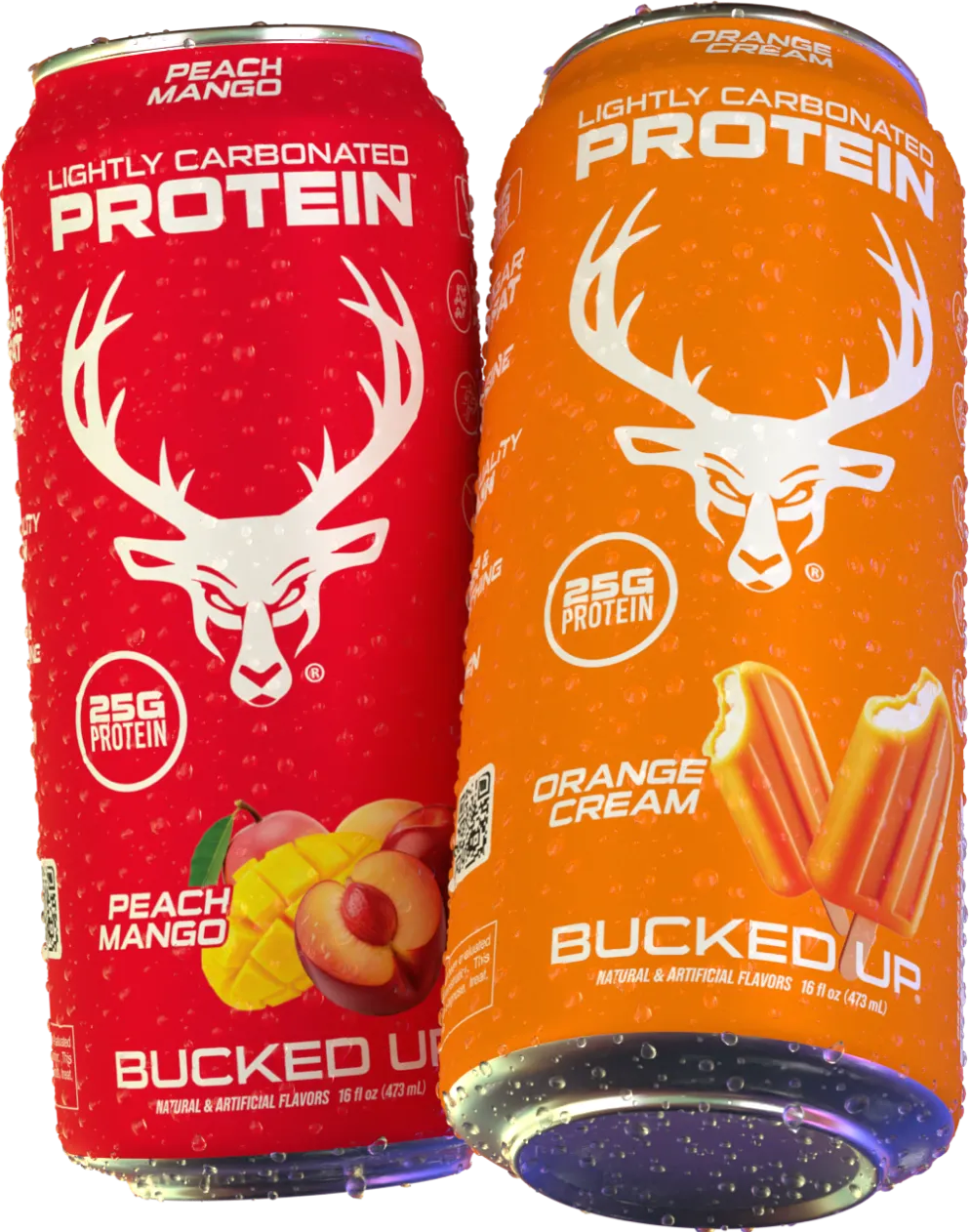
Bucked Up’s Protein Soda provides 25g of whey protein isolate in flavors like Banana Pineapple while maintaining zero carbs and zero sugar. This setup makes it useful after workouts or as a midday protein boost for busy professionals who want convenient nutrition without cooking.
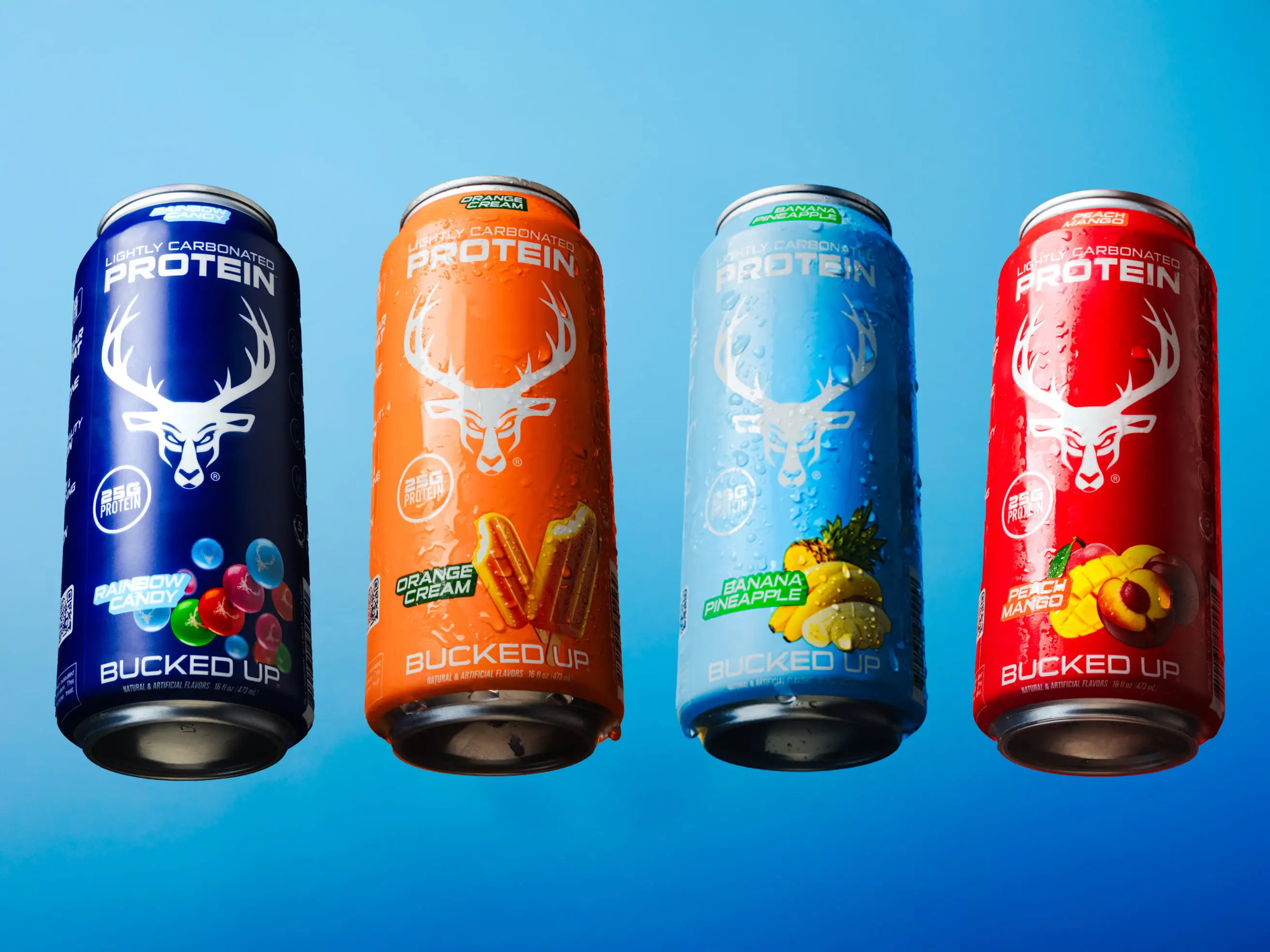
The carbonated format appeals to people who dislike thick, creamy shakes. The fizz creates a refreshing experience similar to energy drinks or sodas, which can make hitting daily protein goals feel easier and more enjoyable.
How Protein Soda Works in Your Body
Protein sodas rely on several mechanisms that support protein delivery and absorption.
1. Enhanced protein solubility: Clear proteins exhibit high solubility and stability at low pH levels, which suits acidic beverage environments. This solubility keeps the protein dissolved instead of clumping, so your body can digest it more easily.
2. Rapid gastric processing: Protein that stays soluble in acidic environments like the stomach is digested and absorbed quickly. Proteins with low acid solubility tend to clump and slow amino acid release. Hydrolyzed protein ingestion results in faster digestion and higher plasma amino acid appearance compared to intact proteins.
3. Targeted protein delivery per serving: Each serving provides 25g of complete protein that contains all essential amino acids. This amount aligns with research suggesting that 25–40g of protein per meal can effectively stimulate muscle protein synthesis, so one can functions as a solid standalone protein dose.
4. Metabolic compatibility for low-carb diets: The zero sugar and zero carb formulation supports ketogenic and paleo dietary approaches. It does this without spiking blood glucose or disrupting low-carb metabolic states.
5. Caffeine-free flexibility: Protein sodas contain no stimulants, so you can drink them in the evening or alongside other caffeine sources. This helps avoid sleep disruption and caffeine-related side effects.
Health Impact of Protein Soda
Benefits:
- Protein stimulates satiety hormones GLP-1 and PYY while lowering ghrelin levels, which promotes fullness and can support weight management.
- High-protein intake of 0.54–0.73 grams per lb of body weight preserves muscle mass during fat loss.
- Protein has a significantly higher thermic effect than fats or carbohydrates, which can slightly boost metabolism.
- Ready-to-drink cans provide convenient protein when you do not have time to cook or prepare a full meal.
Considerations:
- Protein soda should complement balanced meals that include fiber, healthy fats, and micronutrients, not fully replace them.
- Excess protein without resistance training may be converted to fat by the liver.
- Some people may notice digestive discomfort from artificial sweeteners or certain added ingredients.
Protein water is generally safe for most healthy adults as a convenient protein source, but individuals with kidney disease should consult healthcare professionals. High-protein diets are considered safe for kidney health in most healthy individuals without pre-existing kidney disease.
Muscle Gain and Weight Management Benefits
Protein sodas can support athletes and people focused on body composition. The 30-minute post-workout window often serves as a practical time for protein intake, when muscles are primed for amino acid uptake and recovery.
For gym-goers and athletes, the rapid absorption of whey protein isolate supports muscle protein synthesis more efficiently than many slower-digesting proteins. Whey protein hydrolysate ingestion produces rapid increases in circulating essential amino acids, including leucine, which acts as a key trigger for muscle-building pathways.
Weight management benefits extend beyond calorie counting. Preserving muscle mass during weight loss is crucial because muscle is metabolically active tissue that supports a higher resting metabolic rate. Maintaining muscle can help reduce the metabolic slowdown that often accompanies calorie restriction.
GLP-1 medication users often experience reduced appetite and trouble finishing solid meals. Protein water is beneficial for GLP-1 users as adequate protein intake helps preserve muscle during rapid weight loss and counters GLP-1-induced reduced appetite. The light, carbonated format can feel easier to drink than heavy shakes when appetite is low.
Protein Soda Compared to Traditional Shakes
Protein sodas differ from traditional ready-to-drink shakes in texture, ingredients, and digestion. Bucked Up’s clear, carbonated format contrasts with the thick, milky consistency of products like Premier Protein or Muscle Milk, which often use whey protein concentrate instead of a more filtered isolate.
The absorption profile also varies between these options. Concentrated whey proteins usually contain more carbohydrates and fats, which can slow digestion. Whey protein isolate goes through more filtration, which supports faster processing. This can matter after training when rapid amino acid delivery supports muscle protein synthesis.
Flavor and mouthfeel create another major difference. Many traditional shakes struggle with chalky textures or strong artificial flavors. The carbonated, energy drink-style taste of protein sodas can address these issues and make consistent protein intake feel more like drinking a regular beverage.
For people on GLP-1 medications or those with sensitive stomachs, the lighter format can feel more comfortable. Liquid protein sources are often less satisfying than solid foods, yet protein sodas reduce the heavy, bloated feeling that sometimes comes with thicker shakes.
Protein Soda for Muscle-Focused Goals
Bucked Up Protein Soda can stand out in the protein soda space through its use of 100% whey protein isolate instead of blends that may include collagen or other incomplete amino acid sources. Collagen can support joints, hair, and nails, but it does not provide the full essential amino acid profile needed for optimal muscle protein synthesis.
The 25g protein content in a 100-calorie serving delivers a concentrated amino acid dose without a large calorie load. This balance can support muscle-building goals while still allowing tight calorie control for body composition. Try Bucked Up’s whey isolate formula to see how this style of protein fits your routine.
Protein Soda Support for GLP-1 Users
GLP-1 medications like Ozempic and Wegovy create specific nutrition challenges by suppressing appetite and sometimes making solid foods harder to tolerate. Adequate protein intake helps preserve muscle during rapid weight loss and counters GLP-1-induced reduced appetite that can limit protein from food.
The light, carbonated format of protein sodas can help with these challenges. Heavy shakes may feel overwhelming when appetite is low, while a soda-like drink often feels more manageable and refreshing.
Muscle preservation remains a priority during GLP-1 therapy because rapid weight loss can reduce muscle mass if protein intake falls short. The ready-to-drink format removes prep work, which can make it easier to hit protein targets consistently.
Why Bucked Up Protein Soda Can Stand Out
Bucked Up can differentiate itself by addressing several common protein supplement pain points. The use of whey protein isolate supports higher protein purity compared to some products that blend isolate with concentrate or add collagen to raise protein numbers without a complete amino acid profile.
Manufacturing standards also play a role. Production takes place in GMP-certified facilities in the United States, which supports consistent quality control and safety practices. Domestic manufacturing can also improve supply reliability and product availability.
The caffeine-free formulation separates Bucked Up from many energy drink-style beverages. You can drink it at night or alongside other caffeine sources without worrying about stimulants, which can help people sensitive to caffeine, including some children and adolescents, under appropriate guidance.
The zero sugar and zero carb formulation supports ketogenic and paleo-style eating patterns without pulling you out of your chosen approach. This flexibility can make it useful for people with different dietary preferences and restrictions.
Conclusion: Where Protein Soda Fits in Your Routine
Protein sodas offer a convenient alternative to heavy shakes by pairing clear whey protein isolate with a carbonated, soda-like experience. With rapid absorption, a lighter texture, and uses that range from post-workout recovery to support for busy professionals and GLP-1 users, this category can address many modern protein needs. You can explore Bucked Up’s protein soda lineup to find flavors and use cases that match your goals.
Frequently Asked Questions
Is protein soda healthy for daily consumption?
Protein soda can fit into most adults’ daily nutrition when used within a balanced diet. The whey protein isolate supplies essential amino acids for muscle maintenance and metabolic support. It should still complement whole foods that provide fiber, vitamins, and minerals. People with kidney disease or specific medical conditions should speak with a healthcare provider before using it regularly.
When is the best time to drink protein soda?
Protein soda works at several times of day. Many people use it within about 30 minutes after a workout for recovery, between meals for extra satiety, or during busy periods when they need protein without cooking. The caffeine-free formula also makes it suitable in the evening, unlike many energy drinks or pre-workout products.
Is protein soda compatible with ketogenic and paleo diets?
Protein sodas that contain zero carbs and zero sugar can align with both ketogenic and paleo dietary approaches. The whey protein isolate provides protein without added carbohydrates that might disrupt ketosis or conflict with paleo-style guidelines. This makes it a practical option for people following these eating patterns who still need convenient protein.
How does protein soda compare to traditional protein shakes?
Protein sodas differ from traditional shakes through lighter consistency, use of whey protein isolate for faster absorption, and a more soda-like taste. They avoid the chalky texture and heavy feeling that some shakes create, which can make daily use easier. The carbonation also turns protein intake into a more refreshing drink experience.
Can protein soda help with muscle preservation during weight loss?
Protein soda can support muscle preservation during weight loss by providing high-quality protein that stimulates muscle protein synthesis. The 25g of whey protein isolate per serving helps cover higher protein needs during calorie restriction, and the convenient format encourages consistent intake even when appetite drops. This can be especially helpful for people on GLP-1 medications or structured weight loss plans where maintaining muscle mass supports long-term metabolic health.