Last updated: April 22, 2026
Key Takeaways
- Consuming 20-40g of high-quality protein within 0-2 hours after training supports muscle protein synthesis by reaching the 2.5-3g leucine threshold.1
- The strict 30-minute anabolic window is outdated, because muscle protein synthesis stays elevated for hours and allows flexible timing.
- Whey protein isolate works well post-workout due to its 100 DIAAS score, rapid absorption, and high leucine content compared to many other protein types.1
- Individual needs vary by body weight, age, and training intensity, so use 0.25-0.4g of protein per lb of body weight to estimate your dose.
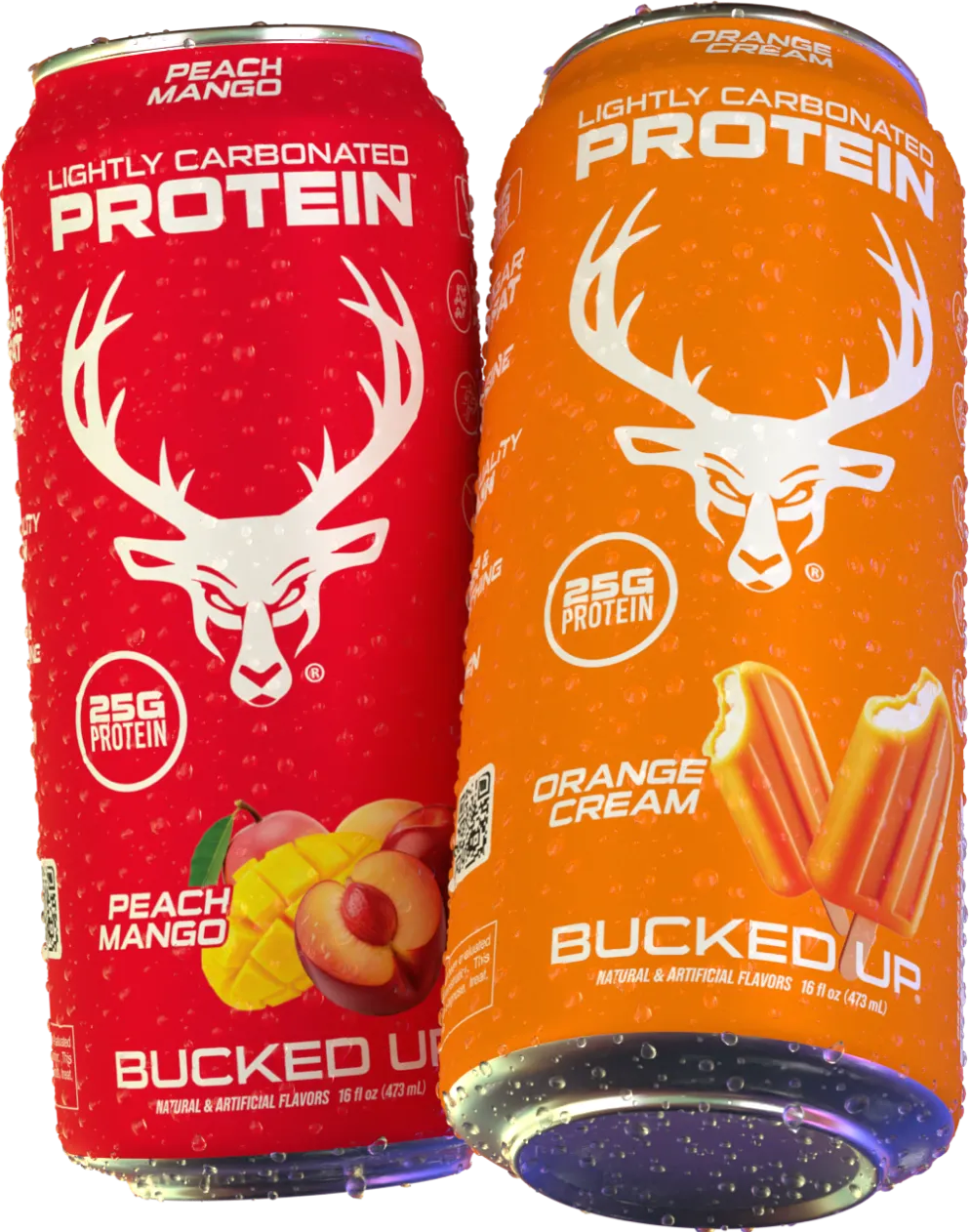
- Bucked Up Protein Soda offers a convenient 25g whey isolate serving in a refreshing, zero-sugar, 100-calorie carbonated drink that supports post-workout recovery.1
Dialing In Your Post-Workout Protein: Key Factors to Consider
Individual protein requirements depend on training goals, workout intensity, body weight, and age. For hypertrophy and recovery, the leucine threshold typically requires 30-50g of high-quality protein per meal to trigger muscle protein synthesis.1 A practical calculation uses 0.25-0.4g per lb of body weight for post-workout dosing, while daily protein intake should target 1.6-2.2g per kg body weight for active individuals.
Training variables significantly influence protein needs. Full-body workouts that engage multiple muscle groups often call for doses toward the upper range of 40g or more, while isolated muscle training can be effectively supported with 20-25g. Elderly individuals may require 40g or more protein per meal to overcome anabolic resistance compared to younger adults. Fasted training sessions can benefit from an additional 10g above baseline calculations because exercise in a fasted state increases protein breakdown.
Whey protein isolate supports these needs with fast absorption, with digestion occurring within 30-60 minutes, which suits post-workout recovery when muscles need amino acids quickly.1 The DIAAS bioavailability score of 100 for whey isolate ensures maximum protein utilization for muscle protein synthesis.1
New Research on Post-Workout Protein: Why 20-40g Works
Recent 2024-2026 research establishes that muscle protein synthesis peaks upon reaching a leucine threshold of approximately 2.5g-3g, found in roughly 30g-40g of high-quality protein per meal.1 This threshold represents the minimum effective dose for triggering anabolic processes. Consuming more than 30-40g of high-quality protein per meal does not further increase muscle protein synthesis, because excess protein is used for oxidative energy or other metabolic repair.
For practical application, calculate your post-workout protein dose using this formula: body weight in pounds ÷ 2.2 × 0.3g = estimated dose. For example, a 170-pound individual would benefit from approximately 23g of protein post-workout. This calculation aligns with research showing effective doses ranging from 20-40g depending on individual factors.
The amount of protein matters, and the quality matters as well. Whey isolate’s superior bioavailability, noted earlier, helps ensure that the protein you consume contributes effectively to reaching the leucine threshold instead of being poorly absorbed.1
Studies consistently show that doses within the 20-40g range provide strong muscle protein synthesis stimulation without unnecessary waste.1 Higher doses may help specific populations, such as older adults or advanced lifters, but most active individuals can focus on this 20-40g range for post-workout recovery.
Protein Timing After Training: Flexible Window and Higher Doses
Dr. Lisa Beaumont notes that “the post-workout anabolic window has shaped supplement sales for decades. But when you look at the controlled trials, the picture is far less urgent than the marketing suggests”. Current evidence supports a 0-2 hour window for optimal protein consumption, which offers more flexibility than the previously promoted 30-minute rule.
This extended timing window allows practical post-workout nutrition without the stress of immediate consumption. Muscle protein synthesis remains elevated for hours following resistance training, so you have time to align protein intake with your schedule and preferences while still supporting recovery.1
Higher doses also fit within updated guidance. The 2025–2030 Dietary Guidelines for Americans recommend that adults consume 1.2 to 1.6 grams of protein per kilogram of body weight per day, which is 50-100% more than the previously recommended minimum intake. For advanced athletes or those engaging in demanding training sessions, 50g post-workout doses are not excessive and may provide additional benefits when they fit within daily totals.
Safety research indicates that healthy individuals can consume high protein intakes up to 3.5g/kg body weight without adverse impact on renal function based on multiple 2024-2026 studies. This evidence supports the safety of higher post-workout protein doses when they match individual training demands and overall daily protein targets.
Choosing Your Post-Workout Protein: Why Many Athletes Use Whey Isolate
Whey protein isolate is more highly processed than whey protein concentrate, delivering 90% or more protein content versus 70-80%, with lower fat and lactose levels, and faster absorption. This processing advantage can support post-workout performance through rapid amino acid delivery.
Hydrolyzed whey protein powder can provide amino acid delivery up to 30% faster than standard whey protein, which may aid muscle recovery for athletes and gym enthusiasts.1 The pre-digestion process creates smaller peptides that require minimal digestive processing, so the body can use them quickly for muscle protein synthesis.
Whey isolate’s low lactose content suits many individuals with dairy sensitivities who still want a whey-based option. The same processing that reduces lactose also concentrates the protein, which increases leucine per serving. Together, these traits of rapid absorption, digestive tolerance, and high leucine density make whey isolate a strong option for post-workout protein supplementation.1
Why Bucked Up Protein Soda Fits Post-Workout Recovery
Bucked Up Protein Soda delivers 25g of 100% whey protein isolate in a refreshing, lightly carbonated drink that avoids the heaviness and chalky texture of many traditional protein shakes. With only 100 calories, zero sugar, zero carbs, and no caffeine, it supports post-workout nutrition without extra stimulants or unnecessary additives that could interfere with recovery or sleep.1
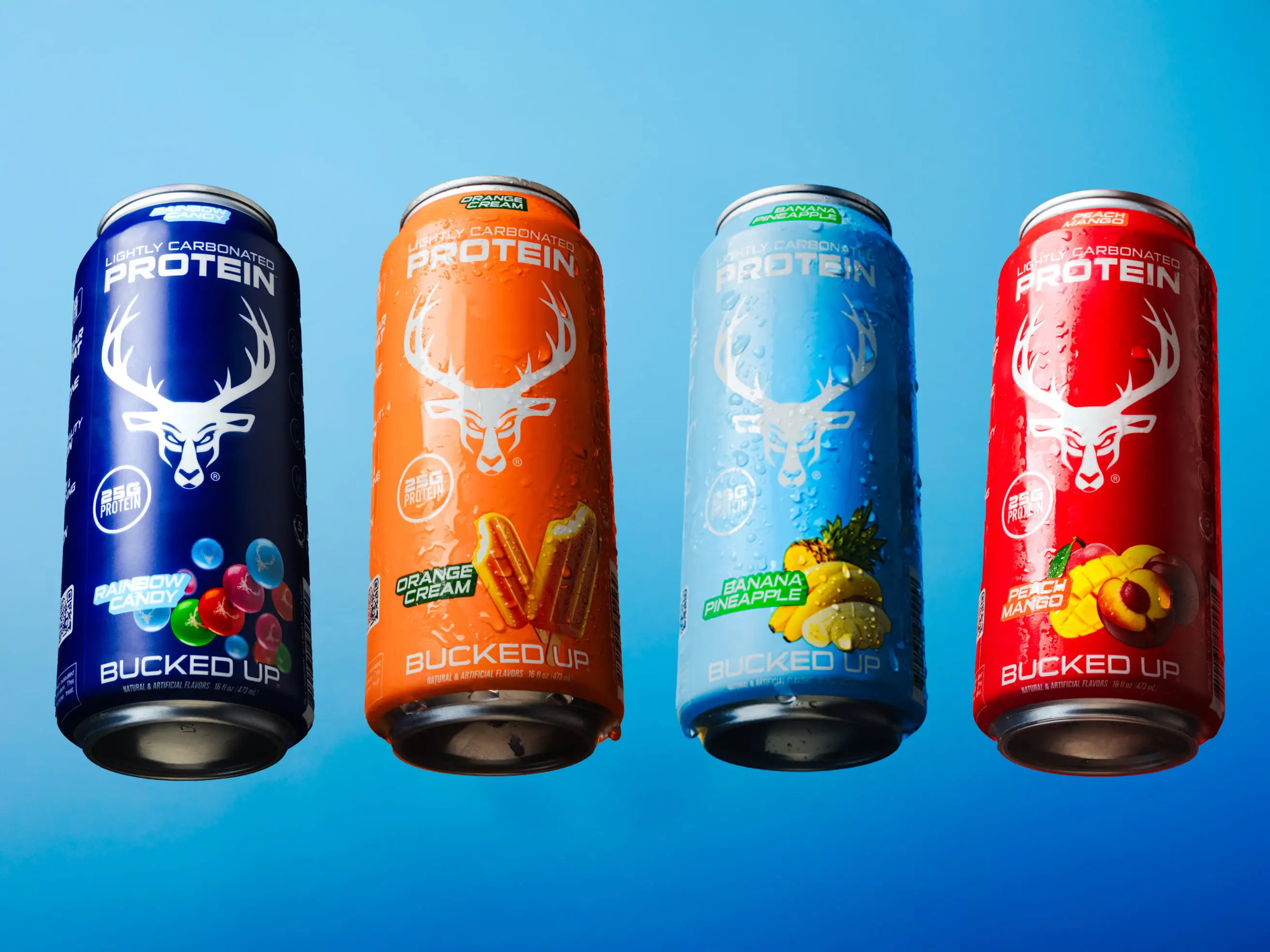
The carbonated format offers a different experience than standard protein drinks. Some competitors like Premier Protein and Muscle Milk can use whey protein concentrate with slower absorption rates and higher lactose content, while Bucked Up utilizes 100% whey protein isolate for high bioavailability and rapid amino acid delivery.1 The light, refreshing texture can also help reduce the bloating and digestive discomfort often associated with thick, milky protein shakes.
Customer feedback consistently highlights the taste and overall experience: “The protein sodas far exceeded my expectations. They taste similar to an energy drink and don’t have any weird aftertaste like some other clear whey protein drinks do.” Another user shared, “These are seriously delicious! They taste like an energy drink, but healthier and with no caffeine.”
The caffeine-free formulation makes Bucked Up Protein Soda suitable for any time of day, including evening workouts, without disrupting sleep patterns. This versatility, combined with the research-aligned 25g protein serving, helps support a consistent post-workout routine. Try Bucked Up Protein Soda for your next recovery drink.
Step-by-Step Plan for Your Post-Workout Protein Routine
Follow this evidence-based protocol to structure your post-workout protein intake.
1. Complete your resistance training session and include a brief cool-down. This cool-down period starts the recovery window when your muscles become more receptive to nutrients.
2. Within the next 0-2 hours, consume 20-40g of whey protein isolate to support elevated muscle protein synthesis.1 Bucked Up Protein Soda offers a ready-to-drink 25g serving in a refreshing format that requires no mixing or prep.
3. If your training session was particularly intense or you trained in a fasted state, consider pairing your protein with a light carbohydrate source to help replenish glycogen. For most standard sessions, protein alone is sufficient.
4. Over the following days and weeks, monitor recovery indicators such as reduced muscle soreness, steady or improved energy levels, and progressive strength gains to confirm that your approach is working.
If you experience digestive discomfort, focus on adequate hydration and drink the protein soda chilled, which many people find more palatable. The carbonated, non-milky format can feel lighter on the stomach than thick protein shakes.
Tracking Progress and Advanced Protein Strategies
Measure recovery success with objective markers such as reduced delayed-onset muscle soreness (DOMS), maintained or improved workout performance, and strength gains over 4-6 weeks. Subjective indicators include better energy levels and faster recovery between training sessions.
Advanced practitioners should ensure daily protein intake aligns with the updated dietary guidelines mentioned earlier, with post-workout protein contributing to that total. Individuals who perform frequent full-body training or those over 40 may benefit from doses toward the upper range of 40g or more to address potential anabolic resistance.
GLP-1 medication users should prioritize consistent protein intake to preserve muscle mass during weight loss.1 The easily drinkable format of Bucked Up Protein Soda can help those with reduced appetite or difficulty consuming solid foods maintain essential protein intake for muscle preservation.
Conclusion: Use Protein Timing and Quality to Support Gains
Current evidence supports consuming 20-40g of high-quality whey protein isolate within 0-2 hours after training to support muscle protein synthesis and recovery.1 Bucked Up Protein Soda delivers a 25g serving in a convenient, refreshing format that can remove common barriers such as mixing, heaviness, or chalky texture. Explore Bucked Up Protein Soda as part of your post-workout routine.
FAQ: Post-Workout Protein Basics
How much protein should I consume immediately after a workout?
Research supports consuming 20-40g of high-quality protein within 0-2 hours post-workout. The exact amount depends on body weight, training intensity, and age, but 25g provides an effective dose for many individuals. This amount helps you reach the leucine threshold needed to trigger muscle protein synthesis without adding excess that will not further increase muscle building.1
When is it too late to consume a protein shake after working out?
The post-workout window extends up to about 2 hours, which challenges the strict 30-minute rule. Muscle protein synthesis stays elevated for hours after resistance training, so you have flexibility in timing. Earlier intake may offer small advantages, yet consuming protein within 2 hours still supports recovery.
Is 50g of protein too much after a workout?
For many people, 50g post-workout is not excessive and may help advanced athletes, older adults, or those doing demanding full-body training sessions. Recent research shows that healthy individuals can safely consume up to 3.5g of protein per kg of body weight daily without harming kidney function. The key is keeping this dose within your overall daily protein targets.
What is the difference between whey protein isolate and concentrate for post-workout recovery?
Whey protein isolate goes through more extensive processing, which results in 90% or more protein content compared to 70-80% in concentrate. Isolate contains less fat and lactose, absorbs faster, and provides more concentrated leucine per serving.1 These traits can make isolate a strong option for post-workout use when rapid amino acid delivery matters, especially for individuals with lactose sensitivity.1
How does Bucked Up Protein Soda compare to other ready-to-drink protein options?
Bucked Up Protein Soda uses 100% whey protein isolate, while some competitors use whey protein concentrate or add collagen to increase protein numbers.1 The carbonated, non-milky format avoids much of the heaviness and digestive discomfort common with traditional protein drinks. At 25g protein and 100 calories with zero sugar and carbs, it offers a concentrated protein serving in a refreshing, energy drink-like taste without caffeine or a heavy mouthfeel.
1 The content provided in this article is for informational purposes only and is not medical advice. Consult with a medical professional before implementing any changes to your diet, health, or exercise routines.
Individual results will vary and are based on a combination of each individual’s diet, exercise, age, and health circumstances.
These statements have not been evaluated by the Food and Drug Administration. This product is not intended to diagnose, treat, cure or prevent any disease.
This article was written by Ryan Gardner, CEO of Bucked Up. As the maker of Bucked Up Protein Soda, we have a financial interest in this information. The views expressed are our own and should be read with that context in mind.