Last updated: April 22, 2026
Key Takeaways
- Lifeway Kefir supports gut health with probiotics and easier digestion but provides 11g protein with 18g carbs and 8g added sugar per serving.
- Traditional protein shakes usually deliver 20–30g protein but often have thick textures and can cause digestive discomfort from blends or concentrates.
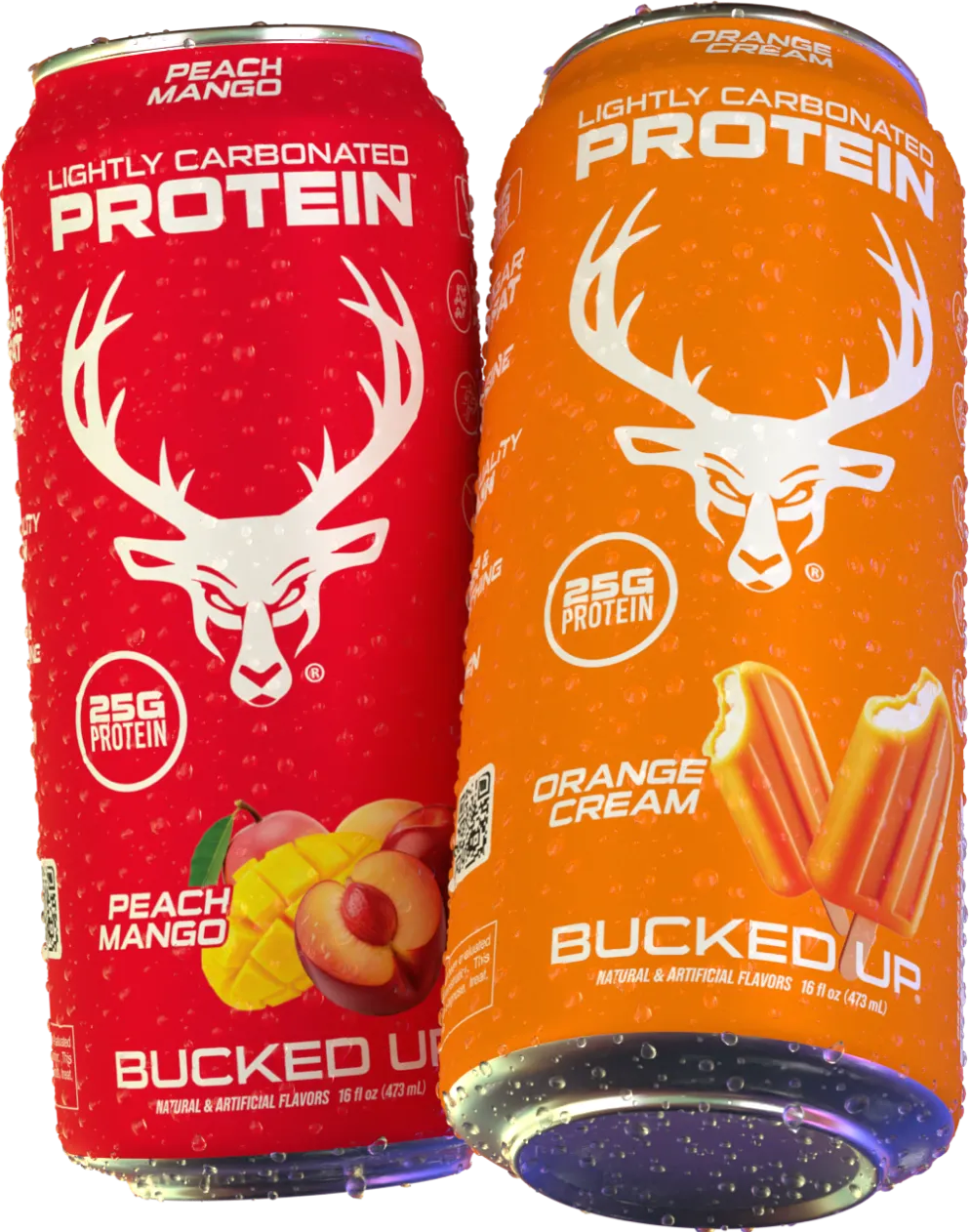
- Bucked Up Protein Soda provides 25g whey isolate in 100 calories with zero sugar and zero carbs, which can support muscle recovery and low-calorie goals.1
- Zero-sugar options like Bucked Up can work well for GLP-1 users, people managing diabetes, and those following 2025–2030 Dietary Guidelines who want to avoid blood sugar spikes.1
- Try Bucked Up Protein Soda for refreshing, efficient protein that fits busy schedules, gym routines, and health goals without heaviness.1
Head-to-Head Nutrition: Protein, Calories, and Sugar
Nutritional differences between protein drinks directly affect muscle support, blood sugar, and total daily calories. The table below highlights a key tradeoff: higher protein drinks often carry more sugar and calories, while zero-sugar options can deliver similar protein with fewer calories. Here is how several popular options compare across core metrics:
| Product | Protein (g) | Calories | Carbs/Sugar (g) |
|---|---|---|---|
| Lifeway Kefir (Peach) | 11g | 140 | 18g/8g added |
| Premier Protein Shake | 30g (blend) | 160 | 5g/1g |
| Chobani High Protein | 20g | 170 | 9g/8g |
| Bucked Up Protein Soda | 25g (whey isolate) | 100 | 0g/0g |
Evaluate each drink by protein-to-calorie ratio and sugar content so it matches your goals. Whey protein isolate achieves a DIAAS score of 1.09, which reflects strong amino acid availability.
Pros and Cons: Kefir, Traditional Shakes, and Bucked Up
Lifeway Kefir Smoothies:
- Pros: Fermented proteins are broken into smaller peptides for easier digestion, and natural probiotics can support gut health.
- Cons: Lower protein content (11g per serving), 18g total sugar with 8g added, and higher calorie density for the amount of protein provided.
Traditional Protein Shakes:
- Pros: Higher protein content around 20–30g, wide availability, and a familiar shake-style format.
- Cons: Some formulas use protein concentrates or blends, have thick textures, and some users report digestive discomfort.
Bucked Up Protein Soda:
- Pros: Uses whey protein isolate, contains zero sugar and zero carbs, has a light, refreshing carbonated format, and stays caffeine-free for any-time use.
- Cons: Belongs to a newer product category, and the carbonated style may not appeal to everyone.
The carbonated format can reduce complaints about thickness and heaviness that people often have with traditional protein drinks.1 Try this refreshing protein option if you prefer a lighter texture.

Gut Health or Muscle Recovery: Matching Kefir and Whey Isolate
Kefir supports digestion through fermentation. Fermented proteins in kefir are processed by yeasts and bacteria into smaller peptides, which can digest more easily than non-fermented proteins. This profile can suit people with sensitive digestive systems.
Whey isolate offers advantages for muscle protein synthesis.1 Research indicates animal proteins like whey stimulate muscle protein synthesis more effectively because of higher leucine content and strong digestibility.1 The whey isolate in Bucked Up Protein Soda falls within the intake range of about 20–25 g of high-quality, fast-digesting protein per meal that maximizes muscle protein synthesis in young adults when consumed without other macronutrients.1
GLP-1 and Zepbound Users: Light Protein for Muscle Preservation
People using GLP-1 medications like semaglutide or tirzepatide often eat less food and face higher risk of losing lean mass. As overall intake drops, nutrient-dense options with enough protein and fiber become more important.
The light, carbonated format of Bucked Up Protein Soda helps address appetite suppression while still delivering concentrated nutrition.1 Compared with heavy shakes or high-sugar kefir drinks, the 100-calorie can supplies meaningful protein without overwhelming a reduced appetite or adding extra digestive stress.1 The zero-sugar formula also aligns with 2025–2030 Dietary Guidelines, which recommend avoiding added sugars in a healthy diet.
Diabetes-Friendly Protein: Managing Sugar and Carbs
People managing diabetes need to track carbohydrate and sugar intake closely. Lifeway Kefir contains 18g of sugar per serving, which can significantly affect blood glucose levels. The 2025–2030 Dietary Guidelines advise limiting added sugars and avoiding sugar-sweetened beverages. Bucked Up Protein Soda’s zero-sugar, zero-carb profile can fit diabetic meal planning without adding glycemic load.1
Market Trends Favoring Carbonated Protein Drinks
The beverage market is shifting toward functional drinks with low or no sugar. The global zero sugar beverages market is projected to grow from $5.0 billion in 2026 to $19.6 billion by 2036 at a 14.7% CAGR, driven by health-focused consumers and wider GLP-1 use.
Innova Market Insights lists “Powerhouse Protein” as the top trend for 2026, with at least half of global consumers working to increase protein intake. These combined forces of higher protein demand and zero-sugar preferences help explain why carbonated protein beverages can meet several modern needs at once.
Why Bucked Up Protein Soda Fits Today’s Protein Habits
Current protein habits often collide with time limits, taste fatigue, and sugar concerns, and Bucked Up Protein Soda aims to reduce those friction points.
The drink delivers whey protein isolate in a caffeine-free formula, which allows flexible use throughout the day without affecting sleep or stimulant intake. This timing freedom pairs with the carbonated, soda-like format that many people find more refreshing than thick shakes, especially in warm weather or after intense workouts.
Different users face different barriers, and this format targets several of them. For busy professionals, the ready-to-drink can removes mixing, cleanup, and prep time. Gym-goers who dislike milky textures can choose a clear, light option that still supports training. GLP-1 users dealing with reduced appetite can take in concentrated nutrition in a drink that feels light instead of heavy. Experience this innovative protein delivery system if these barriers sound familiar.
Your Protein Decision Framework: Align Drink Choice with Goals
Match your protein drink to your main goal. For gut health support, kefir offers beneficial probiotics even though the protein content is lower. For protein efficiency and muscle support with fewer calories and no sugar, Bucked Up Protein Soda can be a strong fit.1 For meal replacement needs, traditional shakes provide higher calorie density, though some people experience digestive tradeoffs.
Conclusion: When Bucked Up Protein Soda Makes Sense
The decision framework above shows where each option fits best. Lifeway Kefir can shine for probiotic support, and traditional shakes serve people who want a familiar, higher-calorie meal-style drink. Bucked Up Protein Soda brings together whey isolate, zero sugar, a 100-calorie profile, and refreshing carbonation for people focused on muscle preservation, weight management, and convenient protein in a lighter format.1 Discover Bucked Up Protein Soda as an alternative to heavy shakes and high-sugar smoothies. Shop now to start your protein transformation.
FAQ: Bucked Up Protein Soda vs Other Protein Drinks
How does carbonated protein compare to traditional protein shakes?
Carbonated protein beverages like Bucked Up Protein Soda use a light, effervescent base instead of thick, creamy formulations. This design creates a refreshing, soda-like experience while still delivering a full serving of whey protein isolate. The carbonation helps avoid the chalky texture and heavy mouthfeel common with many shakes, which can make protein intake feel easier and more enjoyable. The clear, non-milky format can also reduce the bloating some people experience with dairy-style protein drinks.
Is it safe to drink carbonated protein every day?
Carbonated protein beverages can fit into daily nutrition plans when they align with your overall protein and calorie targets. Bucked Up Protein Soda contains whey protein isolate in an amount that falls within research-backed ranges for maximizing muscle protein synthesis in young adults consuming fast-digesting protein without other macronutrients.1 The zero-sugar, zero-carb formulation supports regular use without adding extra sugars or unnecessary calories. The caffeine-free profile also allows use at any time of day without affecting sleep or adding stimulant-related side effects.
Does Bucked Up Protein Soda fit keto and paleo approaches?
Bucked Up Protein Soda contains zero carbohydrates and zero sugar, which makes it compatible with ketogenic diets that prioritize very low carb intake. The whey protein isolate source aligns with many paleo-style approaches that include high-quality dairy-based protein. The absence of added sugars, high-carb ingredients, and heavy fillers supports both low-carb and ancestral-style eating while still supplying complete amino acids for muscle maintenance and recovery.1
How does the taste compare to regular protein shakes?
Bucked Up Protein Soda tastes closer to an energy drink or flavored soda than a traditional shake. The carbonated format removes the thick, sometimes gritty texture that powder-based shakes can have. The crisp, refreshing flavor profile can make it easier to drink consistently, especially for people who feel burned out on creamy shakes.
What makes whey protein isolate a strong choice for drinks?
Whey protein isolate goes through extra filtration to remove most fats, lactose, and carbohydrates, which produces a protein source that is roughly 90–95% protein by weight. This higher purity supports faster absorption and strong amino acid availability compared with many concentrates or blends.1 Whey isolate also scores well on digestibility measures and contains robust levels of leucine, a key amino acid for triggering muscle protein synthesis.1 Unlike collagen used in some drinks, whey isolate supplies all essential amino acids in proportions that support muscle maintenance and growth.
1 The content provided in this article is for informational purposes only and is not medical advice. Consult with a medical professional before implementing any changes to your diet, health, or exercise routines.
Individual results will vary and are based on a combination of each individual’s diet, exercise, age, and health circumstances.
These statements have not been evaluated by the Food and Drug Administration. This product is not intended to diagnose, treat, cure or prevent any disease.
This article was written by Ryan Gardner, CEO of Bucked Up. As the maker of Bucked Up Protein Soda, we have a financial interest in this information. The views expressed are our own and should be read with that context in mind.