Last updated: April 22, 2026
Key Takeaways
- Whey concentrates often cause digestive issues because of lactose, fats, and thick textures in many adults with sensitivities.
- Nine gut-friendly alternatives deliver about 20–25g of protein per serving using isolates, plant sources, and lighter formats.1
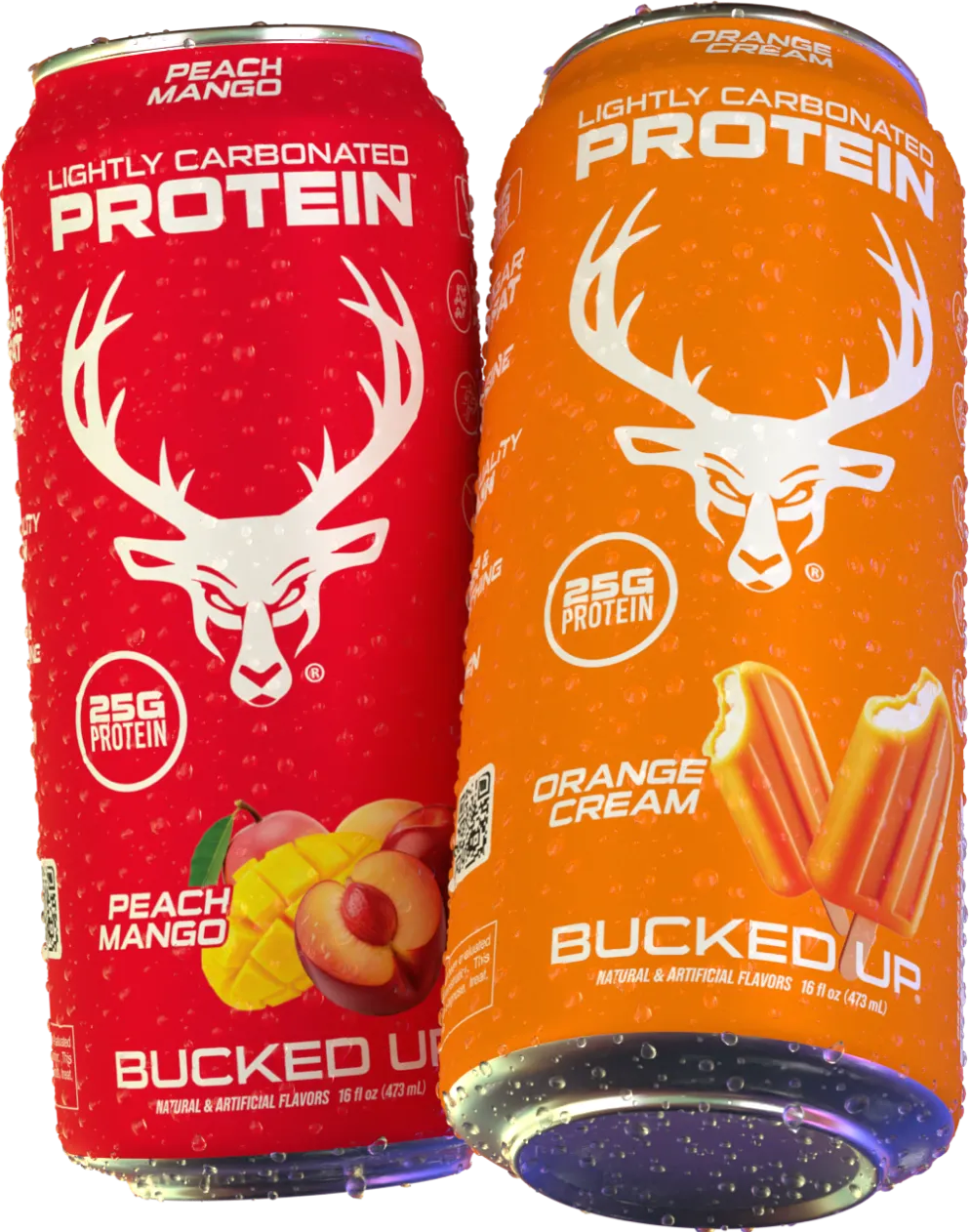
- Bucked Up Protein Soda provides 25g whey isolate in a carbonated, zero-sugar, 100-calorie ready-to-drink format that can suit GLP-1 users.1
- Plant-based options such as pea, hemp, rice, and beef isolates offer dairy-free complete proteins with less bloating for many people.1
- Bucked Up Protein Soda can make daily protein intake feel easier on the stomach1 – try it here to upgrade your routine.
Why Traditional Whey Shakes Bother Sensitive Stomachs
Whey protein concentrates contain higher levels of lactose and milk fats that can trigger digestive symptoms in sensitive individuals. The thick, creamy texture of traditional protein shakes, combined with added carbohydrates and fats, can slow digestion and contribute to bloating and gas formation. Large, fast-drunk shakes can also overwhelm the digestive system and increase discomfort. Gut-friendly alternatives such as protein isolates, plant-based options, and lighter delivery formats can reduce these issues while still providing substantial protein.1
The following nine options highlight gut-friendly protein choices that support different digestive needs, medication routines, and dietary preferences.
1. Bucked Up Protein Soda for GLP-1 and Tirzepatide Users
Bucked Up Protein Soda uses a lightly carbonated, crystal-clear format that delivers 25g of whey protein isolate in a 100-calorie serving. This product uses whey protein isolate, which goes through extra processing that removes most lactose and milk fats that often cause digestive problems.1 The carbonated, drink-like texture feels closer to a flavored soda than a heavy shake, so many people experience less bloating.1
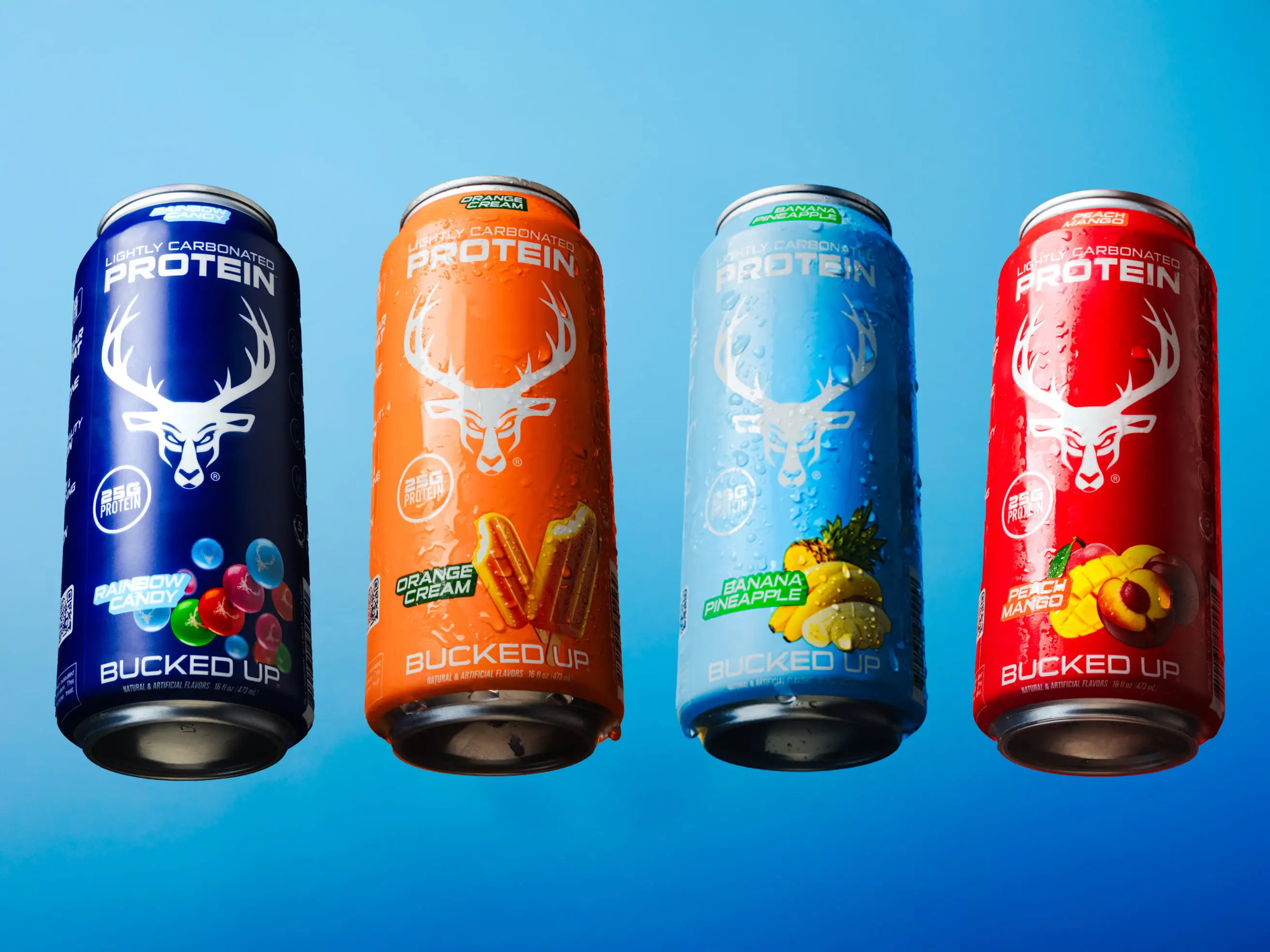
Pros:
- Zero sugar and zero carbs, which can fit keto and paleo approaches
- Caffeine-free formulation that works morning, afternoon, or night
- Ready-to-drink can that removes mixing and cleanup
- Light texture that can feel easier when appetite is low1
Cons:
- Higher cost per serving than most powdered proteins
- Fewer flavors than many traditional protein powders
GLP-1 users who manage reduced appetite and want to protect muscle mass may appreciate this lighter, easy-to-digest format.1 Try Bucked Up Protein Soda to experience this carbonated protein option.
2. Pea Protein Isolate for Dairy-Free Simplicity
Pea protein isolate offers a plant-based option that naturally contains no lactose or dairy components. This legume-derived protein usually provides about 20–25g of protein per serving with a complete amino acid profile. The isolation process removes most fiber and carbohydrates, which can help reduce digestive discomfort for some sensitive users.1
Pros:
- Naturally dairy-free and vegan-friendly
- Lower allergenic potential than many dairy proteins
- Comes from a relatively sustainable crop
Cons:
- Earthy flavor that often needs sweeteners or flavors
- Slightly lower leucine content than whey
3. Hemp Protein Powder with Added Fiber
Hemp protein typically provides 15–20g of protein per serving along with omega-3 and omega-6 fatty acids. This plant-based choice includes natural fiber that can support digestive health while avoiding common allergens in dairy and soy.1 Gentle processing methods help maintain the natural digestibility of hemp protein.
Pros:
- Contains beneficial fatty acids and minerals
- Naturally free from major allergens for many people
- Mild, nutty flavor that blends well with smoothies
Cons:
- Lower protein content per scoop than many isolates
- Higher fiber content that may cause a short adjustment period
4. Rice Protein Isolate for Hypoallergenic Needs
Rice protein isolate delivers about 20–24g of protein per serving in a format many people find gentle on digestion. The isolation process removes most carbohydrates and fiber, which creates a concentrated protein source that can feel easier on the gut.1 Rice protein also has a neutral flavor, so it works in shakes, oatmeal, and baked recipes.
Pros:
- Hypoallergenic and suitable for many restricted diets
- Neutral taste that allows flexible flavoring
- Absorption rate that can resemble whey isolate1
Cons:
- Lower lysine content that may need balancing with other proteins
- Can feel slightly chalky in simple water mixes
5. Collagen Peptides for Joint and Skin Support
Collagen peptides usually provide 18–20g of protein per serving and contain amino acids that support joints, skin, and connective tissue.1 Hydrolyzed marine collagen hydrolysates demonstrate negligible impact on pro-inflammatory mediators and exhibit low antigenic potential with reduced risk of immediate hypersensitivity reactions. The hydrolyzed, pre-broken peptide structure can improve absorption and may feel easier on digestion.1
Pros:
- Excellent solubility and nearly neutral taste
- Additional support for joint and skin health1
- Often associated with minimal digestive side effects
Cons:
- Incomplete amino acid profile for muscle growth alone
- Higher cost per gram of protein than many powders
Collagen supplements are generally safe for healthy adults but may cause mild digestive upset in some people, so they usually work as a gentle option for many sensitive stomachs.
6. Egg White Protein Powder for High Bioavailability
Egg white protein delivers about 20–25g of complete protein per serving with strong amino acid bioavailability. This dairy-free option absorbs quickly and avoids lactose and casein, which often trigger sensitivities.1 Processing focuses on the whites, which removes fats and potential allergens found in whole eggs.
Pros:
- Complete amino acid profile with high biological value
- Naturally lactose-free and dairy-free
- Rapid absorption that suits post-workout use
Cons:
- Potential allergen for people with egg sensitivities
- Can develop a sulfur-like taste if quality control is poor
7. Clear Whey Isolate Ready-to-Drink Options
Ready-to-drink clear whey isolate products offer convenience in a lighter, juice-like texture instead of a thick shake. These beverages usually provide 20–25g of whey protein isolate per serving. Bucked Up Protein Soda offers a carbonated approach that can feel even more refreshing for some users.
Pros:
- Convenient ready-to-drink bottles or cans
- Lower lactose content than whey concentrates
- Lighter texture than many traditional shakes
Cons:
- Higher cost per serving than most powders
- Not every clear whey option includes carbonation
8. Beef Protein Isolate for Dairy-Free Completeness
Beef protein isolate provides about 20–24g of complete protein per serving in a dairy-free, lactose-free format. This alternative offers an amino acid profile that can resemble whey while removing dairy-related digestive triggers.1 The isolation process concentrates protein and reduces fats and many potential allergens.
Pros:
- Complete amino acid profile similar to whey
- Naturally dairy-free and lactose-free
- High protein concentration per serving
Cons:
- Limited availability and often higher price
- May not align with preferences of people avoiding red meat
9. Enzyme-Enhanced Protein Blends for Extra Support
Enzyme-enhanced protein blends pair traditional protein sources with digestive enzymes such as lactase, protease, and lipase. These formulas usually provide 20–25g of protein per serving while aiming to improve breakdown and absorption.1 Added enzymes can help some people tolerate proteins that previously caused discomfort.1
Pros:
- Improved digestibility from targeted enzyme support
- Can make familiar proteins easier to tolerate
- Often provide comprehensive amino acid profiles
Cons:
- Higher cost because of enzyme inclusion
- Results vary depending on each person’s specific enzyme needs
| Protein Source | Protein (g) | Calories | Lactose Level |
|---|---|---|---|
| Bucked Up Protein Soda* | 25 | 100 | Low (isolate processed)* |
| Pea Protein Isolate | 20-25 | ~110 | None (plant-based) |
| Egg White Protein | 20-25 | ~120 | None (dairy-free) |
How to Choose and Test Gut-Friendly Protein
Choosing gut-friendly protein starts with knowing your personal tolerance and trigger ingredients. Protein isolates contain significantly less lactose and milk fats compared to concentrates, so many sensitive users do better with isolates. Begin with half servings to see how your stomach responds before moving to a full scoop.
Track your symptoms in a simple log during the first week, including timing, serving size, and any bloating or cramps. Stay well hydrated during this testing phase, because adequate fluids support digestion and can ease discomfort. When comparing products, look for clear labels, third-party testing, and transparent manufacturing standards. Start with Bucked Up Protein Soda if you want a ready-to-drink isolate option that fits these criteria.
Frequently Asked Questions
What protein shakes work well for sensitive stomachs?
Protein options with low lactose and lighter textures often feel better for sensitive stomachs. Bucked Up Protein Soda can stand out with its whey protein isolate in a carbonated, easy-drinking format. Plant-based choices such as pea protein isolate and egg white protein also help people who avoid dairy completely. Isolates usually cause fewer issues than concentrates, and thinner drinks tend to feel easier than very thick shakes.
Why do whey protein shakes hurt my stomach?
Many whey protein shakes cause discomfort because concentrates contain more lactose, thicker textures slow digestion, and higher fat content can trigger bloating. Some formulas also include artificial sweeteners and additives that sensitive users do not tolerate well. Drinking a large volume quickly can overload the digestive system and lead to cramping or gas.
Which protein powder works best for IBS?
People with IBS often do better with protein isolates and plant-based options that avoid common trigger ingredients. Whey protein isolate, pea protein isolate, and rice protein isolate provide substantial protein with a lower chance of irritation for many users. Avoiding artificial sweeteners, very high fiber blends, and dairy concentrates can further reduce IBS symptom flares.
What protein works well while on tirzepatide?
GLP-1 medication users usually benefit from light-textured, easy-to-digest protein sources that respect reduced appetite. Bucked Up Protein Soda’s carbonated format and 100-calorie serving size can fit people who want to maintain muscle while eating less.1 The ready-to-drink can also removes mixing steps, which helps on days when motivation and appetite feel low.
What is the difference between isolate and concentrate?
Protein isolates go through extra processing that removes more lactose, fats, and carbohydrates, which raises protein percentage and often improves digestibility. Concentrates keep more of these components, so they can trigger sensitivities in some people. Isolates typically contain 90% or more protein by weight, while dry whey protein concentrates range from 25% to 89.9% protein content.
Is it safe to use protein alternatives daily with a sensitive stomach?
Most protein alternatives are safe for daily use when they match your individual tolerances. Begin with smaller servings and increase slowly so your digestive system can adjust. People with medical conditions or severe allergies should talk with a healthcare provider before major diet changes, but many high-quality isolates and plant-based proteins support daily nutrition for sensitive users.
Conclusion
Digestive sensitivity does not need to limit your protein intake goals. These nine alternatives offer ways to reach meaningful daily protein targets while reducing bloating, gas, and discomfort from traditional whey shakes. Bucked Up Protein Soda can stand out as an innovative option, using the high-protein, low-calorie profile mentioned earlier in a refreshing, carbonated format that many sensitive users find approachable.
The 2026 protein market continues to move toward more digestible, convenient formats that respect different diets and gut needs. People managing GLP-1 medications, IBS symptoms, or simple intolerance to heavy shakes can choose from these options to keep protein intake consistent without sacrificing comfort.
Refresh your protein routine with Bucked Up Protein Soda’s carbonated delivery system that makes daily protein feel simple and enjoyable. Get Bucked Up Protein Soda today and explore a gut-friendly way to hit your protein goals.
1 The content provided in this article is for informational purposes only and is not medical advice. Consult with a medical professional before implementing any changes to your diet, health, or exercise routines.
Individual results will vary and are based on a combination of each individual’s diet, exercise, age, and health circumstances.
These statements have not been evaluated by the Food and Drug Administration. This product is not intended to diagnose, treat, cure or prevent any disease.
This article was written by Ryan Gardner, CEO of Bucked Up. As the maker of Bucked Up Protein Soda, we have a financial interest in this information. The views expressed are our own and should be read with that context in mind.