Last updated: April 22, 2026
Key Takeaways
- Persistent fatigue, muscle weakness, and constant hunger often signal low protein intake that disrupts energy, repair, and fullness.
- Low protein can slow wound healing, weaken immunity, and trigger hair, skin, and nail issues because tissue repair and defenses rely on amino acids.
- Mood swings, brain fog, poor exercise recovery, edema, and difficulty with daily tasks can stem from ongoing amino acid shortages.
- Many adults benefit from 1.2–1.6g protein per kg of body weight daily (about 82–110g for a 150 lb person), which far exceeds what you get from 2 eggs.
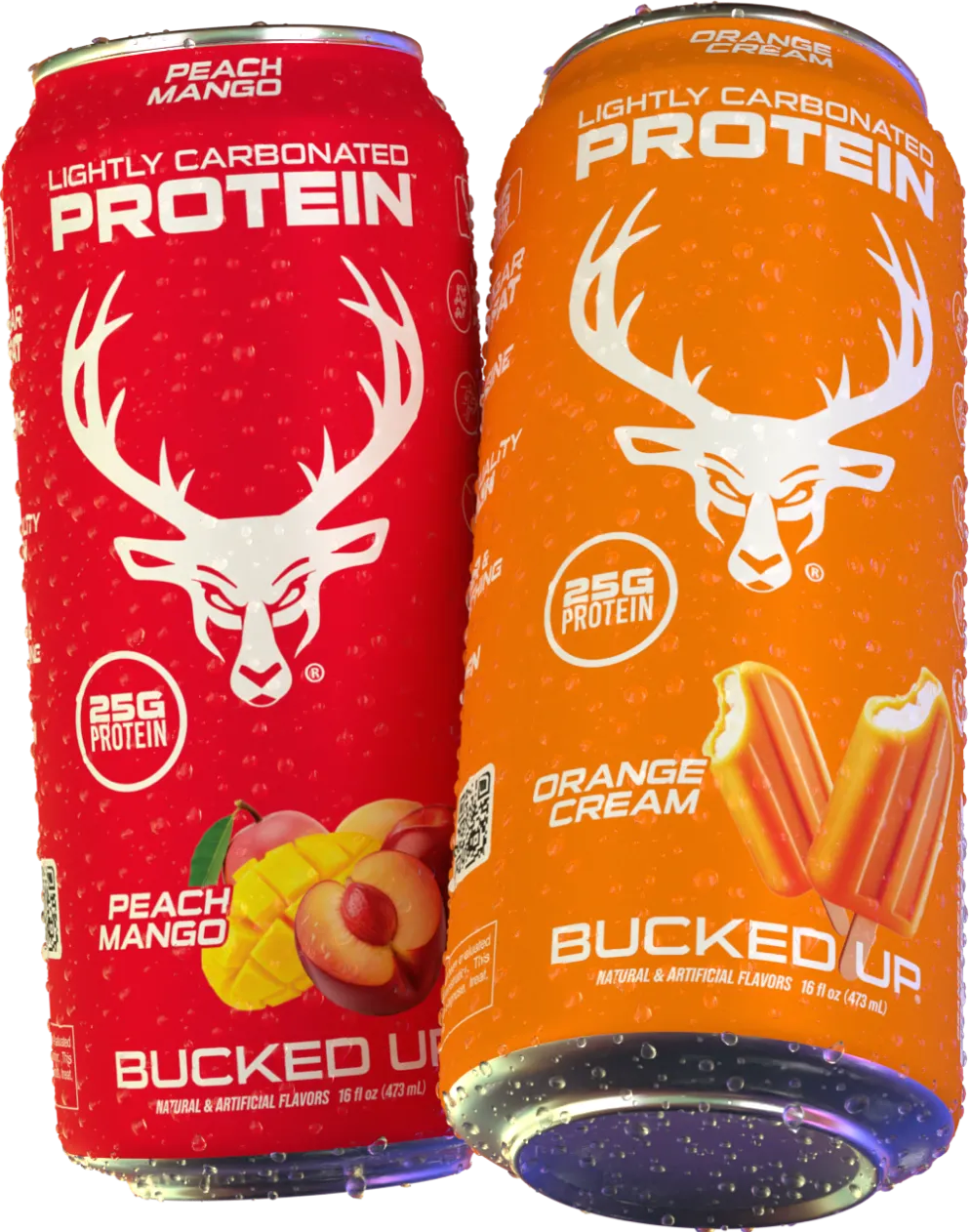
- Bucked Up Protein Soda delivers 25g whey isolate in a refreshing, zero-sugar carbonated drink, so you can shop now for an easy daily protein boost.1
The Problem: 10 Signs You Are Not Getting Enough Protein
Catching protein deficiency symptoms early helps you protect long-term health. These common signs suggest your daily protein intake may fall short of what your body needs.
1. Persistent Fatigue: Low protein disrupts energy metabolism and blood sugar stability, so you can feel sluggish even after a full night of sleep. Protein supports cell repair and energy regulation, which makes fatigue one of the earliest warning signs.
2. Muscle Weakness and Loss: When dietary protein is inadequate, the body breaks down muscle tissue to obtain essential amino acids. Over time this can reduce strength and make daily activities feel harder. European research links low protein intake with higher odds of low handgrip strength across age groups.
3. Constant Hunger and Cravings: Low protein reduces satiety and elevates ghrelin levels, so hunger returns quickly after carb-heavy meals. Protein also plays a central role in appetite regulation and blood sugar balance.
4. Slow Wound Healing: Protein-energy undernutrition can impair wound healing because protein supports tissue repair and collagen production.
5. Frequent Infections: Protein deficiency can weaken immune function by reducing antibody and defense cell production. You may notice more frequent colds or slower recovery from minor illnesses.
6. Hair, Skin, and Nail Problems: Hair thinning, brittle nails, and skin changes can appear when your body produces less keratin and collagen because of low protein intake.
7. Mood Changes and Brain Fog: Low levels of amino acids like tryptophan and tyrosine can reduce serotonin and dopamine production. This shift may show up as poor concentration, irritability, or mental fatigue.
8. Poor Exercise Recovery: Inadequate protein can slow workout recovery and performance. Athletes and active adults may notice prolonged soreness and smaller strength gains.
9. Edema and Swelling: Severe protein deficiency can cause edema, often seen as swelling in the legs, ankles, or feet.
10. Functional Difficulties: Low protein intake increases the odds of difficulty with daily tasks like walking, stooping, shopping, and rising from chairs.
Quick Self-Check: Top 5 Early Red Flags
All 10 signs above matter, but these five often show up first and deserve fast attention.
- Persistent afternoon energy crashes despite adequate sleep
- Muscle weakness or slower recovery after exercise
- Constant cravings for carbs and sugar
- Frequent minor illnesses or slow healing
- Mood swings or difficulty concentrating
How Do I Know If I Am Getting Enough Protein? Federal dietary guidelines now recommend 1.2 to 1.6 grams per kilogram of body weight daily, which equals about 82–110 grams for a 150 lb person. This represents a 50–100% increase from previous minimum recommendations. Two eggs provide about 12 grams, so many adults face a shortfall of 70 grams or more if they rely on small portions of protein.
Why Busy Schedules Make Daily Protein Hard to Hit
Many people understand their protein targets yet still fall short because of daily routines. NHANES data suggests average protein consumption looks adequate on paper, but real life often tells a different story.
Busy adults frequently skip breakfast, grab carb-heavy snacks, and juggle hectic schedules while worrying about calories. These habits can crowd out high-protein foods. For people using GLP-1 medications, experts often suggest 1.6 grams per kilogram to help preserve muscle during calorie restriction.
Traditional protein shakes can feel heavy, take time to prepare, and often have chalky textures that many people dislike. These barriers create a gap between what your body needs and what you can realistically drink or eat each day.
Fast Fix for Protein Gaps: Bucked Up Protein Soda
Bucked Up Protein Soda offers a simple way to raise daily protein intake without adding meal prep. This lightly carbonated, caffeine-free drink delivers 25g of clear whey protein isolate in just 100 calories.
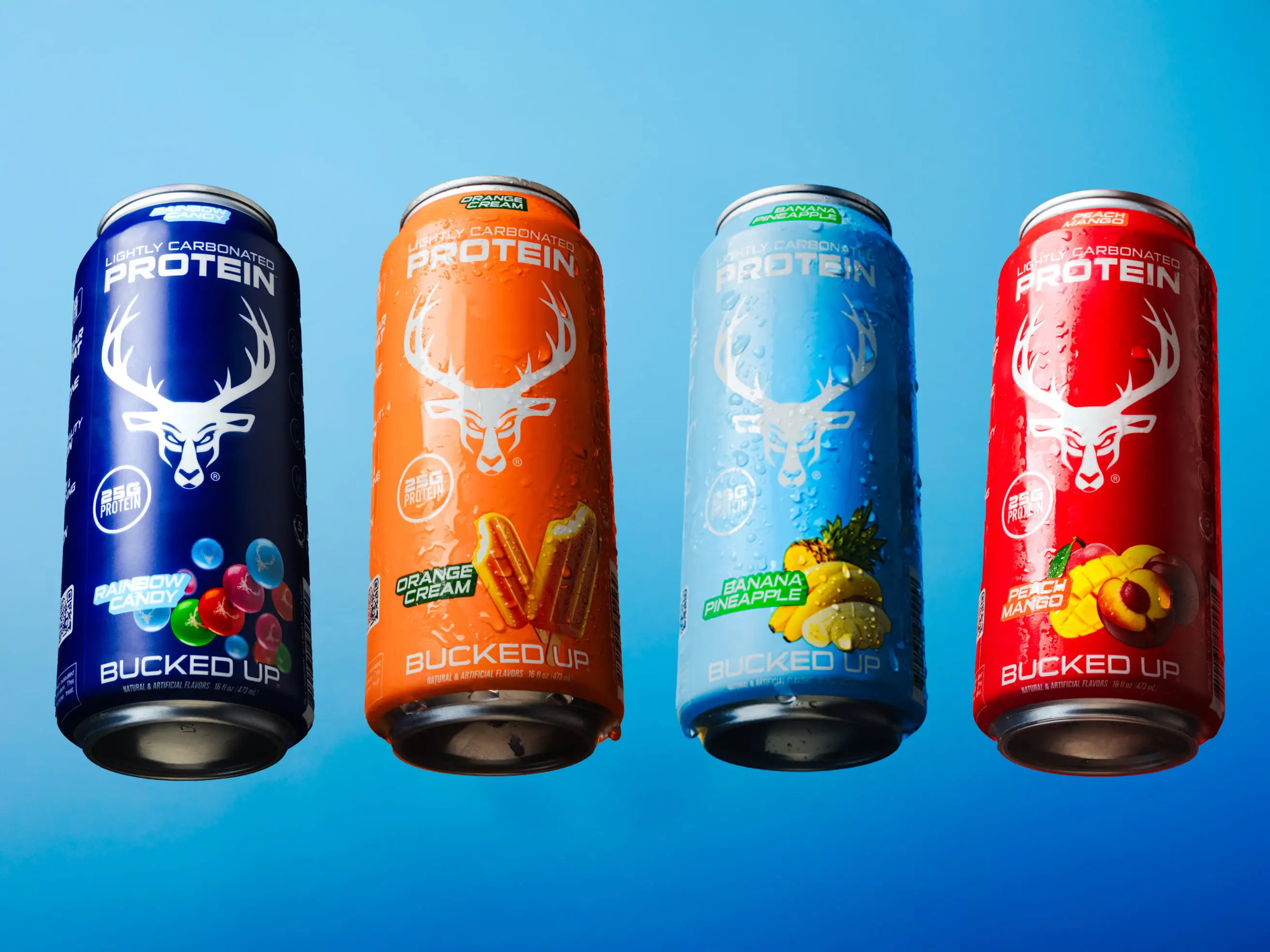
Unlike traditional milky protein drinks, this ready-to-drink option has an energy drink-like taste and a crisp finish. It contains no sugar and no carbs, while avoiding the chalky aftertaste that some clear whey products can have.
Key advantages include:
- Superior Absorption: 100% whey protein isolate, which can absorb faster than concentrate or collagen blends used in some competing products.1
- Anytime Convenience: A caffeine-free formula that fits morning, afternoon, or evening routines.
- Light and Refreshing: A carbonated format that avoids the heaviness of many traditional shakes.
- GMP Manufacturing: Produced in USA facilities that follow Good Manufacturing Practices.
Post-Workout Support for Gym-Goers
The clear whey isolate supplies rapid amino acids that support muscle protein synthesis after training.1 The light, bubbly texture offers a refreshing alternative to thick post-workout shakes.
Midday Protein Boost for Busy Professionals and Parents
Stashing cans at your desk, in your bag, or in the car gives you instant access to protein. This quick option can help ease afternoon energy crashes and carb cravings without cooking or cleanup.1
Muscle Support for GLP-1 Users
The easy-to-drink liquid format supports protein intake when solid foods or heavy shakes feel uncomfortable. Consistent use can help you meet higher protein targets while working toward weight loss goals.1
Customer feedback reflects this experience: “The protein sodas far exceeded my expectations. They taste similar to an energy drink and don’t have any weird aftertaste like some other clear whey protein drinks do.” Another user shared, “I was shocked at how clean and refreshing it tasted while still packing a serious 25g of protein.”
Try Bucked Up Protein Soda to see how carbonated protein can fit into your routine.
Bucked Up Protein Soda Compared to Common Protein Options
Bucked Up can stand out from conventional protein sources through its formulation and grab-and-go format. The most noticeable difference is convenience, because powders require mixing, a shaker, and cleanup, while Bucked Up comes ready to drink.
This convenience extends to how it feels to consume. Compared with traditional RTD shakes like Premier Protein or Fairlife, which can use milk-based formulas that feel heavy, Bucked Up’s clear whey isolate (described earlier) creates a lighter experience. The carbonated format also helps avoid the thick, chalky mouthfeel that many people dislike in standard protein drinks.
Protein bars remain portable, yet they require chewing and slower digestion, which may not fit every situation or appetite. Bucked Up’s energy drink-like taste profile turns protein intake into something that feels more like a treat than a task. The zero sugar and zero carb formulation can also fit keto and other low-carb approaches.
Frequently Asked Questions
How do I know if I am getting enough protein?
Use the updated guidelines mentioned earlier (1.2–1.6g per kg of body weight) as a starting point. Track your intake for several days, including protein from meals, snacks, and drinks. Watch for signs like persistent fatigue, muscle weakness, constant cravings, or slow recovery, and discuss concerns with a healthcare professional.
How is Bucked Up different from other protein drinks?
Bucked Up uses 100% whey protein isolate in a carbonated, crystal-clear format that tastes more like an energy drink than a milky shake. Some competing RTD products can use whey concentrate, milk proteins, or collagen blends. The lightly carbonated delivery creates a smoother, lighter texture and avoids the heavy, chalky feel associated with many traditional protein drinks.
Is it safe for daily use, GLP-1 users, and keto dieters?
Bucked Up Protein Soda is formulated for regular use with zero carbs, zero sugar, and no caffeine. The light liquid format can work well for GLP-1 users who struggle with solid foods or dense shakes. The zero carb profile also fits ketogenic and low-carb dietary patterns. Always consult your healthcare provider if you have medical conditions or specific nutrition questions.
Does it taste like a protein shake?
No, Bucked Up Protein Soda belongs to a different style of protein drink. The carbonated, clear format delivers a crisp, refreshing taste similar to many popular energy drinks, without a milky mouthfeel or chalky residue. This flavor profile can make daily protein intake feel more enjoyable.
Can I use this to replace meals?
Bucked Up Protein Soda supports your daily protein goals but does not function as a complete meal on its own. Use it between meals, after workouts, or any time you need convenient protein. Keep whole foods as the foundation of a balanced eating pattern.
Conclusion: Make Hitting Your Protein Goal Simple
Recognizing signs of low protein is the first step toward better energy, recovery, and overall health. Symptoms like persistent fatigue, muscle weakness, cravings, and slow healing can all point to a protein gap.
Bucked Up Protein Soda offers a practical way to close that gap for busy lifestyles in 2026. Each can delivers 25g of whey protein isolate in a refreshing, carbonated format that fits easily into your day.
Explore Bucked Up Protein Soda today and start making consistent protein intake feel simple and sustainable.
1 The content provided in this article is for informational purposes only and is not medical advice. Consult with a medical professional before implementing any changes to your diet, health, or exercise routines.
Individual results will vary and are based on a combination of each individual’s diet, exercise, age, and health circumstances.
These statements have not been evaluated by the Food and Drug Administration. This product is not intended to diagnose, treat, cure or prevent any disease.
This article was written by Ryan Gardner, CEO of Bucked Up. As the maker of Bucked Up Protein Soda, we have a financial interest in this information. The views expressed are our own and should be read with that context in mind.