Last updated: April 22, 2026
Key Takeaways
- Fasted morning workouts increase muscle breakdown, so you need 20-40g of fast-digesting protein within 30-60 minutes to jump-start muscle protein synthesis.1
- Whey protein isolate works well here because it absorbs quickly and contains plenty of leucine, which outperforms slower proteins like casein for this timing window.1
- Helpful options include Bucked Up Protein Soda, whey isolate powder, eggs, Greek yogurt, canned fish, pea protein, and cottage cheese, which balance convenience with solid nutrition.
- Pair protein with carbs in a 2:1 or 3:1 ratio to refill glycogen and support better recovery after fasted training.1
- Bucked Up Protein Soda offers convenient, zero-sugar, ready-to-drink whey isolate that fits easily into a post-workout routine.
Why Protein Timing Matters After Fasted Morning Workouts
Fasted training puts your body in a catabolic state where muscle protein breakdown outpaces muscle protein synthesis. Studies show that consuming 20-40g of high-quality protein within an hour after exercise spikes muscle protein synthesis, with leucine serving as the key trigger for this anabolic response.1
The leucine threshold becomes especially important after fasted workouts because your depleted state needs a strong anabolic signal to reverse muscle breakdown. Research indicates you need approximately 700-3000mg of leucine per dose to maximally stimulate MPS. Most people reach this range with 20-40g of high-quality protein sources like whey isolate.1
Whey protein isolate offers clear advantages over many other protein types for fasted recovery.1 Whey isolate reaches peak amino acid levels within 30-60 minutes, while casein often peaks 2-3 hours after you consume it. This faster absorption helps when your muscles are primed for nutrients right after a fasted session.1
For strong recovery, experts recommend pairing protein with carbohydrates in a 2:1 or 3:1 ratio. This combination refills glycogen stores and supports better amino acid uptake into muscle tissue.1
7 Protein Options After Fasted Morning Workout
Use absorption speed, protein content, convenience, and digestibility as your main filters when you choose a protein source after a fasted workout.
1. Bucked Up Protein Soda
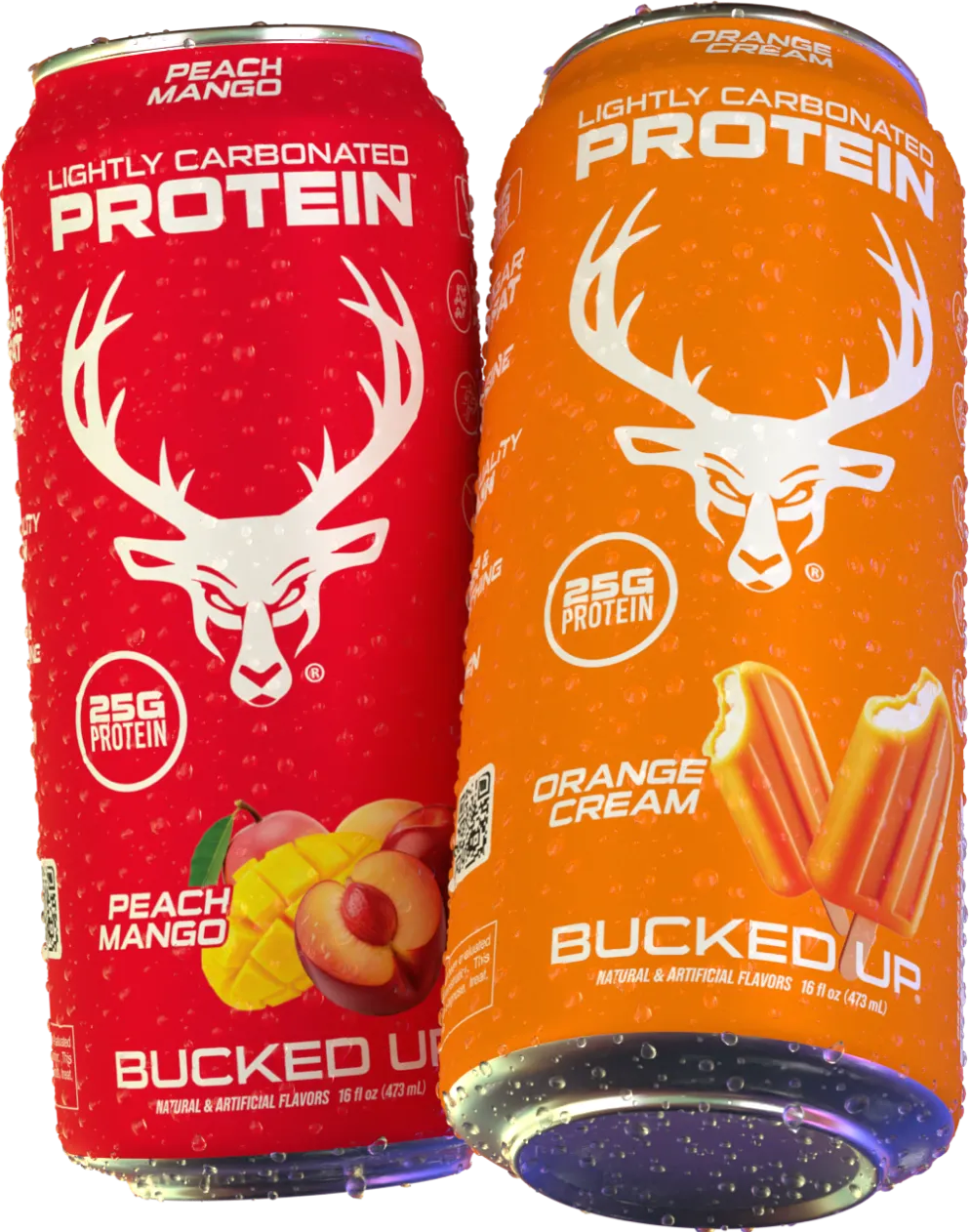
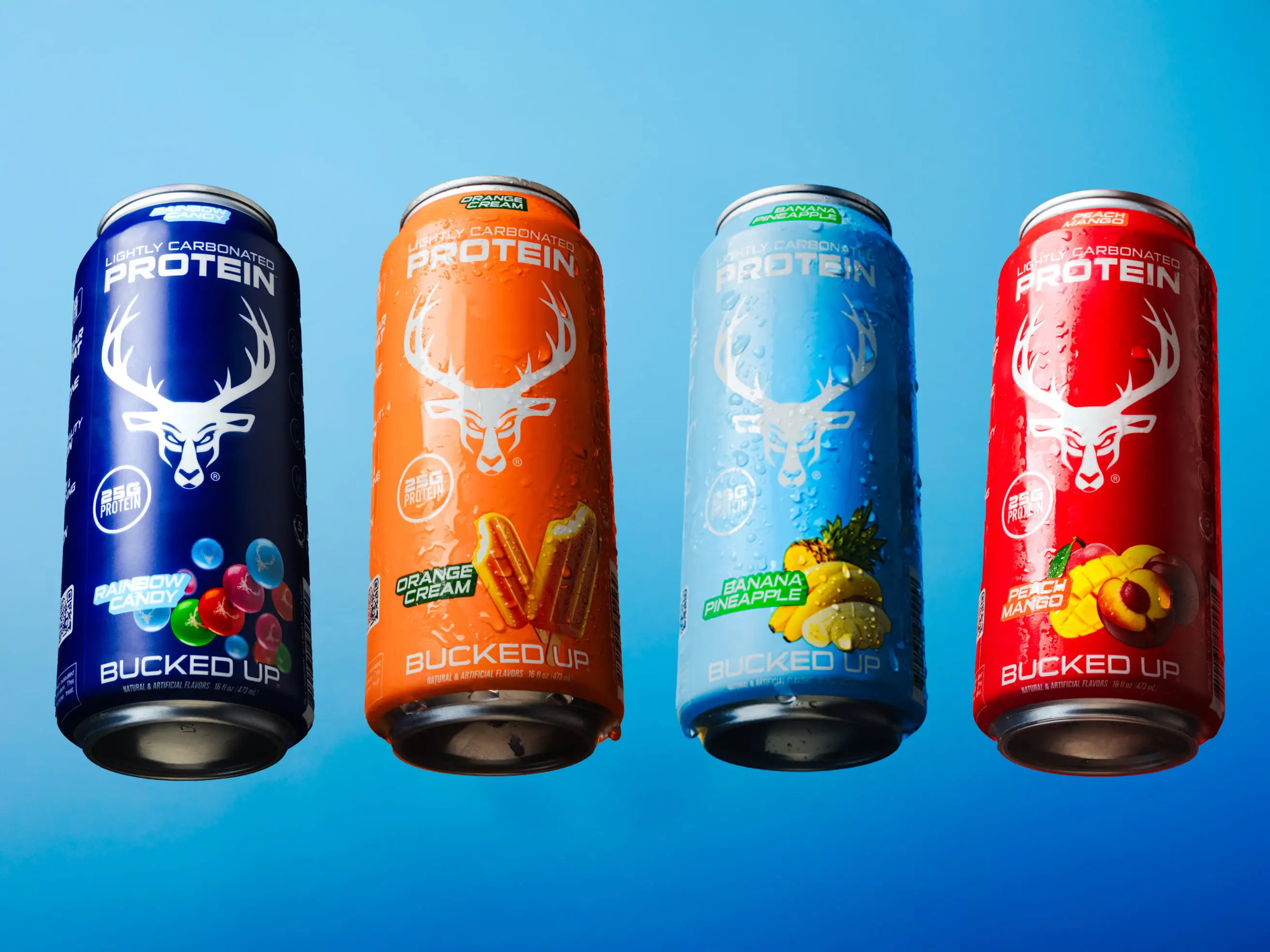
Bucked Up Protein Soda offers a different take on post-workout nutrition by delivering 25g of whey protein isolate in a refreshing, lightly carbonated drink. With only 100 calories, zero sugar, and zero carbs, this ready-to-drink option avoids the heaviness many people feel with traditional shakes while still providing rapid amino acid delivery.1
Pros:
- Ready-to-drink convenience with no mixing or cleanup
- Caffeine-free formula that fits any time of day
- Lightly carbonated format that many users find easier on digestion
- Useful for GLP-1 users focused on appetite control and muscle preservation1
Cons:
- Higher cost per serving than most powder options
Recovery Tip: Chill your Bucked Up Protein Soda and pair it with a banana to cover both protein and fast-acting carbs within 30 minutes after your workout. Try this innovative carbonated protein format to see how it compares to traditional shakes.
2. Whey Protein Isolate Powder
Whey isolate powder remains a reliable option for post-workout recovery. Whey isolate contains minimal lactose and is rapidly absorbed within 1-2 hours, which supports a strong anabolic response after training.1
Pros:
- Cost-effective per serving for regular use
- Flexible dosing and flavor options
- High leucine content that supports MPS activation1
Cons:
- Requires mixing, a shaker, and cleanup
- Can cause bloating for people sensitive to shakes
3. Hard-Boiled Eggs
Hard-boiled eggs provide complete protein with strong bioavailability. Each large egg has about 6g of protein, so 3-4 eggs can work well for post-workout recovery.
Pros:
- Portable and easy to store when prepared ahead of time
- Natural source of leucine and other essential amino acids
- Budget-friendly and easy to find
Cons:
- Digest more slowly than whey isolate
- Need advance preparation and storage
4. Greek Yogurt (Low-Fat)
Low-fat Greek yogurt delivers a high amount of protein per serving and combines both whey and casein for a mix of fast and slower amino acid release.
Pros:
- Contains probiotics that can support gut health
- Provides natural carbohydrates that help replenish glycogen
- Pairs well with fruits or nuts for extra flavor and nutrients
Cons:
- Higher in calories and carbohydrates than many shake options
- May cause issues for people who are lactose-sensitive
5. Canned Tuna or Salmon
Canned tuna or salmon supplies lean protein plus omega-3 fatty acids. A single can usually provides 20-25g of high-quality protein.
Pros:
- Shelf-stable and easy to keep at home or work
- Rich in omega-3s that support anti-inflammatory processes
- Very low in carbohydrates
Cons:
- Digests more slowly than whey isolate
- Strong flavor that some people do not enjoy
6. Plant-Based Pea Protein Shake
Pea protein offers a vegan-friendly option with a solid amino acid profile, although larger servings often help match whey’s leucine content.
Pros:
- Works for vegans and people with dairy allergies
- Generally easy on digestion
- Can be a more environmentally sustainable choice
Cons:
- Lower leucine content than whey
- May work better when combined with other plant proteins
7. Cottage Cheese
Cottage cheese supplies both whey and casein, which gives you a mix of immediate and sustained amino acid release.
Pros:
- High protein content at roughly 25g per cup
- Includes both fast and slow-digesting proteins
- Affordable and easy to find in most stores
Cons:
- Higher sodium content than many other options
- Texture that some people dislike
Now that you have several individual protein choices, you can start combining them with carbohydrates to build complete post-workout meals that support both protein delivery and glycogen replenishment.
What to Eat After a Fasted Morning Workout
The ideal post-fasted workout meal pairs a fast-digesting protein source with moderate carbohydrates to support recovery. Beyond the immediate post-workout window, research supports consuming protein regularly every 3-4 hours to sustain muscle growth and recovery, with the post-workout meal playing a key role after fasted training.
Athletic trainers recommend at least 15-25 grams of protein within 2 hours after exercise to stimulate muscle growth and repair. For fasted workouts, aim toward the higher end of that range because your body starts from a more catabolic state.1
The most practical approach blends convenience with solid nutrition. Bucked Up Protein Soda offers a ready-to-drink option with rapidly absorbed whey isolate and avoids the prep time and heaviness of many traditional shakes. Get ready-to-drink whey isolate that eliminates prep time and bloating.
High Protein Meal Ideas After a Morning Workout
If you prefer whole foods or mixed options, these simple combinations support recovery after a fasted session.
Quick Recovery Bowl: Pair Bucked Up Protein Soda with a medium banana and a handful of berries for complete amino acid coverage plus fast-acting carbohydrates.
Protein-Packed Smoothie: Blend Greek yogurt, berries, and a scoop of whey isolate for 35-40g of protein with natural carbs and a creamy texture.
Savory Option: A three-egg omelet with spinach and a slice of whole grain toast delivers complete amino acids and steady energy.
GLP-1 Friendly: Bucked Up Protein Soda with a small apple offers easy digestion and can work well for people managing appetite with medications.
On-the-Go Solution: Pre-cooked chicken breast with a banana provides substantial protein and quick carbohydrates for busy mornings.
Frequently Asked Questions
What is the best protein after fasted cardio for muscle gain?
Whey protein isolate can be a strong choice after fasted cardio because it absorbs quickly and contains plenty of leucine. The fast digestion helps shift your body from a catabolic state to an anabolic one, and leucine acts as a primary trigger for muscle protein synthesis. Aim for 20-30g within 30-60 minutes after your workout for solid support.1
How soon should I consume protein after a fasted morning workout?
A practical timing window is 30-60 minutes after your workout, although muscles stay responsive to protein for several hours. After fasted training, earlier intake often works better because your body has gone longer without nutrients. Aim for 20-40g of high-quality protein to support muscle protein synthesis and limit further breakdown.
What is the difference between whey isolate and concentrate for post-workout recovery?
Whey isolate goes through more processing, which raises its protein content to about 90% or more compared with 25% to 89.9% protein in concentrate. This process also speeds up absorption and reduces lactose. These traits make isolate a useful option for immediate post-workout recovery, especially after fasted training when rapid amino acid delivery matters.1 Isolate can also feel easier on digestion for people who are sensitive to lactose.
Is it safe to consume protein supplements daily after morning workouts?
Daily protein supplementation is generally considered safe for healthy individuals when it fits into a balanced diet.1 High-quality supplements produced in GMP-certified facilities in the USA follow strict quality standards. Whole foods should still provide most of your protein, while supplements can help with convenience and timing. Speak with a healthcare professional if you need guidance tailored to your health status.
Are carbonated protein drinks suitable for people on GLP-1 medications?
Carbonated protein drinks like Bucked Up Protein Soda can work well for many GLP-1 users who experience reduced appetite or struggle with solid foods. The light, refreshing format with easily absorbed protein helps support muscle mass while keeping calories controlled.1 The zero sugar and low calorie content can also align with common weight management goals for people using GLP-1 medications.
Conclusion
Choosing protein after a fasted morning workout comes down to absorption speed, convenience, and how your stomach feels after you drink or eat. Traditional options like whey powder and whole foods still support recovery, while newer choices like Bucked Up Protein Soda address fasted training needs with rapid-absorbing whey isolate in a convenient, carbonated format.
Consistent protein intake within the right timing window makes the biggest difference. Whether you reach for a shake, a whole-food meal, or a carbonated protein drink, focusing on 20-30g of high-quality protein within 30-60 minutes after your workout can support your training progress and long-term fitness goals.1
Ready to upgrade your post-workout routine? Experience carbonated whey isolate designed for modern athletes who value both convenience and results.
1 The content provided in this article is for informational purposes only and is not medical advice. Consult with a medical professional before implementing any changes to your diet, health, or exercise routines.
Individual results will vary and are based on a combination of each individual’s diet, exercise, age, and health circumstances.
These statements have not been evaluated by the Food and Drug Administration. This product is not intended to diagnose, treat, cure or prevent any disease.
This article was written by Ryan Gardner, CEO of Bucked Up. As the maker of Bucked Up Protein Soda, we have a financial interest in this information. The views expressed are our own and should be read with that context in mind.