Last updated: April 22, 2026
Key Takeaways
- The strict 30-minute anabolic window is a myth. Muscle protein synthesis stays elevated for 4 to 12+ hours post-workout, so total daily protein intake matters most.
- For muscle gain, a practical target is 20 to 40g whey isolate within 30 to 60 minutes after resistance training, with flexibility up to 2 to 3 hours.
- For weight loss, post-workout protein within 30 to 60 minutes helps preserve lean muscle in a caloric deficit. GLP-1 users benefit from higher daily protein and often do better with liquid sources.
- Workout type affects timing. Fasted training calls for immediate protein, while endurance sessions benefit from carbs plus protein. Whey isolate digests quickly and supports muscle protein synthesis.1
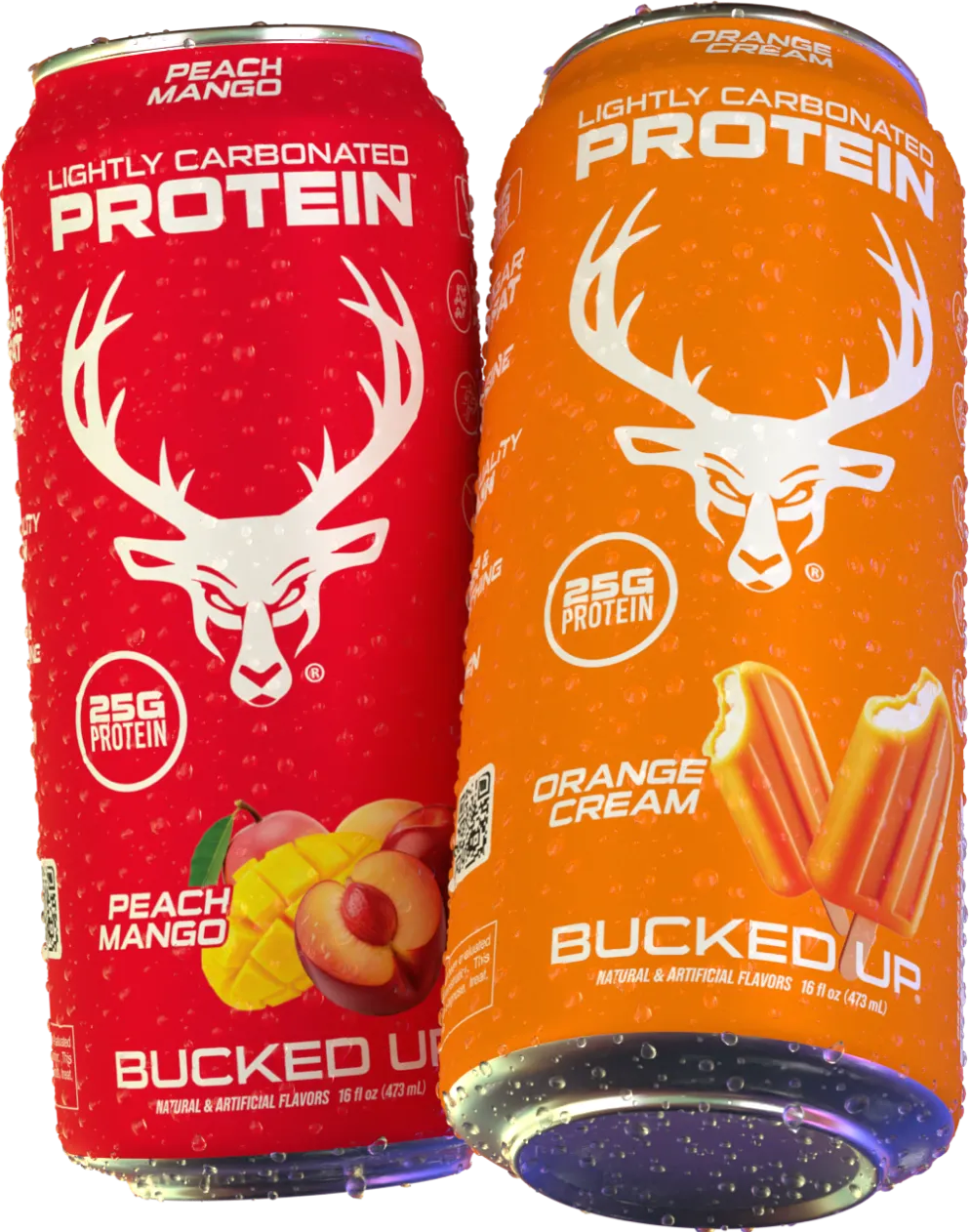
- Bucked Up Protein Soda offers convenient post-workout recovery with 25g whey isolate in a zero-sugar, 100-calorie can.1
How Research Redefines the Anabolic Window
Recent research challenges the old belief that you must drink protein within 30 minutes after training. A 2018 review by Aragon and Schoenfeld in the Journal of Orthopaedic & Sports Physical Therapy reported that the anabolic window likely spans four to six hours rather than 30 to 60 minutes. A December 2023 study from Maastricht University found that the anabolic response to protein ingestion after resistance exercise continued for more than 12 hours.
Across these studies, total daily protein intake emerges as the main driver of muscle growth. When daily protein is sufficient, the added benefit of very precise timing becomes smaller.
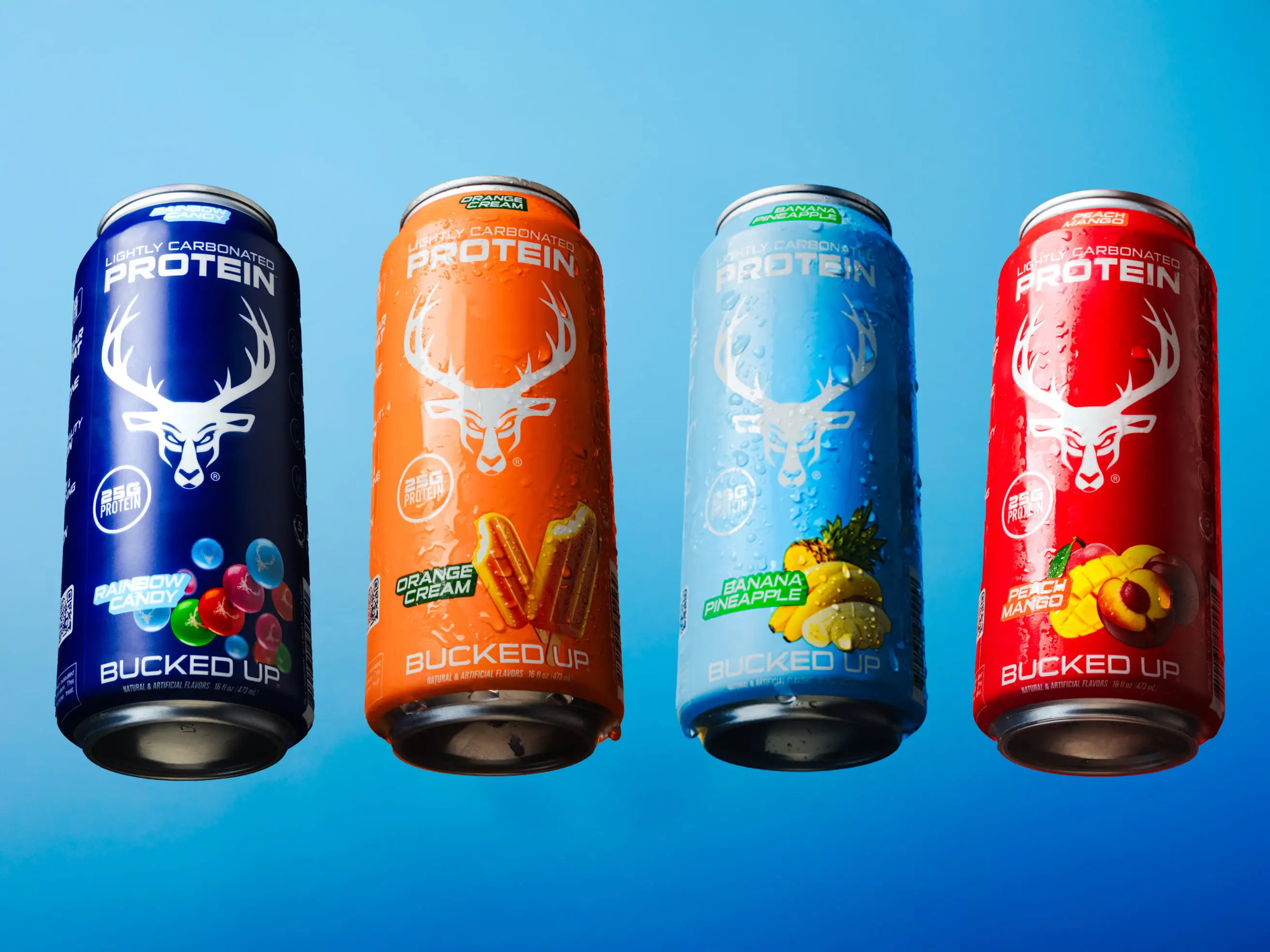
This wider window gives you flexibility. You can enjoy a product like Bucked Up Protein Soda in a refreshing, carbonated format at any point within this extended post-workout period.
Post-Workout Timing for Muscle Gain
Building muscle still benefits from smart post-resistance training timing, even with a more forgiving window. The International Society of Sports Nutrition (ISSN) recommends fast-digesting protein such as whey isolate after lifting.
The 30 to 60 minute window offers peak activation of muscle protein synthesis for many lifters. At the same time, research shows that muscles remain primed for nutrient uptake for hours after training, so you retain useful flexibility. Bucked Up whey protein isolate digests quickly compared with many concentrate forms, which supports efficient post-workout recovery.1
For muscle gain, aim for enough total protein each day, then spread that intake across meals every 3 to 4 hours. Muscle protein synthesis drops when you go too long without amino acids, so this steady pattern helps keep the signal elevated throughout the day.
Protein Timing During Weight Loss and Cutting Phases
During weight loss, protein timing plays a bigger role in preserving lean muscle. A caloric deficit increases the risk of muscle breakdown along with fat loss, so higher daily protein intake becomes helpful. Post-workout protein within 30 to 60 minutes sends a strong signal to protect muscle tissue.
Bucked Up Protein Soda fits these phases with only 100 calories per serving while providing 25g of high-quality whey isolate. This balance helps you hit protein targets without pushing you far out of your deficit.1 The carbonated, refreshing format can also support satiety and replace higher-calorie drinks in your routine.1
| Timing by User Goal | Optimal Window | Protein Amount | Notes/Source |
|---|---|---|---|
| Muscle Gain | 30-60 min | 20-40g whey | ISSN 2017 |
| Weight Loss/Preservation | 30-60 min (up to 2 hrs) | 20-40g | Higher protein intake for muscle preservation |
| GLP-1 Users | 30-60 min post-strength | 25-40g liquid | Protein helps limit lean mass loss |
Use Bucked Up Protein Soda as a low-calorie recovery option that supports weight loss goals while helping preserve muscle.1
GLP-1 Users: Protecting Muscle While Appetite Drops
People using GLP-1 receptor agonists such as Ozempic, Wegovy, or Mounjaro often struggle to eat enough protein. Reduced appetite and difficulty with solid foods can make it hard to maintain lean mass. Without adequate protein, a notable share of total weight loss can come from muscle instead of fat, so post-workout protein timing gains importance.
Endocrine specialists recommend 1.2 to 1.6 grams of protein per kg body weight daily for GLP-1 users, with protein consumed within 30 to 60 minutes after strength training. The same timing window used for general weight loss applies here, but liquid protein sources become especially useful when appetite is low.
The light, carbonated format of Bucked Up Protein Soda can replace regular sodas while helping GLP-1 users reach their protein targets. This flexible timing foundation sets up the broader question of how long the post-workout window really stays open.
How Late Is Still Effective? The 2-Hour Rule
The 2-hour rule gives a practical upper limit for many lifters while still allowing flexibility. Fasted trainees are advised to refuel immediately with 20 to 40 grams of protein, while those who ate a protein-rich meal before training can wait up to two hours after the workout.
Research shows that muscle protein synthesis stays elevated for a long period after resistance training, so the useful window stretches well beyond the old 30-minute guideline. The 30 to 60 minute mark still offers a strong response, but you do not lose all benefit if you fall closer to the 2-hour point.
The portable can format of Bucked Up Protein Soda makes it simple to stay within this flexible window. You can drink it on the way to your next commitment or once you get home from the gym. This general rule then shifts slightly based on the type of workout you completed.
Adjusting Protein Timing by Workout Type
Different training styles place different demands on post-workout nutrition. Endurance sessions deplete glycogen, so the American College of Sports Medicine recommends prioritizing carbohydrates paired with protein after these workouts.
Resistance training places the highest demand on protein. Muscle protein synthesis stays elevated for at least 24 hours after lifting, with the strongest response in the first several hours. That early period is where a 20 to 40g serving of high-quality protein can have the greatest impact.
| Optimal Protein Timing by Workout Type | Window | Amount/Ratio | Source |
|---|---|---|---|
| Resistance | 30-60 min | 20-40g | ISSN position stand |
| Endurance | 30-60 min | Carbs with protein | ACSM |
| Fasted | Immediate | 20-40g | Beadle RDN |
Why Whey Isolate and Dose Shape Your Results
The type and amount of protein you choose after training influence absorption and muscle protein synthesis. Ingestion of 20 to 25g of high-quality protein, such as whey or egg protein, can maximize postprandial muscle protein synthesis rates for up to 4 to 6 hours.
Whey protein isolate offers specific advantages over many concentrate forms. It contains a higher percentage of protein and less lactose and fat, which supports faster digestion.1 Beyond the absorption speed mentioned earlier, isolate often provides 90% or more protein by weight compared with about 70 to 80% in many concentrates, so you get more muscle-building amino acids per calorie.1
Bucked Up Protein Soda uses 100% whey protein isolate. Collagen can support joints, nails, and hair, but it does not supply a complete amino acid profile for muscle protein synthesis in the same way whey isolate does.
The clear, carbonated format of Bucked Up removes the chalky texture and heavy mouthfeel that many traditional shakes have. That lighter feel can make it easier to drink immediately after a hard workout when your appetite is low.
Frequently Asked Questions
What is the 2 hour protein rule?
The 2-hour protein rule describes a realistic window for post-workout protein intake. Immediate intake within 30 to 60 minutes still gives a strong response, yet research indicates that consuming protein up to about 2 hours after training can continue to support muscle protein synthesis, especially if you ate protein before your workout. Hitting your total daily protein target remains more important than stressing over the exact minute.
Can you drink protein shakes on GLP-1?
People on GLP-1 medications such as Ozempic or Wegovy can benefit from protein shakes. Liquid protein is often easier to tolerate when appetite drops or solid foods feel uncomfortable. Adequate protein intake helps reduce lean mass loss that can occur with GLP-1 therapy. Light, carbonated options like Bucked Up Protein Soda may feel less heavy than thick shakes while still contributing meaningful protein.
When should I drink my protein shake after working out?
A practical target is to drink your protein shake within 30 to 60 minutes after working out, with flexibility up to 2 to 3 hours based on your pre-workout meal. If you trained fasted, drink protein as soon as possible. If you had a protein-rich meal before training, you can comfortably wait closer to 2 hours. Aim for 20 to 40g of high-quality protein such as whey isolate during this window.
Best time to drink protein after workout for muscle gain?
For muscle gain, drink 20 to 40g of fast-digesting protein like whey isolate within 30 to 60 minutes after lifting. This timing lines up with peak activation of muscle protein synthesis in the early post-workout period.1 Over the long term, consistently reaching your daily protein target and spreading intake across meals every 3 to 4 hours matters more than hitting a precise minute mark.
How much protein do I need if I’m trying to lose weight?
Protein needs often rise during weight loss because your body is in a caloric deficit. Higher daily protein intake helps preserve muscle while you lose fat. Post-workout protein within 30 to 60 minutes becomes a useful tool during these phases, since it reinforces the signal to maintain lean mass while your overall calories stay lower.
Conclusion: Turn Timing Into a Simple Habit
The most effective time to drink protein after a workout is within 30 to 60 minutes, with a useful window that can extend up to 2 to 3 hours depending on your pre-workout nutrition and goals. Aim for 20 to 40g of high-quality whey isolate and keep your total daily protein intake high enough to support muscle gain or muscle preservation during weight loss.
For a convenient, refreshing alternative to traditional protein shakes, try Bucked Up Protein Soda. Each can provides 25g of whey isolate in a lightly carbonated, zero-sugar format that can make hitting your protein targets feel easier and more enjoyable.
1 The content provided in this article is for informational purposes only and is not medical advice. Consult with a medical professional before implementing any changes to your diet, health, or exercise routines.
Individual results will vary and are based on a combination of each individual’s diet, exercise, age, and health circumstances.
These statements have not been evaluated by the Food and Drug Administration. This product is not intended to diagnose, treat, cure or prevent any disease.
This article was written by Ryan Gardner, CEO of Bucked Up. As the maker of Bucked Up Protein Soda, we have a financial interest in this information. The views expressed are our own and should be read with that context in mind.