Last updated: April 22, 2026
Key Takeaways
- Natural bodybuilders benefit from protein timing because muscle protein synthesis stays elevated for 3-6 hours at a time.
- Aim for 0.7-1g protein per pound of body weight daily, split into 3-5 meals with 30-40g high-quality protein every 3-4 hours.
- Prioritize protein at three key times: within 1-2 hours post-workout, at breakfast after your overnight fast, and 40g before sleep.
- Eating protein every 3 hours supports repeated muscle protein synthesis spikes and helps natural lifters avoid long low-protein gaps.
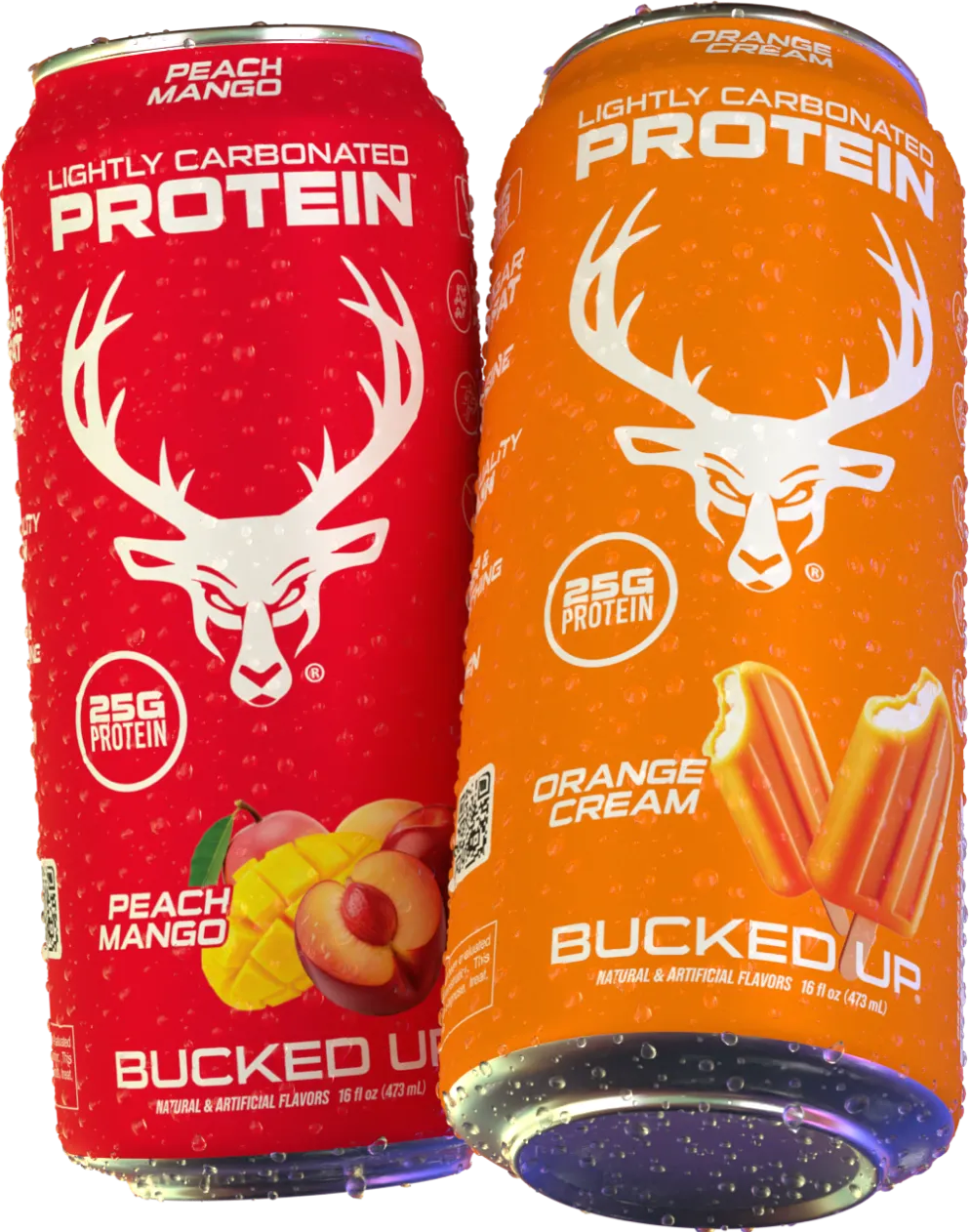
- Make timing easier with Bucked Up Protein Soda, which delivers 25g whey isolate in a refreshing, zero-sugar drink that fits busy schedules.
How Protein Timing Supports Natural Muscle Growth
Protein timing matters for natural bodybuilders because their bodies rely fully on nutrition and training to drive growth. Protein ingestion elevates muscle protein synthesis rates for approximately 3-6 hours, creating clear windows when your muscles respond strongly to amino acids. Enhanced athletes can maintain higher anabolic activity through pharmaceutical support, so timing plays a different role for them.
Natural lifters need to work with these shorter windows. The Bodybuilding Dietitians recommend approximately 0.4-0.55 grams of HBV protein per kg body weight per meal, which usually equals 30-40 grams for many adults. This amount helps each meal meaningfully stimulate muscle protein synthesis and sets up a pattern of regular, effective feedings.
The key difference between natural and enhanced athletes lies in how long and how strongly muscle protein synthesis stays elevated. Natural bodybuilders experience shorter, more defined peaks. Precise timing supports those peaks and helps recovery between sessions.
Five Practical Protein Timing Rules for Natural Lifters
Use these evidence-based rules to support muscle gain as a natural bodybuilder.
1. Target 0.7-1g/lb total daily protein intake
A daily protein intake of 1.4-2.0 grams per kilogram of body weight supports muscle growth, recovery, and lean mass retention for most resistance-trained individuals. For a 180-pound lifter, that equals roughly 126-180 grams of protein per day.
2. Eat 0.4-0.55g/kg of HBV protein per meal every 3-4 hours
Spreading protein intake across 3-5 meals supports repeated stimulation of muscle protein synthesis. This pattern keeps anabolic signaling active across the day instead of concentrating most protein into one or two large meals.
3. Take post-workout protein within 1-2 hours
Resistance exercise enhances the sensitivity of muscle to the protein synthetic response of ingested protein for at least 24 hours. Post-workout timing still matters, but you have a wider window than the old 30-minute rule suggests.
4. Use 40-48g pre-sleep protein
Pre-sleep casein ingestion (40-48g) enhances overnight myofibrillar protein synthesis rates and augments strength gains during training interventions. A solid pre-sleep dose supports recovery while you sleep.
5. Front-load your day with breakfast protein
Most meals require roughly 2-3 grams of leucine to maximize the muscle protein synthesis anabolic response. A high-protein breakfast after an overnight fast helps you hit that leucine threshold and kick-starts muscle protein synthesis for the day.
Why Natural Bodybuilders Often Eat Every 3 Hours
These five rules create a pattern of regular feedings, and a 3-hour rhythm appears often in that pattern. This rhythm connects directly to how muscle protein synthesis behaves in natural lifters.
The 3-hour eating schedule comes from muscle protein synthesis research. As mentioned earlier, the 3-6 hour MPS window creates natural timing opportunities. Natural bodybuilders can plan the next protein dose as the previous meal’s anabolic effect starts to decline.
This strategy matters because the muscle full effect describes how amino acids stimulate muscle protein synthesis for approximately 90-120 minutes after a 45-90 minute post-ingestion lag, followed by a refractory period. Smart spacing helps you avoid long stretches where muscles sit in that refractory state without fresh protein.
| Time | Protein (g) | Source | Benefit |
|---|---|---|---|
| 7:00 AM | 35 | Eggs + Greek yogurt | Break overnight fast |
| 10:00 AM | 25 | Protein soda | Maintain MPS |
| 1:00 PM | 40 | Chicken + quinoa | Midday anabolic boost |
| 4:00 PM | 25 | Protein soda | Pre-workout fuel |
Sample spacing for a 180lb natural bodybuilder based on Bodybuilding Dietitians recommendations
Timing Protein Around Your Workout
Workout timing gives you some flexibility while still rewarding smart planning. The post-exercise anabolic window during which muscles respond to protein intake extends 5-6 hours or longer after resistance training, so you do not need to rush a shake immediately after your last set.
For pre-workout timing, eat protein 1-2 hours before training so amino acids are available during your session. Post-workout, you can take protein any time within several hours, and consuming protein around workouts supports muscle recovery, stimulates muscle protein synthesis, and reduces muscle breakdown in resistance-trained individuals.
Bucked Up Protein Soda fits well here for lifters who want something light and quick. With 25 grams of rapidly absorbed whey protein isolate and 100 calories, it supports post-workout recovery without the heavy feel of thick shakes.1 The zero sugar, zero carb, caffeine-free formula works at any time of day, and the carbonated texture makes it feel more like a drink you enjoy than a chore.
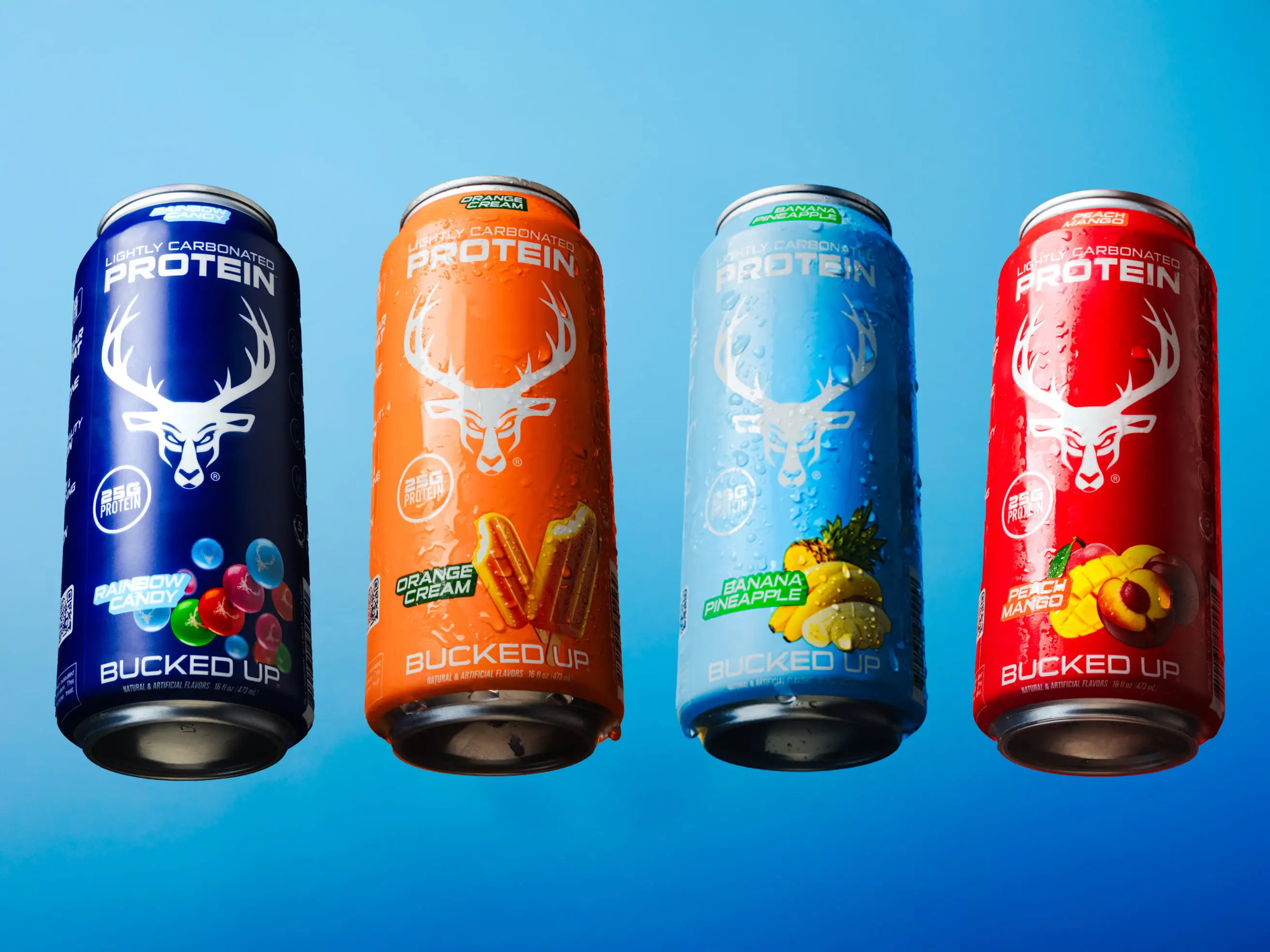
Customer feedback often highlights this experience: “The protein sodas far exceeded my expectations. They taste similar to an energy drink and don’t have any weird aftertaste like some other clear whey protein drinks do.” You can try Bucked Up Protein Soda yourself to see how it fits your own routine.
Pre-Sleep Protein and Evening Options
Pre-sleep protein gives natural bodybuilders another chance to support recovery. A randomized controlled trial found significant improvements in countermovement jump performance and RAST variables with 40g casein protein pre-sleep in highly trained soccer players.
The effective range usually falls between 30-40 grams of slow-digesting protein taken 30-60 minutes before bed. Casein often serves as the standard choice for this role. Whey protein isolate, like the protein in Bucked Up Protein Soda, can still work well in the evening when you want a lighter option that avoids caffeine.
Bucked Up’s whey protein isolate offers a high-purity source that supports digestion and absorption during overnight recovery, especially for lifters who prefer a drink instead of a heavier food-based snack.1
Sample 24-Hour Protein Schedule for a 180lb Natural Bodybuilder
This sample schedule shows how a 180-pound natural bodybuilder targeting 160 grams of protein can space intake across the day. Notice the 3-hour spacing, higher doses at breakfast and lunch, and convenient ready-to-drink options between whole-food meals.
| Time | Meal | Protein (g) | Product/Source |
|---|---|---|---|
| 7:00 AM | Breakfast | 35 | 3 eggs + Greek yogurt (400 cal) |
| 10:00 AM | Mid-morning | 25 | Bucked Up Protein Soda (100 cal) |
| 1:00 PM | Lunch | 40 | 6oz chicken breast + quinoa (450 cal) |
| 4:00 PM | Pre-workout | 25 | Bucked Up Protein Soda (100 cal) |
| 7:00 PM | Dinner | 35 | Salmon + sweet potato (500 cal) |
This layout keeps protein coming every few hours and uses ready-to-drink cans when cooking or meal prep feels less realistic. The carbonated format of Bucked Up Protein Soda offers a lighter, more refreshing option than thick shakes, which can make long-term adherence easier.
How Bucked Up Protein Soda Supports Natural Protein Timing
Bucked Up Protein Soda helps natural bodybuilders handle the practical side of frequent protein feedings. Many ready-to-drink shakes feel heavy and milk-based, which can make a 3-hour schedule uncomfortable. Bucked Up’s lightly carbonated format feels crisp and refreshing, with zero sugar and zero carbs for lifters who track macros closely.
Each can contains 25 grams of whey protein isolate, which supports rapid digestion and absorption.1 The grab-and-go design helps you stay consistent with timing on busy workdays, travel days, or long training blocks.
Bringing Your Protein Timing Plan Together
Effective protein timing for natural bodybuilding combines science-based windows with a schedule you can follow daily. Aim for 1.6-2.2g/kg total protein, spread intake every 3-4 hours, include a post-workout serving within 1-2 hours, and finish the day with a solid pre-sleep dose.
Consistency and convenience keep this plan sustainable. Bucked Up Protein Soda turns several of those feedings into a quick, enjoyable drink, providing 25 grams of rapidly absorbed whey protein isolate in a light, carbonated format that fits work, training, and travel.1 You can use it to support your own timing strategy and keep your protein schedule on track.
Frequently Asked Questions
Is 10pm too late for a protein shake?
Ten at night does not count as too late for protein, especially for natural bodybuilders. Pre-sleep protein taken 30-60 minutes before bed can enhance overnight muscle protein synthesis and support recovery. Slower-digesting options like casein often work well, and caffeine-free whey protein isolate can also help. Bucked Up Protein Soda uses a caffeine-free formula, so you can drink it in the evening while still getting 25 grams of protein for overnight repair.1
Is protein timing a myth for natural bodybuilders?
Protein timing is not a myth for natural bodybuilders, although total daily intake remains the main driver of muscle growth. Strategic timing adds an extra edge for lifters who do not have pharmaceutical support. Research shows that protein ingestion elevates muscle protein synthesis for several hours, and natural bodybuilders can use smart spacing to take advantage of that window. Timing works best once your daily protein target is already in place.
How much protein can your body actually use in one meal?
Research has challenged the idea that the body can only use 20-30 grams of protein per meal. For most natural bodybuilding goals, 30-40 grams per meal provides a practical target. This range usually supplies 2-3 grams of leucine, which supports the anabolic response, while still allowing you to spread protein across the day.
What is the difference between whey isolate and whey concentrate for timing?
Whey protein isolate offers several timing advantages compared to whey concentrate.1 Isolate goes through more processing to remove lactose, fat, and carbohydrates, which creates a purer protein source, often around 90 percent protein versus 70-80 percent in many concentrates.1 This higher purity supports faster absorption, which suits post-workout timing when you want quick amino acid delivery.1 Isolate also tends to digest more easily and may cause less bloating, which helps when you drink protein several times per day.1
Should natural bodybuilders eat protein every 3 hours even on rest days?
Natural bodybuilders benefit from consistent protein timing on rest days as well as training days. Muscle protein synthesis can stay elevated for 24-72 hours after resistance training, so recovery continues long after you leave the gym. Keeping protein intake every 3-4 hours on rest days supports that ongoing repair and helps maintain momentum from previous workouts. Regular timing also builds habits and keeps amino acid availability steady for continuous recovery and growth.
1 The content provided in this article is for informational purposes only and is not medical advice. Consult with a medical professional before implementing any changes to your diet, health, or exercise routines.
Individual results will vary and are based on a combination of each individual’s diet, exercise, age, and health circumstances.
These statements have not been evaluated by the Food and Drug Administration. This product is not intended to diagnose, treat, cure or prevent any disease.
This article was written by Ryan Gardner, CEO of Bucked Up. As the maker of Bucked Up Protein Soda, we have a financial interest in this information. The views expressed are our own and should be read with that context in mind.