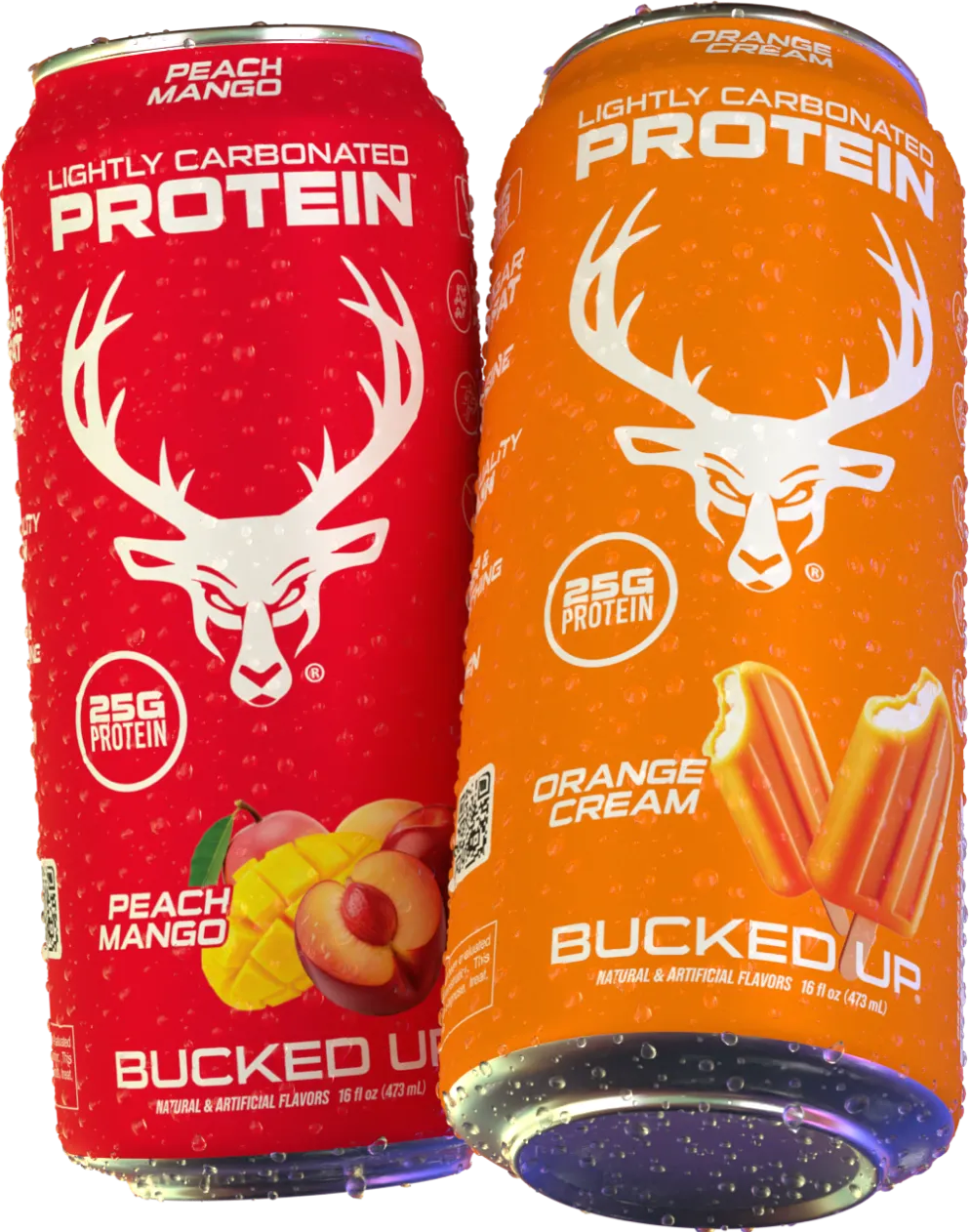
Last updated: April 22, 2026
Key Takeaways for Hitting Your Protein Goals
- Active individuals often need more protein than they realize. Many sports nutrition experts recommend 1.6–2.2 grams of protein per kg of body weight per day for muscle recovery and growth, which usually exceeds typical intake.1[1]
- Spreading protein into 20–40 gram servings every 3–4 hours supports muscle protein synthesis throughout the day, even with a packed schedule.1[2]
- Portable options such as ready-to-drink protein sodas, jerky pouches, and pre-portioned dairy help prevent long gaps that can increase hunger and muscle loss.1
- People using GLP-1 medications often do better with light, liquid protein sources that are easier to tolerate and can help reduce sarcopenia risk during appetite suppression.1
- A refreshing protein soda that delivers 25 grams of whey isolate with zero sugar, like Bucked Up Protein Soda, can simplify on-the-go recovery and daily protein coverage.1
12 Actionable Protein Packing Strategies for Real Life
1. Fill Your Fridge with Ready-to-Drink Protein Sodas
Ready-to-drink protein sodas give you instant protein with no mixing, measuring, or cleanup. Whey protein isolate absorbs rapidly within the first few hours after exercise, so a cold, carbonated drink works well when you want fast delivery.1 Taste and texture matter for consistency, and a clear, energy drink-style option with a zero-carb profile can feel lighter than traditional milky shakes, which often discourage regular use.
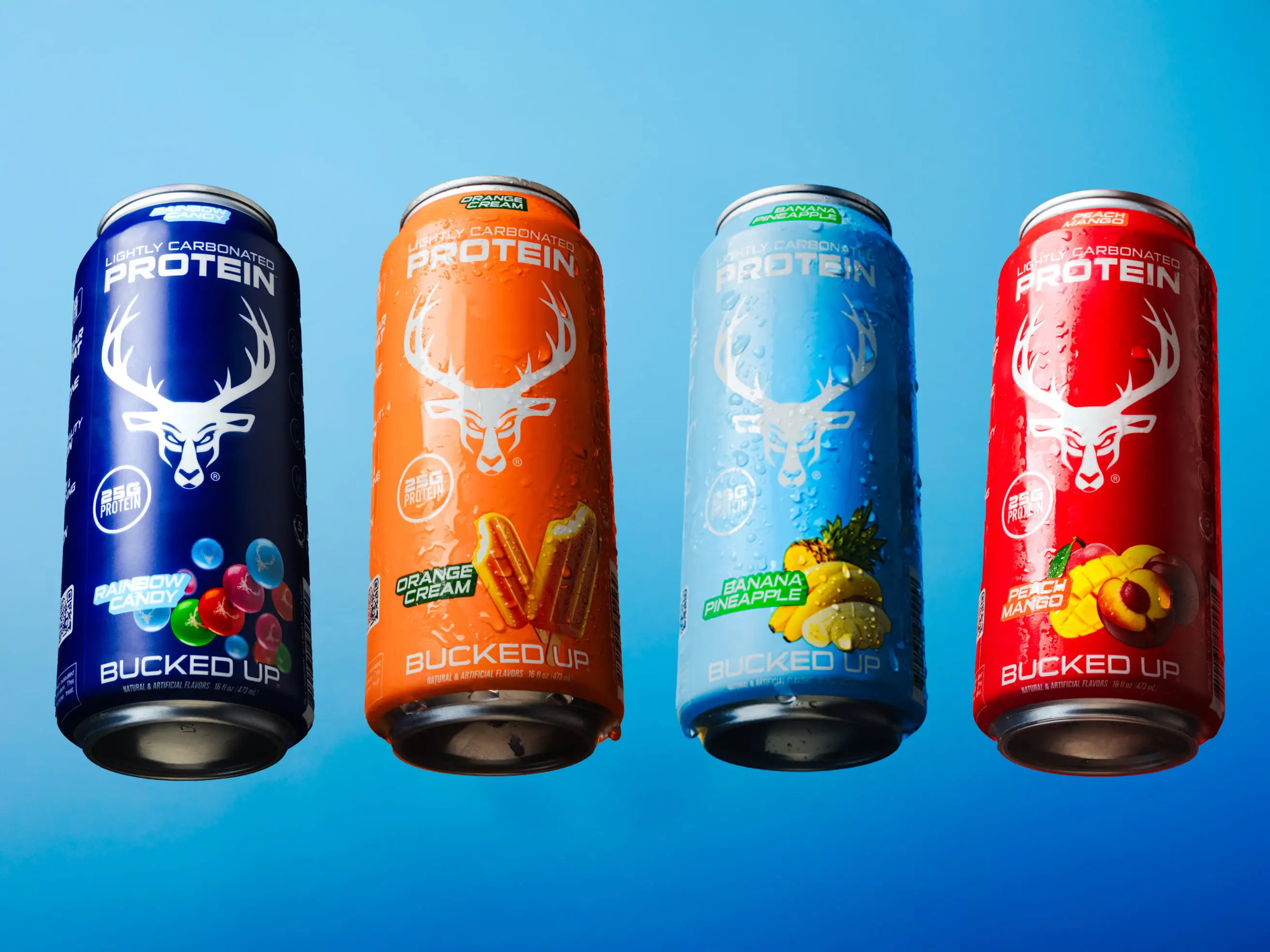
The comparison below highlights how a zero-carb, 25-gram whey isolate soda stacks up against common ready-to-drink shakes, so you can see how protein density and calories differ at a glance.
| Product | Protein Type | Calories | Carbs/Sugar |
|---|---|---|---|
| Bucked Up | 25g Whey Isolate | 100 | 0g/0g |
| Premier Protein | 30g Blend | 160 | 5g total carbohydrates and 1g sugar per serving |
| Muscle Milk | 25g of protein derived from milk | Varies by variant | Varies by variant |
2. Pre-Portion Greek Yogurt or Cottage Cheese Cups
Single-serving Greek yogurt or cottage cheese cups make it easy to grab 20–30 grams of protein with almost no prep. Research suggests that 20–30 grams of protein per meal supports muscle building effectively, because your body can use that amount efficiently for recovery.1 Keeping several cups in your office fridge, home fridge, or gym bag cooler gives you a fast option when you feel hunger creeping in.
3. Keep Jerky or Tuna Pouches in Your Desk Drawer
Jerky and tuna pouches stay shelf-stable, so they do not require refrigeration and still deliver leucine-rich amino acids. Leucine plays a key role in triggering muscle protein synthesis, which makes these options especially useful during long afternoon stretches between meals.1 That leucine content helps counter muscle breakdown during those gaps, so a few pouches in your desk or backpack can cover surprise overtime or late meetings.1
4. Batch-Cook Boiled Eggs or Egg Muffins
Boiling a large batch of eggs or baking egg muffins once a week sets you up with quick, high-protein snacks. Each large egg provides about 6 grams of complete protein, so three to four eggs bring you into a solid 18–24 gram range. Complete proteins that contain all essential amino acids support muscle recovery more effectively, which makes eggs a reliable base for breakfast or snacks.1
5. Pair Nut Butter Packets with Apple Slices
Single-serve almond or peanut butter packets combined with apple slices or other fruit give you 10–15 grams of protein plus fiber. This pairing offers quick energy from the fruit and slower-digesting fats and protein from the nut butter. That mix helps keep you full between meals while still nudging your daily protein total upward.
6. Build Overnight Oats with Protein Powder
Overnight oats jars turn into grab-and-go breakfasts when you combine oats, your preferred protein powder, and liquid the night before. Each jar can easily reach 25 or more grams of protein, depending on your scoop size and mix-ins. Starting your morning with at least 30 grams of protein supports muscle growth and helps limit muscle breakdown after an overnight fast.1 Overnight oats make that target easier to hit because the meal is ready the moment you open the fridge.
7. Prep Canned Salmon or Chicken Salads
Canned salmon or chicken salads packed into portable containers can deliver 20–25 grams of protein per serving. Mixing canned protein with vegetables and healthy fats creates a balanced meal that travels well and does not require reheating. This approach works especially well for office lunches, travel days, or any time you lack access to a kitchen.
8. Assemble Smoothie Freezer Packs for Fast Blending
Smoothie freezer packs save time by bundling ingredients in advance. You can portion frozen fruits, vegetables, and your favorite protein powder into bags, then dump and blend in about a minute. Adding your preferred protein powder turns each smoothie into a complete meal or snack, which helps you cover a protein serving even on mornings when you are rushing out the door.
Beyond general meal prep, workout timing deserves special attention for maximizing recovery and making the most of these protein servings.
9. Time Post-Workout Protein with a Light, Carbonated Option
Many experts recommend 20–40 grams of fast-digesting protein within a few hours after training to support muscle protein synthesis.1 That rapid absorption window explains why timing matters after lifting or intense cardio. A carbonated protein drink that delivers 25 grams of whey isolate in a clear, refreshing format can feel easier to finish when you are hot and tired than a thick shake. This type of drink also fits well into the 20–40 gram post-workout range mentioned earlier, so you can cover your recovery target with a single can.1
10. Create a Desk Stash for Afternoon Slumps
Keeping a few cans of a protein soda in your office fridge, locker, or gym bag gives you instant access during mid-day energy crashes. Spreading protein intake evenly across the day supports steady muscle growth and repair, rather than loading it all into one meal.1 A caffeine-free, carbonated protein drink works at any hour, including late afternoon, without interfering with sleep.
11. Use GLP-1-Friendly Liquid Protein Boosts
People using GLP-1 medications often feel full quickly and may struggle with solid foods, which can increase muscle loss risk during weight changes. A light, carbonated protein drink can provide essential amino acids without the heaviness of a large meal. A 100-calorie can that still delivers a full serving of complete protein fits well with reduced appetite while helping preserve lean mass.1
12. Run a Weekly Protein Check-In and Swap Sugary Sodas
A simple weekly audit helps you see whether you are hitting the daily protein targets mentioned earlier for active individuals. Many sports nutrition sources suggest 1.6–2.2 grams of protein per kg of body weight per day for people who train regularly, so tracking a few days can reveal gaps.[1] Replacing regular sodas or standard energy drinks with a protein soda adds 25 grams of functional protein each time while cutting empty calories. Even one can per day can contribute more than 175 grams of extra weekly protein without major changes to your routine.
Frequently Asked Questions About Protein Sodas
What is the difference between whey isolate and concentrate?
Whey protein isolate goes through additional filtration, which increases protein purity and reduces fat and lactose content. Isolate tends to absorb more quickly than concentrate, so many people use it around workouts for recovery.1 Bucked Up Protein Soda uses 100% whey isolate, which supports bioavailability and can work better for some individuals who are sensitive to lactose.1
Is Bucked Up Protein Soda keto-friendly?
Bucked Up Protein Soda contains zero carbohydrates and zero sugar, which aligns with ketogenic and low-carb approaches. Each can provides 25 grams of protein to help maintain muscle during ketosis without adding digestible carbs to your daily macros.1
Can I drink Bucked Up Protein Soda daily or just post-workout?
Daily use can help you spread protein evenly across your schedule, which supports muscle maintenance and growth.1 A 25-gram serving also fits well into common recommendations for stimulating muscle protein synthesis at each feeding.1 Many people enjoy a can after workouts for recovery and keep others on hand for snacks or meal gaps.
Is Bucked Up Protein Soda safe for GLP-1 users?
The light, liquid format can work well for people on GLP-1 medications who experience reduced appetite or discomfort with heavier foods. A high-protein, low-calorie drink helps support lean mass during weight loss efforts while keeping total energy intake modest.1 As with any supplement, individuals should consult their healthcare provider about personal needs and medication interactions.
How does Bucked Up Protein Soda compare to traditional protein shakes?
Bucked Up Protein Soda offers a carbonated, crystal-clear, non-milky experience with an energy drink-style taste. Many traditional shakes feel thick or heavy after intense training, which can make them harder to finish consistently. A lighter, sparkling option can encourage regular use, and manufacturing in GMP-certified USA facilities supports quality and safety standards.
Turn Busy Days into Protein-Ready Routines
Consistent protein packing turns a hectic fitness lifestyle into a routine that supports recovery instead of draining it. These 12 strategies give you simple ways to hit your targets without complicated meal prep or heavy shakes that sit in your stomach. A carbonated protein soda that delivers 25 grams of whey isolate in a portable can, such as Bucked Up Protein Soda, can fit into several of these tactics at once.
Swapping thick shakes for a clear, refreshing protein drink can make daily protein feel easier and more enjoyable. Explore Bucked Up Protein Soda to find a protein delivery style that fits your schedule, supports your goals, and tastes closer to the energy drinks you already like to drink.
1 The content provided in this article is for informational purposes only and is not medical advice. Consult with a medical professional before implementing any changes to your diet, health, or exercise routines.
Individual results will vary and are based on a combination of each individual’s diet, exercise, age, and health circumstances.
These statements have not been evaluated by the Food and Drug Administration. This product is not intended to diagnose, treat, cure or prevent any disease.
This article was written by Ryan Gardner, CEO of Bucked Up. As the maker of Bucked Up Protein Soda, we have a financial interest in this information. The views expressed are our own and should be read with that context in mind.