Last updated: April 22, 2026
Key Takeaways
- Protein soda supports muscle building when it delivers 20-40g of high-quality whey isolate after resistance training.1
- Whey protein isolate absorbs faster and contains less fat and lactose than concentrate, which supports muscle protein synthesis through rapid leucine delivery.1
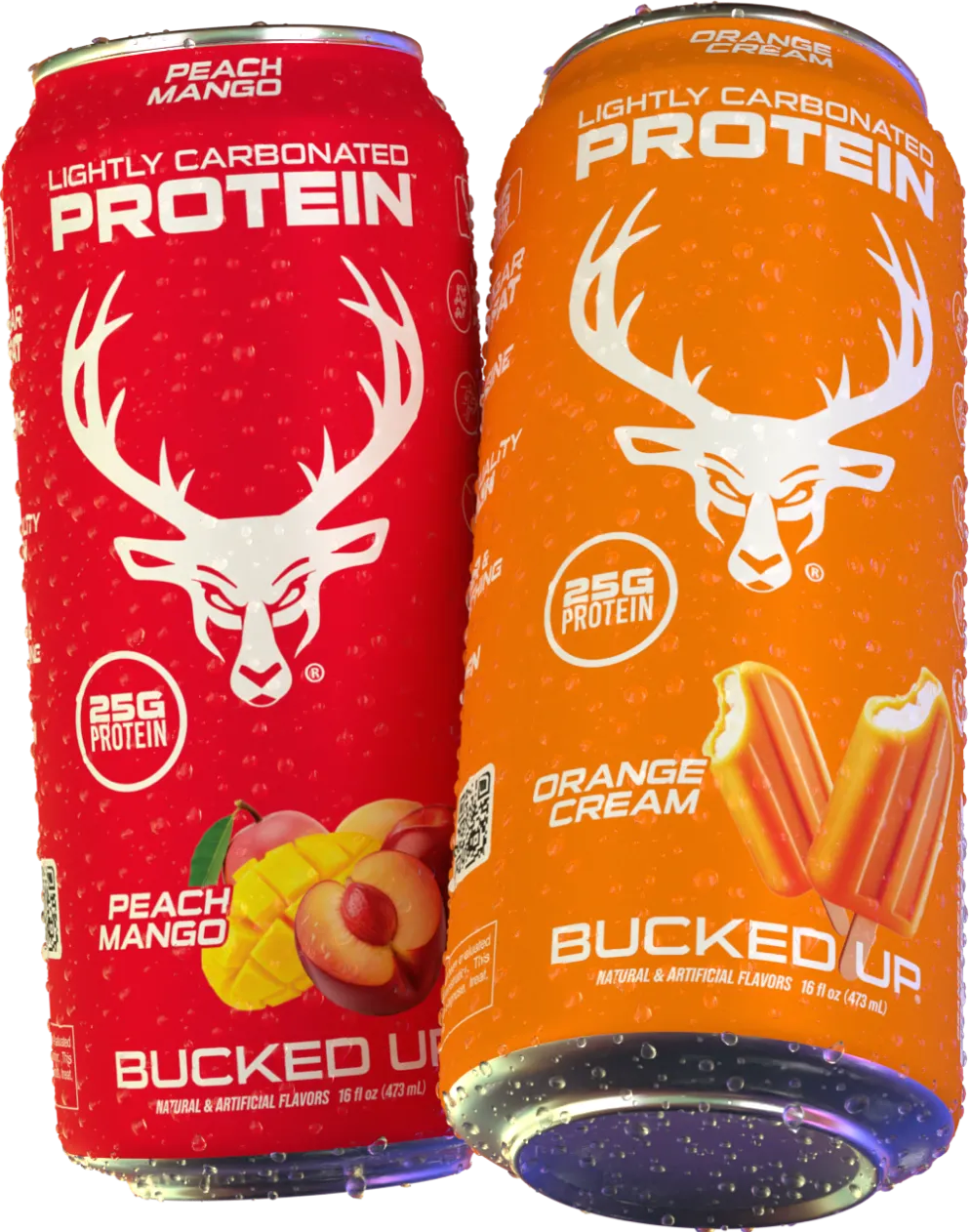
- Bucked Up Protein Soda provides 25g whey isolate in a zero-sugar, 100-calorie carbonated drink that feels lighter than traditional shakes.
- Effective timing includes the 30-minute to 2-hour post-workout window, between meals, or in the evening, since the formula is caffeine-free.
- Bucked Up Protein Soda can help GLP-1 users protect muscle while losing weight;1 try Bucked Up Protein Soda to hit protein goals in a more refreshing way.
The Science Behind Protein, Leucine, and Muscle Growth
Muscle protein synthesis (MPS) is the process your body uses to repair and build muscle tissue after exercise. Consuming 20-40g of high-quality protein within an hour or so after exercise spikes muscle protein synthesis, with leucine serving as the primary trigger.1 Studies show that consuming about 20 grams of protein shortly after exercise supports muscle repair and recovery, while amounts over 40 grams provide no additional benefit.1
Whey protein isolate offers clear advantages for muscle building compared to whey concentrate.1 Whey isolate provides 25-28g protein per 30g serving with very fast digestion, making it useful for immediate post-workout recovery due to rapid leucine delivery.1 The higher purity and faster absorption rate make isolate a strong choice for supporting muscle protein synthesis.1
The comparison below shows how isolate’s faster absorption speed and higher protein percentage can support better post-workout recovery, which is why it often forms the base of effective protein sodas.1
| Attribute | Whey Isolate (Bucked Up) | Whey Concentrate |
|---|---|---|
| Absorption Speed | Fast (rapid leucine spike) | Slower |
| Protein % | High (typically 90%+) | 25-89.9% per USDA |
| Digestibility | High (low lactose/fat) | Moderate |
Carbonation in sparkling water increases stomach air content, which can slow the rate of eating and increase feelings of fullness, but it does not impair protein absorption or muscle-building benefits.1
How Protein Soda Fits Into Muscle Growth
Protein soda can support muscle growth when it uses high-quality ingredients like whey isolate.1 Bucked Up Protein Soda uses 100% whey protein isolate. You can check the full product label here.
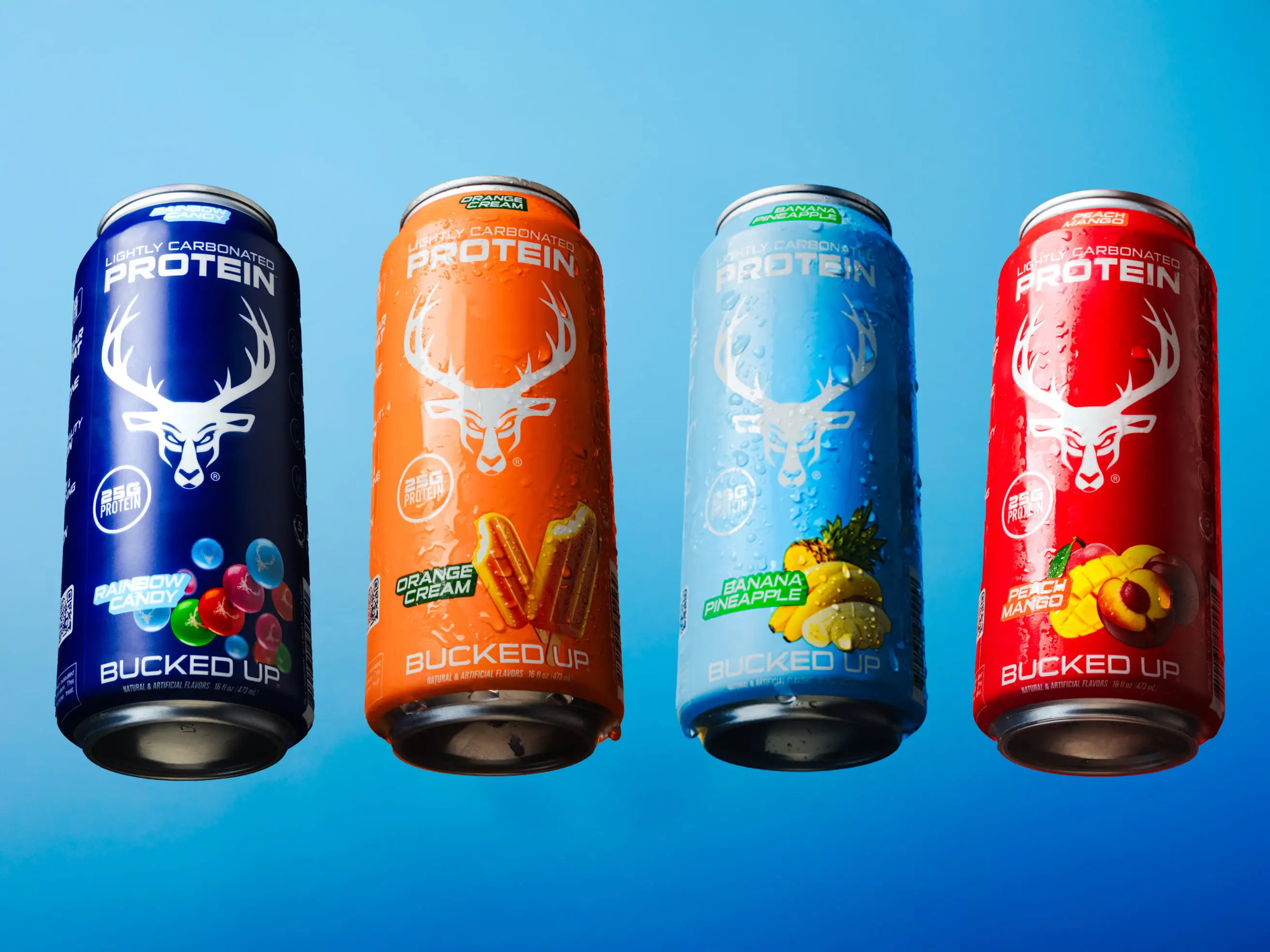
When comparing protein soda and shakes for muscle building, Bucked Up offers a clear, carbonated format with 25g of whey isolate in 100 calories. Traditional ready-to-drink protein shakes often contain more calories and a thicker, creamier texture. See examples on the Premier Protein label, Muscle Milk label, and Fairlife label.
The table below compares protein type, calorie density, and drink format across several ready-to-drink options so you can see how a clear, isolate-based soda differs from traditional shakes.
| Product | Protein Type | Calories | Format | Taste Profile |
|---|---|---|---|---|
| Bucked Up | 100% Isolate | 100 | Clear/Carbonated | Energy drink-like |
| Premier Protein | Blend | 160 | Milky/Shake | Creamy |
| Muscle Milk | Milk-derived | 160 | Milky/Shake | Chocolatey |
| Fairlife | Ultra-filtered | 170 | Milky | Smooth |
The carbonated format can help reduce feelings of bloating and heaviness associated with traditional protein shakes, which can make consistent use easier. Beyond digestive comfort, this zero sugar and zero carb formulation also fits keto and paleo styles of eating, which expands its usefulness for people following specific diet approaches. You can see the full nutrition panel for detailed macros.
Ready to experience a lighter way to drink your protein? Try Bucked Up Protein Soda.
Best Times to Drink Protein Soda for Muscle Gains
Strategic timing of protein intake helps you get more muscle-building benefit from each serving.1 The anabolic window, a period after exercise when the body is primed for protein use in muscle repair and growth, lasts around 30 minutes to 2 hours, which makes this a strong time for protein soda.
The anabolic window makes post-workout consumption within about 30 minutes useful for gym-goers and athletes who want faster recovery.1 For days when you do not train, between-meal timing works well for busy professionals who need convenient protein without losing appetite for main meals. Evening consumption also fits people who are sensitive to caffeine, since Bucked Up Protein Soda is caffeine-free. GLP-1 users can sip it throughout the day, because the light, carbonated format can feel easier when solid foods are harder to tolerate.
Consuming at least 15 to 25 grams of protein within 2 hours after exercise stimulates muscle growth and repair1, which aligns with the 25g dose mentioned earlier.
Protein Soda for GLP-1 Users and Muscle Preservation
GLP-1 receptor agonists like Ozempic can make muscle preservation during weight loss more challenging. Up to 30% of total weight loss on GLP-1 receptor agonists may come from lean muscle mass, so consistent protein intake becomes critical.
Experts recommend 1.2-2.0 grams of protein per kilogram of body weight daily, which equals about 82-136 grams for a 150-pound person, spread across 3-4 meals using complete proteins to support muscle preservation during GLP-1 therapy.1
Bucked Up Protein Soda delivers a 25g serving of whey protein isolate in a light, refreshing drink. The clear, carbonated format can make it easier to reach daily protein targets when appetite drops and solid foods feel harder to eat.
Customer Experiences with Bucked Up Protein Soda
Customer feedback often focuses on taste, texture, and convenience.
“The protein sodas far exceeded my expectations. They taste similar to an energy drink and don’t have any weird aftertaste like some other clear whey protein drinks do. Will definitely buy again.”
“These are seriously delicious! I had low expectations on flavor and was pleasantly surprised. They taste like an energy drink, but healthier and with no caffeine. I will definitely be buying a bunch.”
“I’ll be honest, I was skeptical when I saw the words ‘whey protein’ on a carbonated soda. My past experiences with protein drinks have been… less than pleasant. Chalky textures, weird aftertastes, and a struggle to get them down. But Bucked Up absolutely blew me away with this one! The Banana Pineapple flavor is a tropical dream. It’s lightly carbonated, smooth, and genuinely delicious.”
“I need to consume 130g of protein daily, and honestly, I’ve never found a product that made that goal feel this easy. Protein powders? No thanks. This drink? I could knock back multiple cans a day and actually enjoy doing it. It’s a no-brainer.”
Together, these experiences show how Bucked Up Protein Soda can ease daily protein intake while still delivering on flavor and convenience.
Common Questions on Protein Soda and Muscle
Is protein soda healthy?
Protein soda can be a healthy addition to your routine when it uses quality ingredients like whey isolate. Bucked Up Protein Soda features transparent nutrition, a zero-sugar, zero-carb formulation, and a 25g protein serving.
Can you drink too much protein?
Protein toxicity rarely occurs in healthy individuals, but you still need to balance protein with overall nutrition. Most active people can safely include multiple protein servings per day as part of a balanced eating plan.
How does Bucked Up compare to other protein sodas?
Bucked Up uses 100% whey protein isolate, and you can review the Bucked Up label here. Some competitors can use concentrate blends or collagen, so it helps to compare labels side by side before choosing.
What are the main protein soda benefits for muscle?
Protein soda supplies fast-absorbing amino acids for muscle protein synthesis, flexible timing throughout the day, less heaviness than many shakes, and support for consistent daily protein intake.1
Protein soda supports muscle building when it combines quality whey isolate with regular resistance training.1 Bucked Up focuses on this by pairing a research-aligned protein dose with a refreshing format that can make daily protein targets feel more manageable. The science supports whey isolate’s role in muscle protein synthesis, while the carbonated format helps remove common barriers like texture fatigue and shake-related bloating.1
Fuel your training without heavy shakes. Start your protein soda routine and see how a lighter format fits your goals.
Frequently Asked Questions
How much protein do I need daily for muscle building?
Active individuals typically need 0.5-0.9 grams of protein per pound of body weight daily for muscle building and maintenance.1 For a 150-pound person, this equals 75-135 grams per day. Bucked Up Protein Soda’s 25g serving can contribute to these targets as one of several daily protein sources.
Can protein soda replace traditional protein shakes entirely?
Protein soda can replace traditional shakes for many people, especially those who dislike thick, creamy textures. Bucked Up Protein Soda provides whey isolate in a light, carbonated drink that some find easier to use consistently than powdered shakes.
Is carbonated protein safe for people with digestive sensitivities?
Most people tolerate carbonated protein well, though anyone with severe IBS or significant digestive issues should start with smaller amounts. The whey isolate in Bucked Up Protein Soda is low in lactose and often easier to digest than many concentrate-based products, which can help people with mild lactose sensitivity.1
When should I drink protein soda if I work out in the evening?
Since Bucked Up Protein Soda is caffeine-free, you can drink it right after evening workouts without affecting sleep. The anabolic window discussed earlier applies regardless of workout time, so evening sessions still pair well with post-workout protein soda.
How does protein soda help with weight management goals?
Protein soda supports weight management by offering high satiety with relatively few calories, as Bucked Up provides 25g protein in 100 calories. The protein helps preserve muscle during calorie deficits, and the refreshing format can make it easier to keep protein intake up when appetite drops, which is especially useful for people using GLP-1 medications.1
1 The content provided in this article is for informational purposes only and is not medical advice. Consult with a medical professional before implementing any changes to your diet, health, or exercise routines.
Individual results will vary and are based on a combination of each individual’s diet, exercise, age, and health circumstances.
These statements have not been evaluated by the Food and Drug Administration. This product is not intended to diagnose, treat, cure or prevent any disease.
This article was written by Ryan Gardner, CEO of Bucked Up. As the maker of Bucked Up Protein Soda, we have a financial interest in this information. The views expressed are our own and should be read with that context in mind.