Last updated: April 22, 2026
Key Takeaways
- 2025-2030 Dietary Guidelines recommend 1.2-1.6g protein per kg body weight daily, which equals about 82-109g for a 150lb adult.
- Portable protein options such as whey isolate sodas can outperform many bars and shakes in digestibility, taste, and spill-proof convenience.1
- Key criteria include protein quality (isolate preferred), lower calories, minimal sugar and carbs, and temperature stability for on-the-go use.
- Bucked Up Protein Soda provides 25g whey isolate, 100 calories, and zero carbs or sugar, which can support GLP-1 users and weight management.1
- Choose Bucked Up Protein Soda for portable, easy-to-drink protein delivery that can support your 2026 fitness goals, and start with a variety pack.1
How To Judge Portable Protein Drinks, Bars, and Sodas
Consider five connected factors when you compare portable protein options, starting with what is in the formula and ending with how it fits your day. Protein quality comes first. Whey isolate offers higher purity than concentrate, and Consumer Reports’ October 2025 investigation found that plant-based protein powders had nearly nine times more lead than dairy-based ones, which makes protein source a safety and performance consideration.1 After you confirm protein quality, look at portability through spill-proof packaging and temperature stability, because even strong formulas will not help if you leave them at home. Taste and overall palatability then decide whether you will actually finish the drink or bar on a regular basis. Finally, check protein-to-calorie ratios for weight management and review ingredient transparency and manufacturing standards to match your purity expectations.
The table below shows how common portable protein formats compare on three everyday experience factors, so you can match the format to your routine:
| Format | Portability | Digestion | Taste |
|---|---|---|---|
| Protein Bars | High | Medium | Medium |
| Traditional Shakes | Medium | Low | Low |
| Protein Sodas | High | High | High |
Carbonated protein sodas can combine strong portability with easier digestion and broad taste appeal for many users.1
With these criteria in mind, the following 10 products represent notable portable high-protein drinks and snacks for 2026, evaluated for quality, portability, taste, calorie density, and ingredient clarity.
10 Portable High Protein Drinks and Snacks for 2026
1. Bucked Up Protein Soda
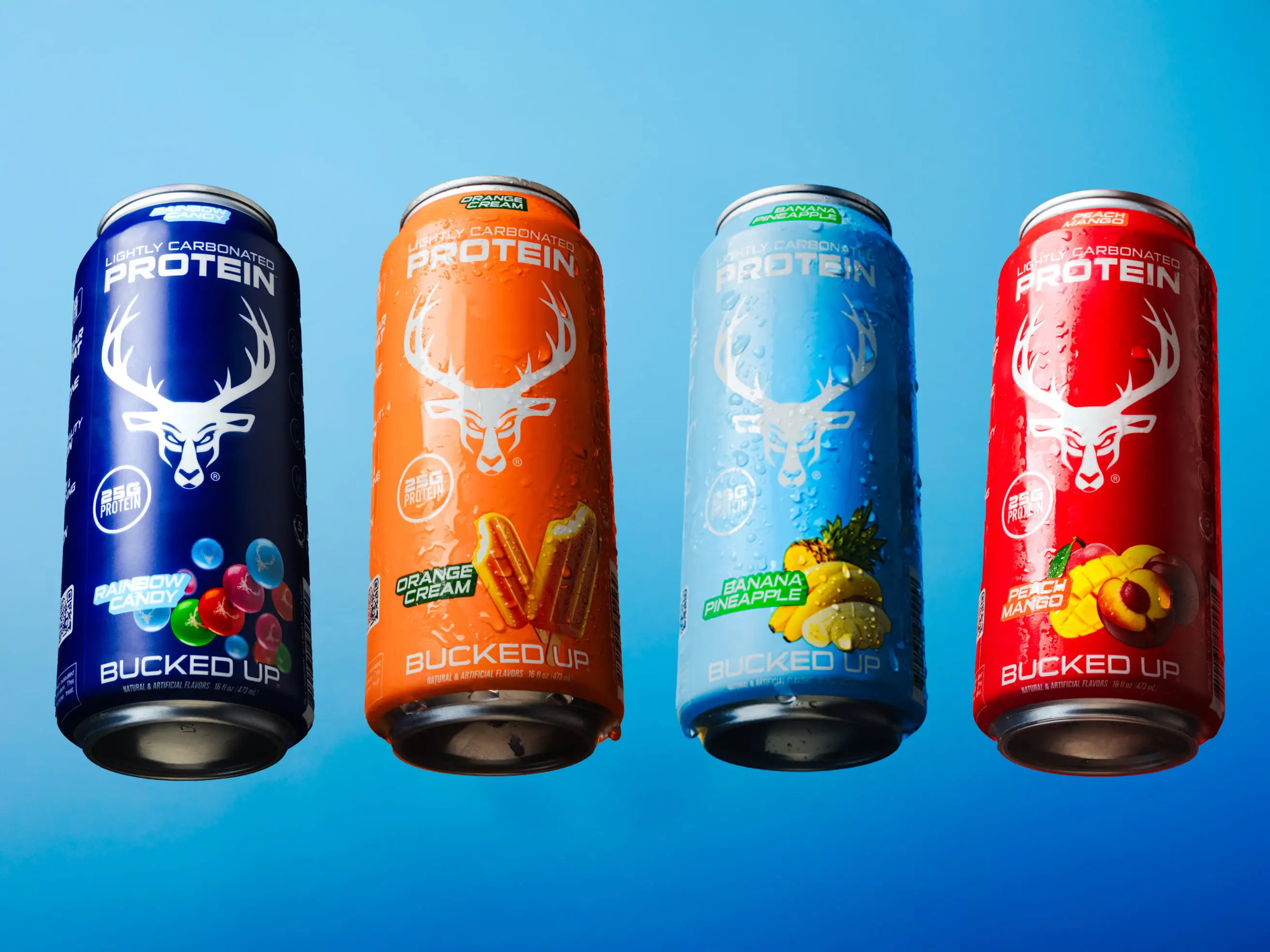
Specs: 25g whey protein isolate, 100 calories, zero sugar, zero carbs, caffeine-free — see full nutrition facts.
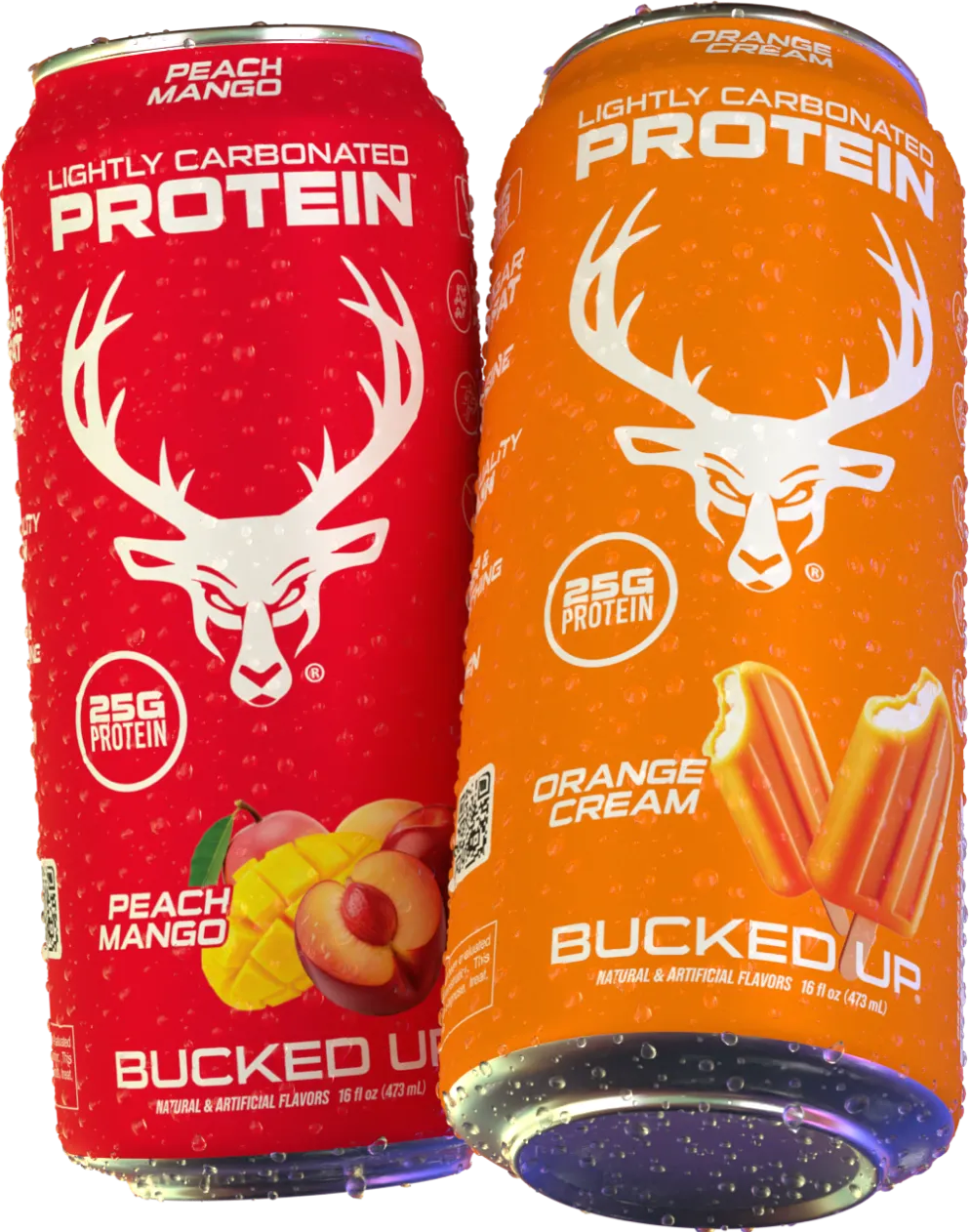
Bucked Up Protein Soda delivers portable protein in a carbonated format that feels lighter than many milky shakes. This beverage provides 25 grams of whey protein isolate in a crisp, refreshing experience that can be easier to drink when appetite is low. The zero-sugar, zero-carb formulation suits GLP-1 users and keto dieters who want muscle support without extra carbohydrates or calories.1 Explore all flavors and bundle options.
Pros:
- 25g protein per 100 calories
- Carbonated format that feels light and refreshing
- Whey isolate for higher purity and absorption1
Cons:
- Fewer flavors than many traditional shakes
- Higher price point than basic protein powders
- Carbonation and flavor profile may require a short adjustment period
Customer Testimonial: “These are seriously delicious! I had low expectations on flavor and was pleasantly surprised. They taste like an energy drink, but healthier and with no caffeine.”
Available on Amazon and directly from the manufacturer.
2. Premier Protein Ready-to-Drink Shake
Specs: 30g protein blend, 160 calories, 1g sugar. See details at the product site.
Premier Protein provides a shelf-stable, ready-to-drink shake with a 30-gram protein blend that includes whey concentrate and isolate. The 160-calorie serving can function as a compact meal or substantial snack. Whey concentrate may digest more slowly than isolate for some people.
Pros:
- 30 grams of protein per serving
- Widely available in grocery and big-box stores
- Multiple flavor options
Cons:
- Contains whey concentrate instead of pure isolate
- Higher calorie count than some lighter options
- Milky texture can feel heavy for users with reduced appetite
3. Fairlife Core Power Protein Shake
Specs: 26g protein, 170 calories per 14 fl. oz. serving, 5g sugar. See more at the product site.
Fairlife Core Power uses ultra-filtered milk to concentrate protein while reducing lactose content. Each bottle provides 26 grams of protein in 170 calories, which offers a moderate protein-to-calorie balance. Many users find the texture smooth and closer to flavored milk than a thick shake.
Pros:
- Ultra-filtered milk protein source
- Lower lactose than standard milk
- Smooth, familiar taste profile
Cons:
- 5g sugar per serving
- Requires refrigeration for best quality
- May still bother highly lactose-sensitive users
4. Muscle Milk Pro Series RTD
Specs: 32-40g protein derived from milk, 170 calories per 11 fl oz serving. See full details at the product site.
Muscle Milk Pro Series combines 32-40 grams of milk-derived protein with added creatine in a ready-to-drink shake. The 170-calorie serving supports users who want both protein and some extra energy for training or recovery.1 The blended protein sources can extend amino acid release over time.
Pros:
- Includes added creatine in many flavors
- Balanced protein blend for sustained release
- Recognized brand with broad availability
Cons:
- Higher calorie density than lighter drinks
- Blend may digest more slowly than pure isolate
- Contains artificial flavors in many varieties
5. Quest Protein Bar
Specs: 20g protein, 190 calories, 1g sugar. See full nutrition at the product site.
Quest Protein Bars provide 20 grams of protein in a compact, shelf-stable bar that travels easily. Added fiber supports satiety and can help the bar feel more like a small meal or substantial snack.
Pros:
- High portability with no refrigeration required
- High fiber content for fullness
- Wide range of flavors
Cons:
- Protein-to-calorie ratio is lower than some drinks
- Texture can change in very hot or cold conditions
- Sugar alcohols and fibers may cause digestive discomfort for some users
For readers who focus on macros and protein source, the table below compares three popular ready-to-drink options on protein type, carbohydrates, and sugar content.
| Product | Protein Type | Carbs | Sugar |
|---|---|---|---|
| Bucked Up Protein Soda | Whey Isolate | 0g | 0g |
| Premier Protein | Protein Blend | 5g | 1g |
| Fairlife Core Power | Milk Protein | 5g net | 5g |
6. RXBAR Protein Bar
Specs: 12g protein, about 200 calories, 14g total sugars. Full details appear on the product site.
RXBAR uses a short ingredient list with egg whites for protein, dates for sweetness, and nuts for texture and fats. This whole-food style appeals to users who prefer minimal processing and recognizable ingredients.
Pros:
- Whole food ingredient focus
- Egg white protein source
- No artificial flavors or colors in many flavors
Cons:
- Only 12g protein per bar
- About 14g sugar from dates
- Higher calorie-to-protein ratio than many shakes
7. Orgain Organic Protein Shake
Specs: 20g plant protein, 151 calories per bottle (420g). See full information at the product site.
Orgain Organic Protein Shake uses a plant-based protein blend for users who avoid dairy. As noted in the criteria section, plant-based proteins can carry higher lead contamination risk according to Consumer Reports’ 2025 testing, so users may want to review third-party testing and serving frequency.
Pros:
- Plant-based formula suitable for many vegans
- Organic ingredient focus
- Moderate calorie level per bottle
Cons:
- Plant proteins may have different amino acid profiles than whey
- Potential heavy metal concerns highlighted in some testing
- Texture and taste differ from dairy-based shakes
8. Pure Protein Bar
Specs: 21g protein, 180 calories, 2 grams of sugar. More details appear on the product site.
Pure Protein Bars provide a budget-friendly way to add protein on the go. They offer a moderate calorie count with a relatively high protein content per bar.
Pros:
- 21g protein per bar
- Lower sugar than many candy-style bars
- Often priced below many premium options
Cons:
- Contains sugar alcohols in many flavors
- Texture can feel dense or chewy
- Less emphasis on whole-food ingredients
9. Atkins Protein Shake
Specs: 15g protein, 160 calories, 1g sugar. See full nutrition at the product site.
Atkins Protein Shakes target low-carb dieters with 15 grams of protein and minimal sugar per serving. The calorie level and macros align with many low-carb meal plans.
Pros:
- Low net carbs and low sugar
- Convenient ready-to-drink format
- Fits many Atkins-style or low-carb approaches
Cons:
- 15g protein is lower than some alternatives
- Contains artificial sweeteners
- Milky texture may feel heavy for some users
10. Clif Builder’s Protein Bar
Specs: 20g protein, 270 calories, 17g sugar. See more at the product site.
Clif Builder’s Bar delivers 20 grams of protein with a higher calorie and sugar load, which can suit users who need more total energy along with protein. The bar feels more like a substantial snack or small meal than a light bite.
Pros:
- 20g protein per bar
- Higher calories for users with greater energy needs
- Widely available in many retail locations
Cons:
- 270 calories per bar
- 17g sugar per serving
- Less suitable for strict weight-loss or low-sugar plans
Options for Weight Loss and GLP-1 Users
Weight loss and GLP-1 medication users often benefit from high-protein, lower-calorie options that are easy to finish. GLP-1 users need low-volume, easy-to-consume protein-rich options to help maintain muscle mass when appetite is suppressed.
Bucked Up Protein Soda’s macronutrient profile, described in option #1 above, makes it particularly suitable for many GLP-1 protocols. Premier Protein and Fairlife Core Power offer alternatives for users who can handle slightly higher calories and carbs while still prioritizing protein intake.
The table below ranks these three options based on two factors that matter most for many GLP-1 users: total calorie load and carbohydrate content, both of which can influence appetite and overall energy balance.
| Product | Calories | Carbs | GLP-1 Suitable |
|---|---|---|---|
| Bucked Up Protein Soda | 100 | 0g | Excellent |
| Premier Protein | 160 | 5g | Good |
| Fairlife Core Power | 170 | 5g net | Moderate |
Carbonated protein sodas can combine portability and digestibility for users who struggle with heavy shakes or large meals. Find your GLP-1-compatible protein option.
Beyond specific needs such as weight loss or GLP-1 support, the following buying guide addresses common questions that apply to most portable protein choices.
Buying Guide and Frequently Asked Questions
When you select portable high-protein drinks or snacks, start by prioritizing whey protein isolate over concentrate if you want faster absorption and higher purity. Nutrition experts often recommend 15-25 grams of protein per serving with minimal added sugars. Many users who focus on weight management look for options under about 150 calories and choose a format that fits their daily routine, such as cans, cartons, or bars.
Difference Between Whey Protein Isolate and Concentrate
Whey protein isolate contains at least 90% protein on a dry matter basis, while concentrate typically provides 25% to 89.9% protein content. Isolate can absorb faster and may cause fewer digestive issues for some users.1 Bucked Up Protein Soda uses whey isolate to focus on higher protein content with fewer extra calories from carbs and fats.
Ready-to-Drink Protein for Post-Workout Recovery
Post-workout recovery usually benefits from rapidly absorbed protein in a format you can drink soon after training. Options such as Bucked Up Protein Soda provide 25 grams of whey isolate in a carbonated format with zero carbs, which can support muscle repair without adding extra sugars.1 Many athletes choose drinks with at least 20 grams of high-quality protein for this window.
Daily Use of High-Protein Meal Replacements
High-protein meal replacements can fit into daily routines as part of a balanced diet, while whole foods still provide the foundation of overall nutrition. The higher protein ranges in the 2025-2030 Dietary Guidelines support increased intake for active individuals and older adults. Users with medical conditions or medications should speak with a healthcare provider for personalized advice.
Compatibility With GLP-1 Medications
Zero-carb, lower-calorie protein options such as Bucked Up Protein Soda can align with many GLP-1 protocols that emphasize muscle preservation and controlled calorie intake.1 High-sugar products may work against these goals for some users. Always confirm details with a healthcare provider who understands your specific treatment plan.
Effect of Carbonation on Protein Absorption
Current evidence suggests carbonation does not reduce protein absorption. Many users find that carbonation improves taste and mouthfeel, which can support consistent intake, especially when appetite is reduced.
Conclusion: Matching Portable Protein to Your 2026 Goals
Bucked Up Protein Soda provides 25 grams of whey isolate in a carbonated, zero-carb format that feels lighter than many traditional shakes. This approach addresses common complaints about heavy textures and overly sweet bars while still delivering concentrated protein.
Shop Bucked Up Protein Soda now to support your training, weight management, or GLP-1 protocol with portable, easy-to-drink protein.1
1 The content provided in this article is for informational purposes only and is not medical advice. Consult with a medical professional before implementing any changes to your diet, health, or exercise routines.
Individual results will vary and are based on a combination of each individual’s diet, exercise, age, and health circumstances.
These statements have not been evaluated by the Food and Drug Administration. This product is not intended to diagnose, treat, cure or prevent any disease.
This article was written by Ryan Gardner, CEO of Bucked Up. As the maker of Bucked Up Protein Soda, we have a financial interest in this information. The views expressed are our own and should be read with that context in mind.