Last updated: April 22, 2026
Key Takeaways: Protecting Muscle During a 2-Week Break
- Two weeks off the gym mainly causes temporary glycogen and water loss, not true muscle atrophy, with meaningful tissue loss usually starting after 3–8 weeks.
- Short breaks can boost anabolic hormones like testosterone, support central nervous system recovery, and use muscle memory for fast strength regain.
- Maintain 0.6–0.9g protein per pound of body weight daily, spread across 20–40g servings every 3–4 hours, to keep muscle protein synthesis active.
- Light activity such as walking and easy-to-consume liquid proteins help when appetite drops, especially for people using GLP-1 medications.
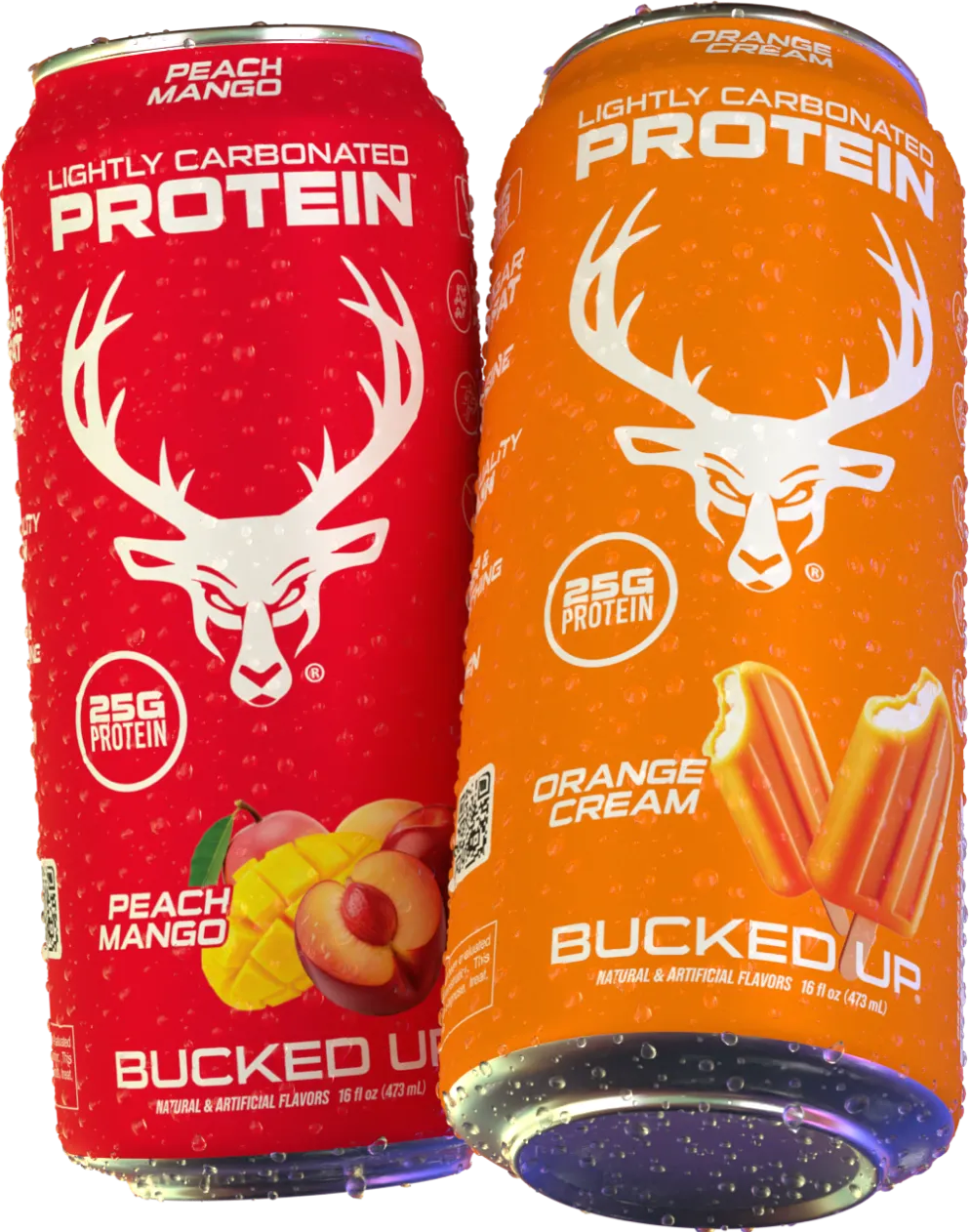
- Grab Bucked Up Protein Soda for 25g whey isolate in a refreshing, zero-sugar drink that makes hitting protein goals during breaks much easier.1
The Problem: Why 2 Weeks Off Feels Like Lost Muscle
Two weeks away from the gym often feels like losing muscle, but most early changes are visual, not structural. Within the first week, muscles appear flatter from decreased glycogen and water stores, which creates the illusion of muscle loss. This glycogen depletion can also make you feel weaker and less coordinated, so normal fluctuations feel like real regression.
| Week | Changes | Loss Type |
|---|---|---|
| Week 1 | Glycogen and water depletion | Visual only |
| Week 2 | Minimal neural efficiency changes | None |
| Week 3+ | Actual atrophy begins | Muscle tissue |
For individuals using GLP-1 medications like Ozempic or Zepbound, this concern often feels even stronger. These medications come with documented risks of sarcopenia from reduced appetite and lower protein intake. At the same time, the underlying myonuclei and neural patterns remain largely intact during short breaks under 3 weeks. This biological resilience sets the stage for rapid recovery once training and nutrition line up again.
Get your protein soda here to keep your protein intake steady during breaks and help protect your hard-earned muscle.1
The Science and Benefits: Why a Short Break Can Help Long-Term Progress
Short training breaks offer real physiological benefits that support long-term gains. Short-term detraining significantly increases anabolic hormone levels such as testosterone and insulin, which enhances muscle tissue remodeling and repair. Your central nervous system also gets valuable recovery time, which reduces accumulated fatigue and lowers the risk of overuse injuries.
These hormonal and neural benefits work alongside your body’s natural preservation systems. Muscle glycogen stores are generally well maintained during two-week detraining periods, even if your muscles look flatter. In addition, muscle memory mechanisms through epigenetic changes enable easier rebuilding and adaptation following exercise breaks. This biological memory system helps most people return close to previous working weights within 1–3 sessions and reach full pre-break performance within the first week back.
The Solution: Simple Steps to Protect Muscle Gains During a Break
Protecting muscle during a break starts with consistent protein intake. Strength and speed athletes should consume 1.4 to 2.0 grams of protein per kilogram body weight per day, which equals roughly 0.6 to 0.9 grams per pound of body weight. Keeping this target steady during time off helps your body maintain muscle tissue even when training volume drops.
High-protein diets (typically above 1.2 g/kg/day) significantly preserve lean mass compared to lower-protein diets during weight loss interventions. At the same time, muscle protein synthesis remains active for 24 to 48 hours after a training session, even on rest days, and still needs amino acids to repair microdamage. Your muscles keep working behind the scenes, so your protein intake should keep supporting that work.
Use these practical protein strategies during your break:
- Aim for 20–40 grams of protein every 3–4 hours.
- Include protein sources like eggs, Greek yogurt, and lean meats at each meal.
- For travel or reduced appetite, prioritize liquid protein options that go down easily.
- Keep light physical activity such as walking in your routine to support circulation and overall recovery.
Bucked Up Protein Soda fits naturally into this plan. Each can delivers the protein you need in a light, carbonated drink that feels easier to finish when appetite is low or you are on the go. The refreshing texture can help you stay consistent with your daily protein target even when regular meals feel heavy.1
Why Bucked Up Protein Soda Can Stand Out During Maintenance Phases
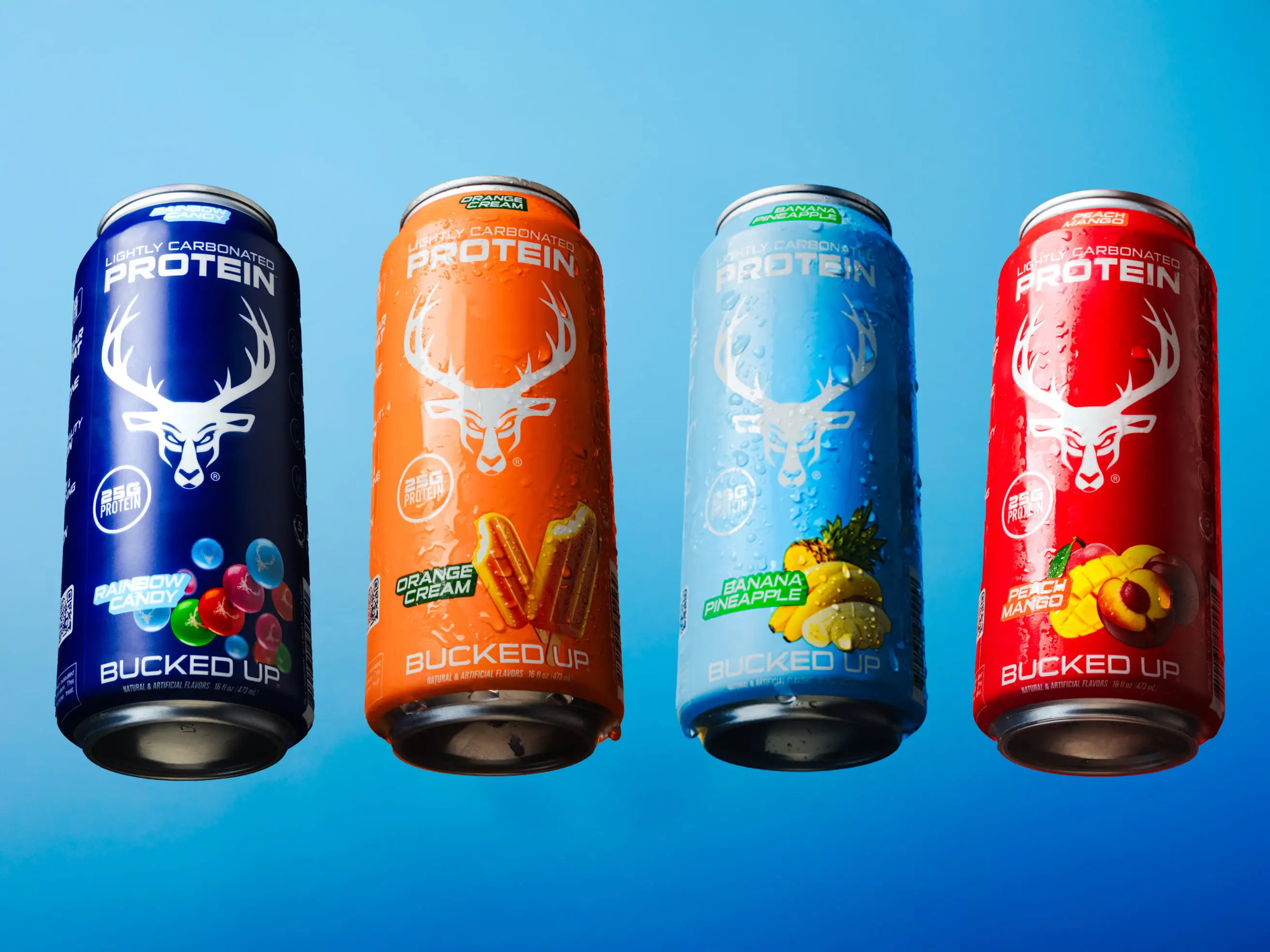
Bucked Up Protein Soda targets the specific challenge of keeping protein high when you are not lifting as much or feel less hungry.1 The clear whey protein isolate supports fast digestion and absorption, and protein ingestion elevates muscle protein synthesis for about 3–6 hours.1 This timing lines up well with spacing your protein servings across the day.
Key advantages include:
- 25g whey protein isolate per can for a high-quality, fast-digesting protein source1
- Carbonated, energy drink-like taste without caffeine
- 100 calories with zero sugar and zero carbs, which can fit keto or lower-carb approaches
- Light texture that works well for reduced appetite or travel days
- GMP-certified USA manufacturing
Heavier shakes such as Premier Protein or Fairlife can feel filling or uncomfortable when appetite is suppressed. Bucked Up’s carbonated format offers a more refreshing way to take in protein. For GLP-1 users in particular, protein-rich liquids help counter low appetite and nausea while supporting muscle preservation.1
Try the carbonated difference for yourself and see how much easier consistent protein can feel during a break.
Returning Stronger: A 4-Week Plan to Rebuild Comfortably
A structured comeback plan helps you regain strength quickly while avoiding injury. Week 1 focuses on restoring movement patterns with about 60–70% of your previous working weights. The first 2 weeks after resuming training emphasize rebuilding movement patterns and volume tolerance, with progressive overload following to return to pre-break loads.
Weeks 2–3 gradually increase load and volume until you approach your earlier intensities. Week 4 often brings full strength restoration for many lifters. Many resistance-trained lifters return at about 70–85% of their previous working weights and regain former strength levels within 4–8 weeks. Continue prioritizing daily protein and consider Bucked Up Protein Soda post-workout to support this rapid recovery window.1
Frequently Asked Questions
Will 2 weeks off ruin gains?
Two weeks off will not ruin your muscle gains. Most changes you notice come from glycogen and water loss, which create a flatter look but do not reflect real muscle tissue loss. Real muscle atrophy usually begins after about 3 weeks of complete inactivity. Your strength may feel lower at first because of neural deconditioning, yet this typically rebounds quickly once you start training again.
Will I lose muscle with 2 weeks away from the gym?
Significant muscle loss in just 2 weeks is unlikely for most people. The changes you see are mainly cosmetic and stem from reduced glycogen stores. Maintaining adequate protein intake, around 0.6–0.9 grams per pound of body weight, during your break helps preserve muscle protein synthesis and supports a fast rebound when you return to your normal routine.
Is taking 2 weeks off the gym bad for progress?
A 2-week break can actually support long-term progress when you handle it correctly. This pause allows full recovery, reduces accumulated fatigue, and gives your central nervous system time to reset. Many athletes use planned deload or break periods so they can return feeling fresher and ready to push again. The key is keeping your nutrition, especially protein, and light activity in place while you rest from heavy lifting.
Can GLP-1 users maintain muscle during gym breaks?
GLP-1 users can maintain muscle during breaks by focusing on protein and choosing options that feel easy to consume. These medications often reduce appetite, so liquid protein sources become especially helpful. Aim for the same protein targets of 0.6–0.9g per pound of body weight, and break that total into smaller, more frequent servings throughout the day.
How much protein should I consume during a gym break?
Keep your regular protein intake of 0.6–0.9 grams per pound of body weight daily, spread across 3–4 meals or snacks. For most people, that equals 20–40 grams of protein every 3–4 hours. Do not cut protein just because you are not training, since your muscles still need amino acids for maintenance and repair processes that continue even when you are away from the gym.
Take Your Break Guilt-Free and Come Back Ready
A short break from the gym can support recovery instead of erasing your progress. Two weeks away will not undo your hard work, and it often sets you up for better training once you return. With steady protein intake and convenient options like Bucked Up Protein Soda, you can protect your muscle and confidence while you rest.1 Grab your supply now and make your break work for you, not against you.
1 The content provided in this article is for informational purposes only and is not medical advice. Consult with a medical professional before implementing any changes to your diet, health, or exercise routines.
Individual results will vary and are based on a combination of each individual’s diet, exercise, age, and health circumstances.
These statements have not been evaluated by the Food and Drug Administration. This product is not intended to diagnose, treat, cure or prevent any disease.
This article was written by Ryan Gardner, CEO of Bucked Up. As the maker of Bucked Up Protein Soda, we have a financial interest in this information. The views expressed are our own and should be read with that context in mind.