Last updated: April 22, 2026
Key Takeaways
- Low-calorie protein drinks under 150 calories with 20g or more protein help busy professionals, gym-goers, and GLP-1 users preserve muscle during weight loss.1
- Whey protein isolate offers 90–95% purity, rapid absorption around 8–10g per hour, and stronger calorie efficiency than concentrates or many plant-based options.1
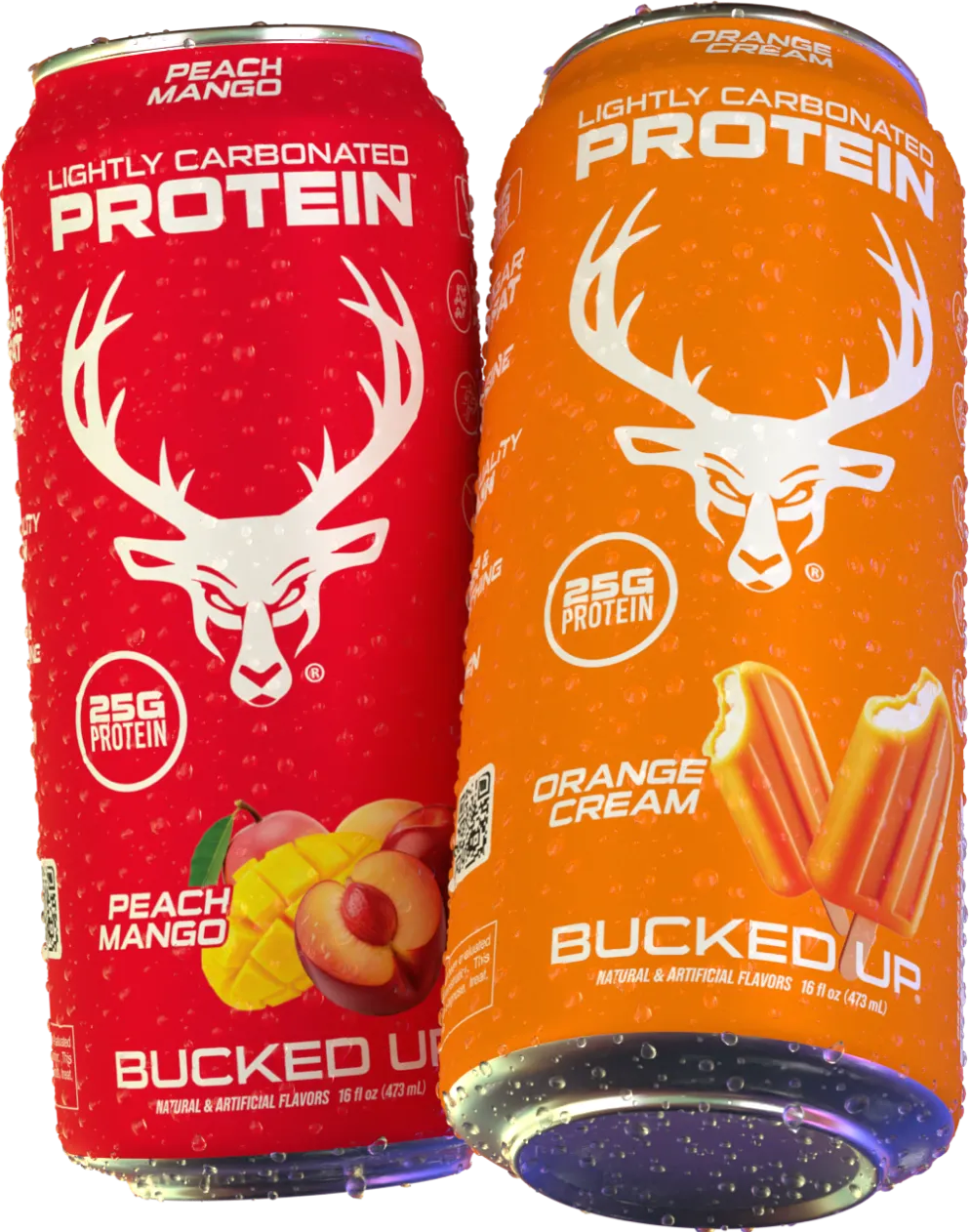
- Bucked Up Protein Soda stands out with 25g whey isolate in 100 calories in a refreshing, carbonated format that avoids a chalky, milky texture.
- GLP-1 medication users often do better with light, easy-to-digest drinks like Bucked Up to reach 25–40g protein per meal and reduce lean mass loss risk.1
- Experience convenient, on-the-go protein support for weight loss and active lifestyles with Bucked Up Protein Soda.1
How to Judge Low-Calorie Protein Drinks for Busy Days
Effective portable protein drinks deliver substantial protein while keeping calories in check. The ideal ratio gives you at least 20g of protein in under 150 calories so you get strong nutritional value without a large calorie hit. This efficiency matters most when the protein source is highly pure. Whey protein isolate achieves 90–95% protein purity with virtually zero fat and less than 1% lactose, while concentrate forms usually sit around 70–80% protein content.
Absorption speed also plays a key role for on-the-go use. Whey protein isolate absorbs at approximately 8 to 10 grams per hour into the bloodstream because refined processing removes much of the fat and lactose that can slow digestion.1
The comparison below shows how several leading options stack up on calories, protein content, and protein type so you can quickly see which drinks deliver more protein per calorie and which rely on whey isolate versus blends or plant sources.
| Product | Calories | Protein (g) | Type |
|---|---|---|---|
| Bucked Up Protein Soda | 100 | 25 | Whey Isolate |
| Premier Protein | 160 | 30 | Protein Blend |
| Fairlife Core Power | 170 | 26 | Filtered Milk |
| Muscle Milk Pro | 170 | 32 | Whey Blend |
9 Convenient Low Calorie Protein Drinks for On the Go
1. Bucked Up Protein Soda
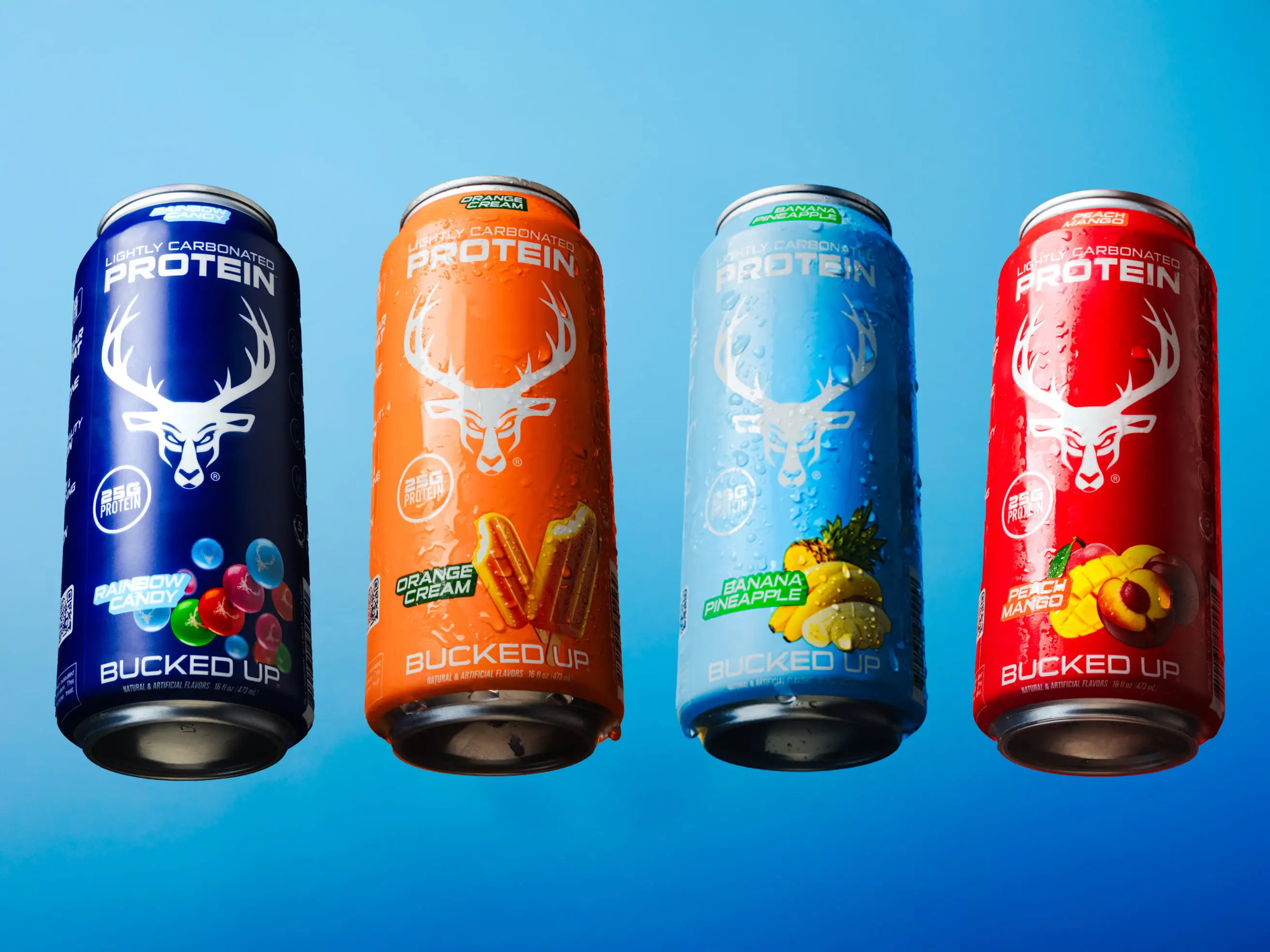
Bucked Up Protein Soda offers a lightly carbonated format delivering 25g of whey protein isolate in just 100 calories. This caffeine-free beverage contains zero sugar and zero carbs, which makes it a fit for keto and paleo approaches. The energy drink-like taste creates a light, non-chalky experience instead of a heavy, milky shake.
Customer feedback reinforces that experience. One reviewer shared, “The protein sodas far exceeded my expectations. They taste similar to an energy drink and don’t have any weird aftertaste like some other clear whey protein drinks do.” Another user noted, “It’s lightly carbonated, smooth, and genuinely delicious. Not overly sweet, not artificial-tasting, and zero of that gritty protein mouthfeel.”
Manufactured in GMP-certified USA facilities, Bucked Up Protein Soda supports busy professionals, GLP-1 users who need easily digestible protein, and fitness enthusiasts who want a refreshing post-workout option.1 Try this carbonated protein innovation if you prefer a crisp, soda-like drink over a traditional shake.
2. Premier Protein Shake
Premier Protein delivers 30g of protein in 160 calories. The ready-to-drink carton offers grab-and-go convenience for packed schedules, although the thicker consistency can feel heavier than carbonated alternatives. With flavors like chocolate and vanilla, these shakes provide reliable nutrition for post-workout recovery or occasional meal replacement.
3. Fairlife Core Power
Core Power uses filtered milk protein to provide 26g of protein in 170 calories. Fairlife Core Power’s ultra-filtered process removes most of the lactose, and enzymes convert the rest into other digestible sugars. This drink appeals to people who prefer milk-based protein sources over whey isolates and want a familiar, creamy texture in a convenient bottle.
4. Muscle Milk Pro Series
Muscle Milk Pro offers 32–40 grams of protein depending on the flavor. The Pro Series 32 Intense Vanilla (1 container, 330 ml) has 170 calories from a whey protein blend. The formulation includes added amino acids and nutrients that target athletic performance and recovery.1
The thicker shake texture can feel satisfying after intense training but contrasts with lighter, carbonated options like Bucked Up for people who want something less heavy.
5. OWYN Plant-Based Protein
OWYN provides 20g of plant-based protein in 140 calories per 2 scoops of its Plant-Based Protein Powder, Smooth Vanilla. This formula serves vegan and dairy-free preferences. The pea and pumpkin protein blend offers a complete amino acid profile, although absorption rates can differ from whey isolate and may feel less rapid for some users.
6. Quest Protein Shake
Quest Protein Shake delivers more than 20g of protein in 170 calories per serving with minimal sugar. It uses milk protein concentrate and milk protein isolate as its protein base, which supports solid protein quality and absorption. The flavor and mouthfeel stay close to a classic shake rather than a newer carbonated style.
7. Iconic Protein Drink
Iconic Protein Drink offers 20g of protein in about 130 calories using grass-fed whey protein. The simple ingredient list appeals to health-conscious shoppers who prioritize recognizable components. The format remains a conventional ready-to-drink shake, so it lacks the bubbly, soda-like experience of carbonated protein drinks.
8. Orgain Organic Protein
Orgain provides 21g of organic plant protein in 150 calories per 2 scoops (46g) of its Organic Protein™ Protein Powder. USDA organic certification attracts environmentally focused consumers and those who value organic sourcing. Plant protein absorption may be slower than whey isolate, so some people use larger servings or pair it with other protein sources across the day.
9. Evolve Plant Protein
Evolve delivers 20g of pea protein in 150 calories in 2 scoops (45 g) of its Plant Based Protein Powder with natural flavoring. The straightforward ingredient list fits clean eating preferences. The plant-based formula often digests more slowly than whey protein isolate, so it may not match the rapid absorption seen in the whey-based options above.
Best Protein Drinks for GLP-1 Users Preventing Muscle Loss
Among the products reviewed above, certain traits make some options especially helpful for people at higher risk of muscle loss, such as those taking GLP-1 medications. GLP-1 medication users face unique challenges because appetite suppression can reduce overall food intake by up to 40%, which often leads to low protein intake. Experts recommend 25–40 grams of protein per meal for GLP-1 users to support muscle preservation.1
Bucked Up Protein Soda fits these needs with a light, easily digestible format that provides 25g of whey protein isolate without the heaviness that can trigger nausea. The carbonated texture and energy drink-like taste can encourage consistent intake even when appetite feels low, which helps GLP-1 users move closer to their daily protein targets.1
How to Pick & Time Your On-the-Go Protein Drink
Choosing an on-the-go protein drink starts with protein type, calorie efficiency, and flavor. Among protein types, whey protein isolate often works well for people who want fast absorption and fewer calories from fats and carbs.1 Whey protein isolate contains at least 90% protein by weight, providing higher purity than whey concentrate, which directly supports a high-protein, lower-calorie approach.1
Timing also affects results. Consuming protein within 30 to 60 minutes after strength training can support muscle recovery and growth.1 For weight loss, many people choose drinks under 120 calories so they can hit protein goals while still keeping total daily calories in a deficit.
Practical details matter too. Look for drinks that stay stable at room temperature and come in packaging that fits easily in a bag or desk drawer. Ready-to-drink cans or bottles remove mixing and cleanup, which helps on travel days, long commutes, and times when meals get delayed.
Frequently Asked Questions
Which protein drink has the least calories?
Bucked Up Protein Soda contains just 100 calories while delivering 25g of whey protein isolate, giving it a strong calorie-to-protein ratio among ready-to-drink options listed here. The carbonated format offers high protein density with a relatively small calorie impact.
What are good low calorie protein shakes for weight loss?
Helpful options for weight loss combine higher protein content with modest calories. Bucked Up Protein Soda provides 25g protein in 100 calories, while drinks like Quest and Iconic keep calories under about 140 with at least 20g of protein. Many people favor whey protein isolate for its absorption speed and support for fullness.1
Can I drink protein shakes while on Wegovy or other GLP-1 medications?
Yes. Protein drinks often support GLP-1 users who need easy, concentrated protein sources.1 Light, carbonated options like Bucked Up Protein Soda can work well when appetite is suppressed because they provide essential protein without a heavy shake texture that might trigger nausea. The 25g protein content in each can helps users move toward daily protein targets for muscle maintenance.1
What is the difference between whey protein isolate and concentrate?
Whey protein isolate goes through additional filtration to reach 90–95% protein purity with very little fat or lactose. Concentrate usually contains about 70–80% protein and more fats and carbohydrates. Isolate typically absorbs faster and offers more protein per calorie, which can help people following low-calorie diets or those who are sensitive to lactose.1
Are these protein drinks safe for daily consumption?
Ready-to-drink protein beverages are generally safe for daily use as part of a balanced eating pattern. Products made in GMP-certified facilities, such as Bucked Up, follow established quality manufacturing standards. These drinks can supplement dietary protein intake and can be especially useful for people who struggle to reach protein goals through whole foods alone.
Conclusion
Convenient low calorie protein drinks now include traditional shakes and newer carbonated options, giving you more ways to hit your protein goals. Bucked Up Protein Soda delivers whey protein isolate in a refreshing 100-calorie can that avoids many common shake drawbacks like heaviness and chalky texture. Whether you focus on weight loss, GLP-1 therapy, or an active training schedule, this protein-dense, low-calorie option can support on-the-go nutrition.1 Discover portable protein supplementation with Bucked Up Protein Soda.
1 The content provided in this article is for informational purposes only and is not medical advice. Consult with a medical professional before implementing any changes to your diet, health, or exercise routines.
Individual results will vary and are based on a combination of each individual’s diet, exercise, age, and health circumstances.
These statements have not been evaluated by the Food and Drug Administration. This product is not intended to diagnose, treat, cure or prevent any disease.
This article was written by Ryan Gardner, CEO of Bucked Up. As the maker of Bucked Up Protein Soda, we have a financial interest in this information. The views expressed are our own and should be read with that context in mind.