Last updated: April 22, 2026
Key Takeaways for High Protein Sodas
- Protein gaps affect millions, especially GLP-1 users who can lose 20-40% lean mass. A 25g serving supports muscle protein synthesis and satiety.1
- High protein sodas like Bucked Up provide whey isolate with 100 calories and 0g carbs or sugar in a refreshing carbonated format, which many people find easier to drink than heavy shakes.
- Whey isolate offers faster absorption and a complete amino acid profile compared to concentrate or collagen, which works well for post-workout and daily use.1
- GLP-1 users often benefit from light, fizzy protein sodas that feel easier on the stomach, support higher daily protein needs, and help preserve muscle during weight loss.1
- Bucked Up Carbonated Protein Soda delivers convenient, zero-carb protein that can fit keto, fitness, and GLP-1 goals.
Top 5 High Protein Sodas with 25g Protein for 2026
1. Bucked Up Protein Soda: Light, Carbonated Whey Isolate
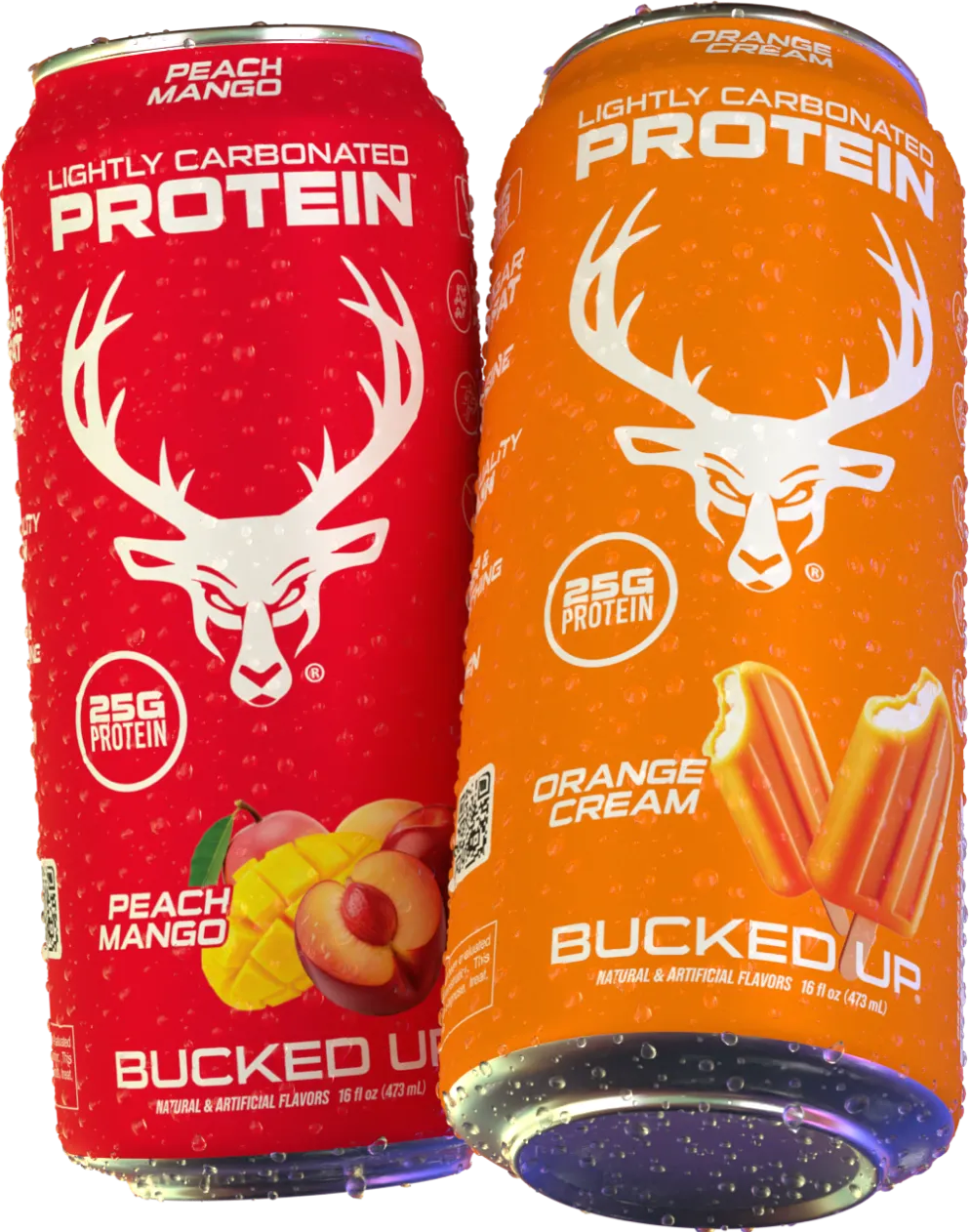
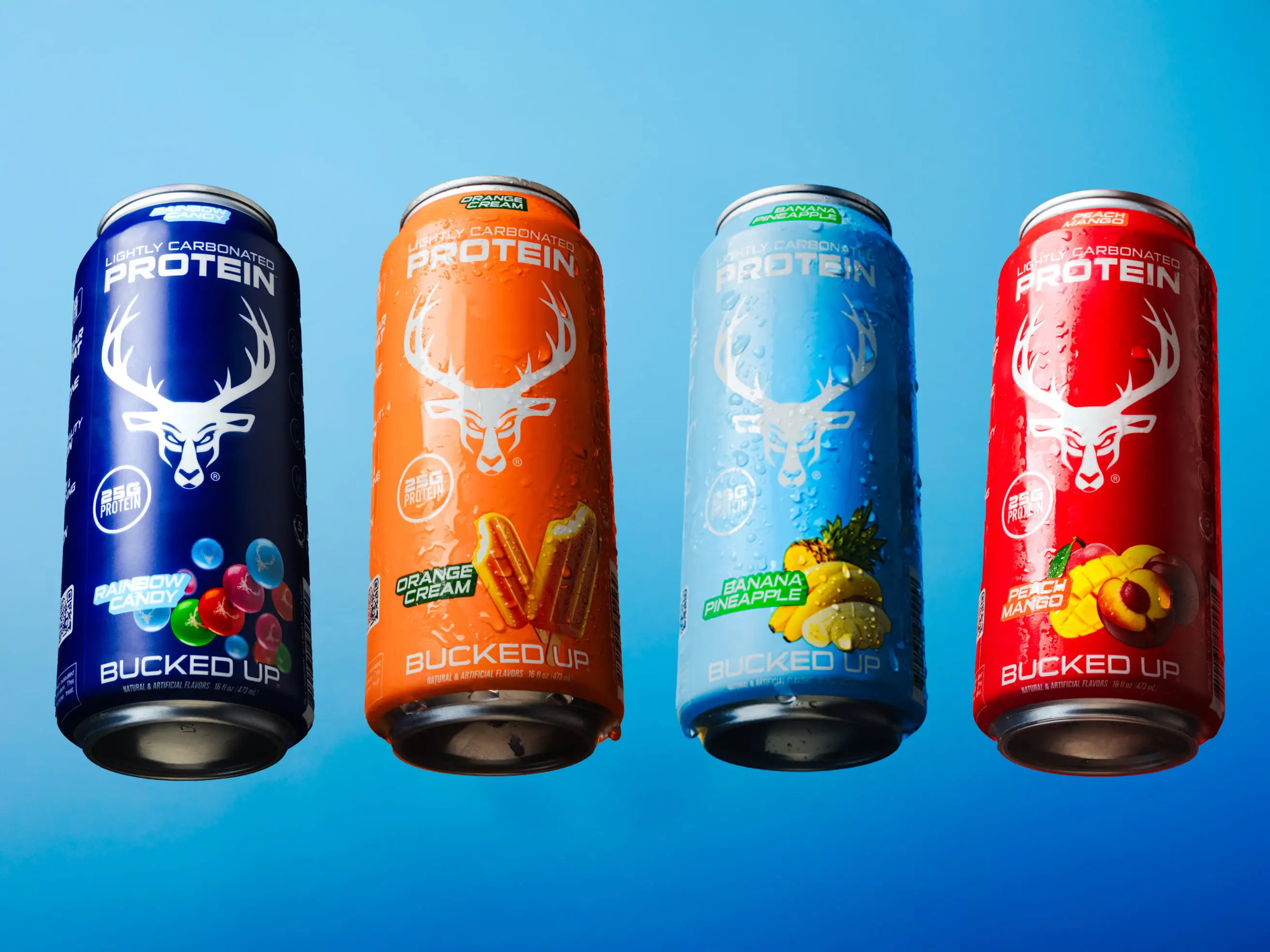
Bucked Up delivers 25g of whey protein isolate with 100 calories, 0g carbs, and 0g sugar in a lightly carbonated 16 fl oz can. It comes in Banana Pineapple and Peach Mango flavors and has an energy drink-style taste without the chalky feel of many protein drinks. The whey protein isolate provides superior absorption compared to concentrate forms, which supports post-workout recovery and daily protein goals.1 Many GLP-1 users may appreciate the light, non-milky format that tends to avoid triggering nausea or digestive discomfort.1
2. Premier Protein Clear: Mainstream Clear Protein Option
Premier Protein’s clear variant offers 20g of whey protein in a lighter format than their traditional shakes. With 90 calories and 1g carbs, it provides a less carbonated but still refreshing choice. The fruit-forward flavors suit people who want a break from chocolate and vanilla profiles. The protein source may include concentrate alongside isolate, so the formula differs from pure isolate products.
3. Fairlife Core Power Elite: High-Protein Dairy Shake
Core Power Elite uses ultra-filtered milk protein to deliver 42g protein with 230 calories per bottle (414 ml) and 8g carbs. The higher calorie content suits people who want a more substantial shake rather than a light beverage. It offers a creamy mouthfeel that feels closer to a traditional shake than a soda. The lactose-free processing makes it accessible to many people with dairy sensitivities.
4. Muscle Milk Pro Series: Higher-Calorie Complete Protein Blend
Muscle Milk Pro Series Protein Powder combines whey and casein proteins for 50g of protein per serving with 170 calories in 1 container (330 ml). The blend provides both fast and slow-digesting proteins, which can support longer periods between meals. The calorie level may feel high for strict calorie-controlled plans, but it can work well for people focused on muscle gain or meal replacement.
5. Optimum Nutrition AmiN.O. Energy + Protein: Pre-Workout Hybrid
This blend combines whey protein with amino acids and caffeine. The stimulant content can limit timing flexibility compared to caffeine-free alternatives, especially for evening use. If you need protein at several times throughout the day, caffeine-free options like Bucked Up offer more versatility because they do not interfere with sleep. When comparing any protein soda, prioritize whey protein isolate for faster absorption and cleaner ingredient profiles, and always taste products chilled to experience the intended flavor.
Why 25g Protein Supports Fitness and GLP-1 Goals
The 25g protein target aligns with muscle protein synthesis research and practical diet planning. Research indicates that 2.5 to 3 grams of leucine per meal is required to trigger muscle protein synthesis, achievable with 1 scoop of whey isolate or equivalent protein sources. This amount supplies enough essential amino acids to support muscle building and repair.1
For GLP-1 medication users, experts recommend 1.0-1.6 grams of protein per kilogram of ideal body weight daily. A 154-pound person typically needs about 70-112 grams per day, so 25g servings help reach that range across three main meals. This distribution strategy matters because Dr. Paul Arciero’s research on protein pacing shows that consuming 20-40 grams every 3-4 hours is superior for fat loss and muscle retention compared to consuming the same total amount in fewer, larger doses.
The thermic effect of protein burns roughly 20-30% of its calories during digestion, which supports metabolic health during weight loss.1 Protein also triggers satiety hormones like Peptide YY, which can enhance fullness alongside GLP-1 medications and support appetite control.1
Bucked Up Protein Soda for GLP-1 Users on Zepbound or Ozempic
GLP-1 receptor agonist users face specific nutritional challenges that make liquid protein especially helpful. A 2026 study found that adults using GLP-1 RAs had average protein intake of 0.6 g/kg/day, with 88% below recommended levels. Reduced appetite and nausea from solid foods often make it harder to reach daily protein goals.
Given the significant lean mass loss mentioned earlier, protein preservation strategies become essential during GLP-1 treatment. Carbonated protein sodas like Bucked Up offer several advantages that work together to address these challenges. The light, fizzy format is easier to drink when appetite feels low, which supports consistent intake for muscle preservation.1 Unlike creamy shakes that can feel heavy or trigger digestive concerns, the clear liquid format tends to feel gentler on sensitive stomachs, and the refreshing taste makes daily protein feel more like a regular beverage than a chore.
Nutrition experts recommend cold, easy-to-digest proteins for GLP-1 users experiencing nausea, so chilled protein sodas can fit that guidance. The 100-calorie profile fits many reduced-calorie meal plans while still providing dense protein per serving.
Support your GLP-1 journey with Bucked Up protein soda for convenient, nausea-friendly protein.
Whey Isolate vs. Concentrate and Collagen in Protein Sodas
Protein source quality directly affects how well a high-protein beverage supports your goals. Whey protein isolate undergoes additional filtration that removes more fat, lactose, and carbohydrates than whey concentrate. This process creates a purer protein content, often 90% or higher compared to 70-80% for concentrate, and supports faster absorption.
The superior absorption mentioned in Bucked Up’s profile comes from this extra filtration, which strips out more non-protein components. This processing supports quicker delivery of amino acids and can reduce digestive discomfort for people who are sensitive to lactose.1
Bucked Up uses only whey protein isolate, so each can delivers a complete amino acid profile with high bioavailability. The cleaner processing can also reduce digestive issues that sometimes occur with concentrate-based products.1, which matters for people with lactose sensitivities or digestion affected by medications.
2026 Buyer’s Guide: Pricing, Flavors, and Where to Find Bucked Up
Understanding protein quality helps you compare products, but practical details like price, flavors, and availability determine what fits your routine. Market research projects the global protein drink market to grow at a CAGR of 9.36% from 2025 to 2032, reaching $65.5 billion by 2032. This growth reflects rising awareness of protein’s role in weight management and healthy aging.
Bucked Up Protein Soda comes in two flavors, Banana Pineapple and Peach Mango. Current pricing averages $3.33 per 16 fl oz can, which places it within the premium protein beverage category. You can buy it through several channels, including Amazon for convenient delivery, with retail distribution expanding across the country.
The zero sugar beverage market is projected to grow from $5.0 billion in 2026 to $19.6 billion by 2036, driven by health-conscious consumers and wider GLP-1 use. Bucked Up’s zero-sugar, zero-carb formula aligns with this shift toward lower-sugar drinks.
For best taste, store cans in a cool, dry place and serve well chilled. The caffeine-free formula works at any time of day, from post-workout recovery to an evening protein boost.
Conclusion: Where High Protein Sodas Fit in Your Routine
High protein sodas with around 25g of protein offer a different way to meet daily protein needs. Bucked Up Protein Soda delivers whey protein isolate in a refreshing carbonated format with a focused nutritional profile. Whether you are using GLP-1 medications, training regularly, or simply want convenient protein, carbonated protein sodas can complement or replace traditional shakes in your routine.
The combination of complete amino acid profiles, practical absorption rates, and an easy-to-drink format makes these beverages useful for consistent daily intake. As the category grows, carbonated protein options help remove common barriers to getting enough protein.
Experience Bucked Up’s carbonated protein innovation and explore a different way to reach your daily protein goals.
Frequently Asked Questions
Is 25g of protein enough per serving for muscle building and weight management?
Yes. A 25g serving supports muscle protein synthesis for most adults.1 This serving size contains the leucine threshold discussed earlier to trigger anabolic processes while fitting into daily protein distribution strategies. Many people see good results when they consume 25g servings three times per day and pair that intake with resistance training.
What makes protein soda helpful for GLP-1 users compared to traditional protein shakes?
Protein sodas can feel easier to drink for many GLP-1 users. The light, carbonated format often goes down more smoothly when appetite is low, and the clear liquid usually does not trigger nausea the way thick, creamy textures might. The low-calorie density, such as 100 calories for 25g protein, fits many reduced-calorie plans while still supporting muscle preservation.1
Are protein sodas suitable for ketogenic diets?
Options like Bucked Up Protein Soda contain 0g carbohydrates and 0g sugar, which fits ketogenic eating patterns. The whey protein isolate supplies high-quality protein without disrupting ketosis.1 and the 100-calorie serving can be worked into daily macro targets.
Do protein sodas taste like traditional protein shakes?
Protein sodas provide a different taste and texture experience than traditional shakes. They tend to taste crisp and refreshing, closer to energy drinks or flavored sodas, without a chalky or creamy mouthfeel. The carbonation adds a light fizz that can make protein intake feel more enjoyable.
Is it safe to drink protein soda daily?
Daily use is generally considered safe for healthy adults as part of a balanced diet. Whey protein isolate is a complete protein source that supports everyday nutrition.1 People with medical conditions or those taking medications should speak with their healthcare provider before making significant diet changes, especially when using GLP-1 medications or managing chronic health issues.
1 The content provided in this article is for informational purposes only and is not medical advice. Consult with a medical professional before implementing any changes to your diet, health, or exercise routines.
Individual results will vary and are based on a combination of each individual’s diet, exercise, age, and health circumstances.
These statements have not been evaluated by the Food and Drug Administration. This product is not intended to diagnose, treat, cure or prevent any disease.
This article was written by Ryan Gardner, CEO of Bucked Up. As the maker of Bucked Up Protein Soda, we have a financial interest in this information. The views expressed are our own and should be read with that context in mind.