Last updated: April 22, 2026
Key Takeaways
- Whey protein soda absorbs quickly, peaking in 20–30 minutes, which supports post-workout recovery1. Casein releases amino acids slowly over 6–8 hours, which supports overnight muscle maintenance1.
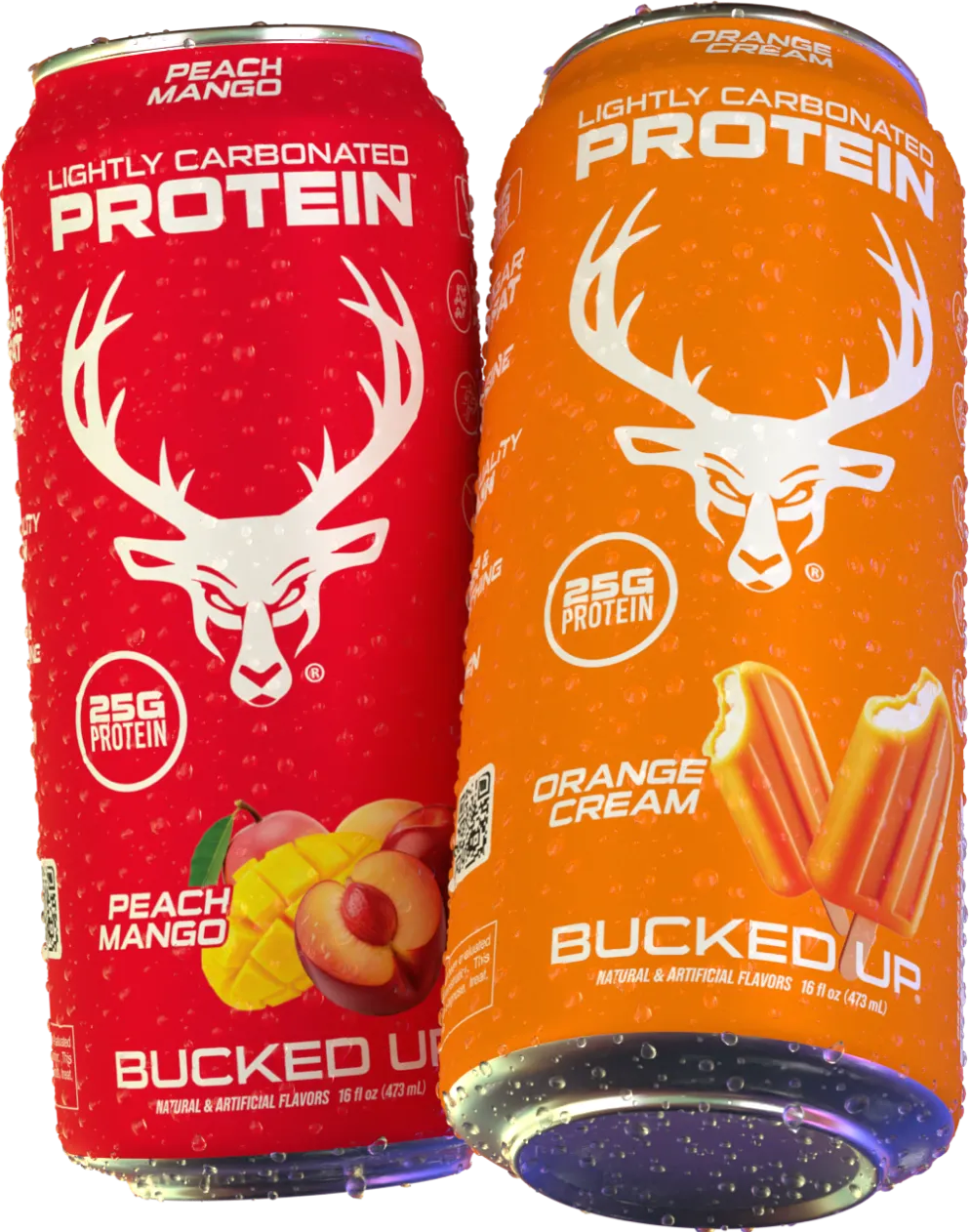
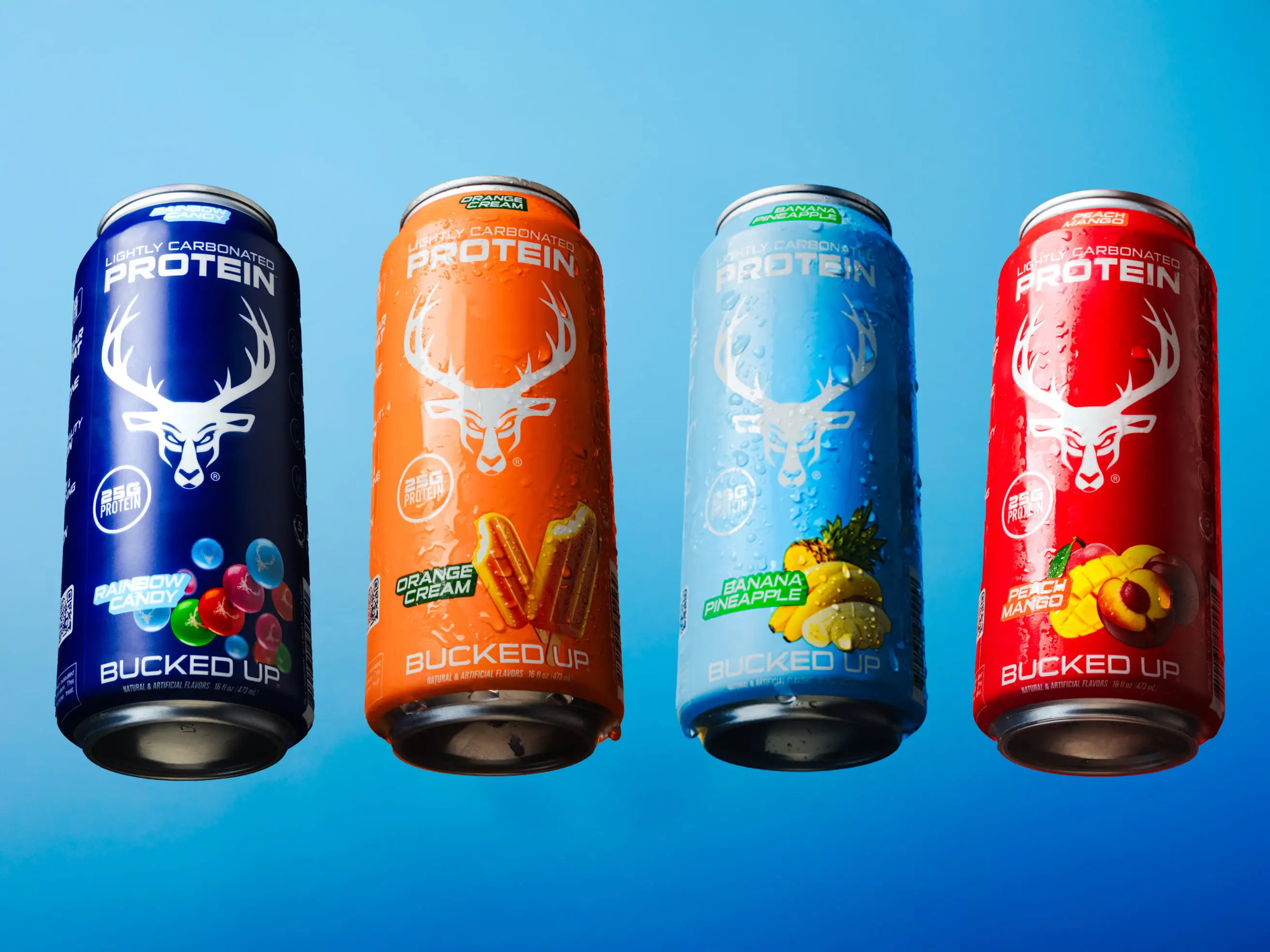
- Bucked Up Protein Soda provides 25g whey isolate with 100 calories, zero sugar, and zero carbs, while typical casein servings often contain more calories and may include lactose.
- For muscle building, whey’s rapid leucine spike drives muscle protein synthesis1. Studies show similar long-term results to casein, while convenient formats can support better consistency.
- People focused on weight loss and GLP-1 users can benefit from whey’s low-calorie liquid format, which helps preserve lean mass when 20–40% of weight loss may come from muscle1.
- Choose Bucked Up Protein Soda for versatile, refreshing protein support that fits recovery, satiety, and daily intake goals, with grab-and-go convenience1.
How We Compare Whey Protein Soda and Casein
Key factors shape how well a protein supplement supports your goals: absorption speed, protein quality, caloric efficiency, taste, convenience, and lifestyle fit. These elements determine when each protein type delivers the most benefit. Whey proteins digest and absorb rapidly and contain branched-chain amino acids like leucine that promote muscle protein synthesis, which often makes whey a go-to option for post-exercise recovery, while casein supports prolonged amino acid release1. In contrast, casein forms gastric curds that slow absorption and provide sustained aminoacidemia for 7–8 hours after ingestion. This core difference in absorption speed makes timing and use cases especially important.
The next sections walk through a side-by-side comparison, then apply these differences to muscle building, weight loss, timing, and everyday use so you can match each option to your routine.
Whey Protein Soda vs Casein: Key Differences at a Glance
The table below summarizes how whey protein soda and casein differ on the factors that matter most. Pay close attention to absorption speed, calories, and convenience, because these details influence when and how you will actually use each protein.
| Factor | Whey Protein Soda (Bucked Up) | Casein Protein | Source |
|---|---|---|---|
| Absorption Speed | Fast (20-30 min peak) | Slow (6-8 hrs) | Naked Nutrition |
| Protein/Serving | 25g isolate | 25g micellar | Product facts |
| Calories | 100 | 120-150 | Bucked Up, typical casein |
| Carbs/Sugar | Zero | Potential lactose | Product facts |
| Texture | Light/carbonated | Thick/creamy | Company specs |
| Best Timing | Post-workout/daytime | Bedtime | BodySpec |
| Digestibility | Low bloat (lactose-reduced) | Potential heaviness | JNHFE |
| Convenience | RTD grab-and-go | Powder mixing | N/A |
Whey protein soda’s rapid absorption and light, refreshing taste fit many daily situations, from post-workout recovery to afternoon protein breaks1. Whey protein also has one of the highest biological values among dietary proteins and supplies a full spectrum of essential amino acids that support muscle recovery1. Bucked Up’s whey isolate formulation focuses on purity and faster absorption than whey concentrate, which provides protein without unnecessary sugars or extra fillers.
Muscle Building & Recovery: Where Whey Soda and Casein Fit
Post-workout muscle recovery benefits from fast amino acid delivery, which aligns well with whey protein soda1. Ingesting 20–25 g of high-quality protein such as whey can increase postprandial muscle protein synthesis rates by up to 40% for 4–6 hours at rest and during exercise recovery1. Whey also produces a higher immediate leucine rise that triggers muscle protein synthesis1, which matches the rapid absorption profile shown earlier. This 20–25 g threshold becomes especially useful in the first 30 minutes after training.
A 2013 study on female NCAA Division I basketball players reported no significant differences between whey and casein supplementation for body composition, strength, or performance. These findings suggest that consistency and total protein intake matter more than protein type alone. A ready-to-drink whey protein soda can support that consistency by making daily protein intake easier and more enjoyable.
While muscle building focuses on maximizing protein synthesis after training, many people also care about preserving muscle while losing weight. That shift in focus leads directly into how whey and casein support weight loss and GLP-1 users.
Casein vs Whey for Weight Loss & GLP-1 Users
Weight loss, especially with GLP-1 medications, raises the risk of losing muscle along with fat, so protein intake becomes crucial. Clinical studies indicate that roughly 20–40% of weight lost on GLP-1 receptor agonist therapy may come from lean mass, which highlights the need for steady protein. The STEP 1 clinical trial for semaglutide found that about 40% of total weight loss among participants was lean mass rather than fat.
Bucked Up Protein Soda’s liquid format can feel easier to consume when appetite drops on GLP-1 therapy, and its 100-calorie profile supports calorie-conscious plans1. Research comparing whey and casein for weight loss shows neither protein clearly outperforms the other, and total daily protein plus calorie balance remain the main drivers. Whey protein soda simply offers a practical way to hit those protein targets without adding many calories.
Support your weight management goals with convenient, muscle-preserving protein – try Bucked Up Protein Soda1.
After understanding how each protein supports muscle and weight goals, timing becomes the next piece of the puzzle. Matching whey or casein to specific parts of your day helps you get more from the same total protein.
Best Timing Guide: When to Use Whey Soda vs Casein
Protein timing should match your goals and daily schedule, using each protein where it works best. Whey protein soda’s rapid absorption, already noted earlier, makes it a strong fit for post-workout recovery and daytime protein needs1. The same 20–25 g protein range discussed above becomes especially helpful after training, when muscles respond strongly to amino acids.
Busy professionals can keep whey soda on hand for quick afternoon protein boosts without mixing powders or carrying shakers. For overnight muscle support, casein’s slow, sustained amino acid release over several hours makes it a natural choice before bed. This pattern, with whey during active hours and casein before sleep, spreads protein support across the full day.
Whey protein soda’s versatility also allows multiple servings at different times, such as post-workout and later in the afternoon, while casein can stay focused on nighttime use.
Once timing feels clear, many people still want to know how these options taste, digest, and fit into everyday life, which often decides what they will actually drink.
Everyday Experience: Taste, Digestion & Daily Use
Taste and digestion often determine whether you stick with a protein routine. Bucked Up Protein Soda’s carbonated format creates a crisp, refreshing experience that feels lighter than traditional shakes or casein’s thicker texture. Casein proteins form a gel-like structure in the acidic environment of the stomach, which slows digestion, and some people report bloating or discomfort from this slower movement.
The caffeine-free formulation of Bucked Up Protein Soda supports use at any time of day, including evenings, without affecting sleep. The ready-to-drink can also removes prep work, which can help you maintain consistent daily protein intake.
After weighing taste, digestion, timing, and goals, you can build a simple decision framework that points you toward whey soda, casein, or a mix of both.
Simple Decision Framework: Choosing Whey Protein Soda or Casein
Whey protein soda fits people who want rapid absorption after workouts, convenient on-the-go protein, support during weight loss or GLP-1 use, a lighter taste instead of thick shakes, and flexible all-day use. Bucked Up Protein Soda can help those aiming to preserve muscle during calorie restriction, professionals who need quick nutrition between meetings, and anyone increasing protein without relying on heavy meal replacement shakes1.
Casein works best as a focused bedtime option when sustained overnight amino acid release matches your goals. Many people choose whey protein soda for daytime and casein at night, which balances speed and duration. Weigh the trade-offs among absorption speed, convenience, taste, and how likely you are to stay consistent with each format.
Experience the convenience of carbonated protein – grab a Bucked Up Protein Soda.
FAQ
Which is healthier, casein or whey?
Both casein and whey are complete proteins that contain all essential amino acids, so each supports basic nutritional needs. The main differences involve absorption speed and how you use them. Whey protein isolate, like the type in Bucked Up Protein Soda, offers higher purity with reduced lactose content, which can suit people with mild lactose sensitivities. Whey’s rapid absorption makes it flexible for most daily protein needs, while casein’s slow release fits specific windows such as overnight muscle support1.
How does casein compare to whey for weight loss?
Both proteins can support weight loss when total daily protein and calorie balance are on target. Whey protein soda can help with weight management through its 100-calorie serving that delivers 25g protein, its easy-to-drink liquid format that works well when appetite is low, and its fast absorption that supports muscle preservation during calorie restriction1. These traits can be especially helpful for people using GLP-1 medications or following structured calorie-controlled plans where maintaining lean muscle mass supports metabolic health.
Can I use both whey protein soda and casein together?
Using both whey protein soda and casein can cover different parts of your day. Many people choose whey protein soda for post-workout recovery, mid-day protein boosts, or any time they want convenient protein, then reserve casein for bedtime to support overnight muscle recovery with slow amino acid release. Bucked Up Protein Soda’s portability and taste make it easier to reach daily protein goals alongside a nighttime casein serving.
Is whey protein soda suitable for people with dietary restrictions?
Bucked Up Protein Soda supports several dietary approaches with its zero sugar, zero carb formula that fits ketogenic and low-carb lifestyles1. The whey isolate base lowers lactose content compared to whey concentrate, which can work better for people with mild lactose sensitivities. Its caffeine-free formula allows use at any time without stimulant concerns, and the ready-to-drink can removes prep time for busy schedules.
How does whey protein soda compare to traditional protein shakes?
Whey protein soda differs from traditional protein shakes in several practical ways. It requires no mixing or preparation, offers a lighter and more refreshing taste, and uses a whey isolate formulation that many people find easier on digestion. The grab-and-go can and energy drink-like flavor profile can feel more appealing than heavier, creamier shakes. The carbonated format also creates a unique sensory experience that may help you stay consistent with your daily protein intake.
1 The content provided in this article is for informational purposes only and is not medical advice. Consult with a medical professional before implementing any changes to your diet, health, or exercise routines.
Individual results will vary and are based on a combination of each individual’s diet, exercise, age, and health circumstances.
These statements have not been evaluated by the Food and Drug Administration. This product is not intended to diagnose, treat, cure or prevent any disease.
This article was written by Ryan Gardner, CEO of Bucked Up. As the maker of Bucked Up Protein Soda, we have a financial interest in this information. The views expressed are our own and should be read with that context in mind.