Last updated: April 22, 2026
Key Takeaways
- Protein shakes absorb in about 20-40 minutes, so they deliver amino acids during the key post-workout recovery window.1
- Protein bars travel well and keep you fuller longer, but they often digest more slowly and pack more calories, so they fit better as snacks than as immediate recovery fuel.1
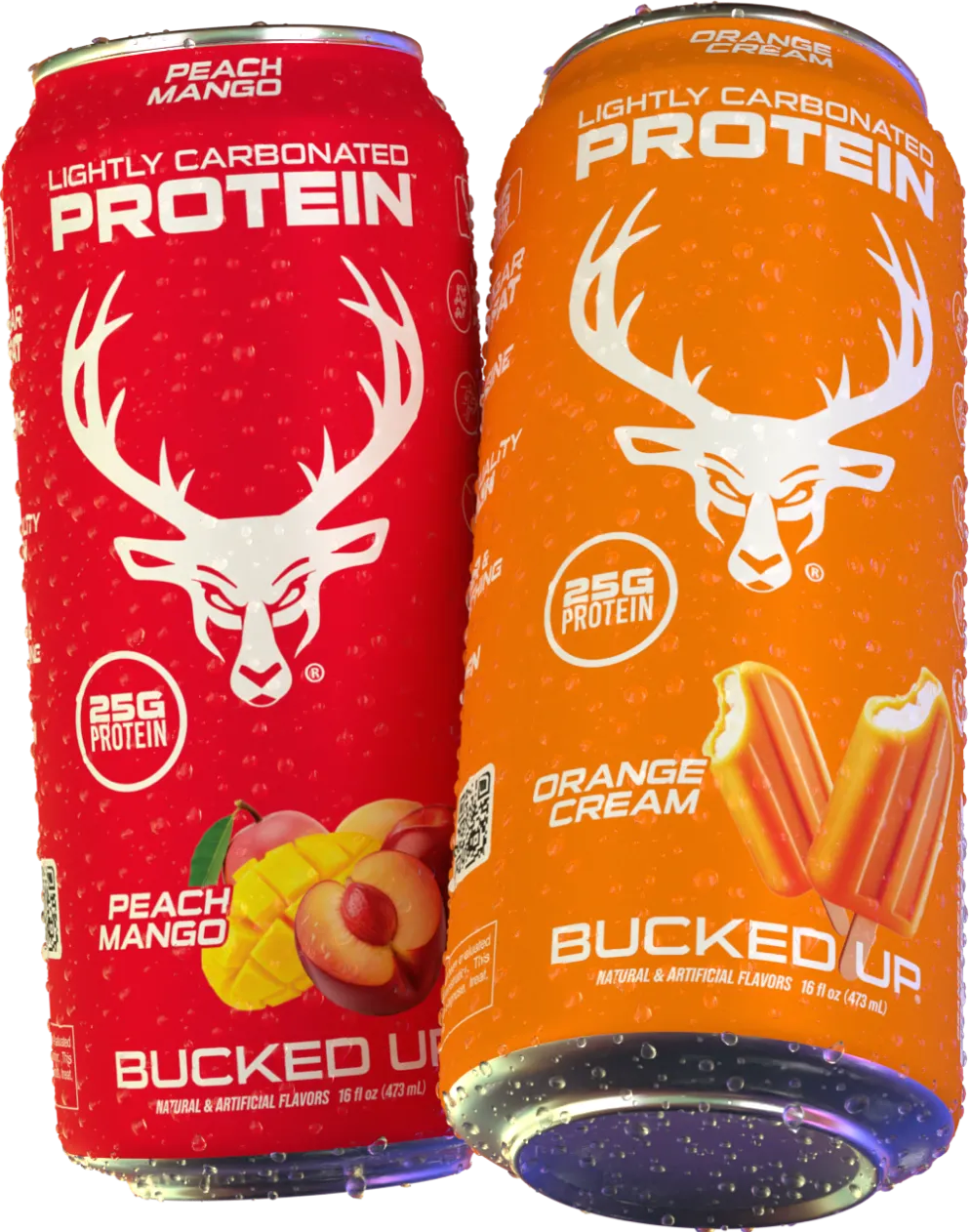
- Carbonated protein sodas combine fast liquid absorption with grab-and-go ease, delivering 25g whey isolate in a 100-calorie, zero-sugar can.1
- People on GLP-1 medications like Ozempic often tolerate light, fizzy liquids better than solid foods and still need to hit daily protein targets to protect muscle.1
- Instead of choosing between shakes and bars, you can use Bucked Up Protein Soda for rapid, refreshing post-workout recovery.1
To see how each option fits different recovery needs, compare how shakes, bars, and sodas perform on protein, calories, absorption, and convenience.
Protein Shake vs Bar vs Soda: Post-Workout Breakdown
| Format | Protein per Serving | Calories | Absorption Time | Convenience |
|---|---|---|---|---|
| Traditional Shake | 10-30g | 380-500 per 12 oz | 20-40 minutes | Requires mixing and cleanup |
| Protein Bar | 10-20g | 200-250 | 1-2 hours | Portable with slower digestion |
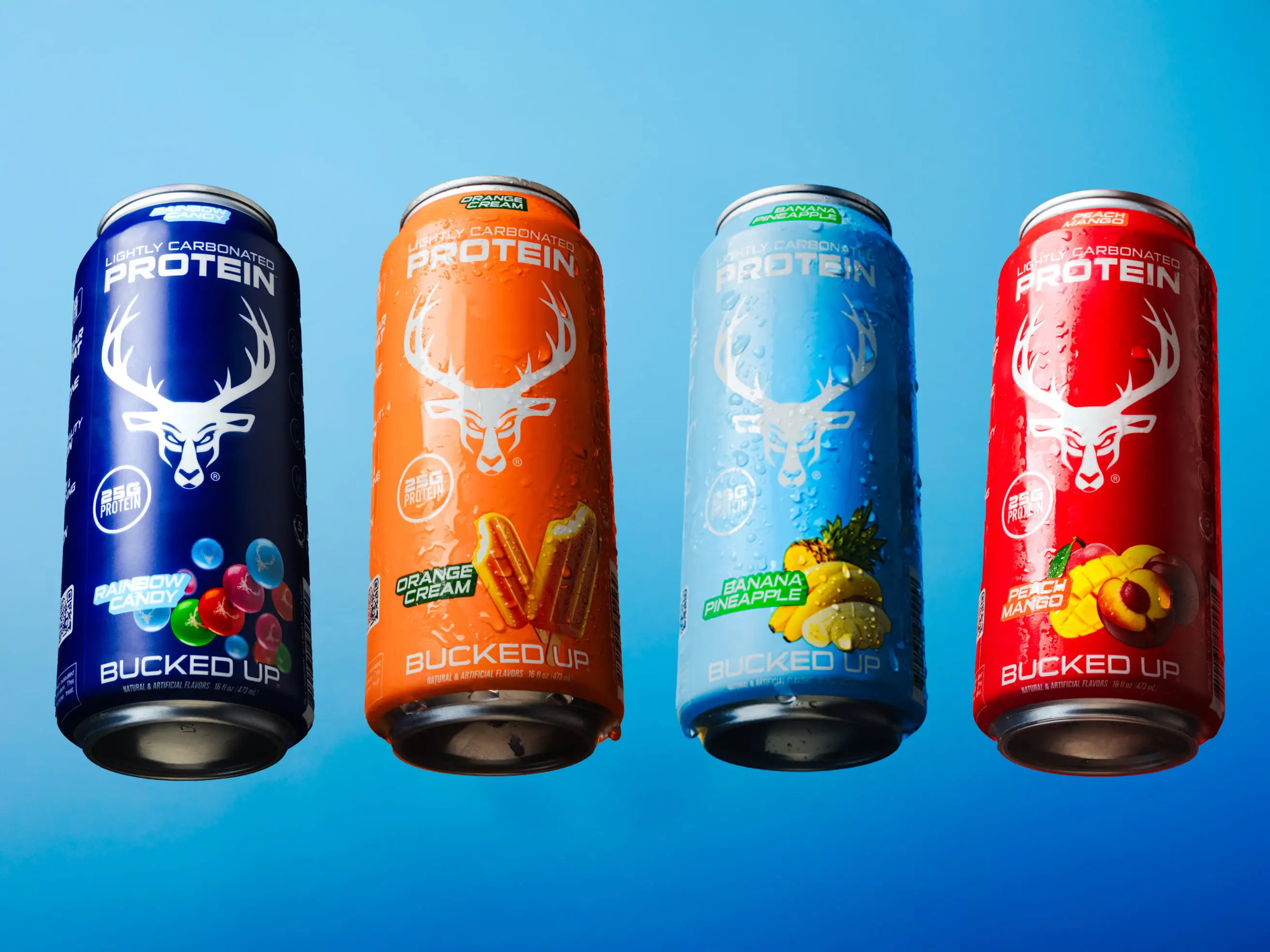
| Bucked Up Protein Soda | 25g isolate | 100 | About 20-40 minutes | Ready-to-drink and carbonated |
This comparison shows clear trade-offs for each format. Traditional shakes allow you to customize ingredients but add prep time and cleanup. Protein bars offer moderate fullness but can include sugar alcohols.1 Bucked Up Protein Soda delivers whey protein isolate in a zero-sugar, carbonated drink that pairs liquid absorption speed with true grab-and-go convenience.1
Everyday situations make these differences obvious. A gym-goer can crack open a cold can right after the last set without carrying a shaker bottle. A busy parent can pull a can from the fridge between errands and still hit protein goals. A GLP-1 user dealing with nausea may find a light, fizzy drink easier to handle than a dense bar or thick shake.
Muscle Gain After Workouts: Shake, Bar, or Soda?
For muscle building, absorption speed controls how quickly amino acids reach your muscles after training.1 Liquid proteins reach peak blood levels within about 20-40 minutes.1 Traditional shakes can deliver fast whey amino acids when your muscles respond most strongly to nutrients.1
Protein bars often face absorption challenges. Processing can lower protein digestibility to 47-81%, and sugars plus binding agents can interfere with digestive enzymes. Less digestible protein means fewer usable amino acids reach your muscles.1
Carbonated protein sodas can close this gap by pairing isolate-speed absorption with a ready-to-drink can. The isolate-based formula in Bucked Up Protein Soda supplies a complete amino acid profile for post-workout recovery.1
Weight Loss Goals: Choosing Between Shake, Bar, and Soda
For weight management, you need enough protein while keeping calories in check. Protein shakes usually contain less sugar and fewer calories than many protein bars, which supports calorie-restricted plans. Protein intake also raises GLP-1 hormone levels, which signal fullness and satisfaction to your brain.1
Protein bars can still play a role. Their fiber and fat content slow digestion and create moderate satiety.1 That longer-lasting fullness can help control snacking between meals, although the higher calorie density may work against aggressive fat-loss targets.
Bucked Up Protein Soda delivers 25g protein in 100 calories with zero sugar and zero carbs, which fits ketogenic and low-carb approaches. The carbonation increases volume and satisfaction without adding extra calories.1
Post-Workout Protein Timing: How Much and How Fast
The International Society of Sports Nutrition suggests 0.25-0.40g protein per kg body weight from fast-digesting sources within the post-workout window. For a 154-pound person, that equals about 17-28g of high-quality protein.
Dr. Stacy Sims recommends that women in their reproductive years consume 35g protein within 45 minutes after training, and 40-60g during peri-menopause or menopause. This post-exercise period creates a prime opportunity for recovery and adaptation.
Liquid formats fit these timing rules well because they leave the stomach quickly and raise blood amino acid levels faster than solids.1 Carbonated protein sodas align with these guidelines by combining rapid absorption with easy, immediate drinking.
Post-Workout Protein on Ozempic, Tirzepatide, or Zepbound
GLP-1 receptor agonist users face extra challenges with post-workout protein. These medications can cause 20-40% of total weight loss to come from lean mass instead of fat when protein intake falls short.1 Reduced appetite and nausea often make solid foods harder to eat consistently.
Experts recommend that many GLP-1 users aim for 1.2-1.6g protein per kg body weight daily. For a 154-pound person, that equals about 84-112g per day. Liquid protein sources become especially helpful when whole-food meals feel unappealing.
Traditional protein bars can worsen nausea for some people because they feel dense, very sweet, and digest more slowly. Protein shakes and supplements offer practical ways for GLP-1 users to reach protein targets when appetite drops or protein-rich foods are hard to tolerate.1
Carbonated protein sodas can add another option for this group. The light, fizzy texture may feel easier on a sensitive stomach while still delivering essential amino acids.1 The zero-sugar formula also avoids added sugars that some users prefer to limit with these medications. Explore Bucked Up Protein Soda for a GLP-1-friendly protein source.
Why Bucked Up Protein Soda Works for Recovery
Bucked Up Protein Soda tackles common shake and bar drawbacks with a different format. Its whey protein isolate supports faster absorption and contains less lactose than many concentrate-based products.1 At 100 calories with zero sugar and zero carbs, it fits several nutrition approaches without adding unnecessary calories.
The caffeine-free carbonation also sets it apart from typical ready-to-drink options. Unlike thick, milky protein drinks, the clear, fizzy texture feels light and refreshing, which can make it easier to drink right after a hard workout when you feel hot. This formulation is produced in USA GMP-certified facilities, which supports consistent quality in every can.
Your Post-Workout Protein Choice, Simplified
Your ideal format depends on what you need most after training. If speed and hydration sit at the top of your list, such as when you want immediate post-workout recovery, carbonated protein sodas offer fast absorption in a cold, ready-to-drink can. If you like to customize macros or blend in extras like creatine or fruit, traditional shakes give you that flexibility, even though they require mixing and cleanup.
When you need a solid snack that travels well and keeps you full between meals, protein bars can fill that role, with the trade-off of slower digestion and potentially lower digestibility. Your final choice should balance these differences with your schedule, digestion, and specific health or physique goals. Try Bucked Up Protein Soda if you want fast, convenient protein without a shaker bottle.
FAQ
Can protein bars replace shakes post-workout?
Protein bars rarely match shakes for immediate post-workout nutrition because they absorb more slowly. Bars offer convenience and portability, yet they often need 1-2 hours for full digestion, while liquid proteins absorb in about 20-40 minutes. That delay can blunt the benefits of precise post-workout protein timing. Bars usually work better as between-meal snacks than as your first choice right after exercise.
What is the best protein option after a workout for GLP-1 users?
Many GLP-1 medication users do well with liquid protein sources such as carbonated protein sodas. These individuals often deal with nausea and low appetite, which makes solid foods harder to eat. Liquids go down more easily while still delivering essential amino acids for muscle preservation. The light, fizzy feel of carbonated drinks can also help calm mild stomach discomfort while you work toward protein targets of 1.2-1.6g per kg body weight.
How does protein bar vs shake absorption differ post-workout?
Absorption speed differs sharply between liquids and solids. Liquid proteins raise blood amino acid levels within about 20-40 minutes, while solid protein bars often need 1-2 hours for full digestion. This timing matters during the post-workout window, when your muscles respond strongly to incoming nutrients. Processing in many bars can also lower digestibility to 47-81% compared with more isolated protein sources, so less of the labeled protein may reach your muscles.
Should I drink protein shakes while on Zepbound or similar medications?
Protein shakes can help support muscle while you use GLP-1 medications like Zepbound.1 These drugs can contribute to muscle loss during weight reduction, so consistent protein intake becomes crucial. Liquid proteins are often easier to drink when appetite drops or nausea appears. Look for whey protein isolate options that supply complete amino acids without large amounts of added sugar, especially if you want to keep blood sugar responses steady.
Which provides better muscle recovery: protein bars or carbonated protein drinks?
Carbonated protein drinks can offer advantages for muscle recovery because they absorb faster and often use highly bioavailable protein sources.1 The liquid format helps amino acids reach your muscles more quickly during the key post-workout period.1 Many carbonated options rely on whey protein isolate, which typically has higher purity and absorption than the mixed and more processed proteins found in some bars.1
1 The content provided in this article is for informational purposes only and is not medical advice. Consult with a medical professional before implementing any changes to your diet, health, or exercise routines.
Individual results will vary and are based on a combination of each individual’s diet, exercise, age, and health circumstances.
These statements have not been evaluated by the Food and Drug Administration. This product is not intended to diagnose, treat, cure or prevent any disease.
This article was written by Ryan Gardner, CEO of Bucked Up. As the maker of Bucked Up Protein Soda, we have a financial interest in this information. The views expressed are our own and should be read with that context in mind.