Last updated: April 22, 2026
Key Takeaways
- Consuming 20-40g protein within 2 hours post-workout supports muscle protein synthesis for recovery and fat loss.
- Whey protein isolate absorbs quickly and delivers high protein content with fewer calories than whey concentrate.1
- Nine convenient options under 150 calories provide at least 20g protein, including Bucked Up Protein Soda, Greek yogurt, turkey, and more.
- Low-calorie proteins support weight loss by preserving muscle, increasing fullness, and helping you maintain a caloric deficit.
- Choose Bucked Up Protein Soda for 25g whey isolate in 100 calories, a fit for post-workout recovery and many GLP-1 users.1
Why Low-Calorie Protein After a Workout Matters
Trommelen et al. (2023) demonstrated that consuming protein post-workout triggers a prolonged anabolic response lasting over 12 hours, so timing and quality of protein intake matter for recovery. Whey protein isolate offers faster absorption than concentrate and reaches 90% or higher protein content. This rapid absorption helps during the post-exercise period when muscles are primed for nutrient uptake.1
For weight management, protein supports both muscle retention and appetite control. A 2020 meta-analysis by Koh et al. found that whey protein consumption between meals significantly suppresses ghrelin and increases satiety hormones like GLP-1, which can support fat loss goals.1 Choosing options that deliver enough protein without many calories helps you stay in a caloric deficit while preserving muscle mass.
9 Low-Calorie Protein Snacks After Workout (Under 150 Cals, 20g+ Protein)
1. Bucked Up Protein Soda
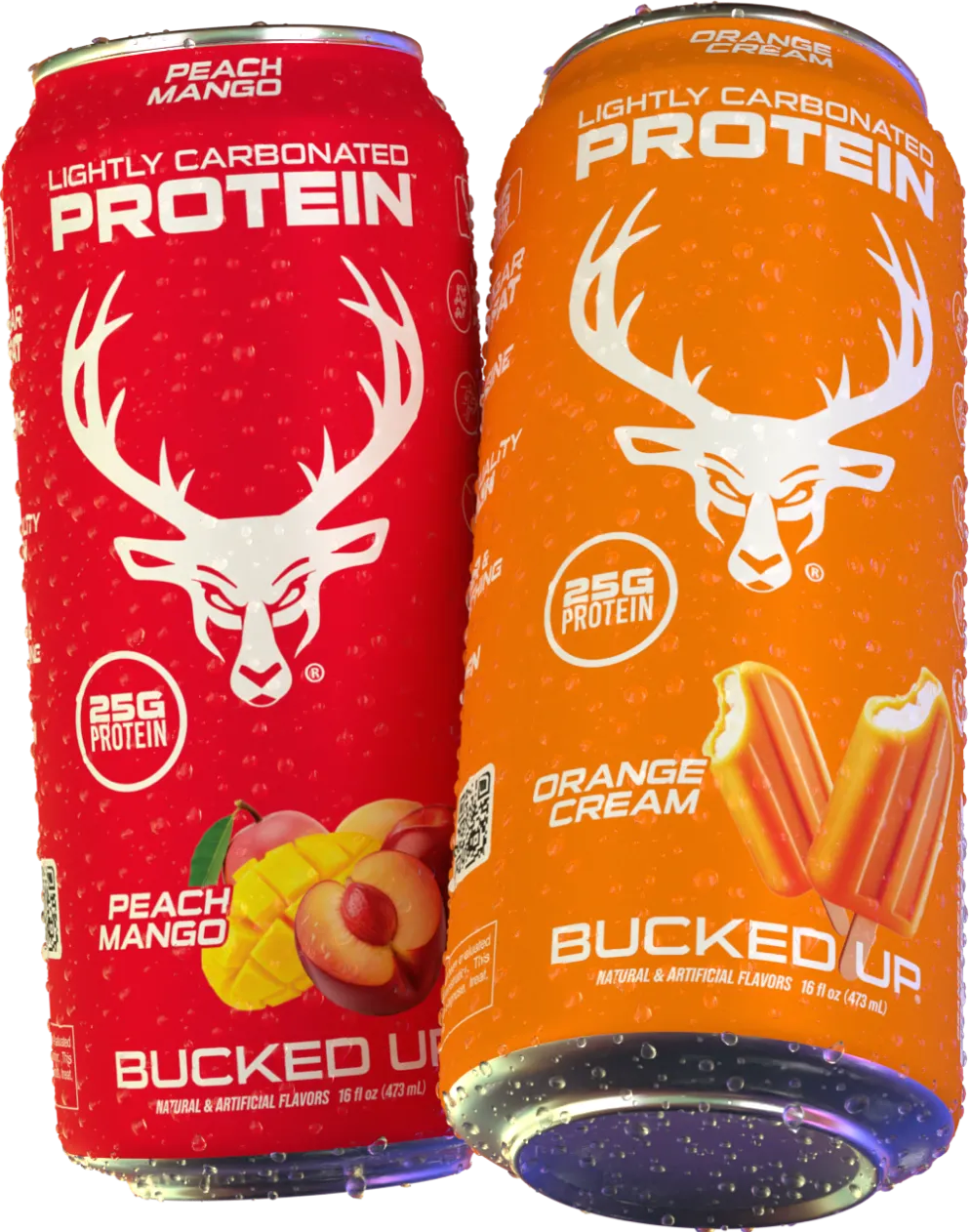
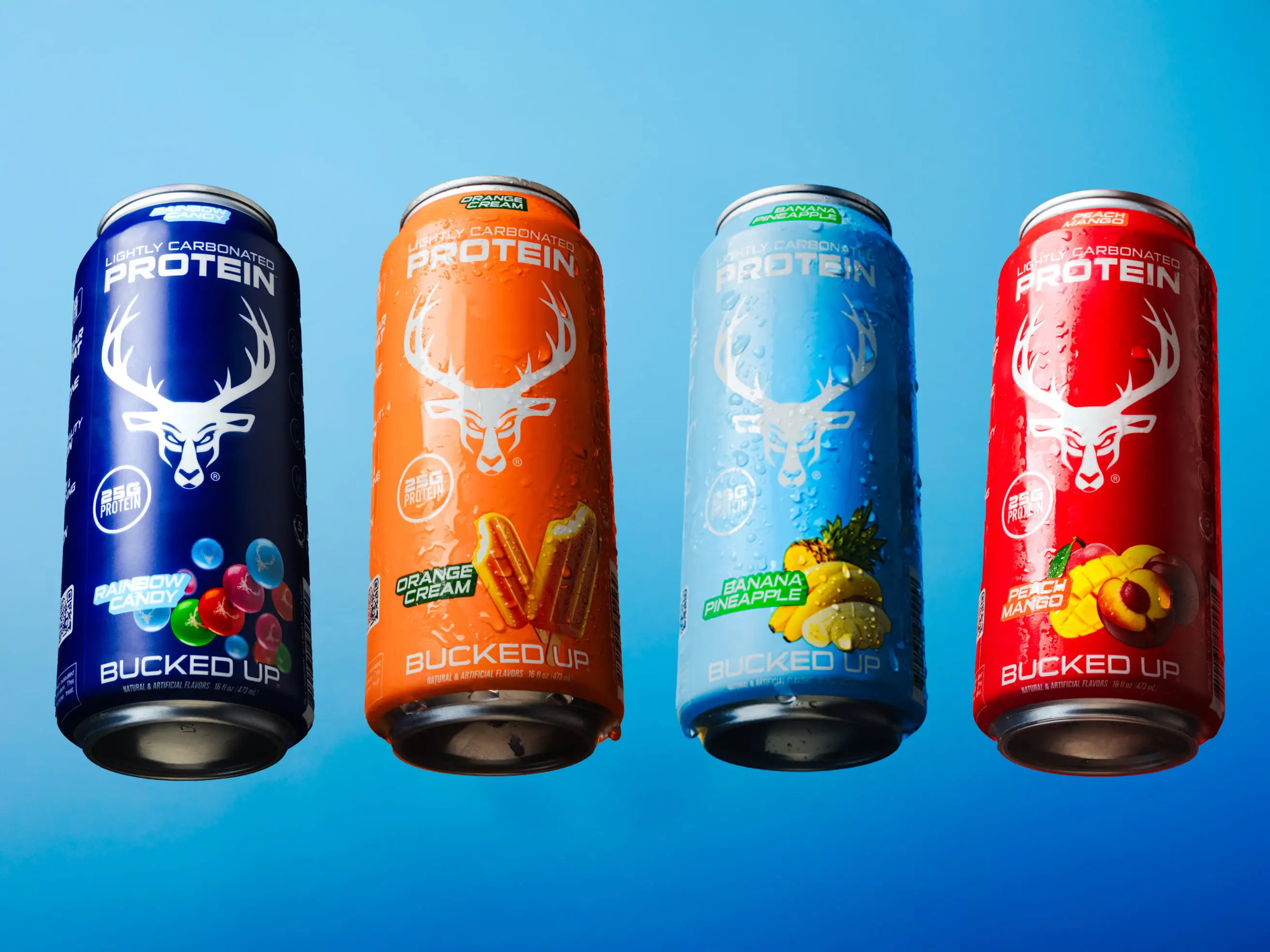
Bucked Up Protein Soda delivers 25g of whey protein isolate in a refreshing, lightly carbonated drink with only 100 calories.1 Product label confirms zero sugar and zero carbs. This drink offers an energy drink-like taste without caffeine, so you can use it any time of day. The whey isolate supports rapid absorption for post-workout recovery, and the portable can format removes prep work.1 Try Bucked Up Protein Soda for a convenient alternative to heavy shakes.
2. Nonfat Greek Yogurt
Nutrition facts show a 170g serving of plain nonfat Greek yogurt provides 17.3g of protein with 100 calories. The mix of casein and whey proteins offers both fast and slow-release amino acids, which supports sustained muscle protein synthesis. Greek yogurt’s thick texture and tangy flavor create a filling post-workout option that you can top with berries or a small amount of honey.
3. Sliced Turkey Breast
Nutrition facts indicate four ounces of turkey breast meat contain 19.36g of protein with 118 calories. This complete protein source provides all essential amino acids needed for muscle repair. Turkey stores well for meal prep, and its mild flavor pairs with vegetables or works on its own for quick protein intake.
4. Low-Fat Cottage Cheese
Nutrition facts show one cup (not packed) of lowfat 1% milkfat cottage cheese delivers 28g of protein with approximately 163 calories. The combination of casein and whey proteins provides both immediate and sustained amino acid release. Cottage cheese works in sweet or savory dishes, so you can match it to your taste preferences.
5. Tuna Packet (in Water)
A 2.6oz packet of tuna in water provides about 16g of protein with roughly 60 calories, based on typical nutrition facts. Because it is a complete protein that needs no preparation, tuna works well for immediate post-workout consumption. This portability and shelf stability make it useful for gym bags or office storage when you do not have access to a fridge.
6. Egg Whites (8 Large)
Eight large egg whites provide about 28g of protein with approximately 135 calories, according to USDA data. Egg whites offer high biological value among whole food proteins, which supports efficient amino acid use. You can scramble them quickly, hard-boil them in advance, or pour from cartons for a fast option.
7. Shelled Edamame
One cup of shelled edamame contains about 17g of protein with roughly 190 calories, based on USDA nutrition facts. This plant-based complete protein also provides fiber and essential minerals. You can buy it frozen and steam it in minutes or choose pre-cooked packs for immediate snacking.
8. Beef or Turkey Jerky
One ounce of beef jerky typically provides around 9g of protein with about 116 calories, according to USDA data. Turkey jerky often offers similar protein with slightly fewer calories, depending on the brand. The concentrated protein content and low moisture make jerky portable and shelf-stable, and choosing options with minimal added sugars and sodium improves overall nutrition.
9. Clear Whey RTD Alternative
Many clear whey ready-to-drink options provide 20-25g of protein with 100-150 calories, based on typical brand labels. Factors like carbonation, taste, and portability help you compare these drinks with Bucked Up Protein Soda when you want a lighter option than traditional shakes.
Quick Comparison of Low-Calorie Post-Workout Proteins
To help you scan the most convenient choices, the table below compares four options by calories, protein content, and practicality.
| Option | Calories | Protein (g) | Pros/Cons/Ease |
|---|---|---|---|
| Bucked Up Protein Soda | 100 | 25 | Refreshing RTD, fast isolate absorption, portable with no prep, carbonated format feels unique1 |
| Nonfat Greek Yogurt | 100 | 17 | Creamy texture, probiotics, versatile, requires refrigeration, tangy taste |
| Turkey Breast Slices | 118 | 19 | Lean, convenient, mild flavor, sodium content varies, requires refrigeration |
| Low-Fat Cottage Cheese | 163 | 28 | High protein density, calcium source, texture preference varies, needs refrigeration |
Low-Calorie Protein for Weight Loss and GLP-1 Users
Whey protein isolate provides muscle retention and satiety benefits that can support weight loss compared with some other protein sources.1 Its fast absorption rate helps amino acids reach muscles quickly during the post-workout window when protein synthesis stays elevated.1
Individuals using GLP-1 medications often face unique challenges with protein intake. Bolt Pharmacy recommends 1.2-1.6g of protein per kg body weight daily for GLP-1 users, which equals about 0.55-0.73g per lb of body weight. Many people in this group prefer liquid options post-workout when solid foods feel heavy or unappealing. The light, carbonated format of Bucked Up Protein Soda can fit these needs for some users without adding digestive strain. Get GLP-1-friendly protein that is easy to sip after training.
Key criteria for selecting post-workout protein include absorption speed, calorie density, taste preference, and convenience. When you look at whey protein isolate, consider its bioavailability and absorption rate for immediate post-exercise use.
Frequently Asked Questions
Should You Eat Protein After a Workout to Lose Weight?
Protein after workouts supports weight loss by protecting muscle and helping you feel full. Protein preserves lean muscle mass during caloric restriction, which helps maintain metabolic rate and supports long-term fat loss. The thermic effect of protein also raises energy expenditure, and its satiety benefits help control appetite throughout the day. Aim for 20-40g of high-quality protein within 2 hours after exercise.
What Is a Good Protein for Weight Loss After a Workout?
Whey protein isolate can be a strong option for post-workout weight loss support.1 Its rapid absorption rate delivers amino acids quickly to recovering muscles, and its high biological value supports efficient use of those amino acids.1 The relatively low calories per gram of protein in many isolate products can support a caloric deficit while you work to preserve muscle.
Is Whey Isolate Better Post-Workout?
Whey protein isolate often provides advantages over concentrate for post-workout use.1 Extra filtration removes most lactose and fats, which supports faster digestion and absorption.1 This quick delivery of amino acids lines up with the post-exercise window when muscle protein synthesis rises, which can improve recovery.1
Is Protein Safe with GLP-1 Medications?
Protein intake is not only safe but also essential for individuals using GLP-1 medications. These medications can reduce appetite significantly, which raises the risk of low protein intake and muscle loss. Liquid protein sources like protein sodas are often easier to tolerate than solid foods and can help maintain protein levels needed for muscle preservation during weight loss.
Can I Have Bucked Up Protein Soda Daily on Keto?
Product label confirms Bucked Up Protein Soda has zero carbohydrates and zero sugar, which makes it compatible with ketogenic diets. The 25g of whey protein isolate supports daily protein goals without affecting ketosis.1 The caffeine-free formulation also makes it suitable at any time of day without disrupting sleep.
Choosing the right low-calorie protein after a workout can shape both recovery and weight management progress. Among the nine options presented, Bucked Up Protein Soda offers a combination of convenience, taste, and nutrition that addresses common issues with traditional protein sources. Its refreshing, carbonated format delivers the protein density mentioned earlier without pulling you out of a caloric deficit. Experience carbonated protein that fits busy schedules and specific dietary needs.
1 The content provided in this article is for informational purposes only and is not medical advice. Consult with a medical professional before implementing any changes to your diet, health, or exercise routines.
Individual results will vary and are based on a combination of each individual’s diet, exercise, age, and health circumstances.
These statements have not been evaluated by the Food and Drug Administration. This product is not intended to diagnose, treat, cure or prevent any disease.
This article was written by Ryan Gardner, CEO of Bucked Up. As the maker of Bucked Up Protein Soda, we have a financial interest in this information. The views expressed are our own and should be read with that context in mind.