Last updated: April 22, 2026
Key Takeaways
- Whey protein isolate delivers 72-84% protein purity, higher than whey concentrate’s typical 34-80% range.
- Isolate usually has less than 1g of lactose and fat per serving, which can reduce bloating compared to concentrate.1
- Isolate generally absorbs within 1-2 hours, so amino acids reach your bloodstream quickly to support recovery.1
- Fast digestion and low lactose make isolate useful for post-workout, GLP-1 users, and daily protein goals without extra gut stress.1
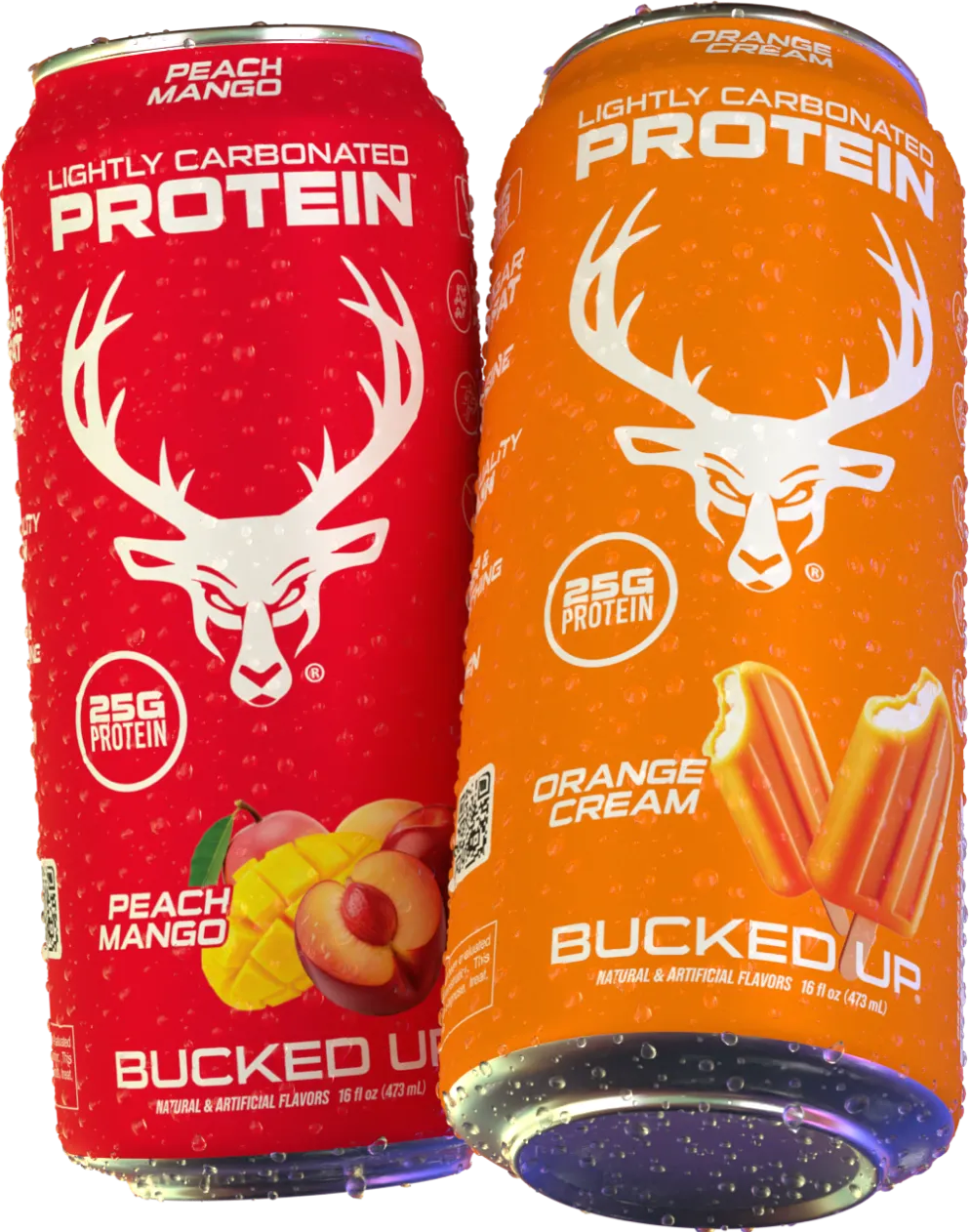
- Try Bucked Up Protein Soda for 25g of pure whey isolate in a refreshing, ready-to-drink can.
Whey Isolate vs Concentrate: How They Really Compare
The following table highlights the key differences in purity, lactose, fat, and absorption speed so you can see why isolate digests faster than concentrate.
| Metric | Whey Protein Isolate | Whey Protein Concentrate | Source |
|---|---|---|---|
| Protein Content | 72-84% | 34% or 80% | PMC, ADPI |
| Lactose Content | <1g per serving | higher levels | BPI Sports |
| Fat Content | <1g per serving | 2-5g per serving | Allmax Nutrition |
| Peak Absorption | 1-2 hours | slower than isolate | Optimum Nutrition |
These purity and absorption differences come from whey protein isolate’s extra filtration steps. Isolate often goes through ion exchange or cross-flow microfiltration, which removes most fats, lactose, and carbohydrates that remain in concentrate. This processing creates a cleaner protein source that tends to leave the stomach faster and reach muscle tissue more efficiently.1 Some ready-to-drink protein options like Premier Protein and Muscle Milk can include whey concentrate or add collagen to raise protein numbers, while Bucked Up Protein Soda uses 100% whey protein isolate for fast absorption and complete amino acid profiles.1
Digestibility: Is Whey Isolate Easier on Your Stomach?
Many people find whey protein isolate easier to digest than whey concentrate. Isolate absorbs more quickly than concentrate because it contains less fat and lactose, so it can leave the stomach faster and move into the small intestine for absorption.1 Concentrate carries more lactose than isolate, which may cause bloating or discomfort for people with lactose sensitivity. This lighter profile makes whey isolate helpful for individuals on GLP-1 medications who deal with reduced appetite or trouble eating larger solid meals. The low lactose and fat content can ease digestive strain while still delivering meaningful protein.1 Taking 20-40g of high-quality protein such as whey isolate within an hour after exercise increases muscle protein synthesis1, so the quicker digestion rate supports that post-workout recovery window.1
Why Whey Isolate Absorbs Faster
Whey protein isolate absorbs faster because it contains more protein and fewer non-protein components that might slow gastric emptying. This speed matters because a review in the Journal of the International Society of Sports Nutrition found that protein intake after resistance training increases muscle protein synthesis and supports lean mass gains.1 That faster delivery of amino acids can translate into better recovery, as a PubMed research review reports that whey protein after exercise reduces loss of muscle strength and supports performance recovery after intense sessions.1 The mechanism behind these effects centers on leucine, and whey isolate provides plenty of leucine to activate the mTOR pathway and kickstart muscle protein synthesis.1 For people using GLP-1 medications, this rapid absorption becomes even more important. Recommended protein intake for GLP-1 medications is 1.0–1.6 grams per kilogram of ideal body weight per day, so a fast-digesting option like whey isolate can help hit those higher targets without adding digestive discomfort.1
Who Gets the Most from Whey Isolate: Real-Life Use Cases
Several groups can benefit from whey protein isolate’s fast absorption and lighter feel. Gym-goers can use the roughly 30-minute to 1-hour absorption window to support post-workout recovery without feeling weighed down.1 Busy professionals can keep a can or shake on hand for a quick midday protein boost that feels lighter than a thick, milky shake. Individuals on GLP-1 medications may appreciate isolate’s easy-to-digest format for maintaining muscle mass while losing weight.1
These practical benefits line up with real customer experiences. One customer highlighted taste and texture, saying, “The protein sodas far exceeded my expectations. They taste similar to an energy drink and don’t have any weird aftertaste like some other clear whey protein drinks do.” Another customer focused on convenience for high protein goals, sharing, “I need to consume 130g of protein daily, and honestly, I’ve never found a product that made that goal feel this easy.” The carbonated format gives a refreshing alternative to heavy shakes, which can make consistent protein intake feel more enjoyable across different routines.
Potential Downsides of Whey Isolate
Whey protein isolate does come with a few trade-offs. The extra processing often raises the price compared to concentrate, and traditional isolate powders can foam heavily when shaken, which affects texture and drinking experience. Ready-to-drink options like Bucked Up Protein Soda remove those mixing issues while still delivering the advantages of whey isolate in a smooth, carbonated can. The higher cost reflects the advanced filtration needed to reach high protein purity, and many people view that as a fair trade for better digestibility and faster absorption when they care about performance and gut comfort. Try Bucked Up Protein Soda to get whey isolate benefits without the mixing issues.
Given these trade-offs between cost, foaming, and digestibility, choosing a format that keeps whey isolate’s benefits while reducing its hassles can make daily use much easier.
Best Way to Get Pure, Fast-Digesting Whey Isolate
Bucked Up Protein Soda offers a convenient way to get pure, fast-digesting whey protein isolate without scoops or shakers. Each can delivers 25g of 100% whey protein isolate with only 100 calories, zero sugar, and zero carbohydrates in a lightly carbonated drink. Unlike many milky competitors that can use whey concentrate or blend in collagen, Bucked Up focuses on complete amino acid profiles that support muscle protein synthesis.1 The carbonated delivery feels more like a soda than a shake while still keeping the rapid absorption benefits of isolate.
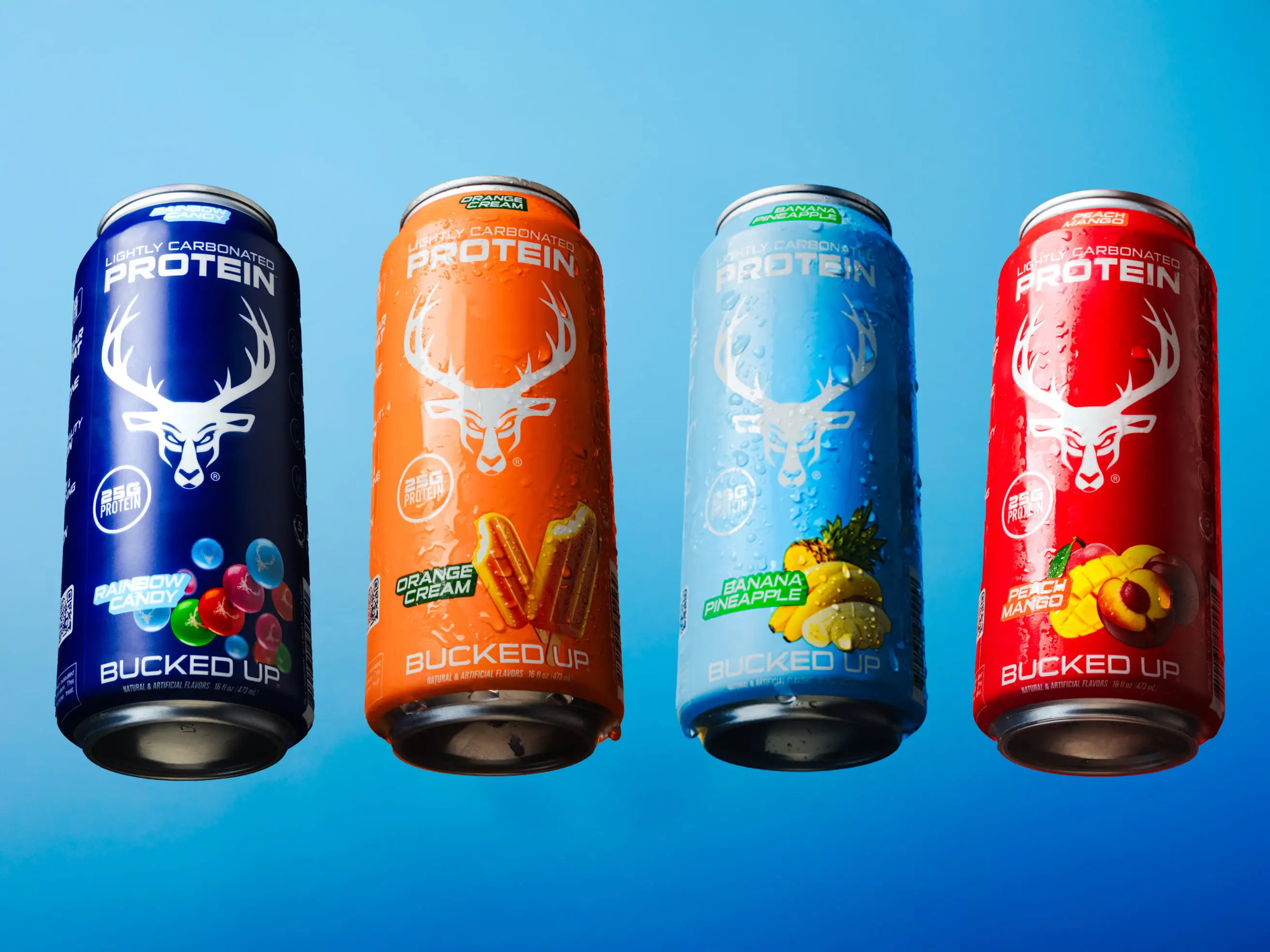
The product is manufactured in USA GMP-certified facilities and fits keto and paleo lifestyles, and it stays caffeine-free so you can drink it any time of day. Explore Bucked Up’s carbonated whey isolate formula.
Frequently Asked Questions
What type of whey protein is easiest on the stomach?
Whey protein isolate is often easier on the stomach because it contains very little lactose, usually less than 1%, and less fat than concentrate. The filtration process removes many components that can trigger digestive discomfort, so isolate can work well for people with mild lactose sensitivity or anyone who wants rapid absorption without as much bloating.
Can you take whey protein isolate with tirzepatide?
Yes, whey protein isolate can work well for people using tirzepatide or other GLP-1 medications. The fast-digesting, low-lactose format helps support muscle mass during weight loss while staying gentle on the digestive system.1 The high protein purity also makes it easier to reach the elevated protein targets needed during GLP-1 therapy.
Is whey isolate better than hydrolyzed or clear whey?
Whey protein isolate offers a practical balance of purity, speed, and taste for many users. Hydrolyzed whey may digest slightly faster because the protein chains are partially broken down, but isolate still delivers quick absorption with flavor and mixing qualities many people prefer. Clear whey products can use different processing approaches and may trade off some protein content or texture.
How much protein should I consume daily on GLP-1 medications?
Individuals using GLP-1 medications should aim for 1.0–1.6 grams per kilogram of ideal body weight per day to help preserve muscle mass during weight loss.1 For a 150-pound person, this equals roughly 109g of protein daily. Fast-digesting options like whey protein isolate can make these higher targets more manageable, especially when appetite is lower.
Does whey protein isolate support post-workout recovery better than concentrate?
Whey protein isolate can support post-workout recovery because of its faster absorption and higher leucine content per serving.1 The lower fat and lactose content allows quicker gastric emptying, so amino acids can reach muscles within about 1-2 hours, while concentrate tends to move more slowly. This timing helps you take advantage of the post-exercise muscle protein synthesis window.
Conclusion
Whey protein isolate offers clear advantages for fast digestion and high protein purity, with the high protein concentration discussed earlier, minimal lactose, and rapid absorption that support recovery and daily protein goals.1 For a convenient way to access these benefits, Bucked Up Protein Soda delivers 25g of pure whey protein isolate in a refreshing carbonated format that removes mixing hassles and can ease digestive concerns compared to heavier shakes. Get your pure whey isolate in a ready-to-drink, refreshing format.
1 The content provided in this article is for informational purposes only and is not medical advice. Consult with a medical professional before implementing any changes to your diet, health, or exercise routines.
Individual results will vary and are based on a combination of each individual’s diet, exercise, age, and health circumstances.
These statements have not been evaluated by the Food and Drug Administration. This product is not intended to diagnose, treat, cure or prevent any disease.
This article was written by Ryan Gardner, CEO of Bucked Up. As the maker of Bucked Up Protein Soda, we have a financial interest in this information. The views expressed are our own and should be read with that context in mind.