
Last updated: April 22, 2026
Key Takeaways
- Sarcopenia causes progressive muscle loss in seniors. GLP-1 medications like Ozempic can suppress appetite and increase lean muscle loss risk.
- Seniors generally need 68-82 grams of protein per day at 150 lbs, ideally spread across several 20-30 gram servings.
- Liquid proteins such as whey isolate work well for low appetite and provide leucine to support muscle repair without heavy meals.1
- Helpful strategies include small, frequent protein servings, nutrient-dense soups and yogurt, ready-to-drink options, and pairing protein with gentle exercise.
- Bucked Up Protein Soda provides 25 grams of whey isolate in a light, carbonated format that can help seniors maintain muscle and independence.1 Explore Bucked Up Protein Soda as part of your plan.
Sarcopenia, GLP-1 Medications, and Daily Protein Targets
Sarcopenia involves the progressive loss of muscle mass and strength that disrupts daily activities like walking, climbing stairs, and maintaining independence. High-quality protein intake with sufficient leucine helps counteract dysfunction in muscle protein synthesis.
GLP-1 medications can make this harder. These medications suppress appetite and may increase muscle loss risk, which can speed up sarcopenia in older adults.
To estimate daily protein needs, multiply your weight in pounds by 0.45 to 0.54 grams. A 150-pound person needs about 68-82 grams per day. Liquid protein sources like whey isolate are often better tolerated than solid foods, especially when appetite or digestion feels sensitive.
7 Practical Strategies to Reach Your Protein Goal
Now that you have a sense of your protein needs and the impact of sarcopenia, these seven strategies can help you hit your daily target even when appetite is low.
#1: Use Liquid Protein as Your First Line of Support
Liquid protein often goes down easier than solid food when appetite is low. Bucked Up Protein Soda provides 25 grams of whey protein isolate in a light, carbonated drink that many people find easier to sip than thick, creamy shakes. Whey isolate contains minimal lactose and high leucine content for muscle repair.1
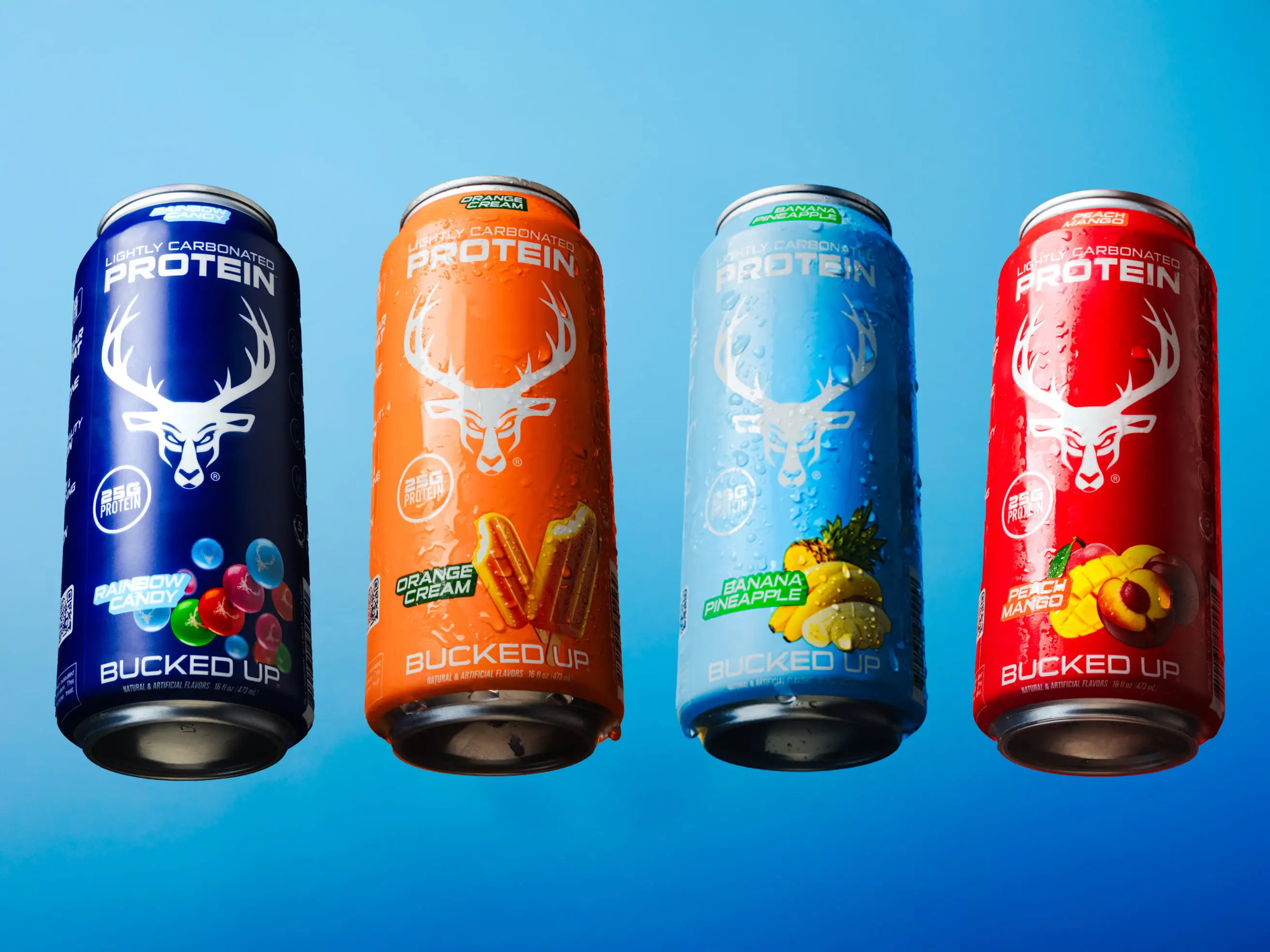
Drink one can in the morning, then another in the mid-afternoon. This routine gives you 50 grams of protein toward your daily goal without relying on large meals.
#2: Take Small, Frequent Protein Servings
Older adults often need 30-40 grams of high-quality protein per serving to trigger muscle repair, compared to about 20 grams in younger adults. This higher per-serving need comes from anabolic resistance, which makes muscles less responsive to smaller protein doses.
Because each serving needs to be substantial, spacing protein every 3 hours helps you fit in several effective doses without overwhelming your appetite at any single meal.
| Time | Protein Source | Protein (g) | Running Total |
|---|---|---|---|
| 7 AM | Greek yogurt (1 cup) | 20g | 20g |
| 10 AM | Bucked Up Protein Soda | 25g | 45g |
| 1 PM | Cottage cheese (1/2 cup) | 14g | 59g |
| 4 PM | Bucked Up Protein Soda | 25g | 84g |
| 7 PM | Soft fish (3 oz) | approx. 18g | approx. 102g |
#3: Build Easy, Nutrient-Dense Meals and Snacks
Soft, easy-to-swallow proteins work well for chewing difficulties or low appetite. Try these simple ideas:
- Bone broth mixed with unflavored protein powder to add about 20 grams of protein to any soup
- Greek yogurt blended with Bucked Up Protein Soda for a light, protein-rich smoothie
- Scrambled eggs cooked with milk, which adds about 8 grams of protein per cup of milk
- Hummus with soft pita or crackers for a plant-based option
#4: Rely on Ready-to-Drink Options on Tough Days
Ready-to-drink protein helps on days when cooking or mixing a shake feels like too much. Bucked Up Protein Soda can stand out from many traditional protein drinks because it is clear, carbonated, and feels lighter than milky shakes that may worsen nausea.
Keep cans in the refrigerator and sip them slowly across the day. The carbonation can feel soothing for some people while still supplying protein that supports muscle maintenance.1
#5: Adjust Protein Intake for GLP-1 Medication Use
Seniors using GLP-1 medications benefit from easy-to-eat proteins and doctor-approved protein-rich liquids to offset appetite loss and muscle risk.
Bucked Up Protein Soda contains about 100 calories and a zero-sugar formula, which may feel lighter in the stomach than heavier meals. The easy-to-digest format can help you keep protein intake steady without feeling overly full.
#6: Follow a Sample Daily Menu to Reach 100 Grams
This sample menu shows how a 150-pound person can reach 80 grams or more of protein in one day.
| Meal | Food Item | Protein (g) | Notes |
|---|---|---|---|
| Breakfast | 2 scrambled eggs + 1 slice toast | 14g | Easy to digest |
| Mid-morning | Bucked Up Protein Soda | 25g | Sip slowly |
| Lunch | 1/2 cup cottage cheese | 14g | Soft texture |
| Afternoon | Bucked Up Protein Soda | 25g | Serve chilled |
| Dinner | 3 oz salmon + mashed beans | approx. 25g | Includes omega-3 fats |
| Total | approx. 103g | Target reached |
#7: Time Protein Around Gentle Movement
Spreading protein intake every 3-4 hours supports muscle repair, especially when paired with light movement. Even a 10-minute walk after a protein serving can support muscle protein synthesis.
Try drinking a Bucked Up Protein Soda within about 30 minutes after gentle exercise such as walking, stretching, or light resistance work. This timing helps you get more benefit from both the protein and the activity.1
How Bucked Up Protein Soda Fits Low-Appetite and Sarcopenia Needs
Bucked Up Protein Soda is designed to address common challenges seniors face with traditional protein supplements. Whey isolate absorbs faster than whey concentrate and contains minimal lactose, which can feel gentler on sensitive digestion.1
Each can contains about 100 calories with zero sugar, zero carbs, and no caffeine, so it is less likely to interfere with medications or sleep. The crisp, carbonated format feels refreshing instead of heavy, which can encourage steady daily use even when appetite is low.
The light taste and non-chalky texture can also support long-term consistency with protein goals.
Try Bucked Up Protein Soda to see how it fits into your daily routine.
Simple Fixes When Protein Intake Still Feels Hard
If you still struggle to reach your protein target, small adjustments can help.
- Chill Bucked Up Protein Soda thoroughly, since very cold drinks often feel easier to sip with low appetite
- Drink slowly over 15-20 minutes instead of finishing a can quickly
- Use liquids and soft foods more often during low-appetite periods instead of relying only on solid meals
- Track protein with a simple phone app or notebook to spot patterns and gaps
- Include protein at breakfast, since liquid calories move through the stomach more quickly and can feel easier for those with poor appetite
Monitoring Progress and Planning Next Steps
With 2-4 weeks of steady protein intake, many people notice better strength, more energy, and less worry about muscle loss.1 At that point, you can talk with your healthcare provider about options such as creatine and about tracking muscle mass during regular visits.
Preserving muscle supports independence, reduces fall risk, and helps you stay active and engaged as you age.
FAQ: Protein, Sarcopenia, and Low Appetite
What protein source works well for sarcopenia?
Whey protein isolate contains all essential amino acids and a high level of leucine, which supports muscle protein synthesis.1 It also absorbs quickly and is low in lactose, which can help seniors with digestive sensitivities.1 Aim for about 25-30 grams per serving to support muscle protein synthesis in older adults.1
What can seniors eat when they have almost no appetite?
Start with liquids such as protein sodas, smoothies, Greek yogurt drinks, and soups, which provide nutrients without large portions. Soft proteins like eggs, cottage cheese, and fish usually feel easier than tougher meats. Small, frequent sips and bites across the day often work better than trying to finish big meals.
How much daily protein supports seniors with sarcopenia?
Seniors often need 1.0-1.2 grams of protein per kilogram of body weight per day, which equals about 68-82 grams for a 150-pound person. Those with sarcopenia may need higher amounts. Spread this across 3-4 servings of roughly 20-30 grams each to support muscle protein synthesis.
Is daily Bucked Up Protein Soda use safe?
Yes, Bucked Up Protein Soda is formulated for daily use as part of a balanced diet. Its clean formulation, described earlier, is designed for regular consumption. Always check with your healthcare provider before starting any new supplement, especially if you take medications or have health conditions.
How does Bucked Up Protein Soda differ from many other protein drinks?
Bucked Up Protein Soda offers a carbonated format that feels lighter and more refreshing than many thick, creamy shakes. Each can provides 25 grams of whey protein isolate with about 100 calories, zero sugar, and no caffeine. The crisp, non-milky taste can make consistent use easier, especially for people dealing with low appetite or nausea.
Sarcopenia does not have to control your strength and independence. These seven strategies, combined with Bucked Up Protein Soda’s liquid protein format, can help you support muscle mass even when appetite is low. Order Bucked Up Protein Soda or find it on Amazon to begin your muscle preservation plan today.
1 The content provided in this article is for informational purposes only and is not medical advice. Consult with a medical professional before implementing any changes to your diet, health, or exercise routines.
Individual results will vary and are based on a combination of each individual’s diet, exercise, age, and health circumstances.
These statements have not been evaluated by the Food and Drug Administration. This product is not intended to diagnose, treat, cure or prevent any disease.
This article was written by Ryan Gardner, CEO of Bucked Up. As the maker of Bucked Up Protein Soda, we have a financial interest in this information. The views expressed are our own and should be read with that context in mind.