Last updated: April 22, 2026
Key Takeaways: Protein Soda Texture at a Glance
- Protein sodas deliver a low-viscosity, juice-like texture that clears quickly from your mouth, unlike thick, grainy protein shakes.
- Carbonation creates a crisp, effervescent mouthfeel with a clean aftertaste and less residue than milky shakes.
- Whey protein isolate in sodas supports high solubility, zero sugar, and low calories, which can feel easier to digest.1
- Protein sodas often fit post-workout refreshment, busy schedules, and GLP-1 users who need lighter protein options.
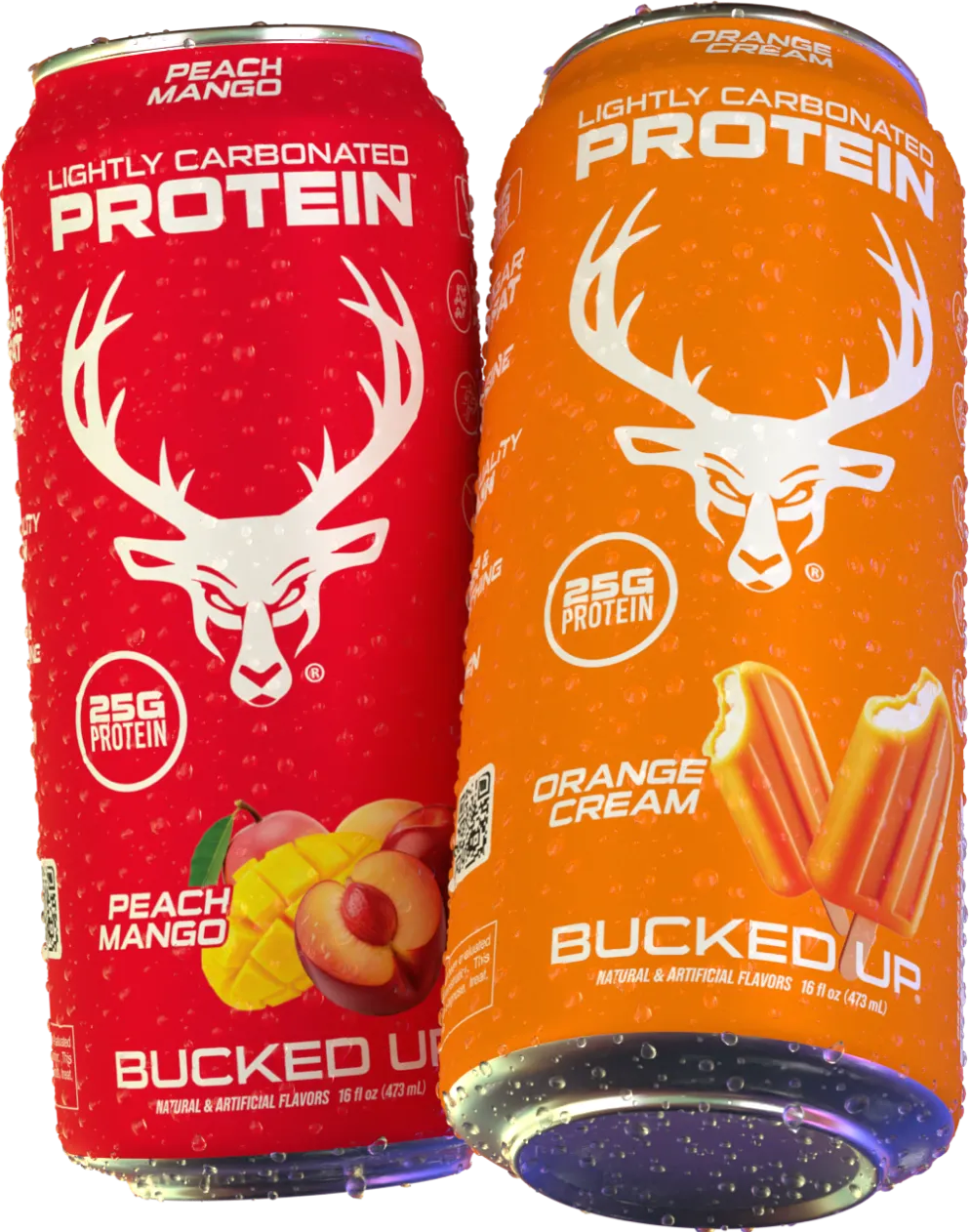
- Experience this lighter texture with Bucked Up Protein Soda and get 25g whey isolate in a refreshing format.
How to Judge Protein Soda Texture vs Shakes
Texture and nutrition work together to shape your protein drink experience. Viscosity plays a central role, because low-viscosity beverages clear from the mouth more quickly after swallowing and shorten grainy sensations, while thicker products stay in contact with oral surfaces longer.
The link between thickness and graininess appears clearly in research. Apparent shear viscosity positively correlates with oral consistency (r = 0.727, p < 0.05), so thicker beverages tend to create more persistent textural sensations.
Use these criteria when you compare options:
- Crispness versus creaminess in mouthfeel
- Lightness versus thickness while you drink
- How carbonation contributes to refreshment
- Aftertaste duration and intensity
- Protein source quality (isolate vs concentrate)
- Calories required per gram of protein
For self-testing, run side-by-side tastings and notice how quickly each beverage clears from your palate and whether gritty or chalky sensations linger. Compare Bucked Up’s carbonated format against traditional options to feel these differences in real time.
Protein Soda vs Shakes: Texture and Mouthfeel Comparison
Applying these criteria to real products shows clear textural differences between protein sodas and traditional shakes. Scientific evidence supports distinct advantages for low-viscosity, clear protein beverages in mouthfeel and aftertaste.
| Aspect | Protein Sodas (e.g., Bucked Up) | Protein Shakes |
|---|---|---|
| Viscosity | Low (juice-like, clears fast) | High (prolongs graininess) |
| Mouthfeel | Crisp, effervescent, minimal residue | Thick, possible grainy coating |
| Aftertaste | Clean, refreshing | Milky or chalky linger |
| Protein Source | Often whey isolate | Often whey concentrate (lower purity) |
Carbonation plays a central role in this experience. Clear protein beverages provide a light, refreshing experience that many people find easier to digest while still delivering high-quality protein. Effervescence helps prevent protein from settling into the heavy, coating sensation that often appears in milk-based formulations.
Why Protein Soda Drinks Differ from Traditional Shakes
Protein processing and delivery method create the main differences between sodas and shakes. Whey protein isolate works well for clear beverages because it offers high solubility, low fat and lactose, and strong heat and acid stability.1 Many traditional shakes instead use whey concentrate or blends of several protein sources.
Whey protein isolate in clear protein powders mixes into a smooth, juice-like consistency in water with a lighter mouthfeel and faster digestion than thicker shakes.1 Extra processing breaks the protein into smaller particles and filters out fat, carbohydrates, lactose, and other components that increase thickness.
Carbonated Protein Mouthfeel Compared to Shakes
Carbonation reshapes how a protein drink feels from the first sip to the aftertaste. Fibers with low gelling tendency (1–2 on a 1–5 scale) work well in clear, acidic, carbonated beverages, which supports the light, crisp texture associated with protein sodas.
The underlying protein science explains the difference. Beta-lactoglobulin, the primary whey protein in pure whey protein isolate, stays soluble and clear at acidic pH because of its structural stability. When paired with carbonation, this structure supports an effervescent delivery system that helps keep protein from coating the mouth.
Clear Protein Drink Texture Advantages in Everyday Use
Clear protein technology changes how protein can be delivered in ready-to-drink formats. Clear protein from whey protein isolate is lighter, lactose-free, and contains about 10% more protein than traditional whey protein concentrate, which many people find easier to digest.1
Processing steps create these advantages. Additional filtration in clear whey protein isolate removes nearly all fat, carbohydrates, and lactose, leaving a protein-rich ingredient that can feel easier on the stomach.1 Reducing these non-protein components also removes many of the thickness and chalkiness issues seen in older formulations.
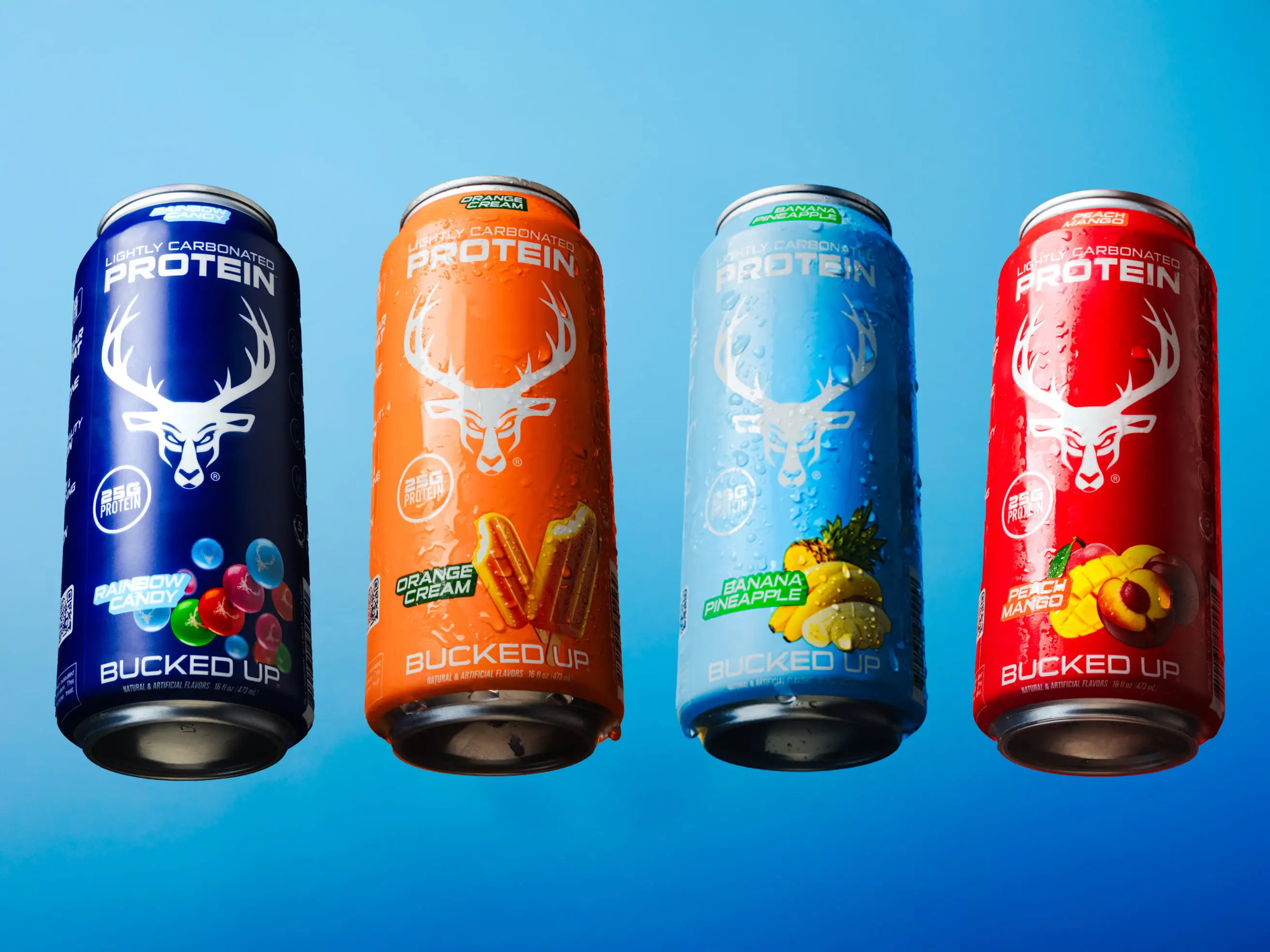
Bucked Up Protein Soda reflects these benefits with its 25g of whey protein isolate in just 100 calories, along with zero sugar and zero carbs. Explore Bucked Up Protein Soda to experience this clear protein texture.
Who Gets the Most from Protein Sodas vs Shakes
Different goals and situations can make protein sodas or traditional shakes feel more practical.
| Goal | Choice to Consider | Why |
|---|---|---|
| Fast absorption / low calories | Bucked Up Protein Soda | Whey isolate with carbonation |
| Post-workout refreshment | Protein Soda | Light, non-bloating feel |
| GLP-1 medication support | Protein Soda | Easy liquid protein intake |
| High-calorie meal replacement | Traditional Shakes | Higher caloric density |
Busy professionals and parents often prefer a mid-day protein boost that does not feel heavy. Athletes may value a refreshing post-workout drink that supports recovery without feeling like a full meal.1 GLP-1 users with reduced appetite can benefit from nutrient-dense, high-protein beverages in smaller portions, so the light texture of protein sodas can help support muscle preservation.1
Common Questions on Protein Soda Texture
Does carbonation affect protein absorption?
Carbonation does not reduce protein absorption. Whey proteins that stay soluble in acidic environments are digested and absorbed quickly, and the isolate form maintains strong bioavailability whether the drink is carbonated or not.1
Are protein sodas keto-friendly?
Bucked Up Protein Soda contains zero carbs and zero sugar, which aligns with ketogenic diet guidelines while still providing a high protein serving.1 You can confirm exact macros on the product page.
What protein shakes avoid a grainy texture?
Carbonated protein sodas like Bucked Up can reduce graininess through whey isolate processing and the natural agitation from carbonation. Traditional shakes that rely on whey concentrate may hold onto thicker, grainier textures.
Can I drink protein soda daily?
Daily use can fit into many nutrition plans and can help you reach protein targets when combined with a balanced diet and appropriate total calories.1
When Shakes Still Fit and Where Bucked Up Can Help
Traditional protein shakes still work well for situations that call for higher calories, such as meal replacement or bulking phases. Clear carbonated beverages with high-protein formulations are growing by more than 50%, which reflects rising interest in lighter texture experiences.
Bucked Up Protein Soda combines whey protein isolate, refreshing carbonation, and a zero-sugar formula. This light, crisp texture can make it easier to stay consistent with protein intake over time.
Try Bucked Up Protein Soda for a lighter texture experience and see how it compares to your usual shake.
Frequently Asked Questions
How does protein soda texture compare to regular soda?
Protein sodas keep the light, effervescent feel of regular sodas while adding meaningful nutrition. Bucked Up Protein Soda tastes similar to many energy drinks but provides the high protein content described earlier without caffeine, sugar, or a heavy mouthfeel. Carbonation supports a familiar, enjoyable drinking experience that does not feel like a typical supplement.
Why do some protein shakes leave a chalky aftertaste?
Chalky aftertaste often comes from whey protein concentrate, limited processing, or thick formulations that coat the mouth. Fat, lactose, and mineral content in concentrates can extend these sensations. Protein sodas that use whey isolate remove most of these components, which supports clean flavor profiles that clear quickly from the palate.
Can protein sodas replace traditional post-workout shakes?
Protein sodas can serve as a post-workout option for many athletes and active individuals. Whey protein isolate supports rapid absorption for muscle recovery, and the lighter texture can help prevent bloating that might interfere with training or daily tasks.1 The refreshing carbonation can also encourage fluid intake after exercise.
Are there digestive advantages to protein sodas over shakes?
Protein sodas can offer digestive advantages compared with some traditional shakes.1 Whey isolate processing removes lactose and most fat, which may reduce digestive discomfort for sensitive individuals.1 Lower viscosity and carbonation can support faster gastric emptying and reduce feelings of heaviness, which suits people with sensitive stomachs.1
How do protein sodas maintain their texture during storage?
Quality protein sodas like Bucked Up maintain texture through specific processing and packaging steps. Whey protein isolate stays stable in acidic, carbonated environments without noticeable precipitation or separation. Proper canning protects carbonation levels and limits protein degradation, so the drink keeps a light, crisp texture from first sip to last.
1 The content provided in this article is for informational purposes only and is not medical advice. Consult with a medical professional before implementing any changes to your diet, health, or exercise routines.
Individual results will vary and are based on a combination of each individual’s diet, exercise, age, and health circumstances.
These statements have not been evaluated by the Food and Drug Administration. This product is not intended to diagnose, treat, cure or prevent any disease.
This article was written by Ryan Gardner, CEO of Bucked Up. As the maker of Bucked Up Protein Soda, we have a financial interest in this information. The views expressed are our own and should be read with that context in mind.