Last updated: April 22, 2026
Key Takeaways
- GLP-1 medications like Ozempic suppress appetite, which often drives protein intake down to about 0.6g per kilogram of body weight and can contribute to as much as 40% of total weight loss coming from lean mass.
- Endocrine experts often recommend 1.2–1.6g of protein per kilogram of body weight daily for Ozempic users to help preserve muscle, which equals roughly 84–112g for someone who weighs 154lbs.1
- Whey protein isolate suits many GLP-1 users because it digests quickly, contains very little lactose, and provides a complete amino acid profile.1
- Carbonated protein drinks like Bucked Up can feel lighter than thick shakes, which may reduce nausea and support consistent protein intake with a reduced appetite.1
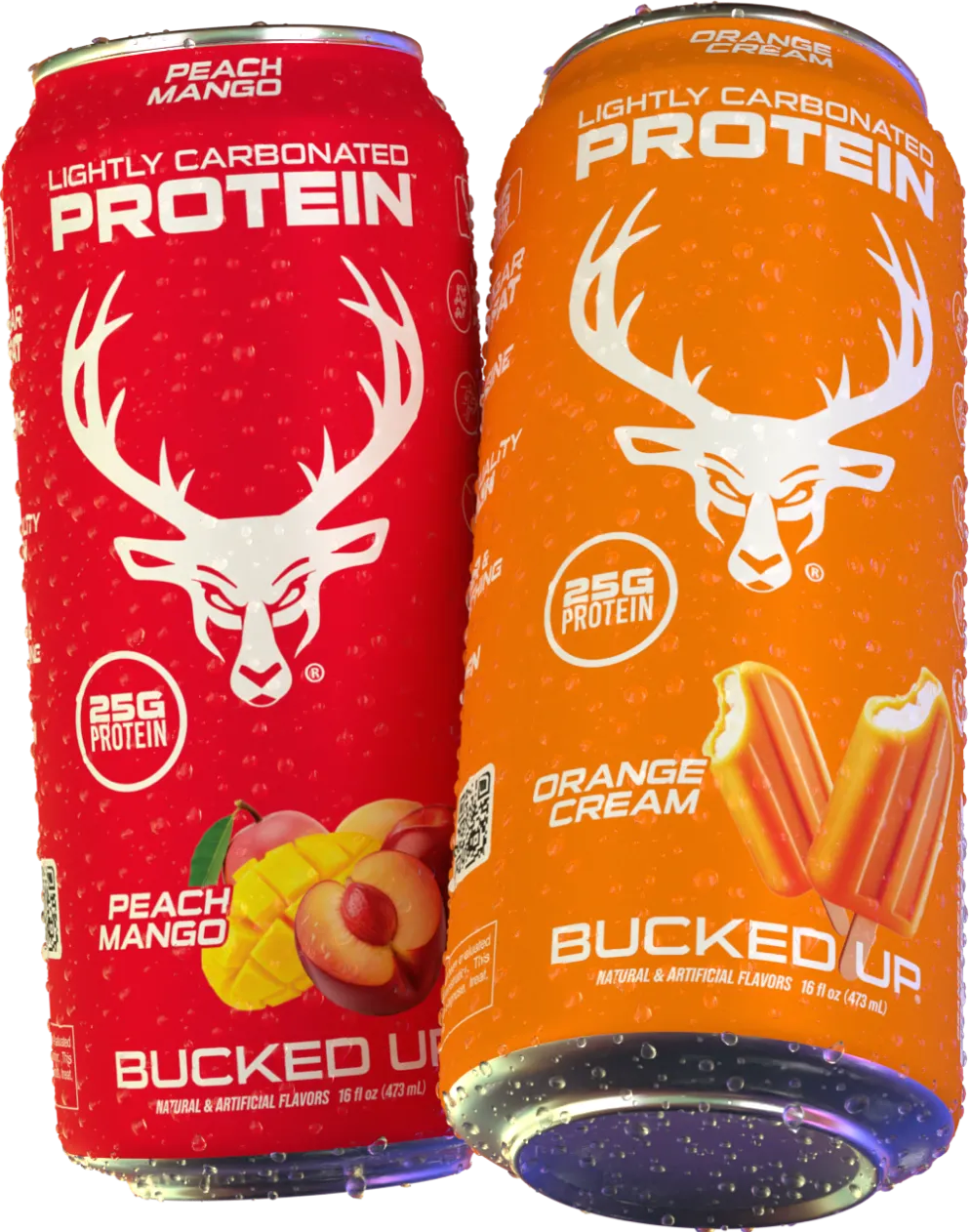
- Trying Bucked Up Protein Soda can provide 25g whey isolate, zero sugar, 100 calories, and a refreshing fizz that makes hitting protein goals feel easier.1
Why Ozempic Users Benefit from Low-Sugar Protein Drinks
GLP-1 receptor agonists like Ozempic slow gastric emptying and change satiety hormones, which reduces hunger but also creates nutritional gaps. A 2026 study analyzing 5,741 days of data from 116 GLP-1 users found average protein intake at just 0.6g per kilogram of body weight daily, with 88% of participants falling below recommended levels. This pattern helps explain the substantial muscle loss seen in GLP-1 weight loss trials.
Whey protein isolate can help close this gap for people dealing with nausea or low appetite.1 Whey protein isolate contains very little lactose and is easier to digest than whey protein concentrate, which supports users with sensitive stomachs.1 The isolation process removes most fats and carbohydrates, creating a powder that is 90% or more protein and absorbs quickly.1 Carbonated protein drinks like Bucked Up’s formula add another layer of support, since the light, fizzy texture feels less heavy than traditional shakes while still delivering the complete amino acid profile needed for muscle protein synthesis.1
With these needs in mind, the following seven low-sugar protein drinks are evaluated for GLP-1 users based on protein quality, sugar content, calories, texture, and how well the format fits reduced appetite and nausea sensitivity.
7 Low-Sugar Protein Drinks That Fit Ozempic Lifestyles
1. Bucked Up Protein Soda
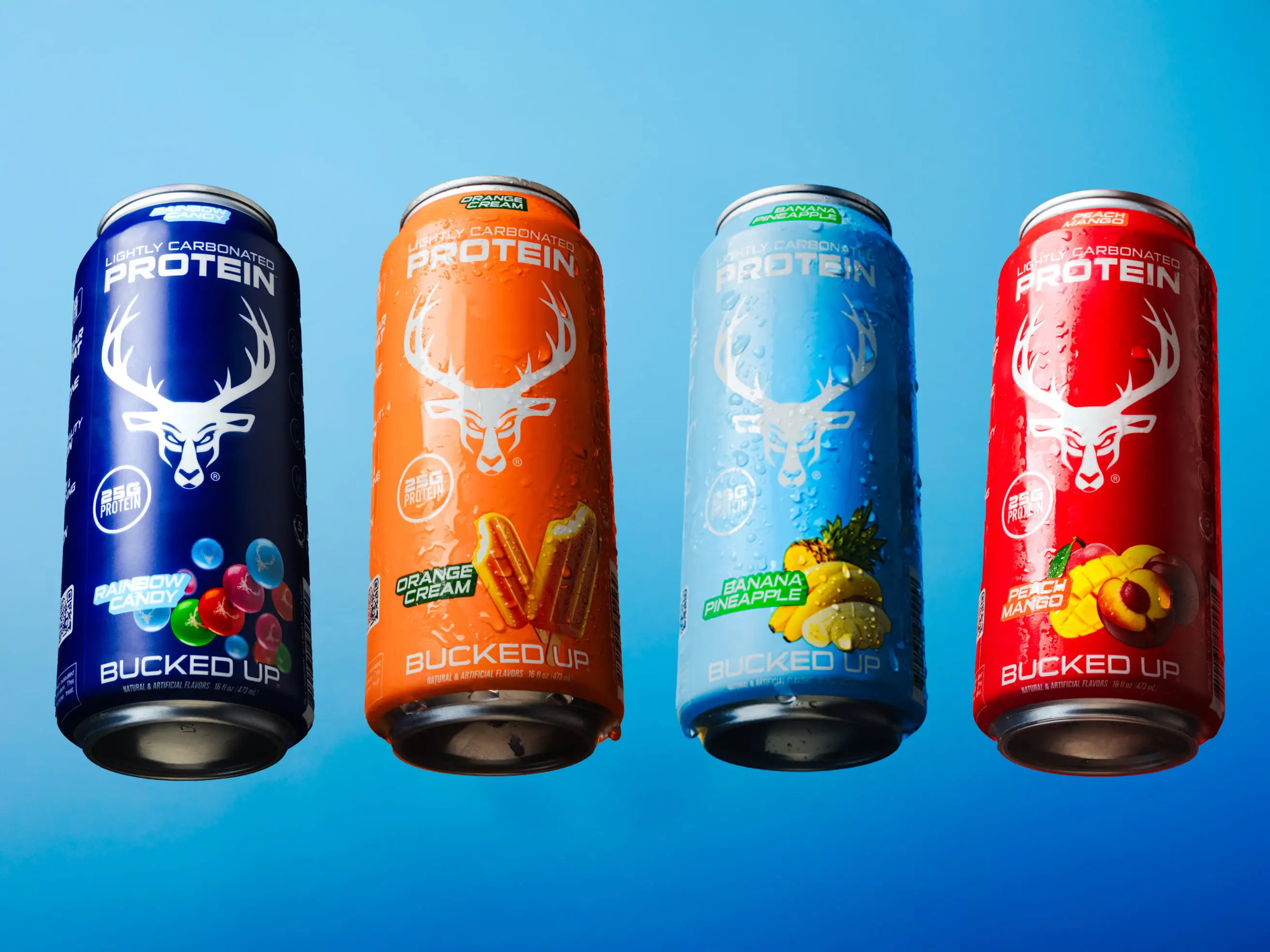
Bucked Up Protein Soda provides 25g of 100% whey protein isolate with zero sugar, zero carbs, and 100 calories per can. The lightly carbonated, caffeine-free formula tastes similar to an energy drink but avoids the thick, milky texture that can feel heavy on a sensitive stomach. Customer testimonials highlight the refreshing taste and mouthfeel: “These are seriously delicious! They taste like an energy drink, but healthier and with no caffeine.” The clear whey isolate formulation supports rapid absorption and can feel easier on digestion for many GLP-1 users.1
2. Premier Protein Ready-to-Drink Shakes
Premier Protein Ready-to-Drink Shakes deliver 30g protein with 1g sugar and 160 calories per 11 fl oz bottle. The creamy, shake-like texture works well for some people but may feel heavy or uncomfortable for GLP-1 users who experience nausea or early fullness.
3. Fairlife Core Power Protein Shakes
Fairlife Core Power provides 26g protein with 5g sugar and 170 calories per 14 fl oz bottle. The formula uses ultra-filtered milk protein, which supports muscle recovery, yet the larger volume and creamier texture may not match the lighter, more sip-friendly format many Ozempic users prefer.1
4. Orgain Organic Protein Drinks
Orgain Organic Protein Drinks offer a plant-based option with 16g protein, 1g sugar, and 149 calories per 11 fl oz bottle. This choice suits people who avoid dairy, although plant blends may not match the complete amino acid profile or fast absorption of whey isolate.
5. Muscle Milk Pro Series
Muscle Milk Pro Series contains 32g protein and 170 calories per 11 fl oz bottle. The blend of milk proteins supports muscle repair, yet the thicker consistency can feel challenging for users with reduced appetite or GLP-1-related nausea.1
6. Core Power Elite
Core Power Elite offers 42g protein with 7g sugar and 230 calories per 14 fl oz bottle. The high protein content may appeal to strength-focused users, but the higher calories and larger serving size can feel overwhelming for many people on GLP-1 medications.
7. Isopure Ready-to-Drink
Isopure Protein Water provides 15g whey protein isolate per 20 fl oz bottle with 0g sugar. The Zero Carb 32g Protein Drink has 130 calories per 20 fl oz bottle. These drinks use quality isolate in a clear, non-creamy format, although they do not include carbonation, which some GLP-1 users find helpful for slow sipping and nausea management.
| Product | Protein (g) | Sugar (g) | Calories | Key for Ozempic |
|---|---|---|---|---|
| Bucked Up Protein Soda | 25 | 0 | 100 | Light fizz, 100% isolate |
| Premier Protein | 30 | 1 | 160 | High protein, creamy texture |
| Fairlife Core Power | 26 | 5 | 170 | Milk protein, larger volume |
| Orgain Organic | 16 | 1 | 149 | Plant-based, dairy-free |
Bucked Up Protein Soda for GLP-1 Users
Bucked Up Protein Soda targets common GLP-1 challenges like low appetite, nausea, and difficulty finishing thick shakes.1 Building on the specifications listed above, the 100% whey protein isolate formulation delivers complete amino acids in a concentrated 100-calorie serving, which supports muscle preservation when appetite windows stay small.1 The zero-sugar, zero-carb profile fits calorie-conscious plans and helps users prioritize protein without adding unnecessary carbohydrates.
Customer feedback often highlights digestibility and flavor. One user shared: “I’ll be honest, I was skeptical when I saw the words ‘whey protein’ on a carbonated soda. But Bucked Up absolutely blew me away with this one! It’s lightly carbonated, smooth, and genuinely delicious. Not overly sweet, not artificial-tasting, and zero of that gritty protein mouthfeel.” The caffeine-free formulation works at any time of day without affecting sleep, while the 25g protein per can supports the higher daily protein targets recommended for GLP-1 therapy. Try Bucked Up Protein Soda to see whether the carbonated format fits your GLP-1 routine.
Ozempic-Friendly Ways to Use Protein Drinks
Strategic timing helps GLP-1 users absorb protein and stay consistent. Consuming protein within 30 to 60 minutes after strength training supports muscle recovery, and spreading protein across the day helps maximize muscle protein synthesis.1 Many users do better sipping protein drinks between meals instead of pairing them with large portions, which can feel too heavy for a smaller stomach capacity.
Simple tweaks can also improve comfort and taste. Mixing Bucked Up Protein Soda with extra sparkling water creates a lighter drink that still delivers a full serving of protein. The carbonated format naturally encourages slower sipping, which can support digestion and give your body time to recognize fullness. Combining adequate protein intake with 2–3 short strength training sessions per week helps preserve muscle mass, metabolism, and blood sugar control during GLP-1 therapy.1
Common Questions for GLP-1 Protein Intake
Are protein drinks safe on Ozempic?
Protein drinks are generally considered safe and often recommended for GLP-1 users. BC Diabetes recommends high-quality protein shakes that provide at least 20 grams of protein per serving when appetite is very low, because they help users reach higher protein targets that support muscle preservation.1
What’s the difference between whey isolate and concentrate?
Whey protein isolate undergoes further processing to remove most fat and lactose, resulting in 90% or more protein content, while concentrate usually contains 70–80% protein along with more lactose and fat. As discussed earlier, this extra processing helps explain why isolate often causes less digestive discomfort and absorbs more quickly for people with sensitive stomachs.1
Can I drink protein sodas daily on GLP-1 medications?
Daily use of quality protein drinks can help GLP-1 users meet elevated protein needs. Always check with your healthcare provider about your specific situation, especially if you have kidney disease or other medical conditions that affect how much protein you should consume.
Low-sugar, easy-to-drink protein options give Ozempic users a practical way to protect muscle while losing weight. Bucked Up Protein Soda can stand out here with its combination of 100% whey protein isolate, zero sugar formulation, and refreshing carbonated delivery that addresses reduced appetite and nausea sensitivity. Start with a variety pack to find your favorite flavor while supporting your higher protein goals.
Frequently Asked Questions
How much protein should I consume daily while on Ozempic or other GLP-1 medications?
Many endocrine specialists recommend 1.2 to 1.6 grams of protein per kilogram of body weight daily for GLP-1 users, which is higher than the standard 0.8g/kg guideline for average adults. For someone who weighs 154lbs, this equals about 84–112 grams of protein per day. This higher intake helps offset muscle loss, which can account for up to 40% of total weight reduction on GLP-1 therapies.1 Aim to spread this protein across the day, with 20–40 grams per meal and additional protein at snacks to support muscle protein synthesis.
Why do carbonated protein drinks work better than traditional shakes for Ozempic users?
GLP-1 medications slow gastric emptying and can cause nausea, so thick or creamy shakes often feel difficult to tolerate. Carbonated protein drinks offer a lighter, more refreshing texture that many users find easier to sip. The bubbles can support digestion, reduce the heavy feeling of traditional shakes, and encourage steady sipping despite reduced appetite. This slower pace also gives your body more time to recognize satiety signals that GLP-1 therapy can alter.
What makes whey protein isolate a strong option for people with reduced appetite?
Whey protein isolate goes through extensive processing that removes most lactose, fats, and carbohydrates, leaving 90% or higher protein content.1 This structure makes it easier to digest than whey concentrate for many people, especially those with GLP-1-related digestive sensitivity.1 Isolate absorbs quickly, which helps deliver amino acids during short appetite windows.1 It also supplies all essential amino acids in ratios that support muscle protein synthesis, so each gram contributes effectively to muscle preservation during calorie restriction.1
Can I replace meals with protein drinks while on GLP-1 medications?
Protein drinks can supplement your diet and help you reach daily protein targets, but they should not fully replace balanced meals. GLP-1 users still need vitamins, minerals, fiber, and healthy fats from whole foods. Use protein drinks between meals, after workouts, or on days when solid food feels too heavy. When appetite allows, eat protein first at meals, then use drinks to close any remaining gap in your daily protein goal. Always discuss meal replacement strategies with your healthcare provider, especially if appetite suppression is significant.
How should I time protein drink consumption with my GLP-1 medication schedule?
Timing can influence both comfort and results. Many users do well drinking protein 2–3 hours after their GLP-1 injection, once initial nausea eases but before appetite drops further. Post-workout intake within 30–60 minutes supports muscle recovery. Avoid large volumes right after injection when nausea risk peaks. Instead, sip smaller amounts throughout the day and focus on consistency rather than single large servings. The carbonated format of drinks like Bucked Up Protein Soda naturally supports this slower, more comfortable sipping pattern.
1 The content provided in this article is for informational purposes only and is not medical advice. Consult with a medical professional before implementing any changes to your diet, health, or exercise routines.
Individual results will vary and are based on a combination of each individual’s diet, exercise, age, and health circumstances.
These statements have not been evaluated by the Food and Drug Administration. This product is not intended to diagnose, treat, cure or prevent any disease.
This article was written by Ryan Gardner, CEO of Bucked Up. As the maker of Bucked Up Protein Soda, we have a financial interest in this information. The views expressed are our own and should be read with that context in mind.