Last updated: April 22, 2026
Key Takeaways
- GLP-1 medications like Ozempic and Wegovy can cause 20–40% of weight loss to come from muscle when protein intake stays too low.
- Aim for 1.2–1.6g protein per kg body weight daily (about 90–120g for many adults) to help preserve lean mass during therapy.
- Use protein-first meals, small frequent portions, easy-to-digest foods, and liquid supplements to work around appetite suppression and nausea.
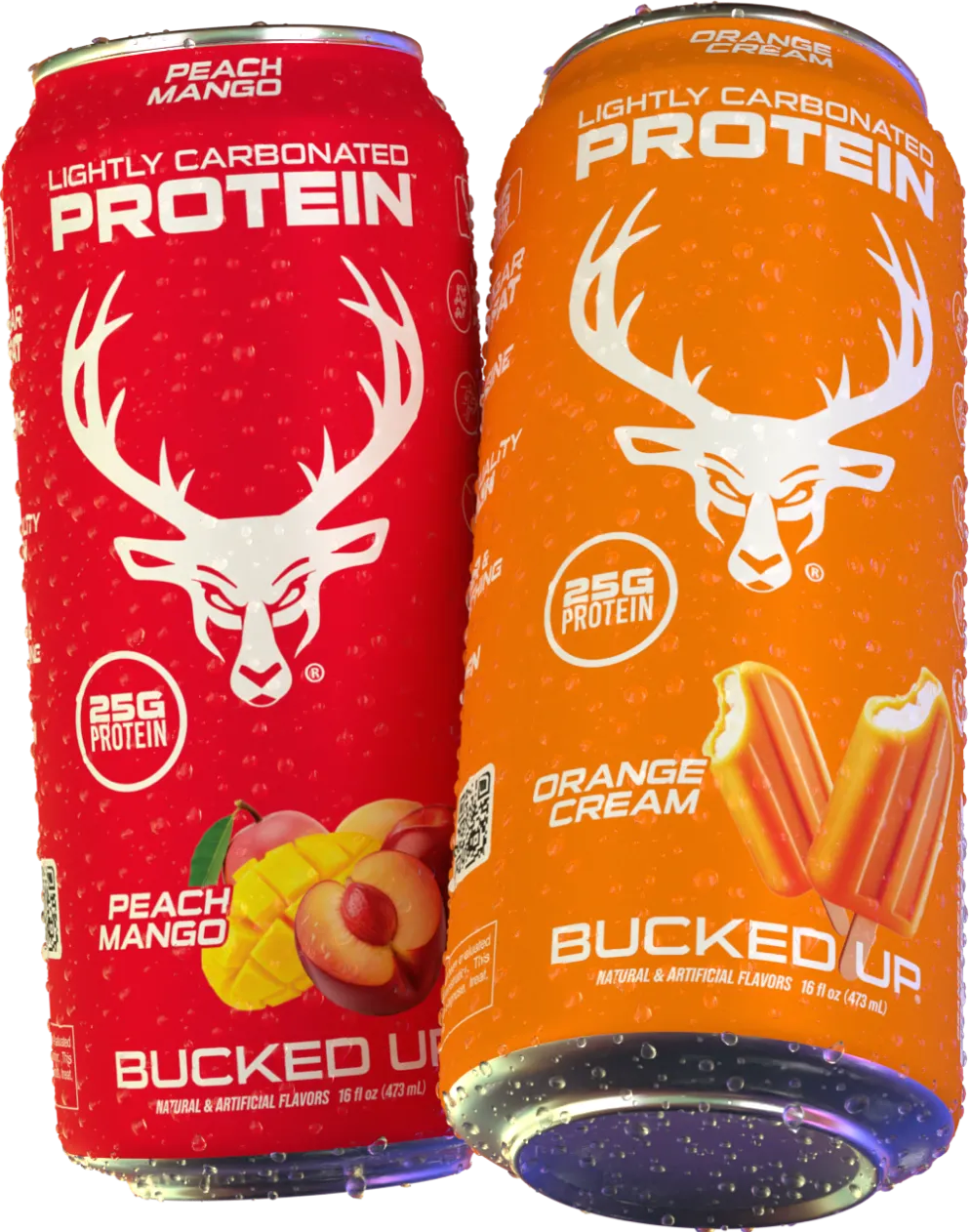
- Liquid proteins like whey isolate are often easier to tolerate. Bucked Up Protein Soda provides 25g protein in 100 calories with zero sugar and zero carbs.1
- Track your intake and include Bucked Up Protein Soda daily to consistently reach muscle-supporting protein goals on GLP-1.1
Turn Your GLP-1 Protein Target Into Real Numbers
Your specific protein requirement sets the foundation for protecting muscle while you lose weight on GLP-1 therapy. The table below shows how the recommended range translates into daily protein targets based on your body weight in lbs.
| Body Weight (lbs) | Minimum Protein (1.2g/kg) | Optimal Protein (1.6g/kg) |
|---|---|---|
| 150 | 82g | 109g |
| 175 | 95g | 127g |
| 200 | 109g | 145g |
| 225 | 122g | 164g |
| 250 | 136g | 182g |
Several factors influence your individual needs. Active individuals who lift weights or perform resistance training should target the higher end of this range. Older adults (65+) or those at risk for sarcopenia are often advised to consume 1.2–1.5 grams per kilogram of ideal body weight daily because their muscles respond less efficiently to protein. Always consult your healthcare provider to determine the most appropriate target for your situation and medical history.
5 Practical Strategies to Hit Protein Goals on GLP-1
Now that you have a protein target, the next step is consistently eating that amount while managing GLP-1 side effects. Meeting these targets often requires simple, research-backed strategies that fit your appetite and schedule. Spreading 100 grams of protein across three meals, each with 25–40 grams and roughly 2.5–3 grams of leucine, triggers muscle protein synthesis more effectively than consuming the same total at one large dinner.
Protein-First Meals: Start every meal with 25–35 grams of protein before eating carbohydrates or vegetables. GLP-1 receptor agonists slow gastric emptying and cause rapid fullness that can limit protein intake. Eating protein first helps you take in essential amino acids before appetite suppression makes finishing your plate difficult.
Small, Frequent Portions: Break your protein into several smaller servings across the day. Aim for 20–30 grams of high-quality protein per meal across 4–6 eating occasions instead of relying on one or two large meals that may trigger nausea or feel overwhelming.
Easy-Digest Protein Sources: Choose gentle options that are less likely to aggravate GLP-1 side effects:
- Greek yogurt (15–20g per serving)
- A large egg (50 grams) contains 6.3 grams of protein
- Cottage cheese (14g per half cup)
- A standard 3-ounce serving of cooked wild salmon provides around 22 grams of protein
- A standard cup of bone broth typically contains 6 to 12 grams of protein, about 8 to 10 grams on average
Prioritize Liquid Supplements: Liquid protein sources often feel easier to handle on days when nausea or early fullness show up. Many people on GLP-1 medications tolerate liquid protein better than dense solid foods during gastrointestinal side effects. Protein shakes, sodas, and smoothies deliver concentrated nutrition when chewing through a full meal feels unrealistic.
Track Your Intake: Use apps like MyFitnessPal to log your daily protein. Research shows that average protein intake in adults using GLP-1 medications often falls below the recommended 1.2–1.6 g/kg body weight. Tracking highlights gaps, keeps you accountable, and makes it easier to adjust your routine.
Liquid Protein That Goes Down Easy on GLP-1
When solid foods feel challenging, liquid protein can become a daily essential for GLP-1 users. Liquid protein sources are often better tolerated than dense solid foods when nausea and other gastrointestinal side effects are prominent. Not every drink works the same way for this group, so the format matters.
Bucked Up Protein Soda can stand out for GLP-1 users because its formula is designed for easy, light drinking. Each can delivers 25 grams of whey protein isolate, a highly filtered and rapidly absorbed form of protein, in just 100 calories with zero sugar and zero carbs.1 The lightly carbonated, caffeine-free drink tastes similar to an energy drink while avoiding the heaviness of traditional protein shakes.
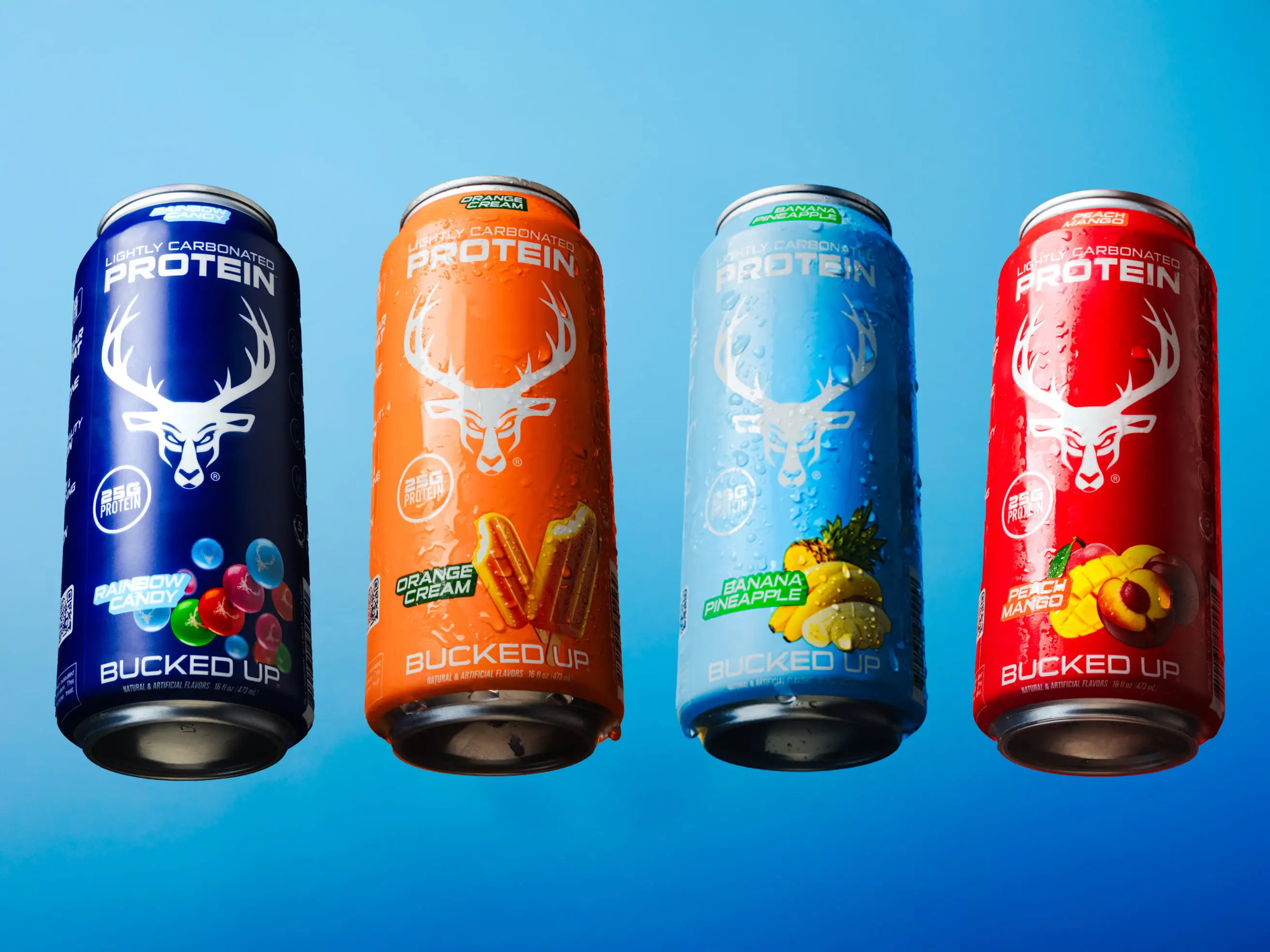
Many ready-to-drink options such as Premier Protein and Fairlife have a thick, milky texture that can feel heavy and may worsen nausea for some GLP-1 users. Bucked Up’s crystal-clear, non-milky formula can help reduce that issue while maintaining high protein density in a smaller, easy-to-finish serving.1 Whey isolate and other high-quality protein options support concentrated protein intake in lower volumes for people with reduced appetite on GLP-1 therapy.1
Ready to see how this fits into your routine? Try Bucked Up Protein Soda or pick it up on Amazon to make your daily protein target more realistic.
Sample 100g+ Protein Days on GLP-1 Using Bucked Up
Simple meal outlines make it easier to picture how you can reach your protein goal even with a smaller appetite. The sample days below show how Bucked Up Protein Soda can plug into a typical schedule.
100g Protein Plan:
- Breakfast: 2 eggs + 1 Bucked Up Protein Soda = 37g protein
- Mid-morning: Greek yogurt (6 oz) = 18g protein
- Lunch: 3 oz chicken breast = 26g protein
- Afternoon: 1 Bucked Up Protein Soda = 25g protein
- Total: 106g protein
120g Protein Plan:
- Breakfast: Protein smoothie with 1 Bucked Up Protein Soda + berries = 25g protein
- Mid-morning: Cottage cheese (1/2 cup) = 14g protein
- Lunch: 4 oz salmon = 28g protein
- Afternoon: 1 Bucked Up Protein Soda = 25g protein
- Dinner: 3 oz lean beef = 25g protein
- Evening: String cheese (6.7g per 28-gram serving)
- Total: 123g protein
These plans focus on low-calorie, nutrient-dense foods that fit busy days and respect the reduced appetite common with GLP-1 therapy. Get started with Bucked Up and build your own muscle-supporting meal plan around your preferred foods.
GLP-1 Protein FAQs
How much protein should I consume daily on GLP-1 medication?
Most adults on GLP-1 medications should target 1.2–1.6 grams of protein per kilogram of body weight daily. For a 175-pound person, this equals roughly 95–127 grams of protein per day. This range supports muscle preservation during rapid weight loss while accounting for the appetite-suppressing effects of these medications. Active individuals or adults over 65 often benefit from aiming toward the higher end of this range.
What is the difference between whey protein isolate and concentrate for GLP-1 users?
Whey protein isolate goes through additional filtering to remove more lactose, fat, and carbohydrates, which creates a higher purity protein that the body absorbs efficiently. This profile can work well for GLP-1 users who notice digestive sensitivity. Concentrate contains more lactose and can feel heavier in the stomach, which may worsen nausea for some people. Bucked Up uses 100% whey protein isolate to support tolerance and absorption.1
Is Bucked Up Protein Soda suitable for keto and GLP-1 users?
Yes, Bucked Up Protein Soda fits both ketogenic diets and GLP-1 therapy plans. Each can contains no carbs or sugar and provides 25 grams of high-quality protein in just 100 calories.1 The caffeine-free formula will not interfere with sleep or cause jitters, so you can drink it at any time of day.1
Can I drink Bucked Up Protein Soda daily while on GLP-1 medication?
Daily Bucked Up Protein Soda can be a practical way to meet your protein goals while managing GLP-1 side effects.1 Many people choose 1–2 cans per day as part of their overall protein distribution plan. The straightforward ingredient profile and lack of artificial stimulants support regular use.1 As with any nutrition change, discuss your intake with your healthcare provider so it aligns with your medical plan.
Does Bucked Up taste like traditional protein shakes?
Bucked Up Protein Soda does not taste like a typical thick protein shake. It belongs to a newer style of protein drink that feels more like a flavored energy drink than a milky supplement. The lightly carbonated, crystal-clear formula avoids the heavy, chalky texture many people dislike in protein powders and shakes. This refreshing taste can make it easier to keep your protein intake steady even when your appetite is low.
1 The content provided in this article is for informational purposes only and is not medical advice. Consult with a medical professional before implementing any changes to your diet, health, or exercise routines.
Individual results will vary and are based on a combination of each individual’s diet, exercise, age, and health circumstances.
These statements have not been evaluated by the Food and Drug Administration. This product is not intended to diagnose, treat, cure or prevent any disease.
This article was written by Ryan Gardner, CEO of Bucked Up. As the maker of Bucked Up Protein Soda, we have a financial interest in this information. The views expressed are our own and should be read with that context in mind.