Last updated: April 22, 2026
Key Takeaways for GLP-1 Protein Success
- GLP-1 users risk 20-40% muscle loss without adequate protein. Aim for roughly 0.54-0.73 grams of protein per lb of body weight daily to help preserve lean mass.
- Choose high protein-to-calorie foods such as egg whites, lean chicken, and liquid protein sources to hit your goals without unnecessary calories.
- Use a simple 7-step approach that covers food choices, timing, tracking, and carbonated protein drinks to support easier digestion on GLP-1.1
- Sample 1,300-1,450 calorie plans show how to reach at least 100 grams of protein using Bucked Up Protein Soda and straightforward meals.
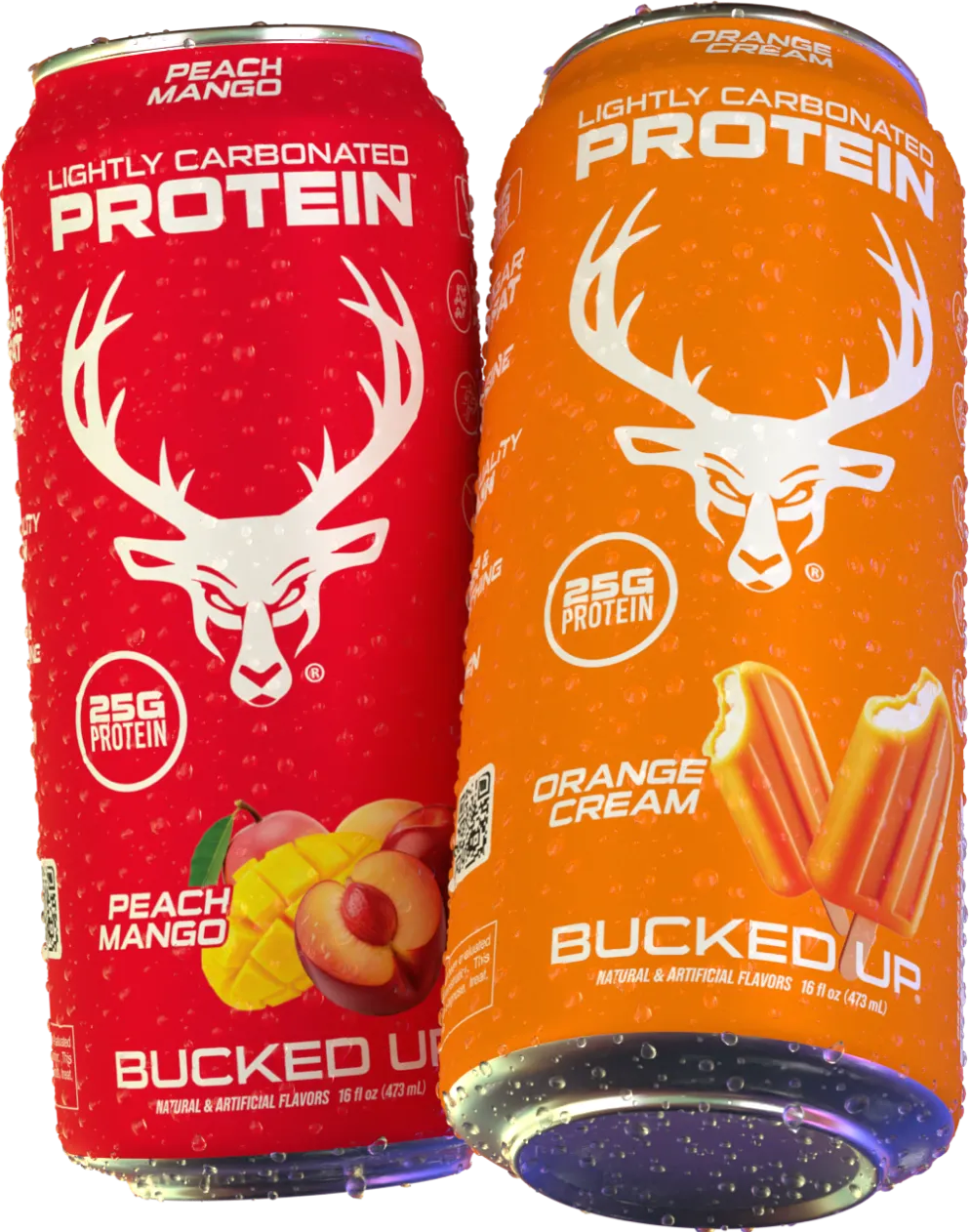
- Bucked Up Protein Soda provides 25 grams of whey isolate in 100 calories. Try Bucked Up Protein Soda for a convenient GLP-1-friendly protein boost.1
The Problem: Protein Shortfalls on GLP-1 Medications
Without sufficient protein intake, 20-40% of weight lost on GLP-1 medications comes from lean muscle mass rather than fat. This muscle loss slows metabolism, increases the risk of weight regain, and can contribute to long-term health complications including sarcopenia.
GLP-1 users often skip meals, which makes it even harder to meet protein needs through regular meals alone. The following table shows minimum daily protein targets by body weight so you can see what you should aim for to help protect muscle while losing fat.
| Body Weight (lbs) | Optimal Minimum for Sedentary (g) | Optimal for Muscle Gain (g) |
|---|---|---|
| 130 | 71 | 95 |
| 150 | 82 | 109 |
| 180 | 98 | 131 |
| 200 | 109 | 145 |
7 Practical Steps to Hit Protein Goals Without Extra Calories
1. Prioritize High Protein-to-Calorie Ratios
Start with lean protein sources that deliver a lot of protein for relatively few calories. 100 grams of egg whites provide 11 grams of protein for 52 calories. In comparison, 4 oz of boneless, skinless grilled chicken offers 32.13 grams of protein for 211 calories.
2. Choose Liquid Protein Sources
When solid foods feel difficult to tolerate, liquid proteins offer a practical alternative. Liquid proteins are easier to digest when solid foods trigger nausea. Ready-to-drink options also avoid some of the gastric emptying delays that are common with GLP-1 medications.
3. Opt for Light, Carbonated Protein Drinks
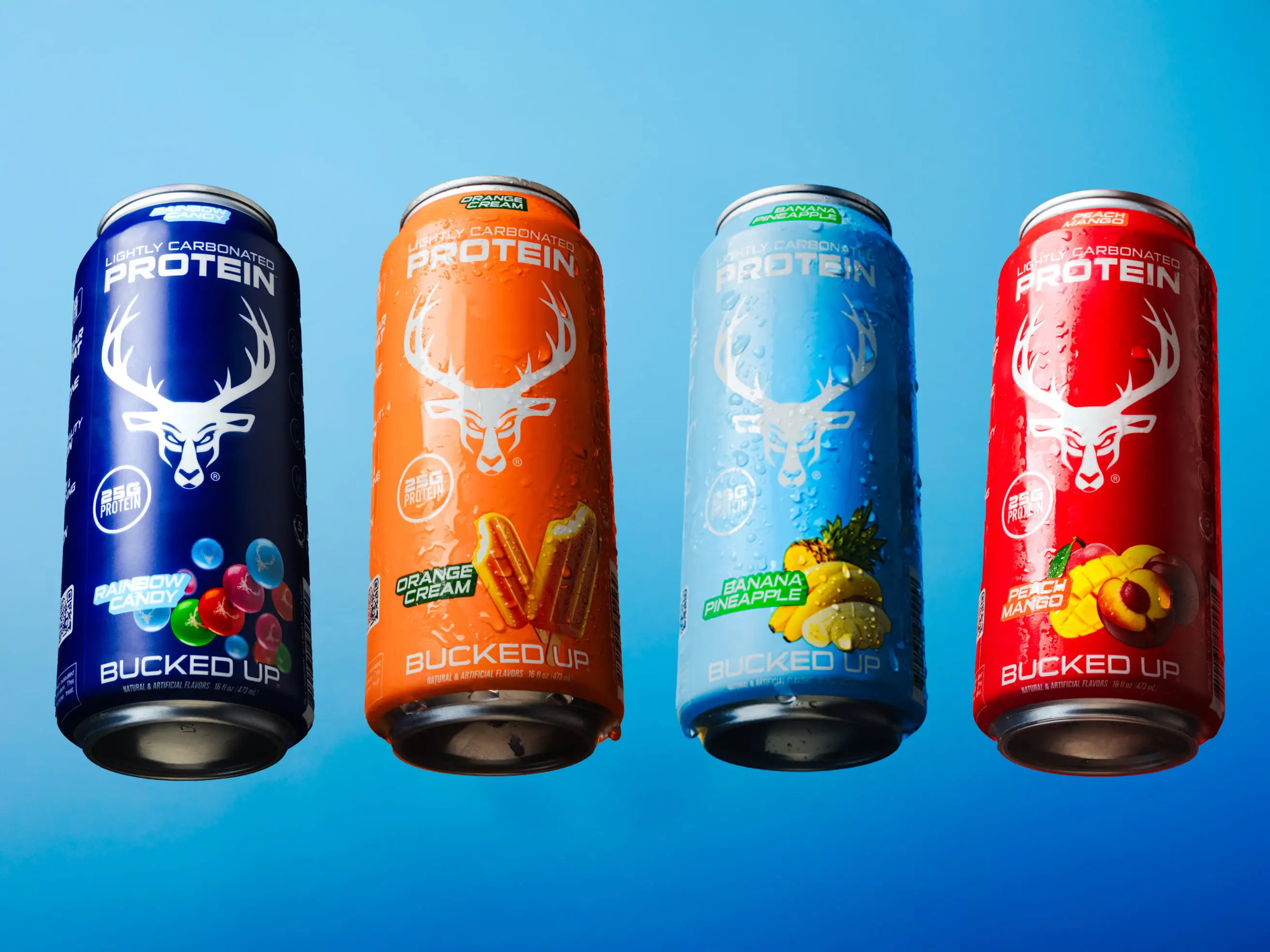
Among liquid options, light and carbonated choices can feel more refreshing. Unlike thick, milky protein shakes that can feel heavy, carbonated protein sodas like Bucked Up provide a crisp option that many people find easier to sip throughout the day.1
4. Time Protein Intake Throughout the Day
Spreading protein across the day supports steady intake even with a reduced appetite. Schedule protein consumption mid-morning (10-11 AM) and mid-afternoon (3-4 PM) to create 5-6 small eating occasions daily.
5. Include Lean Fish, Meat, and Vegetables
Build meals around lean protein and non-starchy vegetables. White fish, salmon, and lean cuts of meat paired with vegetables provide complete amino acids without adding many extra calories.
6. Track Your Daily Protein Intake
Use nutrition apps or a simple log to monitor how much protein you eat each day. Tracking helps you spot gaps that you can fill with supplements or targeted snacks.
7. Support Hydration and Coordinate With Medications
Adequate hydration supports digestion and protein use. Many people also feel better when they time larger protein servings away from their GLP-1 dose to help reduce nausea.
Sample GLP-1 Meal Plans: 100g Protein on Lower Calories
These two sample days show how you can reach at least 100 grams of protein while staying within roughly 1,200-1,500 calories.
Day 1 Plan (1,300 calories, 105g protein)
- Breakfast: 3 egg whites with spinach (20g protein, 100 calories)
- Mid-morning: Bucked Up Protein Soda (25g protein, 100 calories)
- Lunch: 4 oz grilled turkey breast with mixed greens (28g protein, 180 calories)
- Afternoon: Greek yogurt, plain (15g protein, 130 calories)
- Dinner: 4 oz white fish with steamed broccoli (25g protein, 200 calories)
- Evening: Cottage cheese, 1/2 cup (14g protein, 90 calories)
Day 2 Plan (1,450 calories, 110g protein)
- Breakfast: Protein smoothie with 1/2 scoop powder (20g protein, 150 calories)
- Mid-morning: String cheese (8g protein, 80 calories)
- Lunch: Bucked Up Protein Soda plus a small salad with 3 oz chicken (40g protein, 250 calories)
- Afternoon: Hard-boiled eggs, 2 whole (12g protein, 140 calories)
- Dinner: 5 oz lean beef with roasted vegetables (35g protein, 300 calories)
Why Bucked Up Protein Soda Can Stand Out for GLP-1 Users
Bucked Up Protein Soda addresses several common challenges GLP-1 users face with traditional protein sources. The 100% whey protein isolate formula supports fast absorption with minimal lactose, which can help reduce digestive discomfort.1 The light, carbonated format feels refreshing instead of heavy, so many people find it easier to drink when appetite is low.
Bucked Up uses pure whey isolate to support absorption and digestibility.1 The energy drink-like taste profile makes protein intake feel more like a regular beverage and less like a thick shake, which can encourage consistent daily use.
Each can delivers the protein-to-calorie ratio discussed earlier, with 25 grams of protein in 100 calories and zero sugar or carbs to help avoid blood sugar spikes.1 Experience the difference with Bucked Up today.
How Bucked Up Compares to Traditional RTD Protein Shakes
Traditional ready-to-drink protein shakes often rely on whey concentrate, which contains more lactose and can feel heavier in the stomach. For example, Premier Protein provides 30 grams of protein but requires 160 calories, while Fairlife Core Power delivers 26 grams of protein per shake with 170 calories and a thick, dairy-heavy consistency.
Bucked Up’s carbonated format offers several potential advantages for GLP-1 users. The clear, fizzy texture removes the milky mouthfeel that can trigger nausea for some people.1 This carbonated advantage becomes especially important given the delayed gastric emptying that GLP-1 medications cause.
The whey isolate formulation provides complete amino acids that support muscle preservation.1 The zero-carb profile can also fit ketogenic or lower-carb eating patterns that some providers recommend alongside GLP-1 therapy.
Common Questions About GLP-1 and Protein
How can I get enough protein on a GLP-1 diet?
Focus on foods with a high protein-to-calorie ratio, use liquid protein sources like Bucked Up Protein Soda, and spread intake across 5-6 small meals daily. Choose options that feel easy to digest when solid foods are challenging.
What happens if I do not eat enough protein on GLP-1?
Low protein intake can lead to muscle loss, a slower metabolism, and a higher risk of weight regain. When dietary protein stays low during rapid weight loss, your body may break down muscle tissue for energy.
What is a good protein source for GLP-1 users?
Whey protein isolate in liquid form offers complete amino acids, relatively fast absorption, and generally good digestive tolerance.1 Carbonated options like Bucked Up can feel especially manageable for users who experience nausea or reduced appetite.1
How is protein soda different from regular protein shakes?
Protein sodas are carbonated, clear, and light instead of thick and creamy. They provide the refreshing experience of a soda while delivering substantial protein, without the heavy, milky texture that some people find difficult to tolerate on GLP-1 medications.
Conclusion: Making Protein Work With Your GLP-1 Plan
Maintaining protein intake on GLP-1 medications becomes easier with a clear plan and the right products. By focusing on high protein-to-calorie ratios, choosing formats that sit well with your stomach, and using options like Bucked Up Protein Soda, you can support muscle mass while working toward your weight loss goals. The goal is consistency and finding protein sources that align with your medication’s effects on appetite and digestion.
Make your protein goals effortless with Bucked Up, even when your appetite feels reduced.
1 The content provided in this article is for informational purposes only and is not medical advice. Consult with a medical professional before implementing any changes to your diet, health, or exercise routines.
Individual results will vary and are based on a combination of each individual’s diet, exercise, age, and health circumstances.
These statements have not been evaluated by the Food and Drug Administration. This product is not intended to diagnose, treat, cure or prevent any disease.
This article was written by Ryan Gardner, CEO of Bucked Up. As the maker of Bucked Up Protein Soda, we have a financial interest in this information. The views expressed are our own and should be read with that context in mind.