Last updated: April 22, 2026
Key Takeaways
- Protein sodas that provide 20-30g of whey protein isolate can support muscle gain and recovery through rapid absorption and muscle protein synthesis.1
- Post-workout protein timing within 30-60 minutes supports recovery and may reduce soreness, according to sports nutrition research.1
- Carbonation does not reduce protein effectiveness and can improve taste and consistency of intake compared with many traditional shakes.
- Whey isolate often outperforms blends or plant proteins for muscle recovery because it offers complete amino acids, high leucine, and fast digestion.1
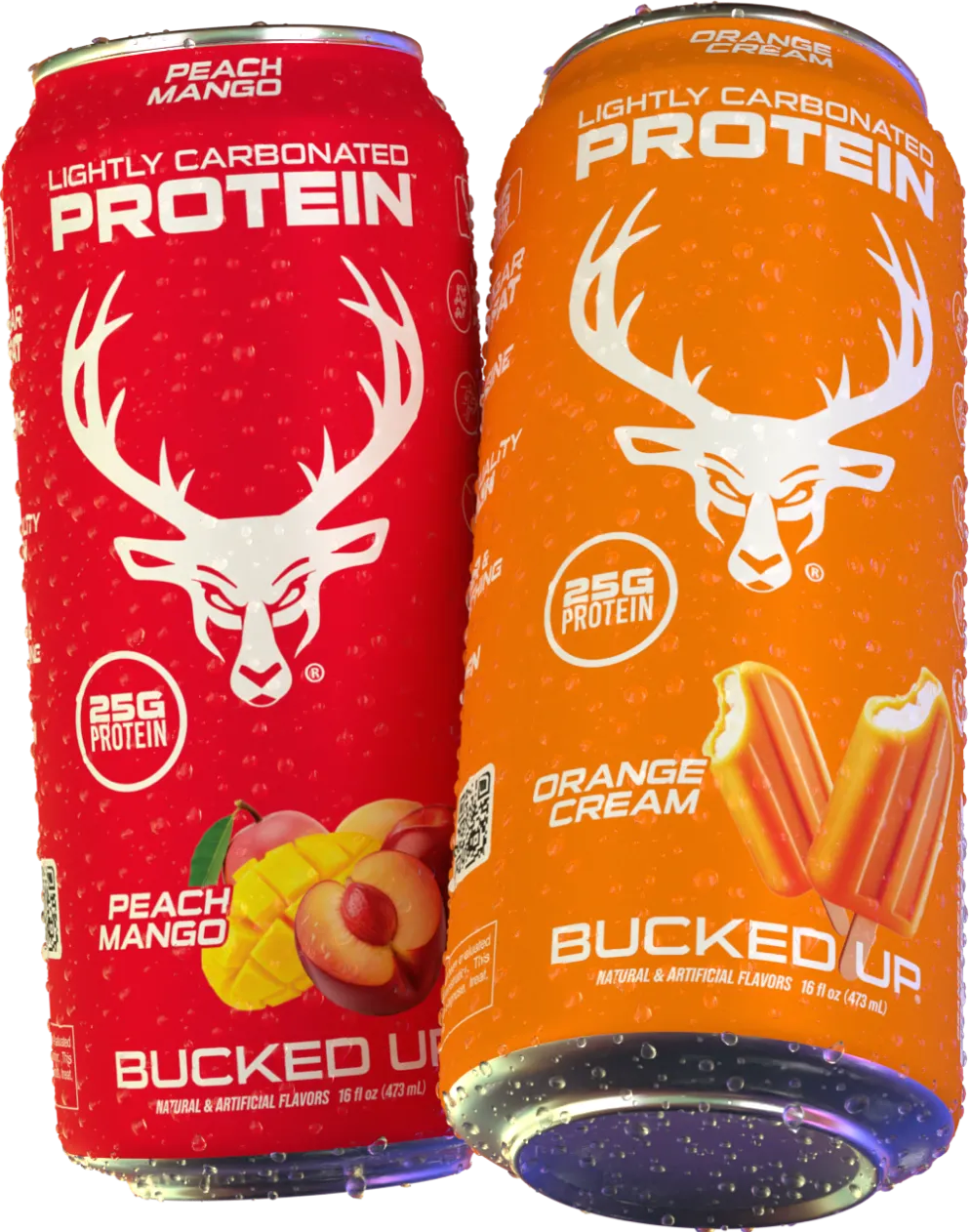
- GLP-1 users and lifters at every level can benefit from a light, ready-to-drink option like Bucked Up Protein Soda with 25g whey isolate in a refreshing, zero-sugar can.1
How Protein Supports Muscle Gain and Recovery
Protein drives muscle protein synthesis, the process your body uses to repair and build muscle tissue after exercise. The International Society of Sports Nutrition’s 2024 Position Stand on Protein and Exercise recommends 1.6 to 2.2 grams of protein per kilogram of body weight daily for active adults, which equals roughly 0.7 to 1.0 grams per pound of body weight.
The timing of protein intake plays a major role in muscle recovery and growth. Research indicates that consuming 20-40g of high-quality protein within 30-60 minutes after training supports muscle protein synthesis rates because this post-exercise window is when your muscles are primed to absorb amino acids and start the repair process.
Whey protein isolate stands out among protein sources due to its complete amino acid profile and rapid absorption. Unlike whole food proteins that require more digestion, liquid protein formats such as Bucked Up’s carbonated protein soda can deliver amino acids to muscles more quickly, which supports faster recovery and may reduce muscle soreness.1
Are Protein Sodas Effective? What the Research Shows
Given these absorption advantages, the key question becomes whether carbonated formats maintain protein effectiveness. Protein sodas delivering 20-30g of whey protein isolate like Bucked Up can support muscle gain and recovery through rapid absorption.1 Their effectiveness depends mainly on protein content, quality, and absorption characteristics rather than the fact that the drink is carbonated.
Whey protein isolate offers clear advantages over whey concentrate for muscle recovery.1 Some leucine-enriched whey hydrolysates can absorb even faster than standard whey. This faster absorption supports quicker amino acid delivery to muscle tissue, which can help recovery and reduce post-exercise muscle damage.1
Carbonation itself does not impair protein absorption or effectiveness. Research on gastrointestinal tolerance shows that carbonated beverages can improve palatability and compliance without affecting nutrient absorption. The light, refreshing feel of carbonated protein beverages like Bucked Up can encourage more consistent protein intake compared with many heavier, traditional shakes.
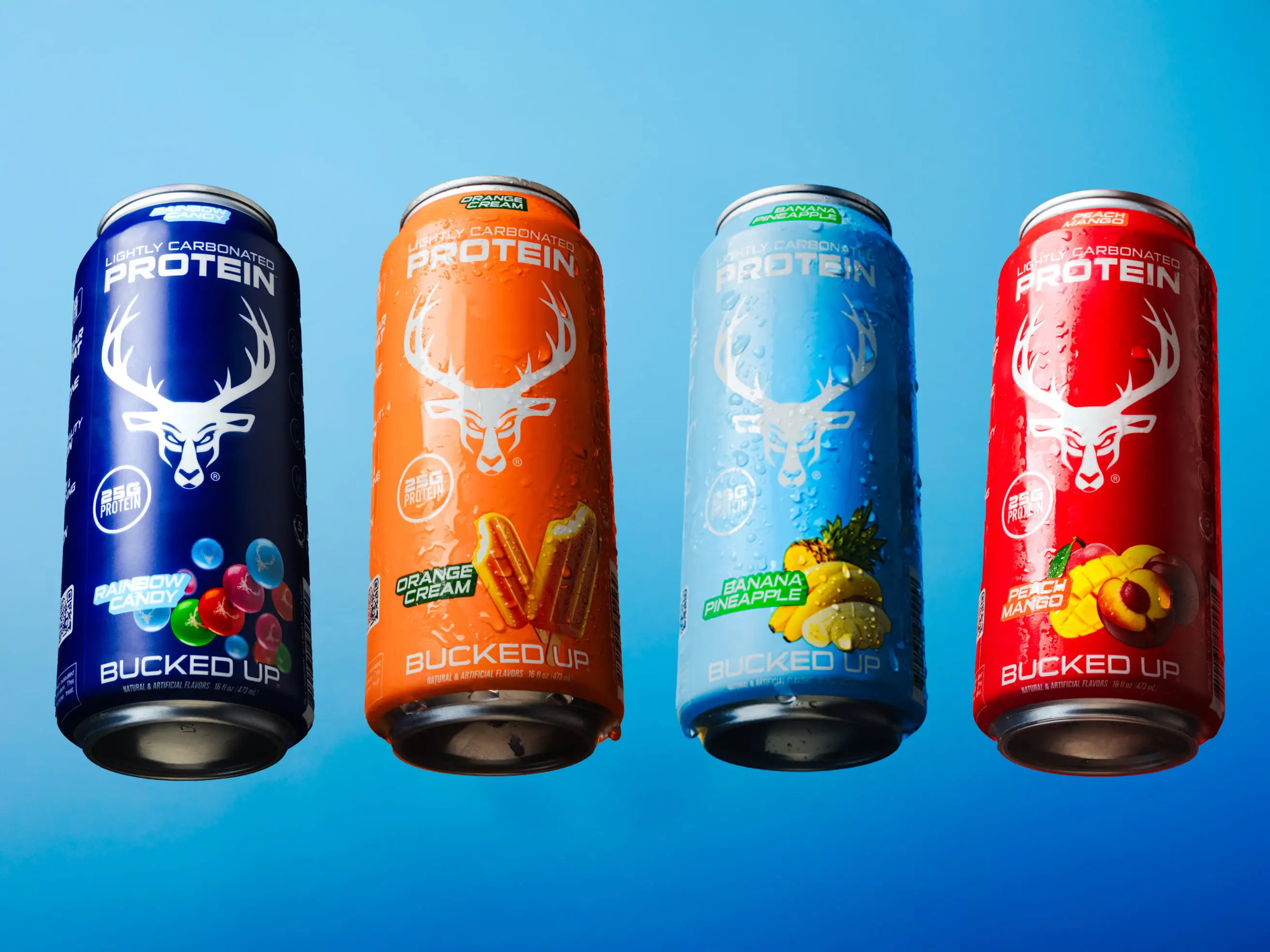
See how Bucked Up pairs a light, carbonated format with 25g of whey isolate in each can.
Does Protein Soda Help Muscle Soreness and Growth?
Protein sodas can support muscle growth when they contain enough high-quality protein.1 The deciding factor is the quality and amount of protein, not whether it comes in a can, bottle, or shaker cup. Animal proteins including whey dominate sports recovery because of their higher leucine content and digestibility scores above 95%, which plant proteins typically match only with fortification. Bucked Up’s whey isolate provides the complete amino acid profile needed for muscle protein synthesis.1
Beyond muscle growth, protein sodas can also support recovery from delayed onset muscle soreness.1 Rapid amino acid delivery from whey isolate helps repair exercise-induced muscle damage more efficiently than slower-digesting protein sources, which supports a quicker return to training.1
Ready-to-drink (RTD) protein beverages captured a prominent share of sports-nutrition retail value in 2025, surpassing powder formats. This shift reflects growing interest in convenient, pre-mixed protein options that make consistent intake easier, which is essential for muscle growth.
Protein Soda vs Traditional Shakes and Whole Foods
Protein sodas offer specific advantages over traditional protein shakes in convenience, digestibility, and taste. Many traditional shakes require mixing, can feel heavy, or may cause digestive discomfort. Carbonated protein beverages provide a lighter, more refreshing option that is ready to drink.
The absorption profile of protein from carbonated beverages compares well with non-carbonated formats. Specialized whey protein systems can address sedimentation in acidic RTD beverages and allow high protein levels in smaller servings. These systems show that carbonated formats can deliver substantial protein doses effectively.
This broader move toward RTD options raises a practical question about tradeoffs. As more people replace powders and some whole-food servings with ready-to-drink products, the specific protein source and calorie profile of each option matter more.
| Brand | Protein Type & Amount | Calories | Carbs (g) |
|---|---|---|---|
| Bucked Up | Whey Isolate, 25g | 100 | 0 |
| Premier Protein | blend of milk protein concentrate and calcium caseinate, 30g protein | 160 | 5 |
| Muscle Milk | Milk Protein Isolate, 25g | varies | varies |
This comparison shows Bucked Up delivering pure whey isolate rather than protein blends, with minimal calories and zero carbohydrates. That profile can fit a range of dietary approaches, including ketogenic and low-carb plans.
Why Protein Soda Fits GLP-1 Users and Weight Management
Protein sodas can be especially useful for people using GLP-1 receptor agonists like Ozempic or Zepbound for weight management. These medications often reduce appetite and make it harder to eat enough protein from whole foods, which can increase the risk of muscle loss during weight reduction.
The light, carbonated format of protein sodas addresses common GLP-1 challenges such as nausea, low appetite, and difficulty finishing dense meals. Bucked Up’s 100-calorie formulation avoids added sugars that could add unnecessary calories or contribute to gastrointestinal discomfort.
This easier drinking experience can support consistent protein intake, which helps preserve lean muscle mass while body weight comes down.1
How to Evaluate Protein Sodas Before You Buy
Protein quality should be the first thing you check when comparing protein sodas, especially whether the drink uses complete proteins that support muscle building. Bucked Up uses 100% whey protein isolate instead of collagen blends or whey concentrate, and that choice directly affects recovery outcomes.1
Whey isolate provides the complete amino acid profile needed for muscle protein synthesis. Collagen proteins, while helpful for joints and skin, do not offer the same amino acid completeness for muscle recovery. This difference makes the protein source a key factor when you compare labels.
The company manufactures its products in GMP-certified facilities in the USA, which supports consistent quality and safety standards from batch to batch.
Frequently Asked Questions
Does whey protein help muscle soreness?
Whey protein supplementation can support recovery from delayed onset muscle soreness when you take it after workouts.1 The high leucine content in whey protein isolate activates muscle protein synthesis pathways that help repair exercise-induced muscle damage more efficiently.
Do protein drinks help build muscle?
Protein drinks that contain 20-30g of high-quality protein can support muscle building when paired with resistance training.1 Their convenience and rapid absorption make liquid protein formats useful for hitting daily protein targets and supporting post-workout recovery.
What is a good protein for recovery?
Whey protein isolate, such as the protein used in Bucked Up Protein Soda, supports recovery through its complete amino acid profile, high leucine content, and fast absorption.1 This serving size provides enough protein to stimulate muscle protein synthesis effectively for most people.
Does protein soda actually work?
Protein sodas can work as well as traditional protein shakes when they contain sufficient amounts of high-quality protein. The carbonated format does not reduce absorption and may improve consistency of use because many people find the taste lighter and more refreshing than thick shakes.
Should I drink protein shakes while on Zepbound?
Protein supplementation can be helpful for people using GLP-1 medications like Zepbound, since these drugs can lower appetite and make it harder to eat enough protein from food alone. Light, carbonated protein beverages may feel easier to tolerate than heavier traditional shakes.
Conclusion: Using Protein Sodas to Support Your Training
Protein sodas can support muscle gain and recovery when they use high-quality protein sources such as whey isolate.1 Bucked Up Protein Soda provides 25g of whey protein isolate per can in a refreshing format that supports muscle recovery and offers a convenient alternative to many traditional protein supplements.1
Busy professionals, dedicated athletes, and people managing weight with GLP-1 medications can all use protein sodas to help meet daily protein goals. The combination of ready-to-drink convenience, complete amino acids, and a lighter feel can make consistent intake easier.
1 The content provided in this article is for informational purposes only and is not medical advice. Consult with a medical professional before implementing any changes to your diet, health, or exercise routines.
Individual results will vary and are based on a combination of each individual’s diet, exercise, age, and health circumstances.
These statements have not been evaluated by the Food and Drug Administration. This product is not intended to diagnose, treat, cure or prevent any disease.
This article was written by Ryan Gardner, CEO of Bucked Up. As the maker of Bucked Up Protein Soda, we have a financial interest in this information. The views expressed are our own and should be read with that context in mind.