Last updated: April 22, 2026
Key Takeaways: Protein Soda and Muscle Gain
- Protein sodas with 25g whey isolate can stimulate muscle protein synthesis at levels comparable to traditional protein sources when paired with resistance training.1
- Aim for about 1.6g of protein per kg of body weight daily, with 20-40g per meal supporting post-exercise muscle growth.1
- Carbonation does not impair protein absorption, and whey isolate peaks in blood amino acids within roughly 40-67 minutes.1
- Protein sodas support convenience and consistency better than many thick shakes, which can help GLP-1 users and keto or paleo followers.
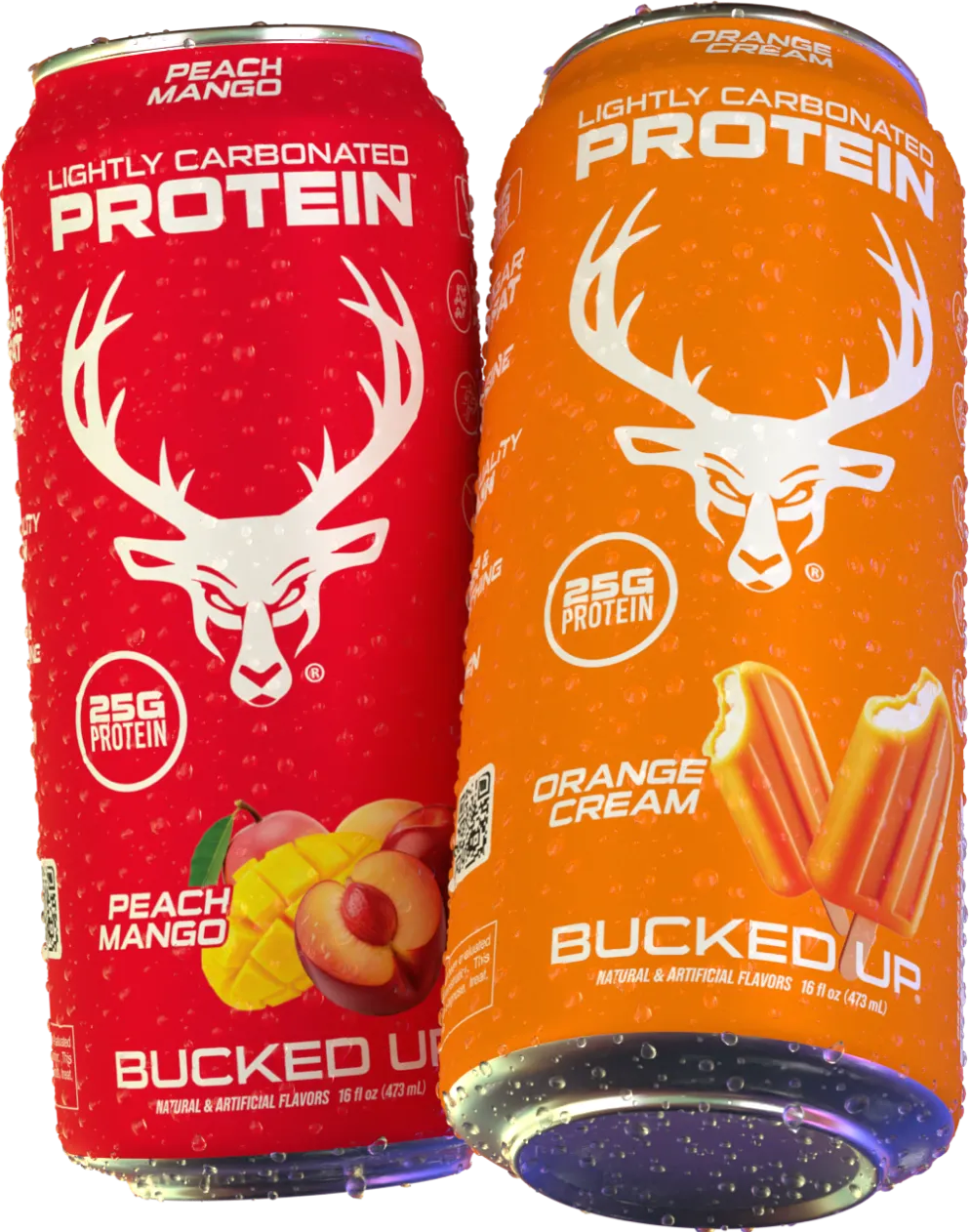
- Fuel your gains with Bucked Up Protein Soda, which provides 25g whey isolate, zero sugar, and 100 calories for a refreshing recovery option.1
Muscle Gain Basics: How Much Protein You Really Need
Effective muscle growth depends on enough daily protein, smart timing, and consistent resistance training. Research shows that adults aiming for muscle gains benefit from about 1.6g of protein per kg of body weight daily, which is significantly higher than the general 0.8g/kg guideline.
Muscle protein synthesis activates once you hit a certain protein threshold at each meal. Studies indicate that 20-40g of high-quality protein per meal maximizes post-meal muscle protein synthesis. Whey protein isolate works well here because it absorbs quickly and contains a high amount of leucine.1
Timing around training also influences results. Research by Macnaughton et al. found that 40g of whey protein isolate after resistance exercise increased muscle protein synthesis by about 20% over five hours compared to 20g.1 This effect appeared regardless of participants’ lean body mass.
Total daily protein intake still drives most of your progress. This means protein quality matters, but consistently hitting your daily target matters more than debating isolate versus concentrate. Sports science research suggests that differences in muscle protein synthesis between most animal-derived isolates and concentrates become less important once daily intake is adequate.
Does Protein Soda Work for Gains? What the Science Shows
Protein soda effectiveness depends on protein quality and how your body absorbs it. A 2025 Nutrients study reported that whey protein isolate effectively stimulates muscle protein synthesis in healthy young males, with essential amino acids peaking in plasma at about 40 minutes after ingestion.1
Whey protein isolate offers several advantages compared with other protein types. Pharmacokinetic data show that whey isolate reaches peak blood essential amino acid levels at roughly 67 minutes after ingestion.1 This timing is faster than whey concentrate, partly because isolate contains minimal fat and lactose.
Carbonation itself does not reduce protein effectiveness. Given the rapid absorption of whey isolate, many people wonder whether bubbles interfere with uptake. Available research indicates that carbonation does not block protein peptide absorption, and typical beverage acidity does not meaningfully denature protein structures.1
| Aspect | Pros | Cons |
|---|---|---|
| Absorption Rate | Rapid (under 70 minutes) | None significant |
| Convenience | Ready-to-drink carbonated format | Higher cost than powder |
| Protein Quality | Complete amino acid profile | Limited flavor variety |
| Digestibility | Minimal lactose and fat | May cause mild bloating in sensitive individuals |
Protein Soda vs Shakes and Other Protein Sources
Protein sodas provide a different experience than traditional shakes, especially for convenience and day-to-day consistency. The carbonated, clear format feels lighter and more refreshing than thick, creamy shakes that some people struggle to drink regularly. Reviewing verified nutrition labels for protein type, grams per serving, calories, and texture helps you choose what fits your routine.
| Product Type | Protein (Type/Amount) | Calories | Texture |
|---|---|---|---|
| Bucked Up Protein Soda | Whey isolate / 25g | 100 | Carbonated, clear |
| Premier Protein Shake | 30g protein | 160 | Milky, thick |
| Muscle Milk | Mixed proteins / 25g | 150-160 | Creamy |
| Fairlife Core Power | Milk protein / 26g | 170 | Milk-based |
The main advantage of protein sodas often shows up in adherence and real-world use. When people can choose formats they actually enjoy drinking, they tend to maintain more consistent protein intake. This pattern appears in broader market data as well. DoorDash data reports that protein shake orders grew 93% year over year as of early 2026, which reflects strong demand for convenient protein options.
Experience the difference with Bucked Up Protein Soda, where refreshing carbonation meets serious gains: Try the refreshing alternative1
How Bucked Up Protein Soda Supports Muscle Gains
Bucked Up Protein Soda includes several features that can support muscle gain goals.1 The formula uses 100% whey protein isolate, which offers high purity and efficient absorption compared with products that rely on whey concentrate or mixed protein blends.1
The nutritional profile fits multiple fitness objectives. Each can provides 25g of complete protein, zero carbohydrates, zero sugar, and only 100 calories. This setup works for muscle building, weight management, and dietary approaches such as ketogenic or paleo lifestyles.1 View complete nutrition details.
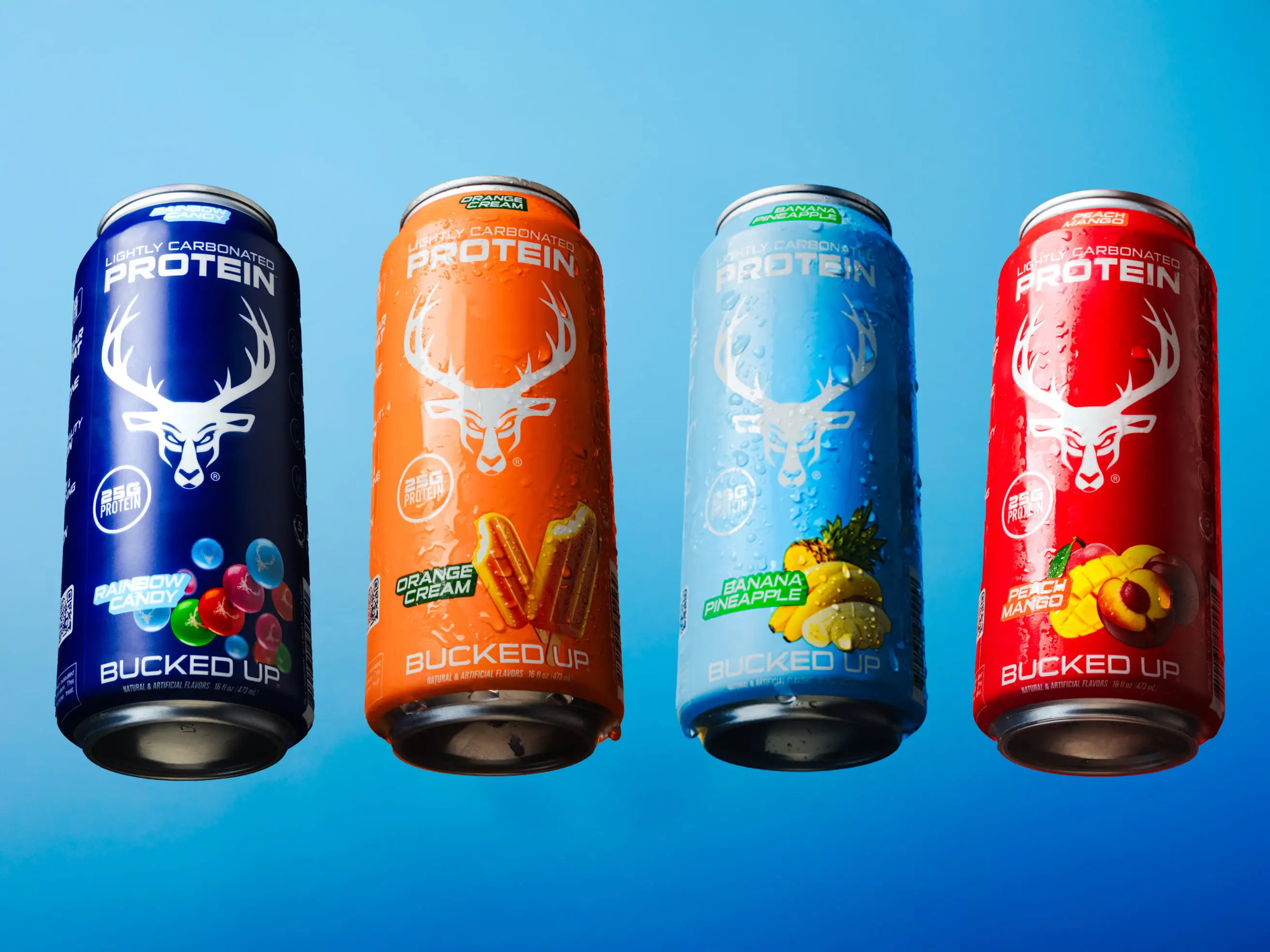
The caffeine-free formulation gives you flexibility with timing. You can use it after workouts, between meals as a protein boost, or in the evening without affecting sleep. This versatility helps you spread protein intake across the day, which supports muscle protein synthesis.1
Best Ways and Times to Use Protein Soda for Muscle Gain
Protein soda works best when timing lines up with known muscle protein synthesis patterns. Research supports consuming 25-40g of high-quality protein within one to two hours after exercise. Pairing this intake with resistance training helps support muscle repair and growth.1
GLP-1 medication users often face unique nutrition challenges, and protein sodas can help. Clinical guidance recommends protein intake near the upper end of the muscle-building range, about 1.0-1.6g per kg of ideal body weight, for people on GLP-1 receptor agonists to help preserve muscle during weight loss.1
To see how this looks in practice, consider a 175-pound individual. A daily protein target of about 128g means two cans of Bucked Up Protein Soda provide roughly 50g, or around 39% of daily needs. The remaining protein can come from whole food sources spread across meals and snacks.
The liquid format can feel especially helpful for people with reduced appetite or difficulty eating solid foods. These situations often occur with weight management medications or during intense training phases, and a light, drinkable protein source can make intake easier.
Limitations of Protein Soda and Realistic Expectations
Protein sodas support muscle growth, but they do not replace hard training and smart nutrition. They work as tools inside a larger plan that includes consistent resistance training and enough total calories. Without progressive overload and sufficient energy intake, even high-quality protein will not create meaningful muscle gains.
Cost also affects long-term consistency. Ready-to-drink protein beverages usually cost more per gram of protein than powders, although many people feel the convenience justifies the higher price.
Variety presents another limitation compared with whole food protein sources. Protein sodas can excel in convenience and absorption, yet they should not fully replace foods like lean meats, fish, eggs, and legumes that add extra nutrients and stronger satiety.
Maximize your protein strategy with Bucked Up Protein Soda as a convenient base in your routine: Build your protein foundation
Frequently Asked Questions
Does protein soda build muscle effectively?
Protein sodas that contain high-quality whey protein isolate can support muscle building when paired with resistance training.1 Meeting daily protein targets around 1.6g per kg of body weight and training consistently matters more than the specific drink format. Protein sodas supply the same muscle-building amino acids as traditional protein sources in a more convenient, refreshing form.
How does carbonated protein compare to traditional protein shakes?
Carbonated protein offers a lighter, more refreshing experience that many people find easier to drink regularly than thick shakes. The carbonation does not reduce protein absorption or effectiveness.1 The main advantages involve better adherence due to taste and texture, quick consumption, and no preparation. When protein quality and total grams match, both formats can support similar muscle-building outcomes.
Is protein soda safe for daily consumption and GLP-1 users?
Protein sodas are generally safe for daily use as part of a balanced diet. For people using GLP-1 medications, they can be especially helpful because the liquid format is easier to consume when appetite drops, and the high protein content supports muscle preservation during weight loss.1 The low calorie and zero sugar profile also fits many dietary restrictions and health goals.
Are protein sodas compatible with keto and paleo diets?
Quality protein sodas like Bucked Up can fit both keto and some paleo approaches. The macronutrient profile mentioned earlier, with no carbs or sugar and pure whey isolate per the product label, aligns with ketogenic requirements. Paleo followers should decide whether whey protein isolate fits their personal view of minimally processed foods.
When is the best time to drink protein soda for muscle gains?
The most effective window often falls within 30-60 minutes after a workout, which supports the muscle protein synthesis response.1 Protein sodas also work well between meals to help you reach daily protein goals, especially if you struggle to get enough from whole foods alone. The caffeine-free formula supports evening use without disrupting sleep, so you can add protein at any time of day that fits your schedule.
1 The content provided in this article is for informational purposes only and is not medical advice. Consult with a medical professional before implementing any changes to your diet, health, or exercise routines.
Individual results will vary and are based on a combination of each individual’s diet, exercise, age, and health circumstances.
These statements have not been evaluated by the Food and Drug Administration. This product is not intended to diagnose, treat, cure or prevent any disease.
This article was written by Ryan Gardner, CEO of Bucked Up. As the maker of Bucked Up Protein Soda, we have a financial interest in this information. The views expressed are our own and should be read with that context in mind.