Last updated: April 22, 2026
Key Takeaways
- Low carb protein drinks support keto dieters, gym-goers, and GLP-1 users who need higher daily protein to preserve muscle mass.1
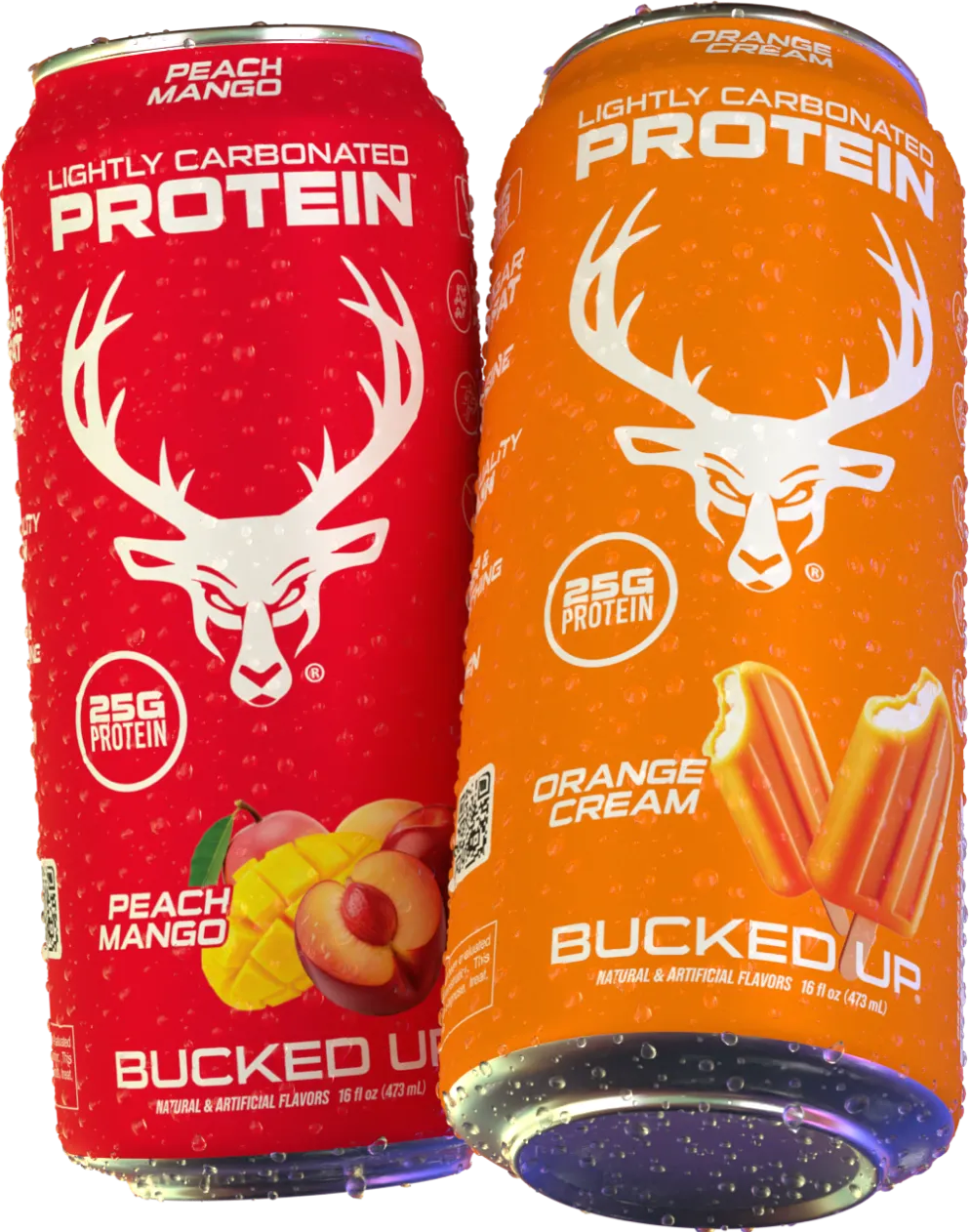
- Bucked Up Protein Soda provides 25g whey isolate, zero carbs, 100 calories, and a carbonated format for a light, bloat-free experience.1
- Competitors like Premier Protein (30g protein, 4g carbs) and Quest (30g protein, 3g carbs) deliver more protein with more carbs and creamier textures.
- Whey protein isolate offers about 90% protein purity, faster absorption, and fewer digestive issues than concentrates or many milk-based options.1
- Choose Bucked Up Protein Soda if you want a zero-carb, caffeine-free protein drink that fits current functional beverage trends.
Quick Comparison: Low Carb Protein Drinks by Macros
The table below compares protein, carb counts, and calories across popular low carb protein drinks. Focus on how even a few grams of carbs per serving can add up for strict keto or GLP-1 users who drink multiple servings per day.
| Brand | Protein (g) | Carbs (g) | Calories |
|---|---|---|---|
| Bucked Up Protein Soda | 25 | 0 | 100 |
| Premier Protein | 30 | 4 | 160 |
| Atkins Shake | 15 | 2 | 160 |
| Quest Protein Shake | 30 | 3 | 170 |
| Fairlife Core Power | 26 | 5 | 170 |
Bucked Up Protein Soda: Zero-Carb, Carbonated Protein
Bucked Up Protein Soda offers a carbonated format delivering 25g of whey protein isolate in just 100 calories with zero carbs. Whey protein isolate offers 90% protein purity with minimal lactose and fats, which many users prefer for rapid absorption after workouts and for muscle preservation during weight loss.1
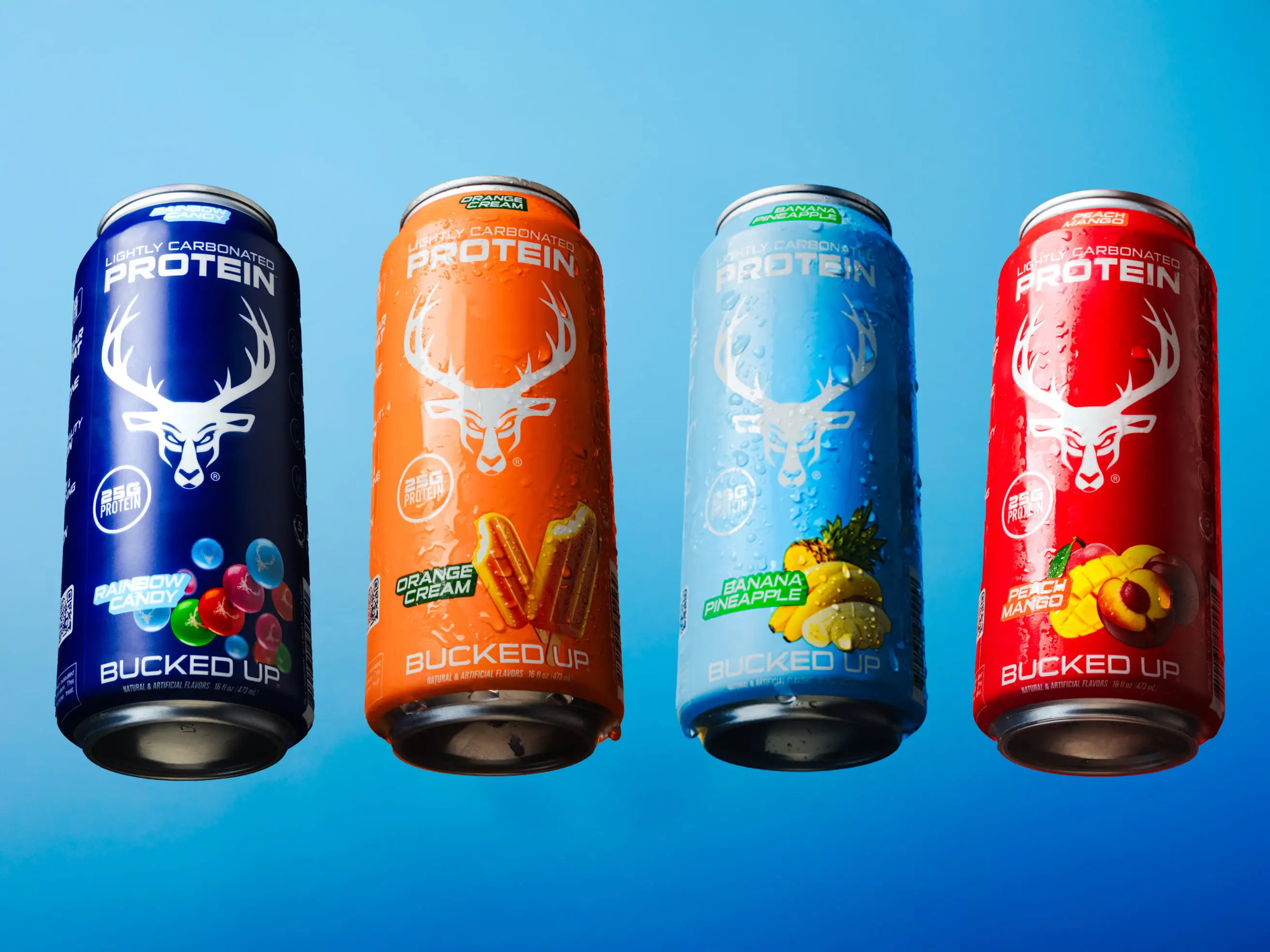
The caffeine-free formula tastes like an energy drink without stimulants, so you can drink it morning, afternoon, or evening without worrying about sleep disruption. This flexible timing pairs well with fast-absorbing whey isolate, because you can line up your protein intake with workouts or meals without caffeine getting in the way.1 The carbonated format also helps reduce the heavy, bloating sensation common with traditional shakes while still supplying the amino acids needed for muscle synthesis.1
Pros: Zero carbs, refreshing taste, caffeine-free, GMP-certified manufacturing
Cons: Higher price point than concentrate-based options, limited flavor variety
While Bucked Up focuses on zero carbs and a lighter feel, some people prioritize maximum protein per serving even if carbs and calories rise slightly.
Premier Protein Shake: Higher Protein, Creamier Texture
Premier Protein delivers 30g of protein with only 4g total carbohydrates in a convenient ready-to-drink format. The milk-based formula provides complete amino acids and uses a blend of whey protein concentrate and isolate. At 160 calories per serving, it feels richer and heavier than lighter, soda-style options.
Pros: High protein content, widely available, established brand
Cons: Milky texture, higher calories
Atkins Protein Shake: Keto-Friendly Macros
Atkins Milk Chocolate Delight Shake targets keto dieters with 15g protein and 2g net carbs per 325mL serving. Many users need more than one serving per day to hit higher protein targets, especially on GLP-1 medications. The formula includes fiber and fats that align with ketogenic macros.
Pros: Keto-friendly macros, added fiber
Cons: Lower protein content, may require multiple servings
Quest Protein Shake: Thick, High-Protein Option
Quest Protein Shake provides 30g of protein per 325 mL serving with 3g carbs using a whey protein isolate base. The complete amino acid profile supports muscle recovery after strength training or intense cardio.1 The thicker, shake-like consistency appeals to people who enjoy a traditional protein shake experience.
Pros: High protein isolate content, complete amino profile
Cons: Traditional shake texture, limited flavor options
Fairlife Core Power: Ultra-Filtered Milk Protein
Fairlife Core Power uses ultra-filtered milk to concentrate protein while reducing lactose, delivering 26g protein with 5g total carbs in a 240 ml serving. The milk base offers a familiar taste and texture for people who like dairy shakes. Lactose-sensitive users may still experience digestive discomfort compared to isolate-based drinks.
Pros: Milk-based taste, solid protein content
Cons: Higher carbs, potential lactose sensitivity issues
Muscle Milk Pro Series: Very High Protein, Higher Carbs
Muscle Milk Pro Series offers 50g protein per serving with 6g total carbs. The 230-calorie serving suits users chasing maximum protein intake more than strict keto or aggressive weight-loss goals.
Pros: Very high protein content
Cons: Higher carbs and calories, may exceed low-carb thresholds
OWYN Plant-Based Protein: Vegan-Friendly Choice
OWYN delivers 20g plant-based protein with 8g total carbohydrates per serving, which appeals to vegan consumers and people avoiding dairy. Plant-based protein can offer slower absorption compared to whey protein’s 1-2 hour digestion timeline.1 Some users increase serving size or pair it with other protein sources to better match whey’s amino acid profile.
Pros: Vegan-friendly, plant-based nutrition
Cons: Lower protein content, higher carbs
BioSteel Ready-to-Drink Protein: Clean-Label Option
BioSteel launched its first ready-to-drink protein beverage in June 2025, with each 330mL bottle containing 30 grams of protein and free from added sugar, preservatives, and lactose. The short ingredient list appeals to health-conscious consumers who prioritize simple formulations.
Pros: Clean label, lactose-free, high protein
Cons: Limited availability, newer market entry
Core Power Elite: High Protein for Heavy Training
Core Power Elite provides 42g protein with 11g total carbs, targeting serious athletes who want maximum protein in a single bottle. The 230-calorie serving and higher carb load fit intense training blocks more than strict low-carb or GLP-1 weight-loss plans.
Pros: High protein content, athlete-focused
Cons: Higher carbs and calories, may exceed low-carb requirements
Zero-Carb Carbonated Protein for GLP-1 and Keto
Bucked Up Protein Soda combines zero carbs with high-purity isolate in a refreshing carbonated format. Studies show that individuals on GLP-1 receptor agonists require 1.0-1.6 grams of protein per kilogram of body weight daily to preserve muscle mass, so convenient, high-quality protein sources matter.1 The caffeine-free formula supports flexible timing, and the light, non-bloating texture can make consistent intake easier when appetite drops.
Zero Carb Protein Drink Choices in 2026
True zero-carb protein drinks remain limited in 2026, with Bucked Up being one of the few options that eliminates carbs entirely. Most competitors contain 1-4g carbs per serving, which can accumulate for strict keto dieters or GLP-1 users drinking several servings. Zero-carb drinks give more room for carbs from whole foods while still supporting daily protein goals.
Ready-to-Drink Low Carb Protein for GLP-1 and Keto
Endocrine specialists recommend 1.2 to 1.6 grams of protein per kilogram of body weight daily for GLP-1 users, meaning a 154-pound GLP-1 user needs 84-112g protein daily (0.54-0.72g per pound of body weight), as recommended by many healthcare providers. Hitting this range becomes harder when GLP-1 medications suppress appetite, so ready-to-drink options help by removing prep work when food feels unappealing. Whey protein isolate offers rapid 1-2 hour absorption, which supports muscle preservation during rapid weight loss.1 Carbonated formats like Bucked Up can feel easier to sip for users dealing with nausea, food aversions, or early fullness.1
Try Bucked Up’s carbonated protein to support your protein goals with an innovative ready-to-drink option.
Conclusion: How to Choose a Low Carb Protein Drink
The 2026 low-carb protein drink market increasingly favors formats that balance absorption speed, taste, and convenience with clear macro profiles. Start by deciding whether you want whey isolate, milk-based blends, or plant protein, because this choice affects digestion speed and lactose tolerance. Then check carb counts against your keto or GLP-1 plan, and match texture preferences, such as carbonated, light drinks versus thick, creamy shakes.
Bucked Up Protein Soda brings together zero carbs, whey isolate, and a refreshing carbonated delivery that can fit keto, athletic, and GLP-1-focused routines. Manufactured in GMP-certified USA facilities with transparent labeling, it supports users who want convenient protein without extra sugars or heavy textures.
Start with Bucked Up Protein Soda, a refreshing zero-carb way to fuel your goals. Get your first case of Bucked Up Protein Soda to experience a different style of protein supplementation.
Frequently Asked Questions
What makes carbonated protein drinks different from traditional shakes?
Carbonated protein drinks like Bucked Up Protein Soda offer a lighter, effervescent texture that many users find less heavy than milk-based shakes. This lighter feel can reduce bloating and make protein easier to drink when appetite is low or right after a workout. The carbonation also makes the drink taste closer to a flavored beverage than a typical supplement shake. Many carbonated options rely on whey protein isolate, which absorbs faster than common concentrate blends and supports timely amino acid delivery for recovery.1
How much protein do I need daily if I’m using GLP-1 medications?
As discussed earlier, GLP-1 users need 1.2-1.6g protein per kg body weight daily, or 84-112g for a 154-pound person. This higher range compared with general guidelines helps offset muscle loss risk during rapid weight reduction and reduced appetite. Ready-to-drink protein can be useful when solid meals feel difficult, because it adds protein without requiring much preparation or chewing.
Are zero-carb protein drinks safe for long-term daily consumption?
Zero-carb protein drinks are generally safe for daily use when they complement a balanced diet. They provide essential amino acids for muscle maintenance and recovery without adding carbohydrates, which supports ketogenic and low-carb plans.1 These drinks should supplement whole food protein sources that supply additional vitamins, minerals, and fiber. People with medical conditions or specific dietary needs should check with a healthcare provider before making large changes to protein intake.
What’s the difference between whey protein isolate and concentrate in ready-to-drink products?
Whey protein isolate contains about 90% protein with minimal lactose, fats, and carbohydrates, while the most common forms of whey protein concentrate contain 34% or 80% protein along with more lactose and fats. Isolate absorbs faster than concentrate, which many users prefer for post-workout recovery.1 Isolate also tends to cause fewer digestive issues for lactose-sensitive individuals and delivers more protein per calorie, which supports weight management and strict low-carb diets.1
Can I use low-carb protein drinks as meal replacements?
Low-carb protein drinks can help manage hunger and support protein intake, but they usually should not replace full meals on a regular basis. Most lack the full mix of micronutrients, fiber, and healthy fats found in balanced whole-food meals. They work best as snacks, post-workout drinks, or convenient ways to close protein gaps. For people on GLP-1 medications with reduced appetite, protein drinks can bridge the gap between smaller meals, especially when paired with nutrient-dense foods whenever possible.
1 The content provided in this article is for informational purposes only and is not medical advice. Consult with a medical professional before implementing any changes to your diet, health, or exercise routines.
Individual results will vary and are based on a combination of each individual’s diet, exercise, age, and health circumstances.
These statements have not been evaluated by the Food and Drug Administration. This product is not intended to diagnose, treat, cure or prevent any disease.
This article was written by Ryan Gardner, CEO of Bucked Up. As the maker of Bucked Up Protein Soda, we have a financial interest in this information. The views expressed are our own and should be read with that context in mind.