Last updated: April 22, 2026
Key Takeaways for Hitting Your Protein Goals
- For muscle growth, most people build well on 0.7–1g protein per lb bodyweight daily, split into 20–40g servings.
- Spread protein across 4–5 meals, including a post-workout serving within 1 hour and a pre-bed serving for overnight recovery.
- Whey protein isolate digests quickly and contains minimal carbs and fat, which makes it a strong option for post-workout recovery.1
- During fat loss or while using GLP-1 medications, aim for the higher end of the range (around 1g per lb) to protect muscle.
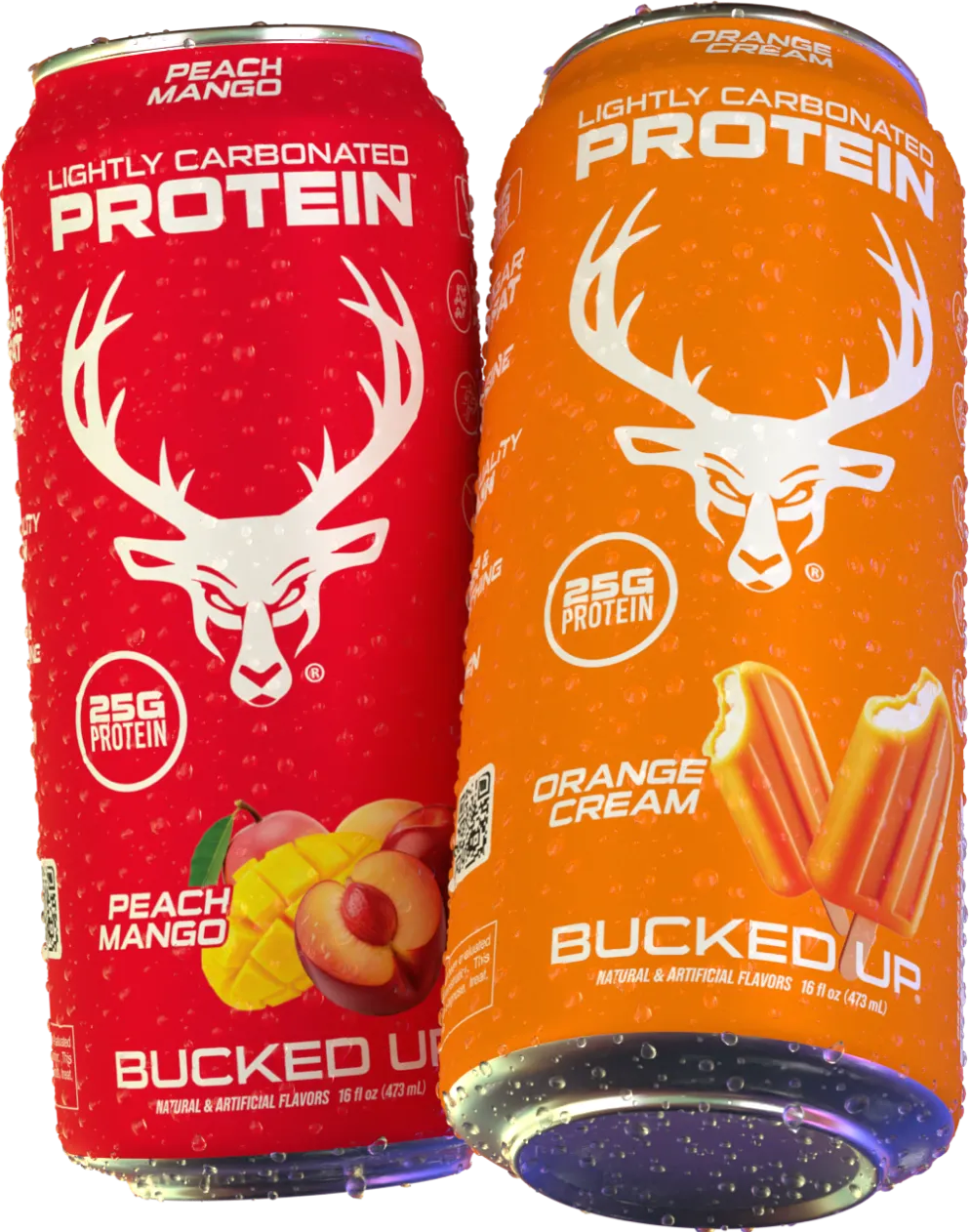
- Reach your daily target more easily with Bucked Up Protein Soda, which delivers a substantial protein dose in a refreshing, zero-sugar drink.1
How Protein Drives Muscle Growth
Muscle protein synthesis responds best to 20–40g protein per meal. The body’s ability to use protein for building muscle levels off once you exceed that range in a single sitting.
A review of 22 trials identified 1.6 g/kg bodyweight as effective for muscle growth in most people. Beginners and older adults often benefit from up to 2.2 g/kg to overcome anabolic resistance and support progress.
Age, training intensity, and whether you are in a calorie surplus or deficit all affect your ideal protein intake. The Food and Nutrition Board of the Institute of Medicine and the American College of Sports Medicine recommend 1.2 to 1.7 grams of protein per kilogram of bodyweight per day for active people. To make this easier to apply, the table below shows practical daily ranges by bodyweight and goal.
| Bodyweight (lb) | Build Muscle | Maintain | Fat Loss |
|---|---|---|---|
| 155 | 110-155g | 109g | 140g+ |
| 175 | 125-175g | 123g | 175g |
| 200 | 140-200g | 140g | 200g |
Current evidence shows that high-protein diets are safe for healthy adults with normal kidney function. Bucked Up Protein Soda offers a straightforward way to move toward these targets with a high-quality whey protein isolate formula.1
Daily Protein Timing Plan for Better Gains
Spreading protein across the day supports muscle growth more effectively than loading it into one or two meals. Research shows that 20–25g of high-quality protein at each of three main meals improves overall protein retention and muscle protein synthesis compared with uneven patterns.
Having protein within about 1 hour after training provides a small but measurable boost in muscle growth. Total daily intake still matters more than exact timing, but a post-workout serving helps recovery and supports progress.
| Meal | Protein (g) | Example Sources |
|---|---|---|
| Breakfast | 30 | Eggs + Greek yogurt |
| Post-Gym | 25 | Bucked Up Protein Soda |
| Lunch | 40 | Chicken breast |
| Snack | 25 | Bucked Up Protein Soda |
| Dinner | 40 | Salmon + vegetables |
| Total | 160g |
A 20–25g serving of protein before sleep can act like a fourth meal. This supports muscle protein synthesis overnight and pairs well with a consistent daytime routine. Bucked Up Protein Soda fits naturally into this plan, especially after training when a fast-digesting option helps.1
Smart Protein Sources and Easy Intake Calculator
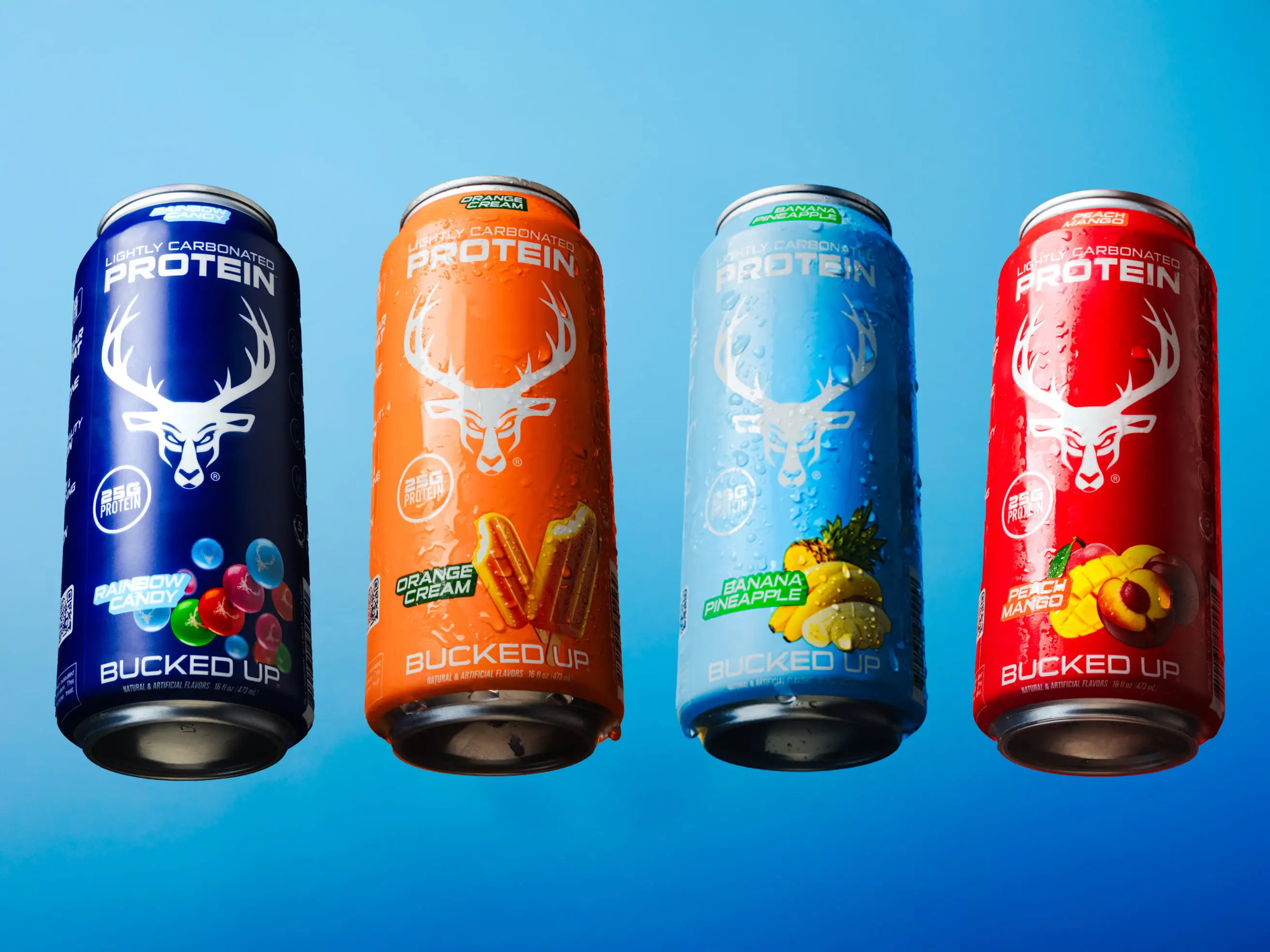
Whole foods such as chicken, eggs, and fish supply complete amino acid profiles and support overall nutrition. Ready-to-drink options add convenience when you are short on time or not in the mood for a full meal. Bucked Up Protein Soda provides 25g of whey protein isolate per can, 100 calories, and zero sugar or carbs in a carbonated drink that feels more like a flavored beverage than a thick shake.
Whey protein isolate goes through additional filtration compared with whey concentrate, which increases purity and speeds up digestion.1 This rapid absorption supports post-workout recovery when muscles are ready to use amino acids for repair.1 Traditional shakes can feel heavy after a hard session, so the carbonated format in Bucked Up Protein Soda offers a lighter, more refreshing way to get the same fast-acting protein.1
When you compare protein options, look at protein per serving, digestion speed, taste, convenience, and any extra nutrients. Try Bucked Up Protein Soda to see how it fits into your current routine.
To estimate your daily target, multiply your bodyweight in lbs by 0.7–1.0. A 180 lb person would aim for 126–180g protein each day. That range becomes more realistic with 2–3 cans of Bucked Up Protein Soda plus balanced meals and snacks.
Protein Strategy for GLP-1 Medication Users
People using GLP-1 receptor agonists often need higher protein to protect muscle while losing weight. Guidelines suggest 1.2–1.6 grams of protein per kilogram of bodyweight per day for muscle preservation during treatment.
Studies indicate that 25–40% of weight lost can come from lean mass without prevention strategies. Adequate protein intake and resistance training help reduce that loss. GLP-1 medications often lower appetite and make solid foods less appealing, so liquid protein sources can become especially helpful.
Bucked Up Protein Soda supports these needs with a light, easy-to-drink format that many people find gentler on the stomach than dense shakes.1 Each can delivers a substantial protein dose that helps GLP-1 users move toward their higher daily targets without relying solely on large solid meals.1
Quick Protein Targets by Bodyweight
Protein needs for a 155 lb man
A 155 lb man generally benefits from 110–155g protein per day for muscle growth. Beginners can start near 110g, while advanced lifters often aim closer to 155g.
Protein needs for a 200 lb man building muscle
A 200 lb man typically requires 140–200g protein per day to support muscle building. Splitting this into 4–5 meals with 25–40g per serving keeps muscle protein synthesis elevated.
Is 100g protein enough for muscle gain?
For people over about 140 lbs, 100g protein per day usually falls below the range linked with optimal muscle growth. Many active adults progress better with 125–175g daily.
Protein per kg for muscle gain
Most lifters see solid results at 1.6–2.2g protein per kg bodyweight. Training intensity, experience level, and calorie intake all influence where you should land within that range.
Bucked Up Protein Soda helps you move toward these numbers with a convenient drink that delivers meaningful protein without many extra calories or a heavy feel.1
Frequently Asked Questions About Protein Intake
Minimum daily protein for muscle growth
The minimum effective intake for muscle growth sits around 0.7g protein per lb bodyweight per day. Many people benefit from 0.8–1.0g per lb, especially when training hard. For a 155 lb person, that equals roughly 110–155g per day. Consistency matters more than perfection, so focus on hitting your range daily and lifting regularly.
Building muscle with plant-based protein
Plant-based protein can support muscle growth when total intake and variety are high enough. Recent research shows that vegan diets can match omnivorous diets for resistance-training gains when protein needs are met. Combining different plant sources helps cover all essential amino acids, and slightly higher total protein can offset lower digestibility in some foods.
Impact of protein timing on results
Total daily protein has the biggest impact on muscle gain. Timing still offers a small edge when you get it right. A serving of 20–40g protein within a few hours of training supports recovery, and the anabolic window extends for up to 24 hours after exercise. Aim for 20–40g at each meal across the day rather than stressing over exact minutes.
Why whey protein isolate works well for muscle building
Whey protein isolate goes through extra processing to remove most lactose, fat, and carbohydrates. The result is a purer protein that the body absorbs faster than standard whey concentrate.1 This quick uptake supports post-workout recovery when muscles are ready for nutrients.1 Many people who are sensitive to lactose also find isolate easier on digestion, which helps with long-term consistency.
Calculating protein needs during fat loss
During a fat loss phase, protein needs rise because you want to keep muscle while dropping body fat. A target around 1.0g per lb bodyweight, or slightly higher, works well for many people. This higher intake supports muscle retention and helps control hunger. For a 175 lb person cutting, a daily goal of 175–190g protein, spread across several meals, supports both muscle preservation and appetite management.
Conclusion: Turn Protein Targets into Daily Habits
Muscle growth depends on consistent protein intake of about 0.7–1g per lb bodyweight each day, split into 20–40g servings. The tables and examples above give you clear targets for your weight and training level, while the timing plan shows how to spread protein across meals for steady muscle protein synthesis.
Bucked Up Protein Soda can support this plan by delivering rapidly absorbed whey protein isolate in each can in a crisp, carbonated drink that feels lighter than many shakes.1 With zero sugar, zero carbs, and only 100 calories per can, it offers a practical way to increase protein without adding many extra calories. Explore the full Protein Soda lineup and see how it fits into your daily routine.
1 The content provided in this article is for informational purposes only and is not medical advice. Consult with a medical professional before implementing any changes to your diet, health, or exercise routines.
Individual results will vary and are based on a combination of each individual’s diet, exercise, age, and health circumstances.
These statements have not been evaluated by the Food and Drug Administration. This product is not intended to diagnose, treat, cure or prevent any disease.
This article was written by Ryan Gardner, CEO of Bucked Up. As the maker of Bucked Up Protein Soda, we have a financial interest in this information. The views expressed are our own and should be read with that context in mind.