Last updated: April 22, 2026
Key Takeaways
- Traditional protein powders often cause chalky textures and bloating. Fifteen alternatives like Greek yogurt, eggs, and lentils provide 6–30g protein per serving without these issues.
- Combining sources such as chicken breast (25g), Bucked Up Protein Soda (25g), and eggs (12g) can reach 100g daily protein in under 800 calories.
- GLP-1 users often do better with easily digestible options like whey isolate in carbonated formats to help preserve muscle mass during weight loss.1
- Plant-based choices including quinoa, hemp seeds, and edamame offer complete proteins with added fiber and nutrients for balanced nutrition.
- Simplify your protein goals with this carbonated protein option, which delivers 25g whey isolate in a refreshing, zero-sugar, 100-calorie can.
15 Protein Powder Alternatives for Muscle Gain & Weight Loss
1. Bucked Up Protein Soda: 25g per can
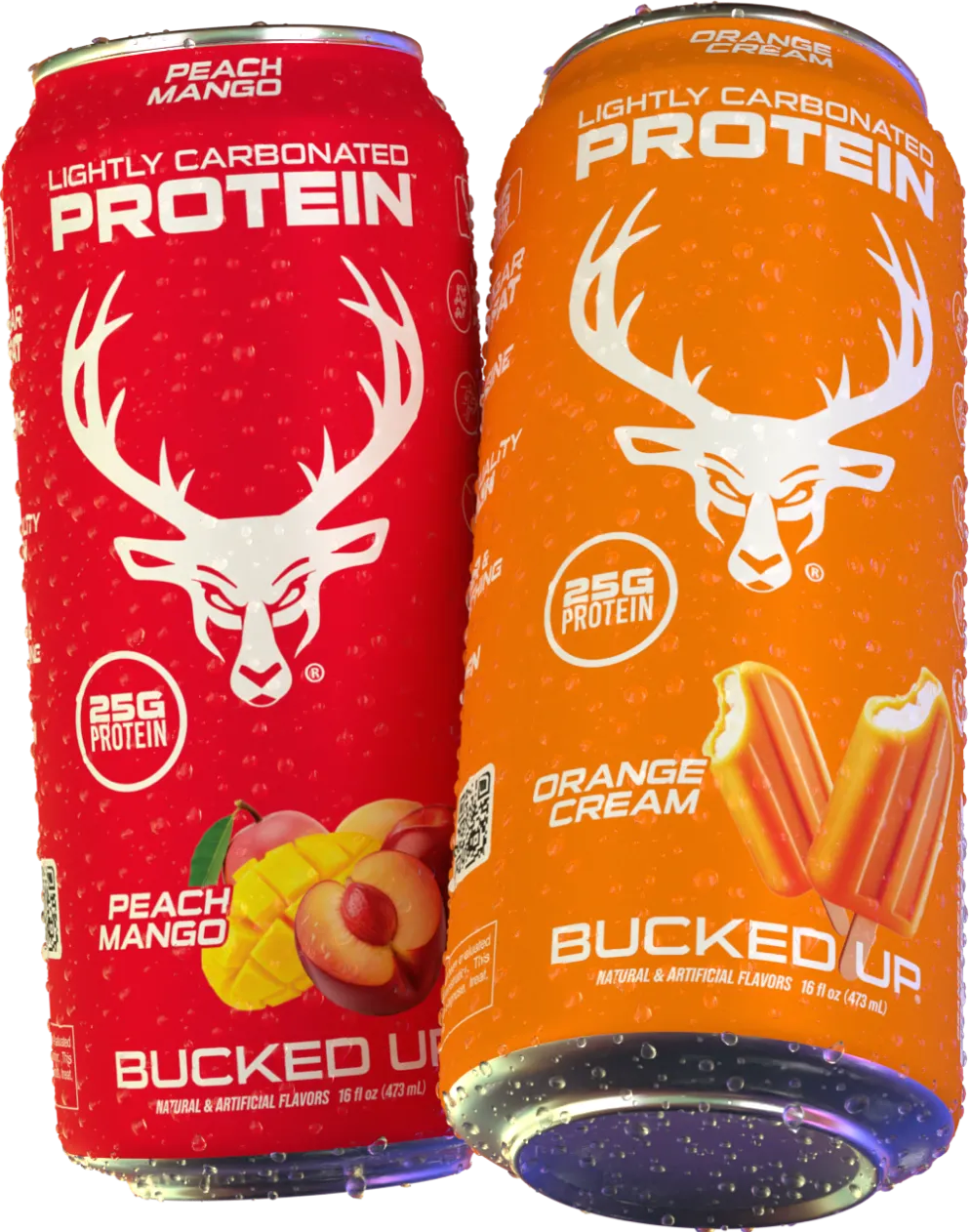
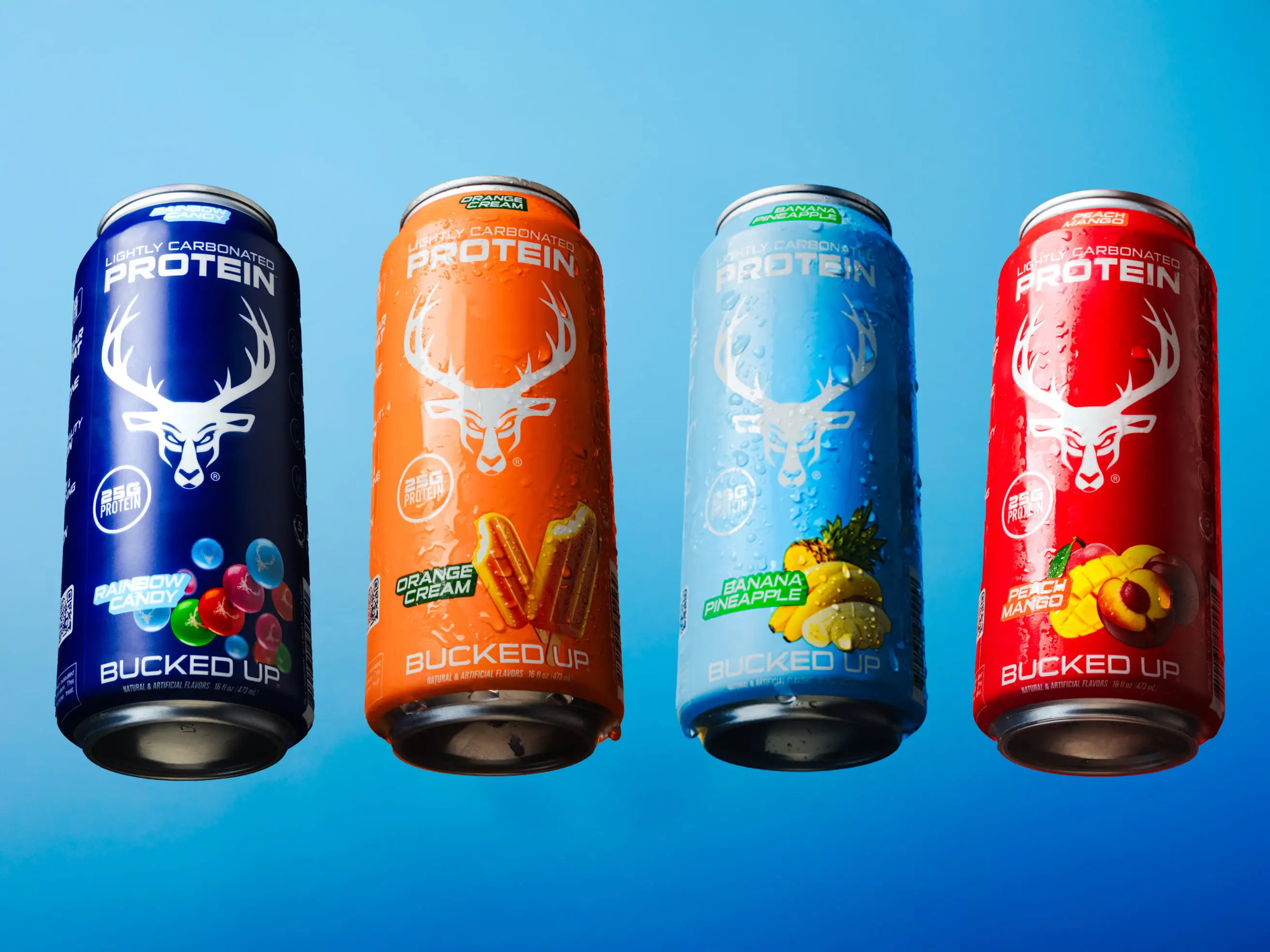
Bucked Up Protein Soda uses a carbonated format to deliver 25g of whey protein isolate in a 100-calorie can. Unlike traditional shakes, this zero-sugar, zero-carb drink has a crisp, energy drink-like taste without a milky texture or chalky aftertaste. Whey protein isolate provides superior solubility and heat stability compared to concentrated whey, which can help people with lactose sensitivities.1 The caffeine-free formula fits any time of day and can work especially well for GLP-1 users who need lighter, easily digestible protein.1
2. Greek Yogurt: 15–20g per 6oz serving
One cup of plain low-fat Greek yogurt provides about 20 grams of protein for roughly 150 calories, which makes it a calorie-efficient choice. Beyond protein, Greek yogurt supplies probiotics that support digestive health, a useful benefit when you increase daily protein. Pair it with a can of carbonated protein soda to create a 45g protein snack that supports muscle recovery without excessive calories.1
3. Eggs: 12g per two large eggs
Two large whole eggs contain 12 grams of complete protein according to Cronometer and NCCDB. Eggs provide all essential amino acids with high bioavailability. Enjoy them scrambled, hard-boiled, or in omelets to spread protein intake across your day.
4. Lentils: 17–18g per cooked cup
Cooked lentils contain 17–18 grams of protein per 1 cup according to USDA and major nutrition databases. These legumes also supply fiber and complex carbohydrates along with protein. Add lentils to soups, salads, or dal for plant-based protein that pairs well with animal sources.
5. Hemp Seeds: 9–10g per 3 tablespoons
Three tablespoons of hulled hemp seeds contain about 9.5 grams of protein. Hemp seeds provide all essential amino acids plus omega-3 fatty acids. Sprinkle them on yogurt, blend into smoothies, or add to salads for a quick protein boost.
6. Canned Tuna: 20–25g per 3oz serving
According to USDA data, a 3-ounce serving of canned tuna in water provides approximately 20 grams of protein. Canned tuna delivers lean, complete protein in a shelf-stable, portable format. Choose water-packed options to keep calories lower while maintaining protein density.
7. Quinoa: 8g per cooked cup
According to the USDA, 1 cup of cooked quinoa provides 8 grams of protein. What makes this especially useful is that quinoa contains all nine essential amino acids, so it qualifies as a complete protein source, which is rare among plant foods. This combination of protein and versatility makes quinoa a strong base for bowls, side dishes, or even breakfast porridge.
8. Almonds: 6g per ounce
According to the USDA, 1 ounce (23 almonds) of almonds provides 6 grams of protein. Almonds add protein, healthy fats, and vitamin E in a compact serving. Portion them into 1-ounce snack packs or sprinkle over meals to raise total protein.
9. Chia Seeds: 4–5g per 2 tablespoons
Chia seeds contain 4–5 grams of protein per 2 tablespoons according to USDA and major nutrition databases. These seeds swell in liquid and form a gel-like texture that works well in puddings or smoothies. Combine chia with other protein sources to build a higher total intake.
10. Pumpkin Seeds: 7g per ounce
One ounce of pumpkin seeds often contains about 7 grams of protein. These seeds also provide magnesium and zinc. Roast them for a crunchy snack or add to salads and yogurt for extra protein and texture.
11. Chicken Breast: 25–30g per 3oz serving
A 3-ounce cooked serving of chicken breast provides approximately 25 grams of protein with very little fat, so it works as a lean protein source. Its mild flavor and firm texture suit grilling, baking, or poaching, which keep protein content high and support easy meal prep. Because chicken breast is mostly protein, pairing it with vegetables and complex carbohydrates helps create a more balanced plate.
12. Ready-to-Drink Protein Shakes: 20–30g per bottle
Commercial ready-to-drink protein shakes offer grab-and-go convenience but often have thicker, creamier textures that some people find heavy. The global ready-to-drink protein beverages market is growing at 7.70% CAGR, which shows strong demand for convenient protein options.
13. Cottage Cheese: 14g per half cup
According to USDA data, a half-cup serving of low-fat cottage cheese provides approximately 14 grams of protein. Cottage cheese supplies casein protein, which digests slowly and supports a steady release of amino acids. Choose low-sodium varieties and pair with fruit or vegetables for a more complete snack or meal component.
14. Protein Bars: 10–20g per bar
Protein bars travel well and can fill gaps between meals, yet they vary widely in protein content and added sugars. Read labels closely and look for bars with higher protein and fewer unnecessary additives. Treat them as occasional backups instead of your main protein source.
15. Edamame: 6.6g per half cup
A half-cup serving of shelled edamame contains approximately 6.6 grams of protein. Edamame offers plant-based complete protein along with fiber and folate. Steam and season it for a snack or toss into salads and grain bowls for extra protein.
Now that you have 15 diverse protein sources, you can start combining them in simple ways to hit daily protein goals.
How to Hit 100g Protein Daily Without Powder
Strategic meal planning makes 100g of daily protein realistic through smart food combinations. Stanford experts recommend 1.2 to 1.6 grams of protein per kilogram of body weight daily for adults, which equals roughly 80–110 grams for a 150-pound person. The sample day below shows how whole foods plus a convenient canned option can reach exactly 100g of protein in under 800 calories.
| Meal | Food Source | Protein (g) | Calories |
|---|---|---|---|
| Breakfast | 2 eggs + Greek yogurt | 32g | 300 |
| Lunch | Chicken breast (3oz) | 25g | 140 |
| Snack | Bucked Up Protein Soda | 25g | 100 |
| Dinner | Lentils (1 cup) | 18g | 226 |
| Total | 100g | 766 |
This sample plan shows how whole foods and a canned protein drink can create sustainable protein patterns. Explore this carbonated protein drink if you want a quick 25g boost without mixing powders.
Targeted Protein Options for GLP-1 Users & Sarcopenia
Recent patent filings indicate that GLP-1 receptor agonist monotherapy can lead to lean mass reduction during weight loss therapy. People using medications like Ozempic often experience reduced appetite, so lighter, easy-to-tolerate protein sources become crucial. Whey protein isolate, found in products such as Bucked Up Protein Soda, absorbs quickly and tends to feel less heavy than creamier shakes.1 The carbonated format can appeal to those who struggle with solid food while still providing a complete amino acid profile that supports muscle preservation.1
Beyond direct consumption, many people also rely on protein powder as a recipe ingredient. You can still keep favorite recipes by swapping in whole food substitutes that maintain texture and protein content.
Protein Powder Subs for Baking & Smoothies
Whole food swaps can replace protein powder in recipes while keeping both texture and nutrition in line. Greek yogurt works well in smoothies and adds creaminess plus protein. Nut butters often shine in baking, where they contribute protein along with healthy fats. The table below outlines specific substitutions for three common recipe types and shows the approximate protein each one adds.
| Recipe Use | Substitute | Protein Content |
|---|---|---|
| Smoothies | Greek yogurt (1 cup) | ~20g |
| Baking | Almond butter (2 tbsp) | 7g |
| Pancakes | Cottage cheese (1/2 cup) | 14g |
Frequently Asked Questions
What can replace protein powder?
Several options can stand in for protein powder, including Greek yogurt, eggs, lentils, nuts, seeds, lean meats, and canned protein drinks like Bucked Up Protein Soda. The main strategy involves combining different sources across your meals so you reach your protein target while still matching your taste and convenience needs.
What is the best protein for muscle gain without powder?
Complete proteins that contain all essential amino acids support muscle gain effectively. Eggs, Greek yogurt, chicken, and whey protein isolate products such as Bucked Up Protein Soda offer amino acid profiles that can support muscle building.1 Aim for about 1.6 grams of protein per kilogram of body weight daily when you follow a structured resistance training plan.
What protein alternatives work best for Ozempic users?
GLP-1 medication users often do well with easily digestible, lighter protein sources that do not overwhelm a reduced appetite. Options like Bucked Up Protein Soda, Greek yogurt, and eggs provide essential protein without a heavy, creamy feel.1 Many people in this group benefit from smaller, more frequent protein servings instead of large meals.
Is Bucked Up Protein Soda keto-friendly?
Yes, Bucked Up Protein Soda uses a zero-carb, zero-sugar formula that fits ketogenic diets. Each can provides 25g of whey protein isolate without adding net carbs, which can make it a practical protein source for low-carb lifestyles.
Does it taste like a protein shake?
No, the experience differs from a typical protein shake. As mentioned earlier, the carbonated format creates a crisp, refreshing profile that feels closer to an energy drink than a thick, milky shake.
Diversifying protein sources beyond traditional powders can support long-term habits for muscle maintenance, weight management, and overall health. The ready-to-drink protein market growth mentioned earlier reflects rising interest in convenient options that move beyond tubs of powder. Bucked Up Protein Soda can stand out here by combining the convenience of ready-to-drink protein with the familiar feel of a carbonated beverage. Skip the chalky powders when you want a change and grab a can for 25g of protein that fits into busy routines. Try this carbonated protein drink to see how it fits your day.
1 The content provided in this article is for informational purposes only and is not medical advice. Consult with a medical professional before implementing any changes to your diet, health, or exercise routines.
Individual results will vary and are based on a combination of each individual’s diet, exercise, age, and health circumstances.
These statements have not been evaluated by the Food and Drug Administration. This product is not intended to diagnose, treat, cure or prevent any disease.
This article was written by Ryan Gardner, CEO of Bucked Up. As the maker of Bucked Up Protein Soda, we have a financial interest in this information. The views expressed are our own and should be read with that context in mind.