Last updated: April 22, 2026
Key Takeaways
- Whey isolate protein drinks support muscle growth and repair, with studies showing 1.3 to 1.6 times higher synthesis rates after exercise.1
- Higher protein intake improves satiety and weight management by naturally elevating GLP-1 levels, which can complement GLP-1 medications.1
- Ready-to-drink protein options provide practical convenience for busy professionals, gym-goers, and travelers with no prep or cleanup.
- GLP-1 users on medications like Ozempic or Zepbound face 20–40% muscle loss without enough protein and often benefit from higher daily protein targets.
- Bucked Up Protein Soda delivers 25g whey isolate in a refreshing, zero-sugar carbonated can, making daily muscle support simple for GLP-1 users focused on preserving lean mass.1
Executive Summary: Three Core Benefits of Modern Protein Drinks
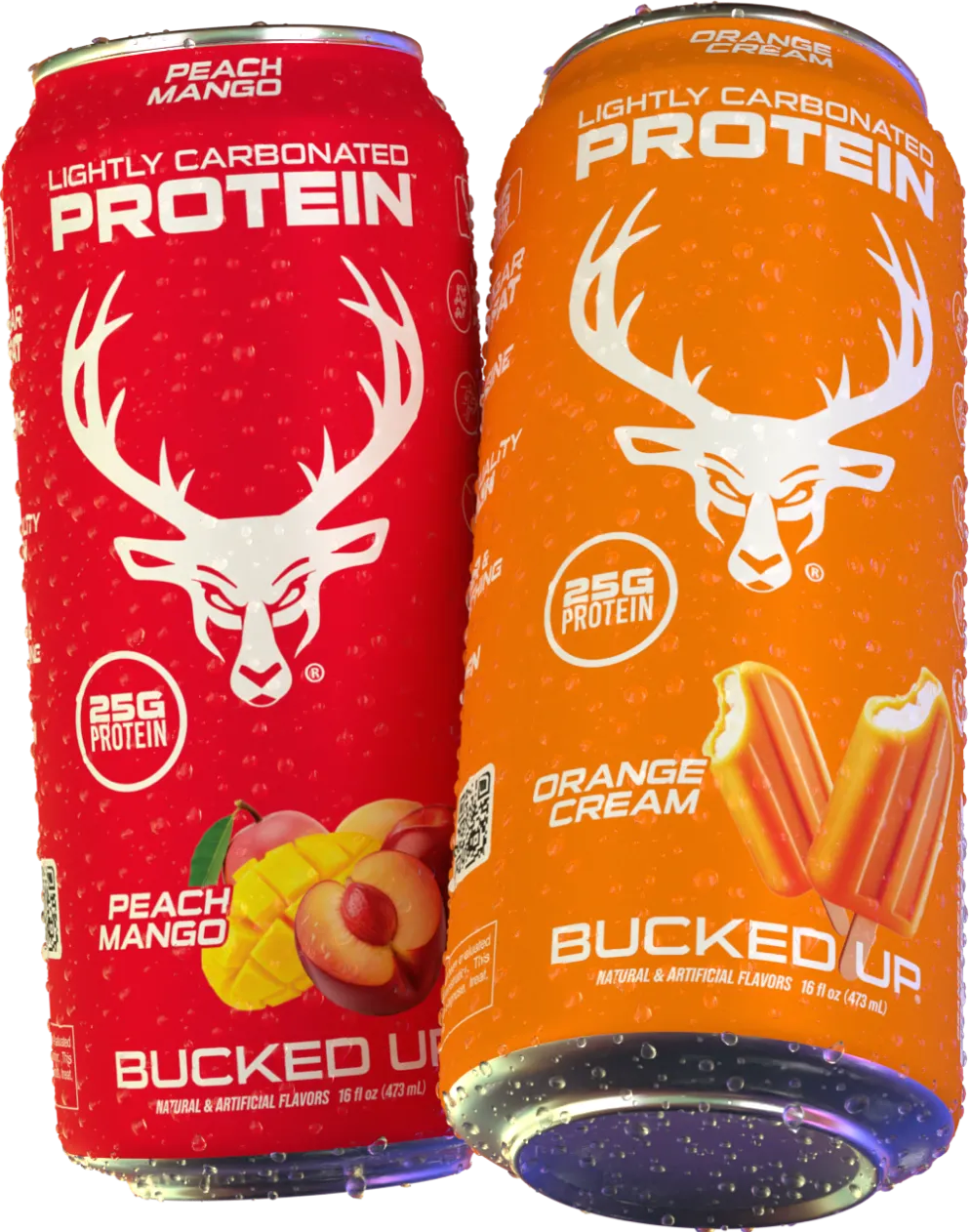
Modern protein drinks deliver three main advantages: faster muscle recovery with rapid-absorbing whey isolate, stronger appetite control that works alongside GLP-1 medications, and grab-and-go convenience in ready-to-drink cans.1 Bucked Up Protein Soda offers 25g of whey protein isolate, 100 calories, zero sugar and carbs, and a caffeine-free formula that tastes like an energy drink without the typical protein shake aftertaste.

Customer feedback highlights this shift in taste and texture. The review “Tastes like an energy drink, no weird aftertaste” captures the move from chalky, milky shakes to light, carbonated options that people actually want to drink. This enjoyable taste experience supports consistent use, which is essential for the benefits outlined below, starting with muscle growth and repair.
1. Muscle Growth and Repair with Whey Isolate
Science Backing
Whey protein isolate activates muscle protein synthesis more effectively than many other protein sources.1 A 2025 meta-analysis of 21 randomized controlled trials found that whey protein supplementation combined with exercise increases myofibrillar fractional synthetic rate by 1.3 to 1.6 times compared to exercise alone when consumed immediately after exercise.1 Timing matters, and consuming protein within about 30 minutes after training supports this anabolic response.1
User Scenarios & Tips
Gym-goers see the greatest benefit when they pair protein intake with resistance training and drink a serving soon after their workout. This timing principle becomes even more important for people using GLP-1 medications, because combining protein intake with vigorous resistance training can help maintain muscle mass during weight loss.1
Why Bucked Up Excels Post-Workout
The rapid absorption rate of whey isolate compared to concentrates, combined with light carbonation that avoids post-workout heaviness, makes Bucked Up a strong fit for the 30-minute post-exercise window.1 One customer summarized it as “Ideal for 30min post-workout” and noted less digestive discomfort than with traditional thick shakes.
2. Weight Management and Satiety Support
Science
High-protein intake reduces hunger hormones and strengthens satiety signals.1 A systematic review in the American Journal of Clinical Nutrition found that pre-meal whey protein raises GLP-1 levels, peaks insulin secretion, slows gastric emptying, and lowers postprandial blood glucose concentrations.1 This natural GLP-1 response can complement prescription GLP-1 medications for more consistent appetite control.
Tips
Busy professionals can use protein drinks as midday appetite control tools to reduce afternoon energy crashes and overeating at dinner.1 This appetite support still fits into strict calorie budgets, because the 100-calorie, zero-carb profile helps maintain satiety without adding many extra calories.
Bucked Up Edge for Weight Goals
With only 100 calories per can and zero carbohydrates, Bucked Up fits into keto and paleo approaches while still delivering substantial fullness from 25g of complete protein. This combination supports both calorie control and muscle maintenance.1
3. Convenience and Portability for Real Life
Market Insight
The ready-to-drink beverage market continues to grow as people look for convenient options that remove prep time and fit into commuting, workdays, and travel. Protein drinks that require no mixing or refrigeration planning often see higher long-term adherence.
Tips
Parents and professionals benefit from grab-and-go cans that require no measuring, shaking, or cleanup. A shelf-stable format can stay in an office drawer, gym bag, or carry-on so protein intake stays consistent even on hectic days.
Bucked Up Convenience
Ready-to-drink Bucked Up cans remove common barriers like clumping powders and dirty shakers. The portable format fits standard cup holders and refrigerator shelves while delivering a taste experience closer to a flavored soda than a heavy shake.
4. Protein Support for Bone Health
Science
Adequate protein intake supports bone density by aiding collagen synthesis and improving calcium absorption.1 This support becomes more important for active individuals, because exercise and daily movement place extra stress on the skeletal system.
Tips
Active lifestyles place additional stress on both muscle and bone tissue, which makes consistent protein intake essential for repair and maintenance. This need increases for people over 40, when bone density naturally begins to decline and the body’s repair processes slow.
Bucked Up for Bone Support
The complete amino acid profile in whey isolate provides the essential building blocks for collagen and bone matrix formation. Regular intake can complement calcium and vitamin D strategies for long-term skeletal health.
5. Muscle Preservation on GLP-1 Medications
Science
GLP-1 receptor agonist users face higher muscle loss risk when protein intake stays low. Clinical studies show that roughly 20–40% of weight loss on GLP-1 therapy may come from lean mass when protein intake is low. Experts recommend higher daily protein targets for GLP-1 users to protect muscle tissue.1.
Tips
Liquid protein sources work well for GLP-1 users who experience nausea or reduced appetite, because they are often easier to tolerate than solid food. Consuming 20 to 30 grams of protein at regular intervals supports muscle protein synthesis while still respecting a smaller appetite.1
Bucked Up for GLP-1 Users
The low-lactose whey isolate formulation can reduce digestive discomfort that some GLP-1 users notice with dairy-heavy shakes.1 The light, carbonated texture often feels more refreshing than thick shakes during periods of nausea or low appetite while still delivering meaningful protein for muscle preservation.
6. Fast-Acting Whey Isolate Absorption
Science
Whey protein isolate is absorbed at a rate of approximately 8 to 10 grams per hour, which delivers amino acids quickly to muscles after training.1 The same source notes a higher leucine concentration, at about 10% to 11% of its amino acid profile. This combination of fast absorption and high leucine content helps trigger muscle protein synthesis more effectively than many slower proteins.1
Bucked Up
The clear whey isolate formulation in Bucked Up avoids the heavier digestion often associated with milky concentrates. This approach supports rapid amino acid delivery for immediate recovery needs after workouts or long active days.1
7. Flexible, Caffeine-Free Timing
Science
The International Society of Sports Nutrition confirms that protein consumption is safe throughout the day, and one or two protein drinks daily are considered safe when added to a balanced diet. Caffeine-free options allow evening use without affecting sleep for people sensitive to stimulants.
Tips
Evening protein consumption supports overnight muscle repair and can help people who train early in the morning start the next day recovered. A caffeine-free drink makes it easier to add this evening serving without disrupting sleep quality.
Bucked Up Timing Advantage
Bucked Up’s caffeine-free profile allows use in the morning, afternoon, or evening without stacking extra stimulants on top of coffee or pre-workout products. This flexibility helps users spread protein intake across the day, which supports muscle maintenance and appetite control.
8. Metabolic Health and Inflammation
Science
Protein intake supports insulin sensitivity and healthy blood pressure through several metabolic pathways.1 Research on whey protein supplements shows potential reductions in C-reactive protein (CRP), a common marker of inflammation, which can benefit long-term cardiometabolic health.1
Bucked Up in a Metabolic Plan
Using a low-sugar, high-protein drink like Bucked Up in place of sugary beverages can support blood sugar management and reduce overall inflammatory load as part of a broader nutrition plan.1
9. Daily Protein for Active Lifestyles
Science
Regular protein intake supports immune function, reduces exercise-induced inflammation, and supplies essential amino acids for people with higher activity levels.1 Active individuals often have greater nutritional needs than sedentary people, especially for recovery and immune resilience.
Bucked Up for Everyday Performance
Keeping Bucked Up on hand gives active users a simple way to cover daily protein gaps between meals. This consistency supports training, work demands, and overall energy.1
Bucked Up vs. Typical RTD Shakes: Comparison Table
The table below highlights how Bucked Up’s use of whey isolate, carbonated clear format, and zero-sugar profile compares with many conventional ready-to-drink protein shakes.
| Feature | Bucked Up Protein Soda | Typical RTD Shakes |
|---|---|---|
| Protein Type | 25g Whey Isolate | Often Whey Concentrate |
| Calories | 100 | Typically higher |
| Format | Carbonated, Clear | Milky, Non-Carbonated |
| Sugar/Carbs | 0g/0g | Often includes sugar |
| Caffeine | None | Varies; some added |
Experience the difference with Bucked Up Protein Soda’s innovative carbonated format. See the full flavor lineup
Strategic Protein Choices: Trade-Offs & Best Practices
When selecting protein drinks, many people prioritize whey isolate over concentrate for faster absorption and fewer carbs. Taste and texture also matter, and carbonated soda-style options can feel lighter than traditional shakes. GLP-1 users should consider products that are easy on digestion and align with their higher protein needs, while still balancing supplements with whole food protein sources and medical guidance.
Are Protein Drinks Good Daily?
Consuming one to two protein drinks daily is considered safe for healthy individuals when they supplement a balanced diet. Newly revised federal dietary guidelines recommend 1.2 to 1.6 grams of protein per kilogram of body weight daily for adults, so consistent supplementation can help people reach these higher targets. Bucked Up’s manufacturing standards support quality and safety for regular use.
Best Time to Drink Protein Shakes
The post-exercise anabolic window for muscle protein incorporation lasts around 24 hours, so total daily intake matters more than exact timing. Consuming 20 to 40 grams of protein after workouts or as a meal replacement still helps maximize muscle protein synthesis. Bucked Up’s caffeine-free profile allows flexible timing throughout the day or evening without affecting sleep.
Protein Shakes While on Zepbound
Protein drinks can be particularly helpful for Zepbound (tirzepatide) users who want to protect muscle while losing weight. GLP-1 receptor agonist users often benefit from protein targets in the 1.2 to 2.0 grams per kilogram of body weight range, depending on activity level and medical guidance. Bucked Up’s light carbonated format can feel easier on the stomach for GLP-1 users while still delivering meaningful protein for muscle preservation.
FAQ
What’s the difference between protein drinks and traditional shakes?
Protein drinks in soda-style formats like Bucked Up offer a crisp, carbonated experience instead of a thick, milky shake. This lighter texture can make protein intake more enjoyable and accessible for people who dislike the mouthfeel of conventional shakes.
Are protein drinks safe for daily consumption?
Protein drinks produced in GMP-certified facilities, including Bucked Up, are generally safe for daily use as part of a balanced diet. Most adults can include one or two servings per day to help meet higher protein needs, while anyone with medical conditions should check with a healthcare provider.
Are carbonated protein drinks keto-friendly?
Bucked Up Protein Soda is suitable for ketogenic diets with its zero-carb, zero-sugar profile mentioned earlier. The 25g of whey protein isolate supports ketosis while providing essential amino acids for muscle maintenance during low-carb eating patterns.
How do protein sodas work for GLP-1 users?
The low-lactose whey isolate and light carbonation in Bucked Up can suit GLP-1 users who experience digestive sensitivities. The easy-to-drink liquid format helps them reach protein targets when solid foods feel unappealing, which supports muscle preservation during weight loss.1
Conclusion: Putting Protein Drinks to Work with Bucked Up
These nine evidence-based benefits show how protein drinks fit into modern nutrition strategies for muscle recovery, GLP-1 support, appetite control, and everyday convenience. Bucked Up Protein Soda combines the established benefits of whey isolate with a carbonated delivery format that many people find easier and more enjoyable to drink than traditional shakes.
Transform your protein routine with Bucked Up Protein Soda’s carbonated format. Start with our most popular flavors and see how they fit your daily routine.
1 The content provided in this article is for informational purposes only and is not medical advice. Consult with a medical professional before implementing any changes to your diet, health, or exercise routines.
Individual results will vary and are based on a combination of each individual’s diet, exercise, age, and health circumstances.
These statements have not been evaluated by the Food and Drug Administration. This product is not intended to diagnose, treat, cure or prevent any disease.
This article was written by Ryan Gardner, CEO of Bucked Up. As the maker of Bucked Up Protein Soda, we have a financial interest in this information. The views expressed are our own and should be read with that context in mind.