Last updated: April 22, 2026
Introduction
Ready-to-drink protein shakes help you hit your protein goals without cooking, mixing, or cleanup. They matter even more if you are losing weight, using GLP-1 medications, or managing blood sugar and need reliable protein in small, easy servings. This guide walks through seven popular ready-to-drink options and shows where Bucked Up Protein Soda can stand out for specific goals like weight loss, GLP-1 support, and light, refreshing taste.
Key Takeaways
- Ready-to-drink protein shakes support weight loss and GLP-1 use by making it easier to reach daily protein targets and preserve muscle.1
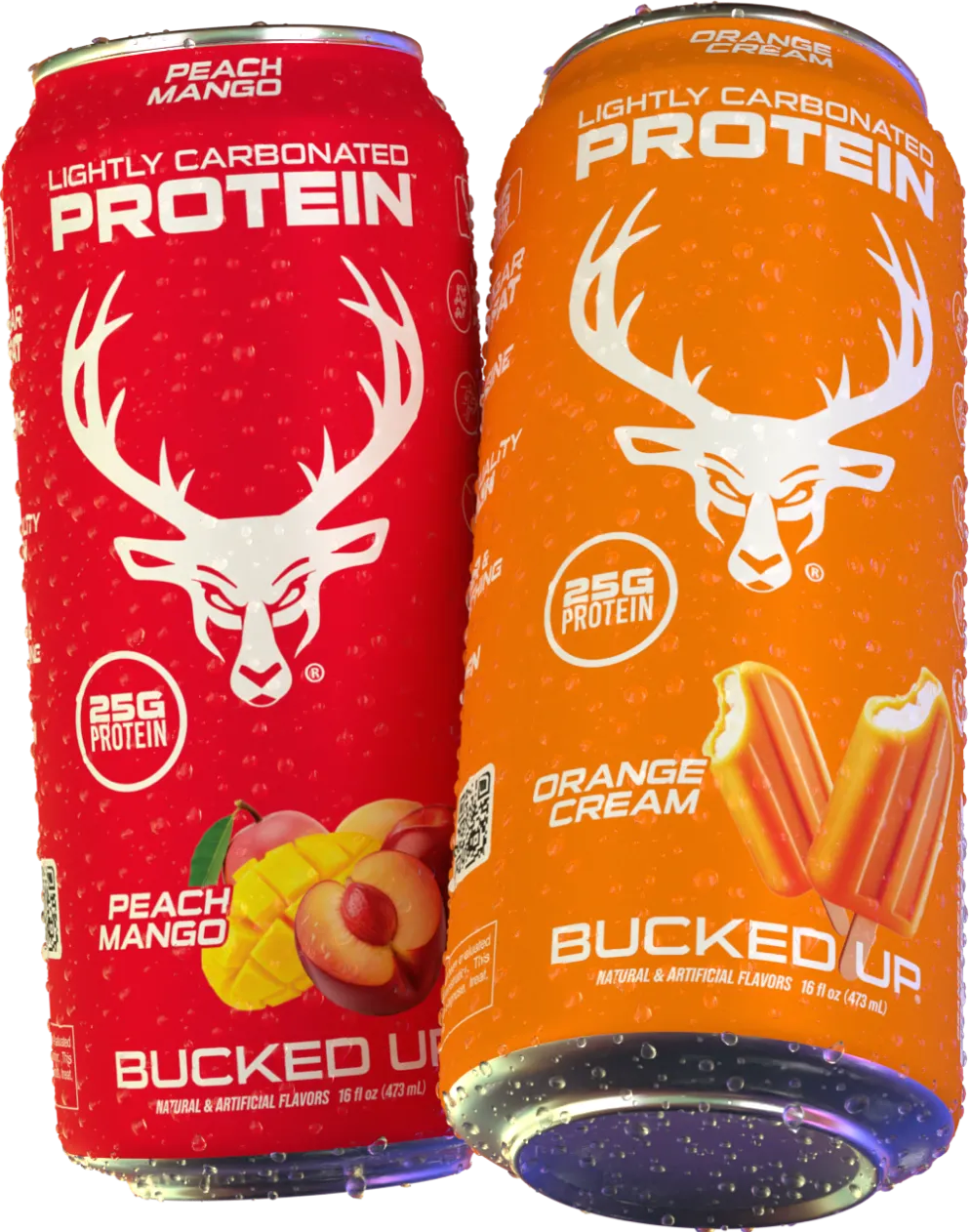
- Bucked Up Protein Soda leads with 25g whey isolate in 100 calories, zero sugar or carbs, and a carbonated format that feels light.
- Traditional shakes like Premier Protein and Core Power offer 26-30g protein but higher calories (160-170) and thicker, milky textures.
- Whey isolate generally contains about 85-90% protein by weight, with faster absorption and minimal lactose or fat compared to many blends.1
- Bucked Up Protein Soda offers a refreshing option that can support weight loss, GLP-1 users, diabetics, and muscle preservation.1
What Makes a Good Ready to Drink Protein Shake for Your Goals?
A good ready to drink protein shake delivers quality protein, controlled calories, and a flavor and texture you will actually use every day. Many people now look for lighter options like Bucked Up Protein Soda with its carbonated format and clear whey isolate formulation instead of heavy, milk-based shakes. Consumer Reports’ October 2025 tests of 23 popular protein products found that all met or exceeded their protein label claims, so the bigger differences often come from calories, carbs, and how each product feels to drink.
| Brand | Protein (g/type) | Calories | Best For |
|---|---|---|---|
| Bucked Up | 25g isolate | 100 | GLP-1/weight loss |
| Premier Protein | 30g blend | 160 | General |
| Core Power | 26g blend | 170 | Post-workout |
| Muscle Milk | 25g blend | 160 | Recovery |
| Fairlife | 30g from filtered milk | 150 | Everyday |
| Orgain | 20g plant | 150 | Vegan |
| Iconic | 20g grass-fed | 130 | Low-cal |
This comparison table gives a quick snapshot of protein, calories, and positioning. Next, you can look at how each product performs in real-world use, starting with the carbonated option.
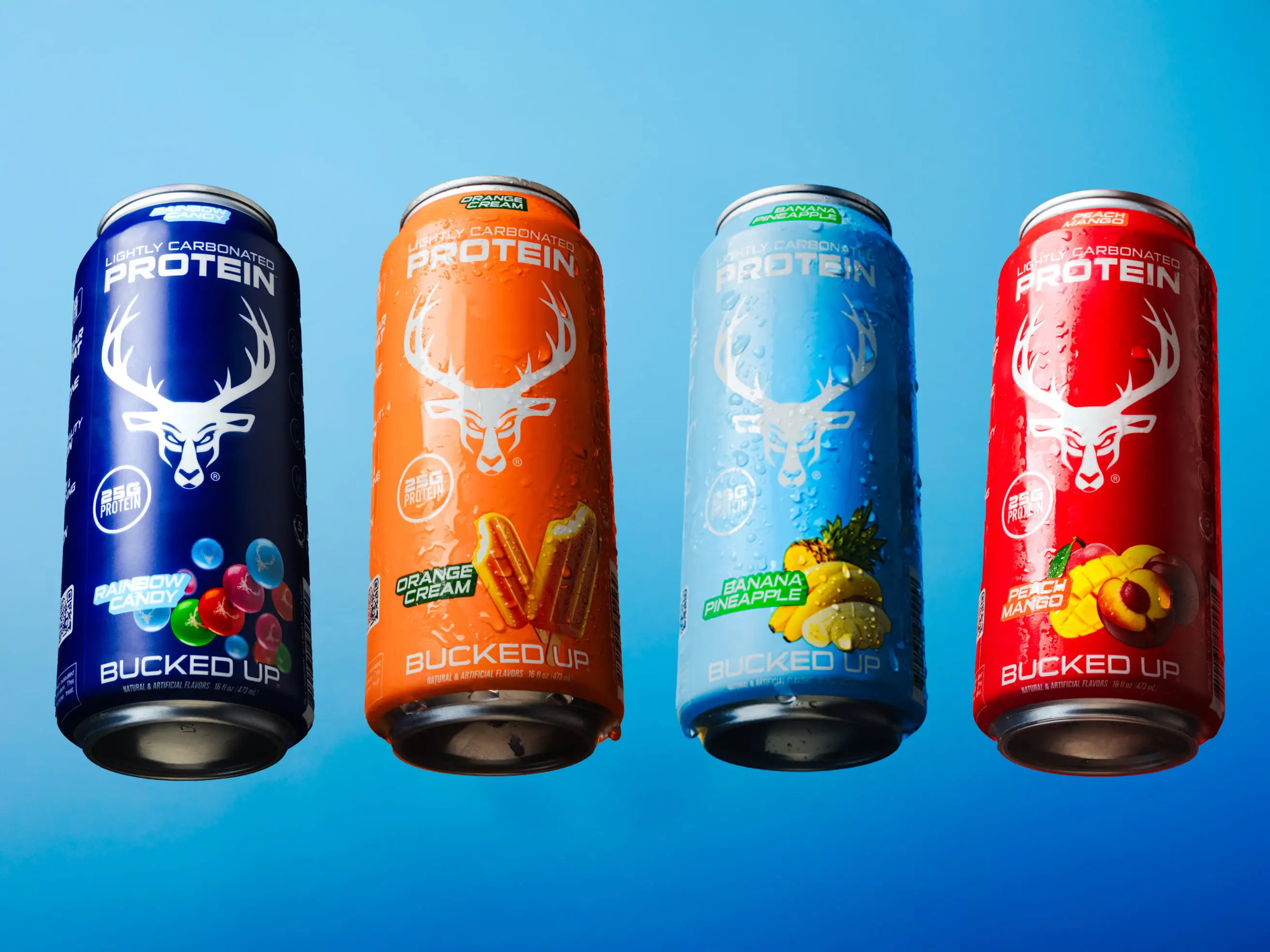
1. Bucked Up Protein Soda: Clear, Carbonated Whey Isolate
Bucked Up Protein Soda uses an innovative carbonated format that drinks more like an energy drink than a shake. This clear, refreshing beverage delivers the nutritional profile outlined above in a light, soda-style experience. Whey protein isolate absorbs more quickly than concentrate due to its lower fat and lactose content, which supports post-workout recovery and muscle preservation.1
The caffeine-free formulation fits morning, afternoon, or evening without affecting sleep or causing jitters.1 This flexibility pairs well with the carbonated format, which avoids the heavy, milky texture that turns many people away from traditional shakes. GLP-1 users who need higher protein intake per meal often struggle with nausea or low appetite, so a light, easy-to-drink option can make consistent intake more realistic. Customer reviews frequently mention an energy drink-like taste without chalkiness or strong artificial aftertaste, which encourages regular use.
The product is manufactured in GMP-certified facilities in the USA and aligns with keto and paleo approaches due to its zero sugar and zero carb profile. Try Bucked Up Protein Soda today if you want a clear, carbonated alternative to thick protein shakes.
2. Premier Protein: High Protein, Classic Shake Texture
Premier Protein offers 30 grams of protein blend in 160 calories with 1 gram of sugar and 4 grams of carbohydrates. Target ranks Premier Protein as a top ready-to-drink option, and customer ratings often fall between 4.4 and 4.6 out of 5 stars across flavors. The higher protein content and familiar milky texture suit people who like a classic shake experience.
The thicker mouthfeel and higher calorie count may feel less comfortable for those who want the lightest option for weight management or frequent daily use. For some GLP-1 users or people with reduced appetite, this heavier style can be harder to finish consistently.
3. Core Power: Creamy Post-Workout Recovery
Core Power delivers 26 grams of protein blend in 170 calories with a small amount of sugar and 8.0 grams of carbohydrates per 414 gram serving. This milk-based shake focuses on post-workout recovery and offers a rich, creamy texture. The flavor profile appeals to people who want a more indulgent shake after training.
The tradeoff comes from the higher calories and sugar compared to clear, carbonated options. For someone in a calorie deficit or using GLP-1 medications, this heavier style may feel more like an occasional treat than an everyday tool.
4. Muscle Milk: Familiar Recovery Shake
Muscle Milk Zero Sugar Protein Shake – Chocolate provides 25 grams of protein blend in moderate calories with zero sugar per 11 fl oz (330 mL) serving and 5 grams of carbohydrates. The formulation supports muscle recovery and has a long history in the sports nutrition space.
The traditional milky texture and moderate calorie content position it as a standard recovery option rather than a very light, all-day sipping choice. People who enjoy chocolate milk-style drinks may appreciate it, while others may prefer something less filling.
5. Fairlife: Filtered Milk for Everyday Use
Fairlife Nutrition Plan shakes provide 30g of protein per serving from filtered lowfat Grade A milk in 150 calories with 2 grams of sugar and 4 grams of total carbohydrates per 340 mL serving. The filtration process concentrates protein while keeping calories moderate.
As a milk-based product, Fairlife delivers quality protein but keeps a noticeable dairy-forward profile. Many people use it as an everyday shake, though those who dislike heavy textures or who feel full quickly may look for a lighter alternative.
6. Orgain: Organic Plant-Based Protein
Orgain provides 20 grams of plant-based protein in 150 calories. Good Housekeeping Institute testing found Orgain contains organic plant-based protein from pea protein and chia seeds along with essential vitamins and minerals. This profile suits vegan diets and people who avoid dairy.
The lower protein content per serving means you may need more volume to match the protein intake from whey isolate drinks. Plant proteins can support muscle building, but many users aiming for higher daily protein targets choose whey isolate for its higher protein density per calorie.
7. Iconic: Low-Calorie Grass-Fed Option
Iconic delivers 20g grass-fed protein in 130 calories, which appeals to people watching calorie intake. The grass-fed positioning and relatively short ingredient list attract those who prioritize simple formulations.
The lower protein per bottle means GLP-1 users and active individuals may need multiple servings to reach daily targets. For someone who wants to keep calories low but still hit higher protein goals, a higher-protein-per-calorie option can feel more efficient.
Ready to Drink Protein Shakes for Weight Loss and GLP-1 Users
Bucked Up Protein Soda can stand out for weight loss and GLP-1 medication users because it combines high protein with very low calories and carbs.1 Fella Health recommends 1.0–1.5 grams of protein per kilogram of ideal body weight daily for GLP-1 users, which equals roughly 80-120 grams daily for a 180-pound goal weight. A clear, carbonated drink that feels light can make it easier to reach that range when appetite is low.
Traditional milky shakes often feel too heavy for GLP-1 users who experience reduced appetite or nausea. A refreshing, soda-like protein drink offers a different path to meeting daily protein targets without as much digestive discomfort. Get Bucked Up Protein Soda for your weight loss journey if you want a lighter way to add protein.
Options for Diabetics and Post-Gastric Sleeve Patients
Diabetics may appreciate Bucked Up Protein Soda’s zero-carb formulation, which avoids direct impact on blood glucose from sugars.1 Whey protein lowers post-meal blood glucose levels in diabetics by stimulating controlled insulin secretion and enhancing GLP-1 hormone release.1 This effect can support blood sugar management when used alongside medical guidance.1
The light, easily digestible format also suits many post-gastric sleeve patients who need concentrated nutrition in small volumes.1 A clear, carbonated drink can feel less overwhelming for a reduced stomach capacity than a thick shake, while still delivering meaningful protein.
Whey Protein Isolate vs Concentrate for Lean Goals
Whey protein isolate contains about 85%-90% pure protein with minimal carbs, fats, and lactose, compared to whey protein concentrate’s 25%-89.9% protein content. This higher purity supports low-calorie diets and faster absorption for muscle recovery.1 Bucked Up’s use of isolate focuses on delivering more protein per calorie with less lactose and fat.
Conclusion: Choosing the Right Ready to Drink Protein Shake
Bucked Up Protein Soda can stand out as a versatile ready to drink protein shake for 2026 by combining clear whey isolate, low calories, and a soda-like experience. The carbonated, clear formulation addresses common complaints about thick, chalky shakes while still delivering strong protein support per serving.1 Discover Bucked Up Protein Soda’s benefits if you want a lighter way to add protein to your routine.
FAQ
What is a good ready to drink protein shake for GLP-1 users?
Bucked Up Protein Soda can be a strong option for GLP-1 users because it provides 25 grams of easily absorbed whey protein isolate in just 100 calories with zero sugar and carbs. The light, carbonated format is easier to drink when appetite is suppressed, and the complete amino acid profile supports muscle preservation during weight loss.1 The refreshing taste helps many people stay consistent without the heaviness of traditional milky shakes.
Does carbonation affect protein absorption?
Carbonation does not reduce protein absorption. The whey protein isolate in Bucked Up Protein Soda keeps its high bioavailability and rapid absorption regardless of the bubbles.1 The clear, lighter format may even feel better for people who experience bloating or discomfort with thick shakes, which can make it easier to hit daily protein goals.
Is it safe to drink protein shakes daily?
Many healthy adults can drink ready to drink protein shakes daily as part of a balanced diet. Bucked Up Protein Soda uses whey protein isolate, has a straightforward ingredient list, and is produced under GMP manufacturing standards, which supports daily use for most people.1 Anyone with kidney issues, medical conditions, or prescription medications should talk with a healthcare provider before adding any protein supplement every day.
How much protein do I need per day for weight loss?
For weight loss, many adults aim for 0.54-0.73 grams of protein per pound of body weight daily. For a 150-pound person, this equals about 81.6–108.8 grams of protein daily. GLP-1 users often benefit from the higher end of this range to help preserve muscle mass during rapid weight loss. Spreading protein across meals supports muscle protein synthesis and helps you feel full.
What makes whey protein isolate better than concentrate for weight loss?
Whey protein isolate offers higher protein density and fewer extras than many concentrates. It typically contains about 85-90% protein by weight, while whey protein concentrate ranges from 25% to 89.9% protein. Isolate has very little lactose, minimal fat, and fewer carbohydrates, which suits low-calorie diets.
The purer form absorbs quickly and supports muscle recovery and satiety with fewer calories.1 For weight loss goals, isolate helps you maintain muscle while keeping total calorie intake in check.
1 The content provided in this article is for informational purposes only and is not medical advice. Consult with a medical professional before implementing any changes to your diet, health, or exercise routines.
Individual results will vary and are based on a combination of each individual’s diet, exercise, age, and health circumstances.
These statements have not been evaluated by the Food and Drug Administration. This product is not intended to diagnose, treat, cure or prevent any disease.
This article was written by Ryan Gardner, CEO of Bucked Up. As the maker of Bucked Up Protein Soda, we have a financial interest in this information. The views expressed are our own and should be read with that context in mind.