Last updated: April 22, 2026
Key Takeaways
- About 71% of Americans now prioritize protein intake, and many experts suggest 1.2–1.6g of protein per lb of body weight daily for active adults and people in weight loss phases.
- GLP-1 users can lose 20–40% of their total weight as lean mass, so higher-protein ready-to-drink (RTD) options help support muscle preservation.1
- Bucked Up Protein Soda ranks first here for its energy drink-style taste, 25g whey isolate, 100 calories, and light carbonation.
- Whey isolate typically absorbs faster and contains fewer carbs and fats than concentrates and many plant proteins, which can support recovery and weight management.1
- Bucked Up Protein Soda can fit into routines for athletes, GLP-1 users, and people focused on daily wellness who want a convenient, flavored liquid protein.
10 Top Liquid Proteins of 2026, Ranked by Taste & Nutrition
These 10 liquid proteins are ranked based on taste, texture, aftertaste, and overall drinkability, along with protein content and calorie balance. Higher-ranked options combine strong flavor with a macro profile that can support recovery and weight management.1
1. Bucked Up Protein Soda (Carbonated Option)
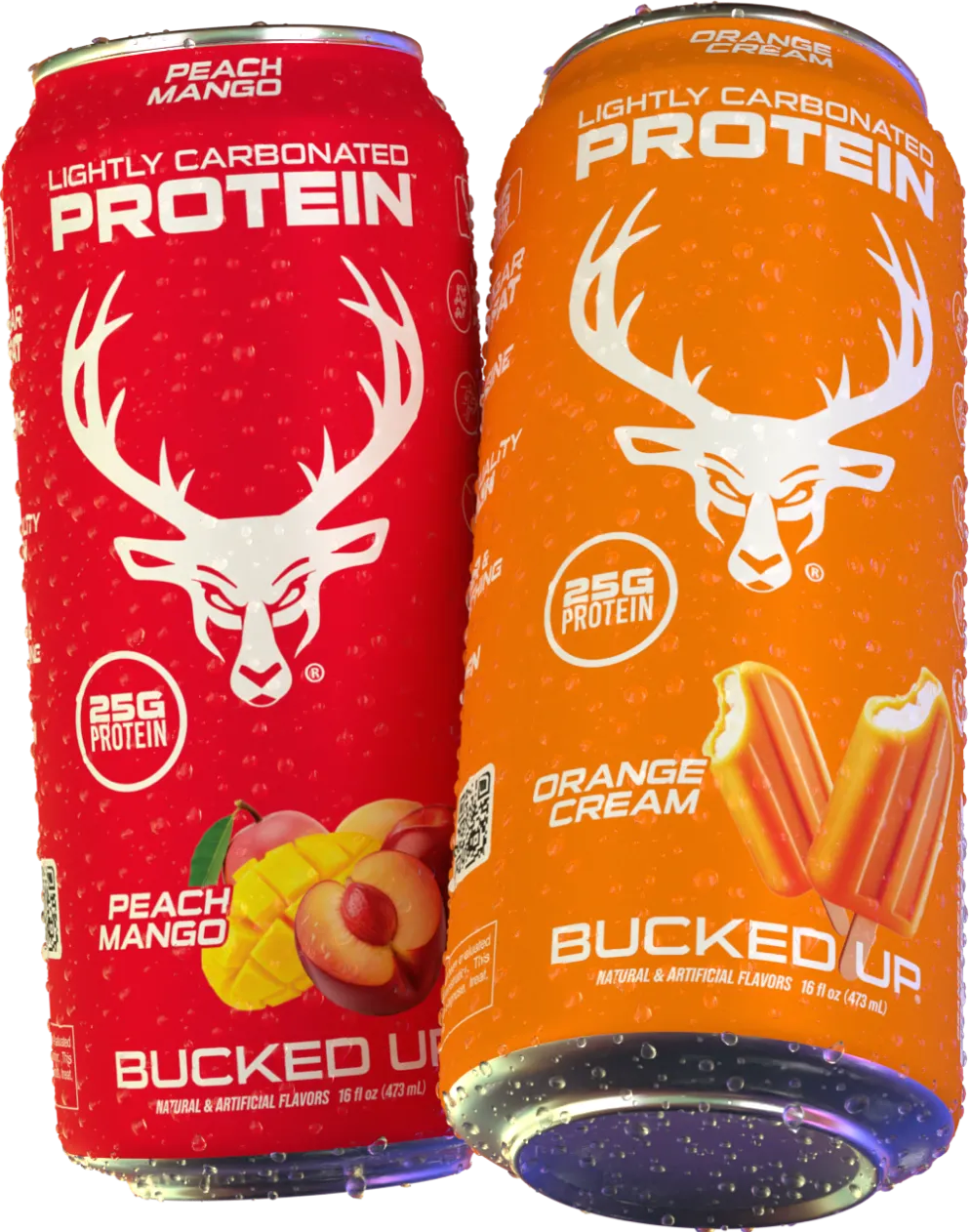
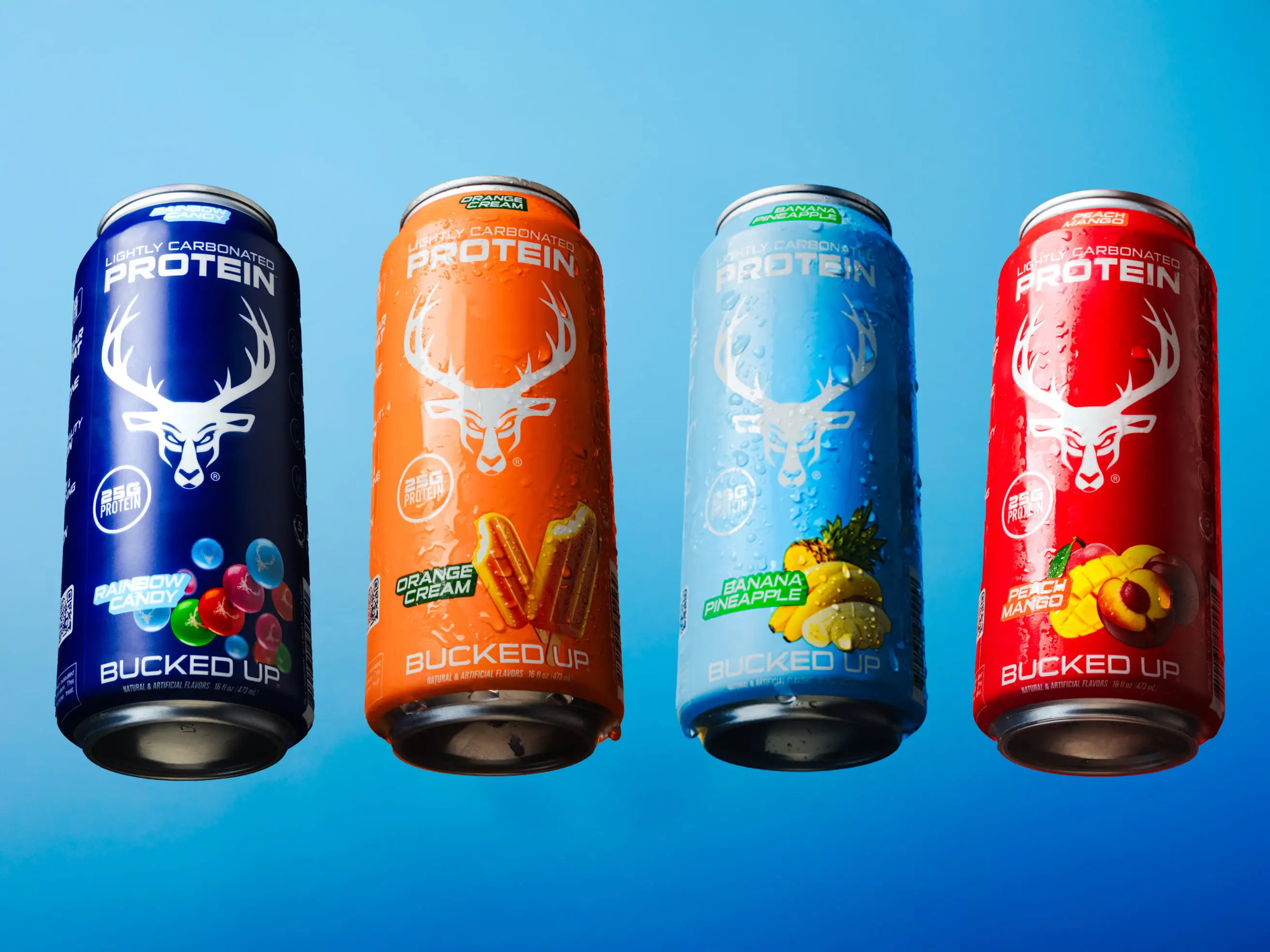
Bucked Up Protein Soda offers a lightly carbonated format that tastes similar to an energy drink but contains no caffeine. Each can delivers 25g of whey protein isolate in just 100 calories with zero sugar and zero carbs.
The carbonation provides a refreshing alternative to heavy, milky shakes, which can feel too thick or filling for some people. This lighter texture, combined with flavors like Banana Pineapple and a caffeine-free formula, makes it easier to drink when you want something crisp and sweet. Many users reach for it after workouts or as an anytime protein boost that feels more like a soda than a traditional shake.
Manufactured in GMP-certified US facilities, Bucked Up focuses on label transparency and consistent quality. “The protein sodas far exceeded my expectations. They taste similar to an energy drink and don’t have any weird aftertaste like some other clear whey protein drinks do”, reports one verified customer, highlighting both flavor and clean finish.
Bucked Up vs. Top Competitors: Macros & Carbs at a Glance
The table below compares Bucked Up’s macronutrient profile to several leading RTD competitors. Pay attention to calories per serving and total carbs and sugar, especially if you track macros for weight management or low-carb diets.
| Product | Protein Source | Calories | Carbs/Sugar |
|---|---|---|---|
| Bucked Up Protein Soda | Whey Isolate | 100 | 0g/0g |
| Premier Protein | Whey Protein | 160 | 5g/1g |
| Fairlife Core Power | Ultra-Filtered Milk | 170 | 8g/5g |
| Muscle Milk | Protein Blend | 160 | 8g/3g |
2. Fairlife Core Power (Creamy Dairy RTD)
Fairlife Core Power Vanilla Protein Drink delivers 42g of protein from ultra-filtered milk in a thick, creamy format. It provides 170 calories per bottle, so it feels more like a dessert-style shake than a light drink. The milk protein offers a complete amino acid profile, which supports muscle recovery and general protein needs.1
People who enjoy traditional dairy shakes often describe Fairlife as similar to flavored milk with a richer texture. Those who prefer lighter or less filling drinks may find it heavier than clear or carbonated options.
3. Premier Protein (Weight-Conscious Shake)
Premier Protein shakes provide 30g of whey protein in 160 calories with 5g total carbs and 1g sugar per shake. The flavor profile leans sweet and dessert-like, which can satisfy cravings if you enjoy classic shake textures.
Compared with Bucked Up, Premier Protein offers more protein per serving but also more calories and a thicker, milkshake-style mouthfeel. This suits people who want a more filling drink that can double as a snack or light meal.
4. SEEQ Clear Whey (Juice-Style Option)
SEEQ offers a transparent, juice-like protein drink with 22g of whey protein isolate. The clear format removes the milky texture many people dislike in traditional shakes.
Flavors tend to resemble fruit punch or sports drinks, which can feel refreshing during warmer weather or after intense workouts. SEEQ works well for users who want a light, flavored beverage but still prefer whey isolate over plant proteins.
5. OWYN Plant-Based (Allergen-Friendly Choice)
OWYN provides 20g of plant-based protein from pea, pumpkin seed, and flax seed. The formula is dairy-free and can fit vegan or plant-forward diets.
Plant proteins may have lower bioavailability compared to whey proteins, which means the body can absorb a smaller portion of the total protein content.1 Some users still prefer OWYN for its allergen-friendly profile and smoother taste compared with grittier plant shakes.
6. Core Power Elite (High-Protein Dairy Shake)
Core Power Elite packs 42g of protein with 170 calories and 5g of sugar per serving. This option suits people with higher protein targets who want a rich, creamy shake.
The taste resembles flavored milk with a thicker body, which many users enjoy as a post-workout treat. The higher protein dose can help those with larger bodies or intense training schedules hit daily goals more easily.
7. Muscle Milk (Budget-Friendly Blend)
Muscle Milk offers 25g of protein from a blend of sources . The blended formula often includes whey and casein, which can provide a mix of faster and slower-digesting proteins.1
Many people choose Muscle Milk for its wide availability and value pricing. The taste is closer to a classic protein shake, with a thicker texture and moderate sweetness.
8. Slate Milk (Lactose-Free Dairy Option)
Slate provides 20g of protein in a lactose-free format that can appeal to people with sensitive digestion, including some GLP-1 users. The canned format feels similar to a flavored cold brew or canned latte.
The flavor is creamy and chocolate-forward, which works well for users who want a dessert-style drink without lactose. Those who prefer very light or clear beverages may still find it a bit rich.
9. Koia Plant-Based (Protein With Added Fiber)
Koia delivers 20g of plant protein with added fiber. The fiber content can support fullness and digestive regularity, which some people value during weight loss.1
The texture is thicker than clear options but smoother than some gritty plant shakes. Taste leans toward mildly sweet, with flavors like vanilla and chocolate that feel familiar.
10. Orgain Organic (Organic Plant RTD)
Orgain offers 21g of organic plant protein . The formula focuses on organic ingredients and plant-based sources, which appeals to users who prioritize organic certification.
The flavor is comparable to other plant-based shakes, with a slightly earthy note from the plant proteins. People who want a lighter, soda-like experience may prefer clear or carbonated options higher on this list.
Now that you have an overview of the top options, you can match each product’s taste, texture, and macros to your own goals. The next section looks at how liquid protein choices can support one specific group: GLP-1 and Zepbound users.
Protein Shakes for GLP-1 & Zepbound Users
GLP-1 medication users face unique challenges in maintaining adequate protein intake. Endocrine specialists recommend 1.2 to 1.6 grams of protein per kilogram of body weight daily for muscle preservation during weight loss, which is significantly higher than many general guidelines.
These medications can reduce appetite and slow gastric emptying, so large, heavy shakes may feel difficult to finish. Digestive sensitivity can also increase, which makes protein type and texture more important.
Bucked Up Protein Soda’s design aligns with these needs for many GLP-1 users. The light, carbonated format can feel easier to sip when appetite is low compared with dense, creamy shakes. Because some users experience digestive sensitivity, the whey isolate provides rapid absorption with minimal digestive burden .1
The zero-carb formula also fits common weight management goals for GLP-1 and Zepbound users who track carbs closely. Each can contributes a full 25-gram protein serving toward daily targets, which helps support lean mass while total calorie intake stays lower.1 Explore Bucked Up’s GLP-1-friendly protein soda if you want a lighter alternative to traditional shakes.
Whether you are managing GLP-1 medication or pursuing other fitness and health goals, a few universal criteria can help you evaluate any liquid protein option. The next section breaks down those factors so you can compare products with more confidence.
Buyer’s Guide: How to Choose a Liquid Protein That Fits Your Goals
Choosing a liquid protein becomes easier when you focus on a few key factors that affect results, taste, and daily use. Start with the protein source, then look at macros, texture, and timing.
- Protein Quality: Begin by evaluating the protein source itself. Whey protein isolate offers higher absorption and purity compared to concentrate1, containing 90% or more protein by weight. This higher purity influences how much usable protein you get per serving.
- Complete Amino Acids: After checking purity, confirm that the protein provides all essential amino acids. Whey proteins supply a complete profile that supports muscle protein synthesis, while collagen proteins lack some essential amino acids even though they can still support joint and skin health.1
- Calorie Efficiency: Once you know the protein is high quality and complete, look at the protein-to-calorie ratio. A higher ratio can help with weight management, since you get more protein support from fewer calories.1
- Texture Preference: Texture affects how consistently you will drink a product. Clear, carbonated options like Bucked Up offer a crisp, soda-like experience, while creamy shakes feel more like a dessert or meal replacement.
- Timing Considerations: Fast-absorbing proteins often work well within about 30 minutes after a workout, when your body is primed for recovery.1 Slower-digesting options can fit better as snacks or between meals.
With these criteria in mind, many common questions about liquid protein become easier to answer. The FAQ below addresses specific concerns that often come up for GLP-1 users, keto dieters, and people comparing popular brands.
FAQ
What’s a good liquid protein for Zepbound users?
Bucked Up Protein Soda can work well for many Zepbound users because it combines a zero-carb, zero-sugar formula with a light, carbonated texture. The energy drink-like taste makes it easier to drink even when appetite is reduced. Each can still delivers a full 25-gram protein serving, which supports muscle preservation during weight loss phases.1
What’s the difference between whey isolate and concentrate?
Whey protein isolate undergoes additional filtration to reach 90% or more protein purity with minimal lactose and fat. Whey concentrate contains a lower percentage of protein and more lactose and carbohydrates. Isolate generally absorbs faster and provides more usable protein per calorie, which many people find helpful for muscle building and weight management.1
Is Bucked Up Protein Soda keto-friendly?
Yes, Bucked Up Protein Soda is keto-compatible. With zero carbs and zero sugar, it does not add net carbs that could disrupt ketosis. Many keto dieters use it as a convenient way to increase protein while keeping macros aligned with their plan.
Is it safe to drink protein sodas daily?
Protein sodas like Bucked Up can fit into a daily routine as part of a balanced diet that meets your overall protein, calorie, and micronutrient needs. The caffeine-free formula makes it suitable at any time of day, including evenings. If you have kidney issues, digestive conditions, or other medical concerns, consult your healthcare provider before making significant changes to your protein intake.
How does Fairlife compare to Premier Protein?
Fairlife Core Power provides 42g of milk protein in 170 calories per bottle, with a rich, creamy taste. Premier Protein offers 30g of whey protein in 160 calories with 5g total carbs and 1g sugar per shake, and has a dessert-like shake texture.
Bucked Up provides 25g of whey isolate in 100 calories with refreshing carbonation and zero sugar per can. Users who prefer a soda-style drink often gravitate toward Bucked Up, while those who want a thicker shake may choose Fairlife or Premier.
Does carbonation affect protein digestion?
Research suggests carbonation may support digestion for some people by stimulating digestive nerves and helping food move through the digestive tract.1 A few individuals with very sensitive stomachs may notice temporary bloating from carbonated drinks.
The carbonation in Bucked Up Protein Soda is relatively light and generally well-tolerated, so many users experience it as a refreshing alternative to heavy protein shakes. If you are prone to bloating, start with smaller sips and see how your body responds.
Conclusion: Where Bucked Up Fits in Your Liquid Protein Lineup
Bucked Up Protein Soda combines a carbonated format, whey isolate, and an energy drink-style flavor profile to create a different kind of liquid protein. It can serve athletes after training, busy professionals who want a quick protein source, and GLP-1 users who need a lighter drink that still supports muscle mass.1
Each can delivers 25g of protein in 100 calories with a crisp, soda-like taste that many people find easier to drink than thick shakes. Explore Bucked Up Protein Soda if you want a refreshing alternative to traditional protein shakes that still supports your daily protein goals.1
1 The content provided in this article is for informational purposes only and is not medical advice. Consult with a medical professional before implementing any changes to your diet, health, or exercise routines.
Individual results will vary and are based on a combination of each individual’s diet, exercise, age, and health circumstances.
These statements have not been evaluated by the Food and Drug Administration. This product is not intended to diagnose, treat, cure or prevent any disease.
This article was written by Ryan Gardner, CEO of Bucked Up. As the maker of Bucked Up Protein Soda, we have a financial interest in this information. The views expressed are our own and should be read with that context in mind.